PM orders evacuation from high risk areas as typhoon Narra forms

VOV.VN - With typhoon Narra forming over the Gulf of Tonkin and days of heavy rain and flooding in the northern and north-central regions, the Prime Minister has ordered local authorities to review high-risk areas and proactively evacuate residents, particularly those facing deep flooding, flash floods and landslides.
The requirements were set out in a Government Dispatch dated August 21 on continued proactive disaster response and rapid recovery from the impact of flooding.
The dispatch was sent to the leaders of provincial People's Committees across the northern and north-central regions, as well as the Ministries of National Defence, Public Security, Agriculture and Environment, Construction, Industry and Trade, and Education and Training.
Priority given to moving people out of danger zones
One of the Prime Minister’s most direct instructions is for local authorities to continue reviewing high-risk areas and proactively organise the evacuation and relocation of residents, particularly from places vulnerable to deep flooding, flash floods and landslides.
Local authorities must also ensure the safety of boats and other vessels operating on rivers and at sea, particularly in the Gulf of Tonkin, while deploying personnel to regulate traffic at low-water crossings, submerged roads and areas vulnerable to flooding or landslides.
They were required to prepare forces, equipment and supplies so that damage can be addressed immediately after the rain and flooding subside.
The armed forces and police units stationed in affected areas were instructed to stay ready to reinforce and support local authorities in response and recovery efforts when requested.
Slow-moving storm adds to flood risks
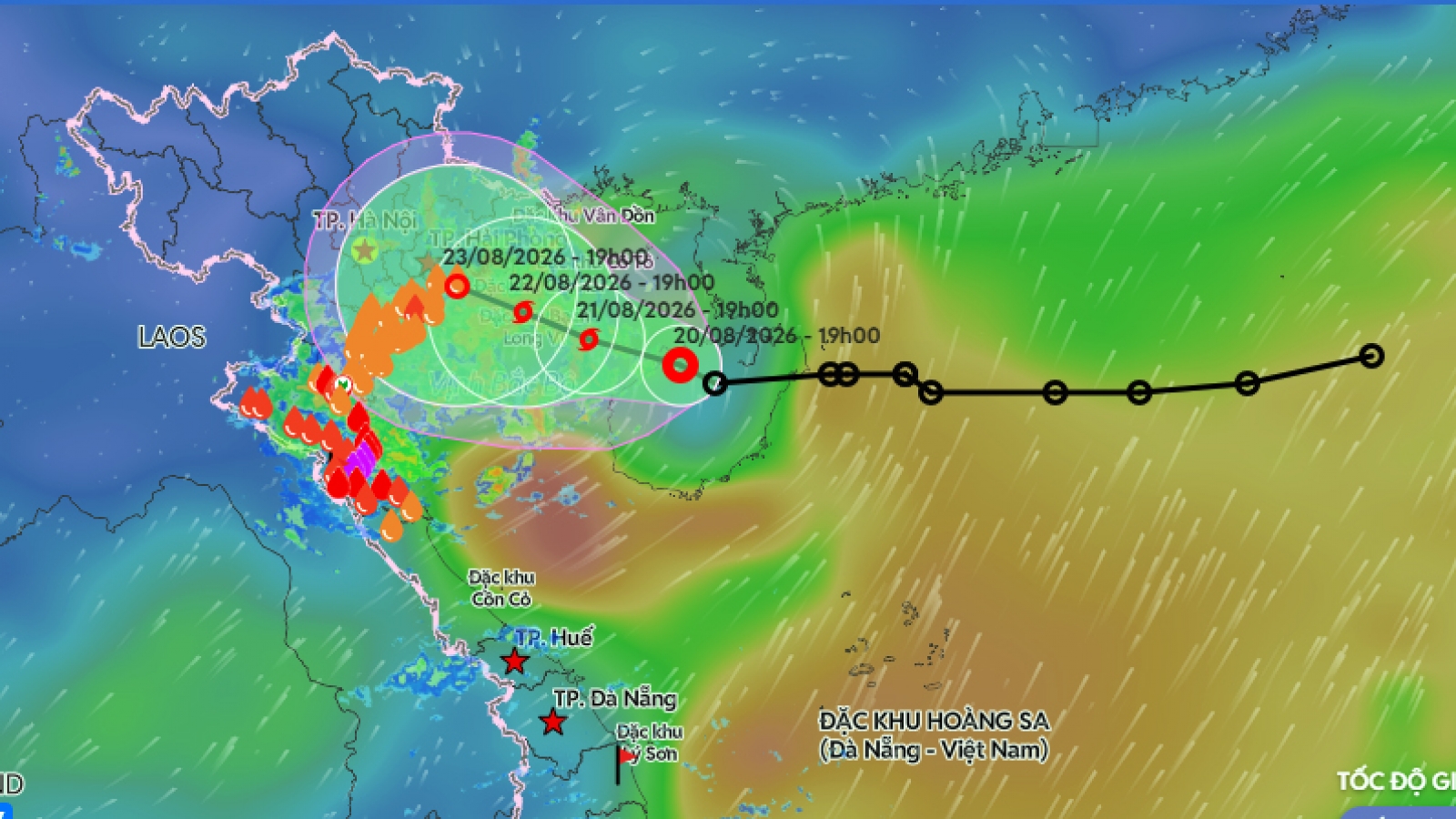
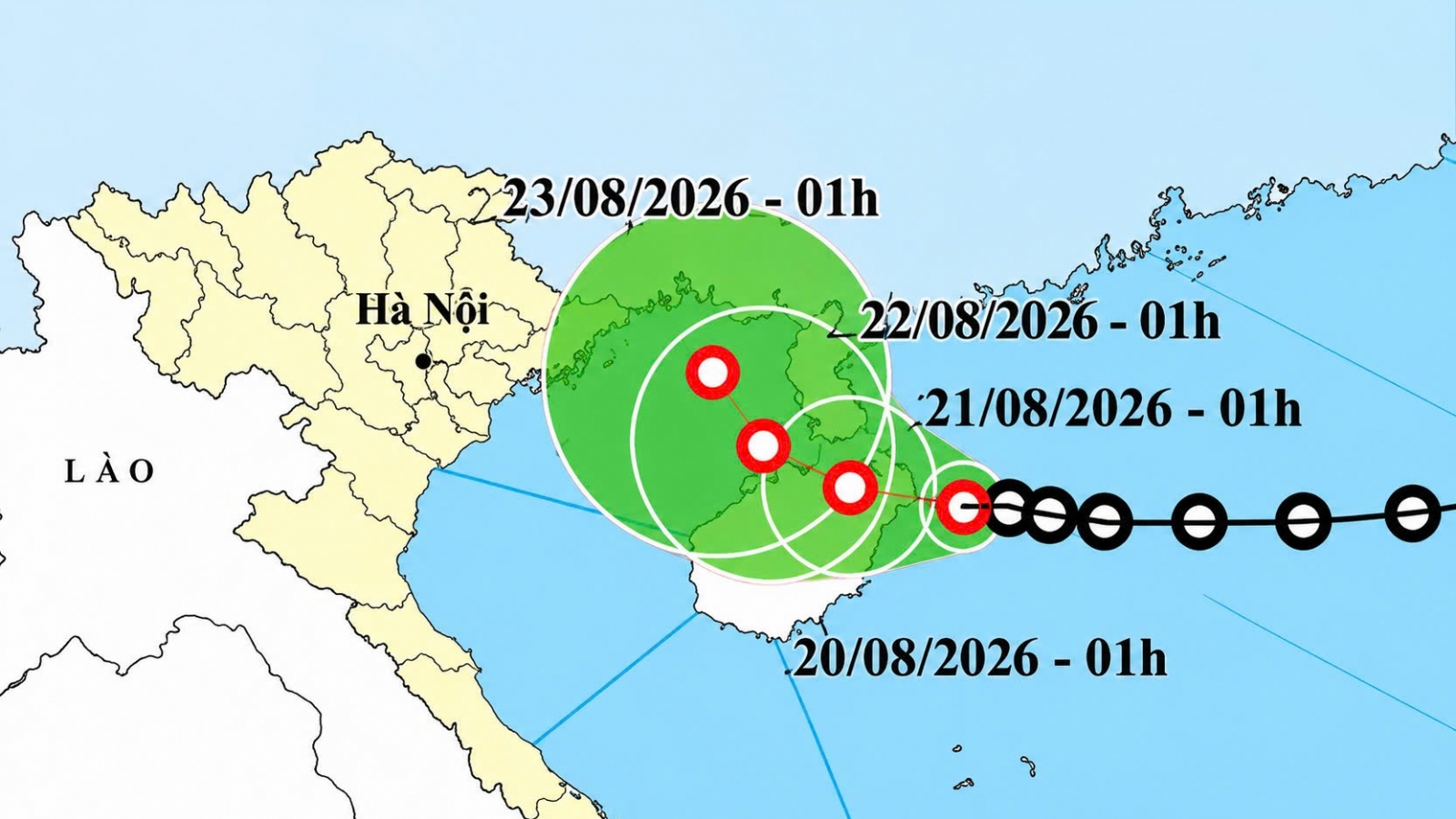
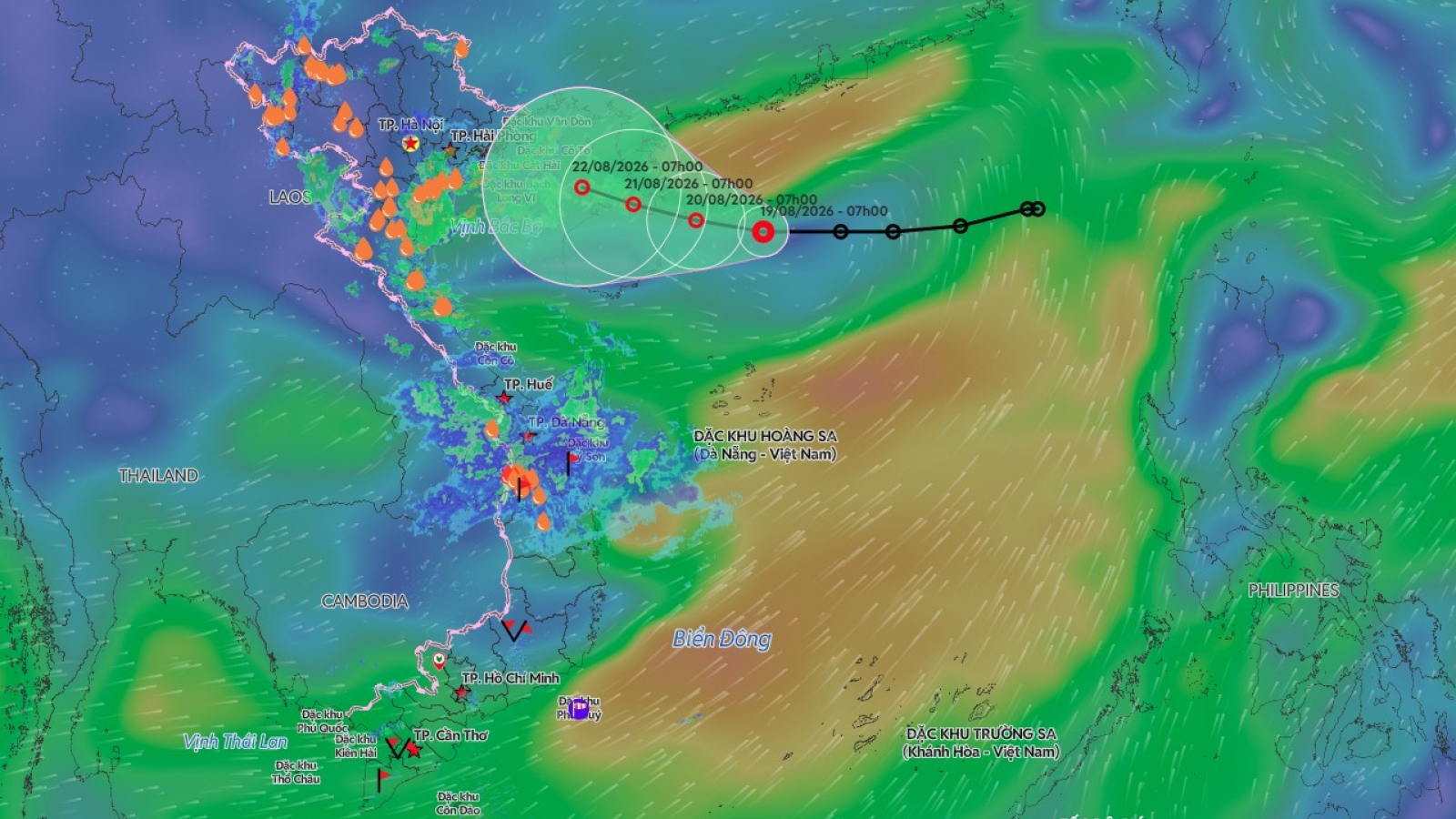
The dispatch came as a tropical depression over the Gulf of Tonkin has strengthened into typhoon Narra. At 10 p.m. on August 21, the typhoon’s centre was about 100 km north-northeast of Bach Long Vi Special Zone, with sustained winds of 62-74 km/h and gusts of up to around 100 km/h. It was moving very slowly at only about 3 kmh.
The storm was forecast to remain over the northern Gulf of Tonkin on August 22 and could change direction afterward.
Because the typhoon is moving so slowly, the main concern is not only strong winds at sea but also prolonged heavy rain over areas that have already received days of rainfall.
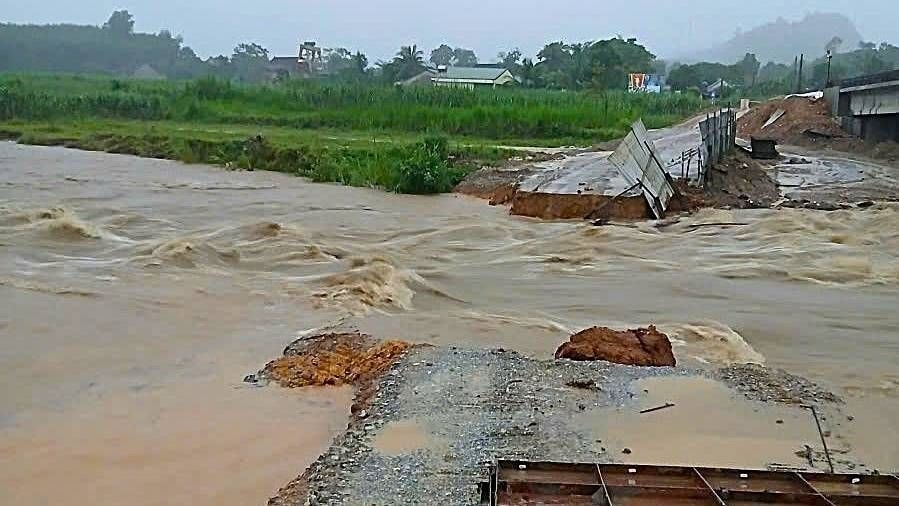
Previous flooding has caused casualties and disrupted transport in several northern and north-central localities. In Nghe An, floodwaters inundated roads, swept away a temporary bridge and temporarily isolated several remote villages, potentially affecting residents' daily lives and students' return to school before the new academic year.
The Prime Minister therefore instructed the National Civil Defence Steering Committee and the Ministry of Agriculture and Environment to closely monitor the storm and flooding, provide timely forecasts and warnings, and ensure that ministries and localities take preventive action and quickly address disaster damage.
The Ministry of Construction was tasked with ensuring the safety of river and sea transport and helping localities repair roads damaged or cut off by landslides. The Ministry of Education and Training was asked to assess and repair schools affected by floods and ensure that equipment and learning materials are available before the new school year.
In Nghe An, the Prime Minister specifically called for urgent repairs to damaged infrastructure and schools, as well as replacement of the temporary bridge swept away by floodwaters, so residents and students can resume normal activities and schooling before the new academic year.
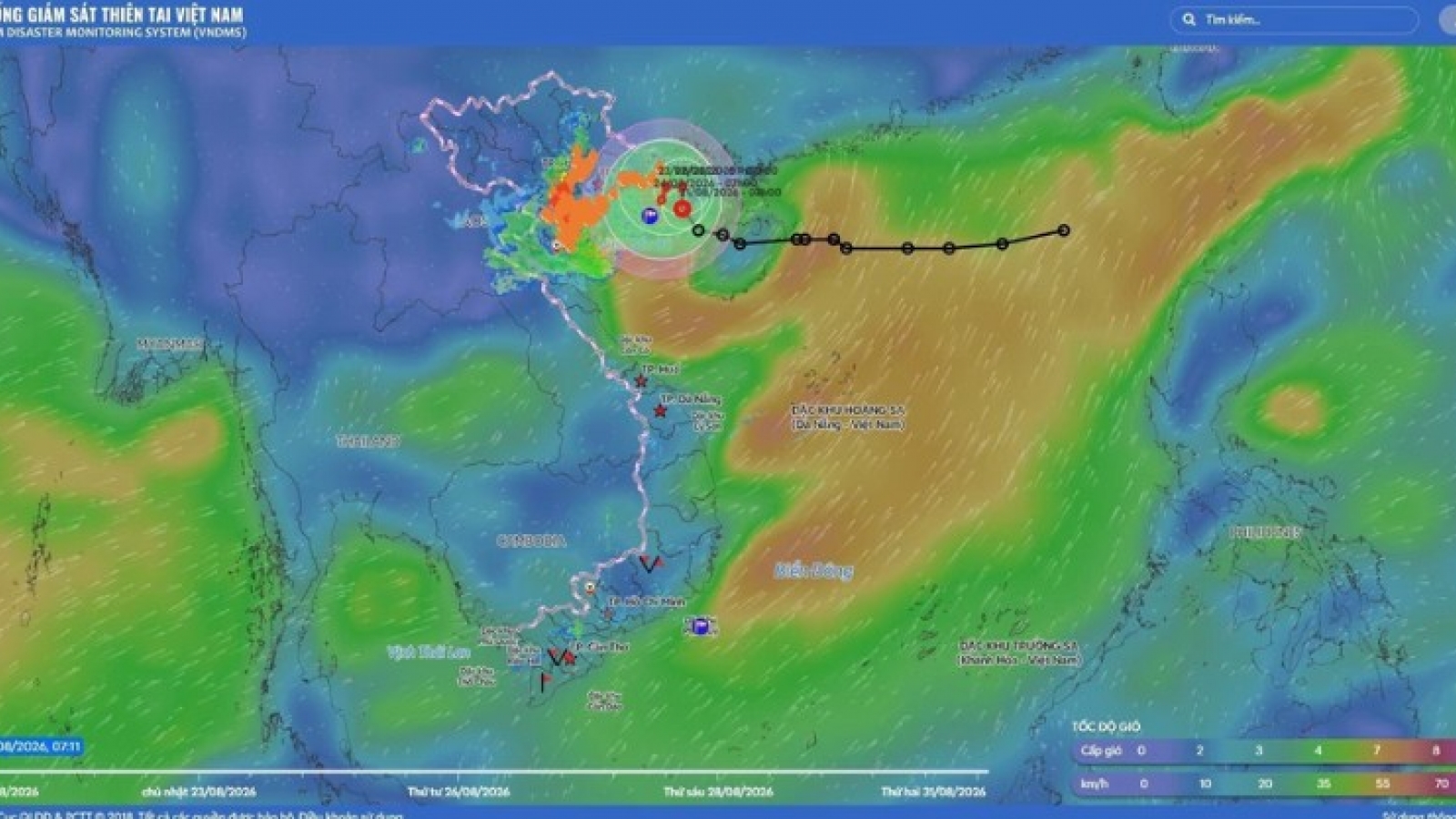
Tropical depression shifts course and intensifies over Gulf of Tonkin
VOV.VN - A tropical depression over the northern Gulf of Tonkin has intensified and changed direction toward the northwest, according to the National Center for Hydro-Meteorological Forecasting.