PM: Hai Phong must create new growth drivers to achieve 13% growth

VOV.VN - Prime Minister Le Minh Hung has asked Hai Phong City to focus on high-tech industries, seaports and logistics, trade, tourism and the development of different economic sectors, and strive to disburse 100% of its 2026 public investment plan to achieve the city’s 13% growth target.
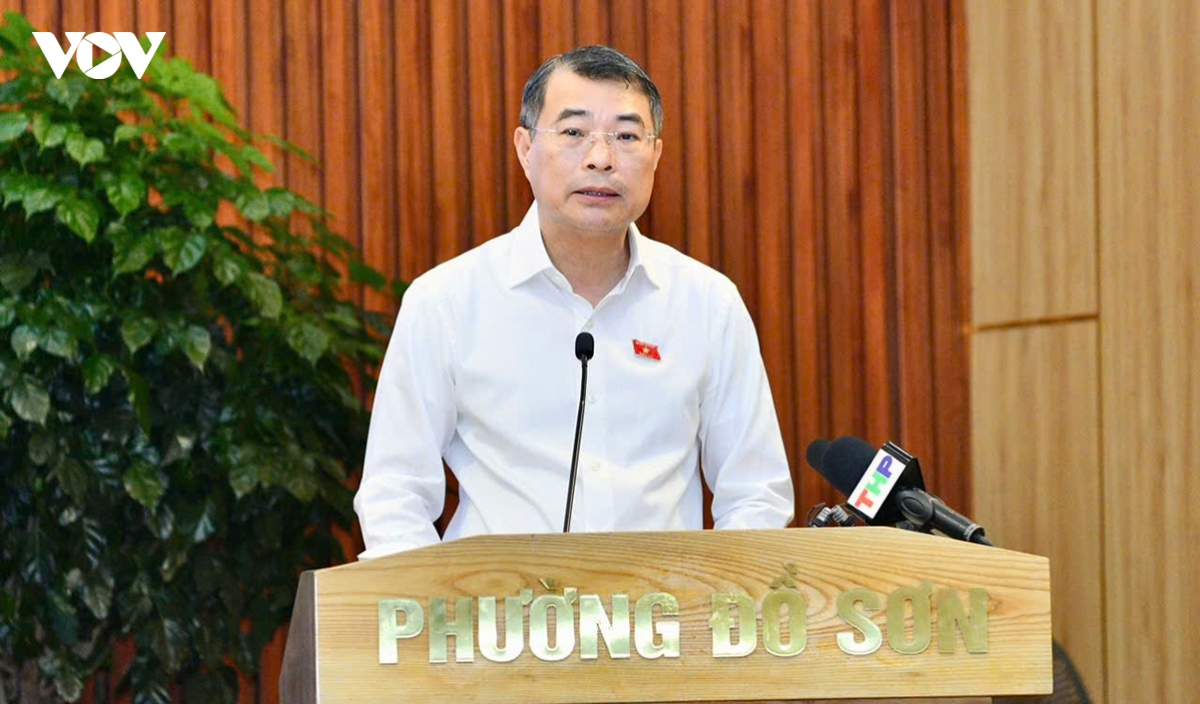
At a meeting with Hai Phong voters on September 24, the Prime Minister Le Minh Hung requested that the city further capitalise on its existing advantages and create new growth drivers to meet its 2026 target and lay a foundation for the 2026–2030 period.
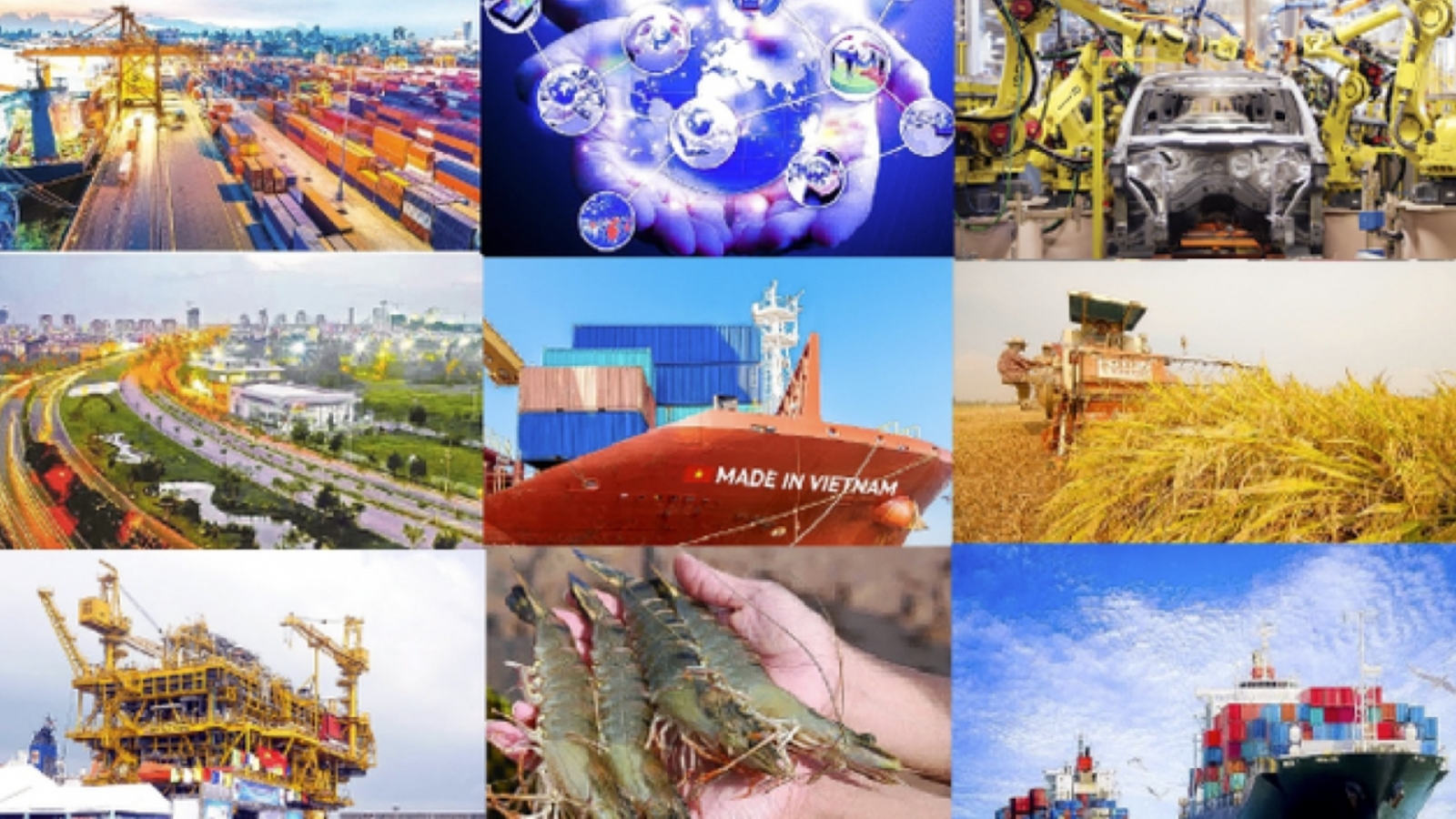
According to the Prime Minister, Hai Phong needs to concentrate on its strong industrial sectors and industries with high technological content, including electronics, automobiles, mechanical engineering, metals and shipbuilding, while promoting modern trade, developing tourism and supporting different economic sectors.
He asked the city to accelerate public investment disbursement and strive to complete 100% of its 2026 capital plan. The city should also remove bottlenecks so that projects capable of adding production capacity can be put into operation as soon as possible.
Earlier in the day, at a working session with the Standing Board of the Hai Phong municipal Party Committee, the Prime Minister also asked the city to regularly review growth scenarios by sector, field, locality, key project and business activity so that difficulties and obstacles within its authority can be addressed promptly.
Removing bottlenecks in land, business and urban development
At the voter meeting, many recommendations from Hai Phong residents focused on issues directly affecting the city’s development, ranging from land and site clearance to support for businesses and mechanisms for urban development.
Voter Do Xuan Hung, director of the Investment and Construction Project Management Board of Do Son Ward, proposed completing mechanisms for determining land prices as a basis for compensation when the State acquires land and for calculating land-use fees at resettlement sites.
According to Hung, land price tables and adjustment coefficients should be developed on the basis of reliable data and updated promptly in line with market conditions. He also called for interconnected databases covering land, real estate transactions, taxation and notarization to limit cases in which declared prices fail to reflect actual transaction values.
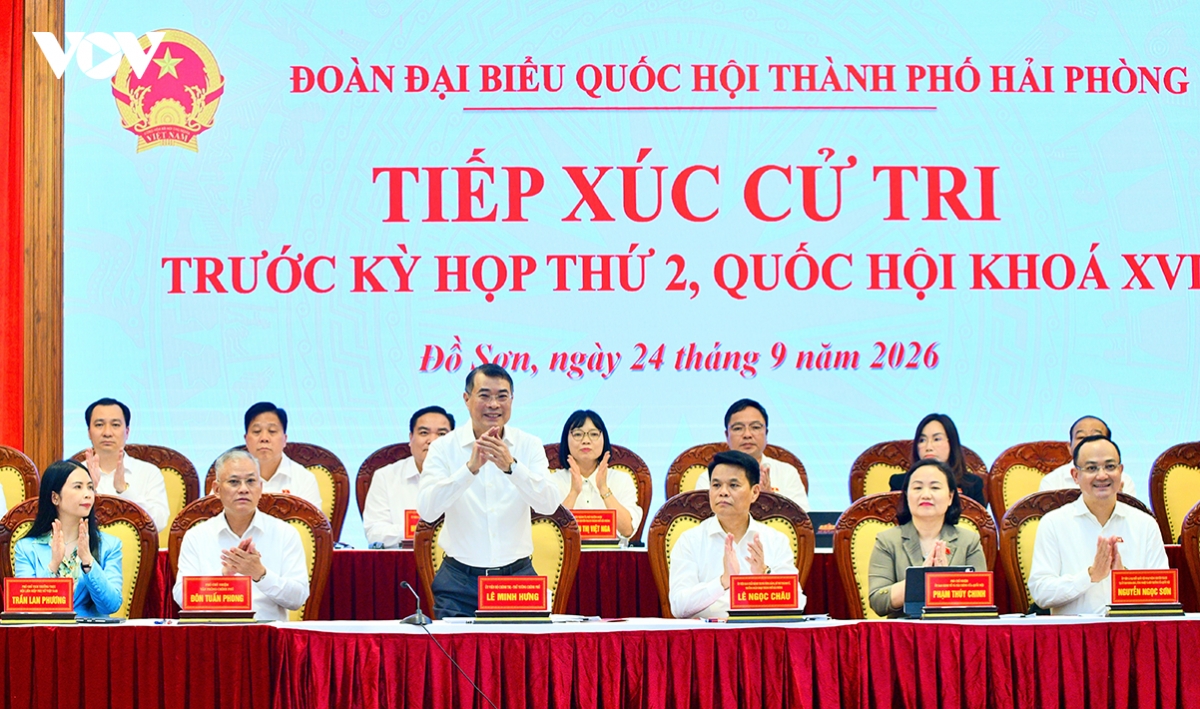
Addressing the issue, Prime Minister Le Minh Hung said the revision of the Land Law should continue to improve mechanisms and policies concerning land, land acquisition, compensation and resettlement. The aim is to ensure that when the State regulates and manages land prices, prices used for land acquisition and compensation, as well as land allocation, housing allocation and resettlement, are calculated appropriately, thereby helping control land and housing prices and the real estate market.
For areas experiencing major fluctuations, or cases in which land price tables and adjustment coefficients do not fully reflect the characteristics of individual land plots, the Prime Minister held that mechanisms are needed to allow timely review and adjustment based on clear criteria. Compensation prices and land-use fees at resettlement sites should also be calculated in a coordinated manner so that people can stabilise their housing and livelihoods after land acquisition.
Regarding support for small and medium-sized enterprises, the Prime Minister emphasised that policies and mechanisms must be specific, simple and substantive, particularly tax policies. If regulations are overly complex, compliance costs can become a burden for smaller businesses and may discourage business households from converting into enterprises.
Unlocking resources for new development space
Regarding the Law on Urban Development, Hai Phong voters called for the early issuance of comprehensive implementing regulations and mechanisms allowing the city to apply policies suited to its specific conditions and new development space.
Voters proposed prioritising mechanisms to mobilise resources for transport infrastructure, seaports and logistics, developing free trade zones and integrated logistics areas, and tapping coastal areas, reclaimed urban land and other new development spaces following the city’s administrative expansion.
Prime Minister Le Minh Hung called on Hai Phong, together with major cities and key economic zones, to review and propose truly breakthrough mechanisms and policies. The focus should be on unlocking and maximising resources for transport infrastructure, the seaport network, trade and tourism, alongside paying attention to cultural preservation.
According to the PM, the 13% growth target for 2026 represents not only an economic target but also a requirement for Hai Phong to translate each growth driver, project and sector into concrete action, swiftly address bottlenecks within its authority and mobilise resources effectively for development. These tasks are also part of the broader effort to lay a foundation for the 2026–2030 period, he stressed.
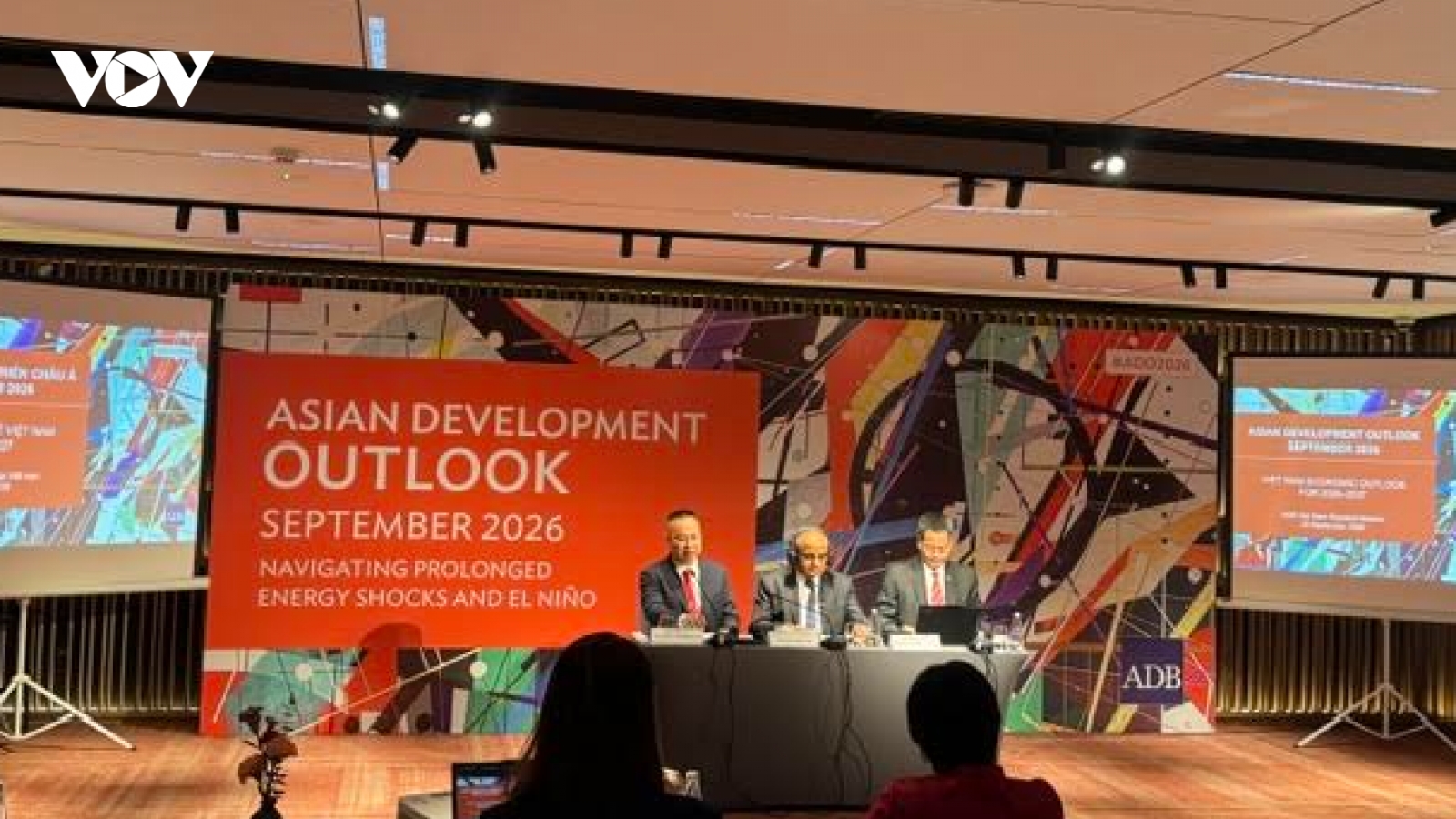
ADB lifts Vietnam’s growth outlook to 7.8% for 2026
VOV.VN - The Asian Development Bank (ADB) has revised up its growth forecast for Vietnam to 7.8% in 2026 and 7.6% in 2027, citing stronger-than-expected economic performance in the first half of the year, according to the Asian Development Outlook (ADO) September 2026 released on September 23.