Ample fiscal space powers year-end economic growth

VOV.VN - Ample fiscal room remains available, with public investment alongside tax exemptions, reductions, and extensions poised to serve as prime movers for economic growth through year-end.

However, experts emphasize that policy effectiveness hinges not merely on resource scale, but on precise allocation, rigorous inflation control, and sustained macroeconomic stability.
Fiscal policy manifests across three principal dimensions: boosting aggregate demand via public investment, supporting enterprises and citizens through tax and fee instruments, and establishing new infrastructure and production capacities.
During the eight month period of 2026, the state implemented tax, fee, and land rental relief totaling approximately VND 209.2 trillion (US$ 7.98 billion), comprising roughly VND 158.2 trillion (US$ 6.04 billion) in waivers and reductions alongside VND 51.0 trillion (US$ 1.95 billion) in deferrals.
These measures furnished businesses with supplementary resources to sustain operations, replenish working capital, and expand activities while shoring up domestic purchasing power. Bolstered by public investment, fiscal relief, and secured budgetary expenditures, the economy expanded by 8.18% year-on-year in the first half of 2026.
Le Duy Binh, Country Director of Economica Vietnam, notes that with monetary policy room constrained by growing inflationary pressures, fiscal policy has emerged as a vital pillar for growth.
Stepping up public investment, enhancing disbursement efficiency, and executing tax relief measures have markedly improved corporate liquidity, nurtured revenue streams, and enabled the private sector to scale up investments.
Public investment not only directly catalyzes growth but also functions as a prime mover, crowding in private capital and foreign direct investment.
Strategic capital allocations toward transport networks, airports, seaports, energy, digital transformation, and urban infrastructure help curtail logistics costs, sharpen regional connectivity, and open new horizons for development.
The synchronization of targeted expansive fiscal management with proactive, flexible monetary policies has generated a synergistic boost, channeling bank credit toward higher-productivity sectors such as industrial parks, energy, and green growth.
Nevertheless, accelerating growth alongside massive public investment deployments introduces distinct challenges.
Economic expert Nguyen Duc Do warns that executing multiple large-scale projects concurrently will sharply spike demand for raw materials and labor, driving up input costs and wage levels. Aggravated labor competition can inflate production costs and induce shortages of skilled personnel in certain industries.
Furthermore, the surging import demand for machinery and raw materials tied to public investment risks widening the trade deficit and exerting upward pressure on exchange rates.
Consequently, complementary relief measures, such as a 30% reduction in personal and corporate income taxes for the 2026–2027 tax periods targeting entities with revenues under VND 10 billion (US$ 381,533), are vital to helping private enterprises adapt to new business environments, e-commerce dynamics, and stringent compliance standards.
Concurrently, keeping inflation below 4.5% is a non-negotiable prerequisite, requiring close surveillance of oil price fluctuations, fuel tax adjustments, essential service pricing, and currency stability to curb imported inflation.
From a public policy perspective, Nguyen Quoc Viet, head of the macroeconomic research team at the University of Economics, Vietnam National University, Hanoi, says that Vietnam holds a distinct advantage as public debt hovers at a sustainable 34% to 37% of GDP, affording ample leeway for growth-oriented fiscal interventions.
The priority solution entails fast-tracking the disbursement of the VND 1 quadrillion (US$ 38.15 billion) public investment package for 2026, channeling resources into inter-regional infrastructural lifelines such as the Lao Cai - Hanoi - Hai Phong railway, the Dong Dang - Tra Linh and Da Nang - Quang Ngai expressways, and Long Thanh International Airport.
To secure funding, Viet proposes decisively enforcing a 5% cut in central budget development investment estimates to redirect capital toward strategic railways alongside a 10% reduction in regular expenditures to reinforce social safety nets.
Additionally, maintaining the 2% value-added tax reduction through the end of 2026 will sustain domestic consumption stimulus and protect real household incomes.
Overall, fiscal policy is cementing its role as the primary engine for sustaining momentum while monetary policy prioritizes macroeconomic stability and systemic safety. The core challenge transcends sheer spending volume or velocity; it demands precise resource allocation toward sectors with high multiplier effects, thereby shoring up near-term growth while securing the nation's long-term developmental foundations.
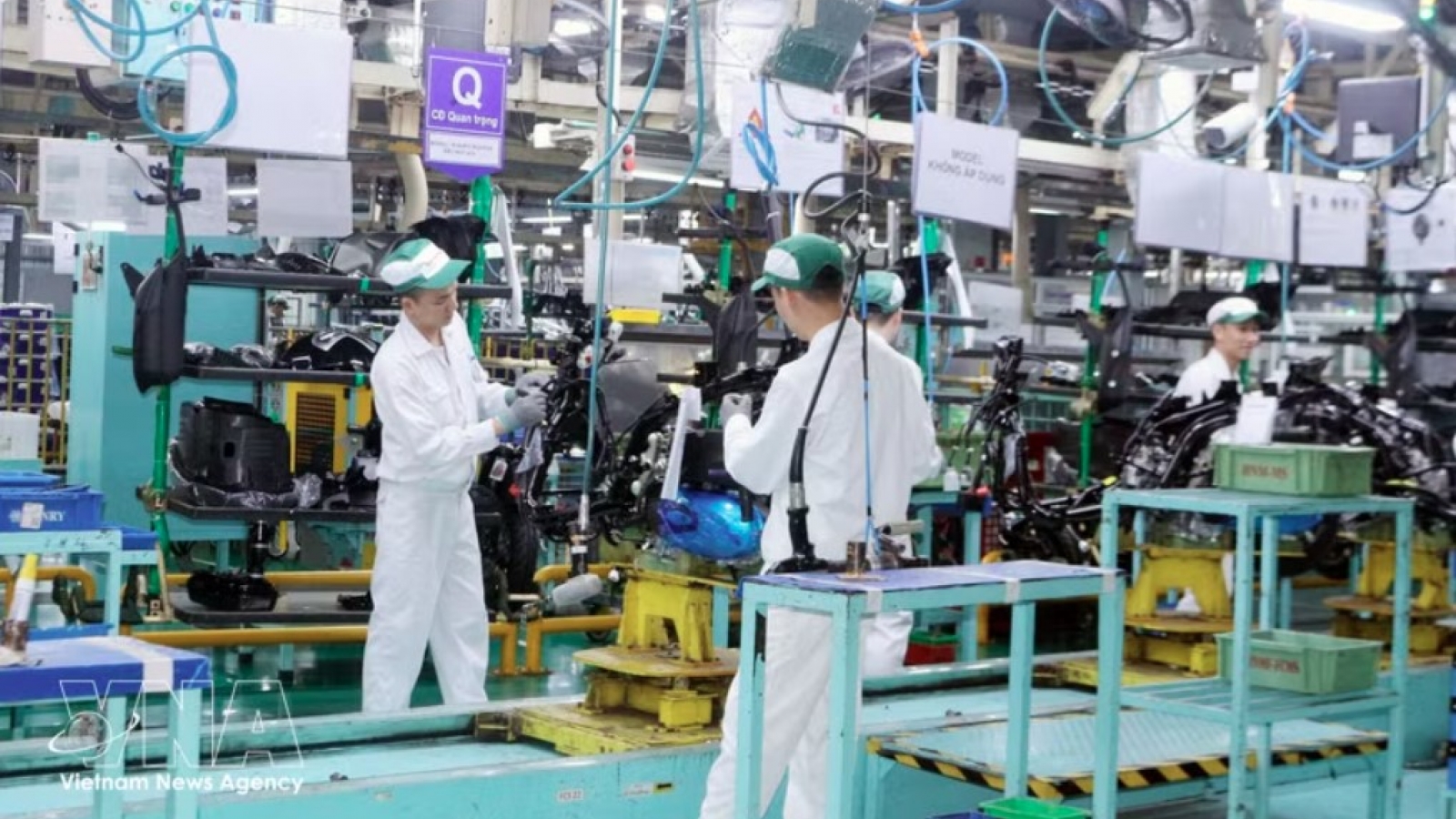
More momentum needed for economic growth in year-end race
Although the Vietnamese economy is maintaining a positive trend, experts held that now is the time to accelerate and make breakthroughs to achieve the targets set for 2026.
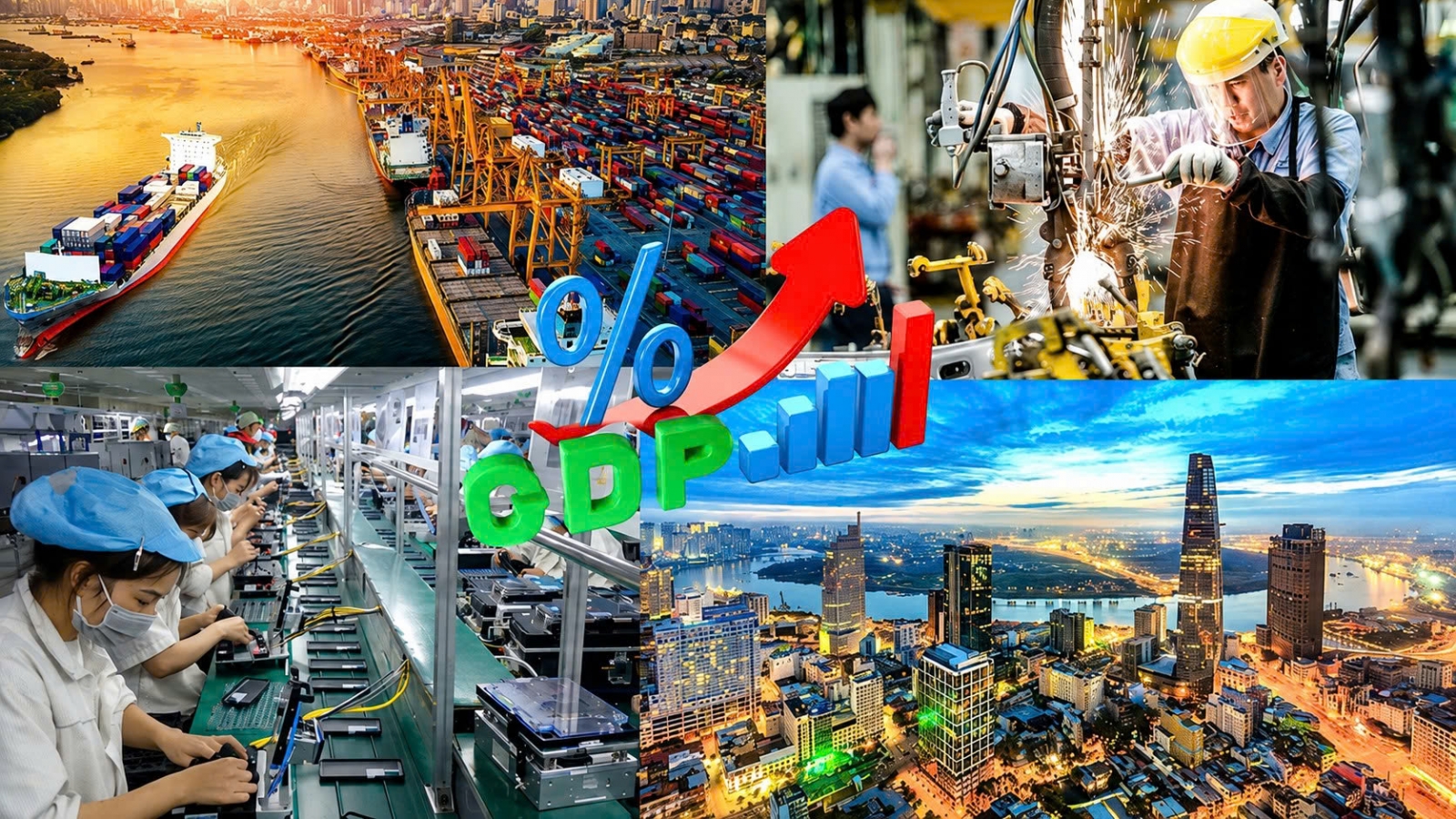
What could drive 10% economic growth for Vietnam in 2026?
VOV.VN - Vietnam’s GDP grew 8.18% in the first half of 2026, but achieving 10% annual growth would require an 11.7% expansion in the second half, with industry, public investment, exports, domestic consumption and the private sector all needing to accelerate.