Vietnam steps up search, recovery and identification of fallen soldiers

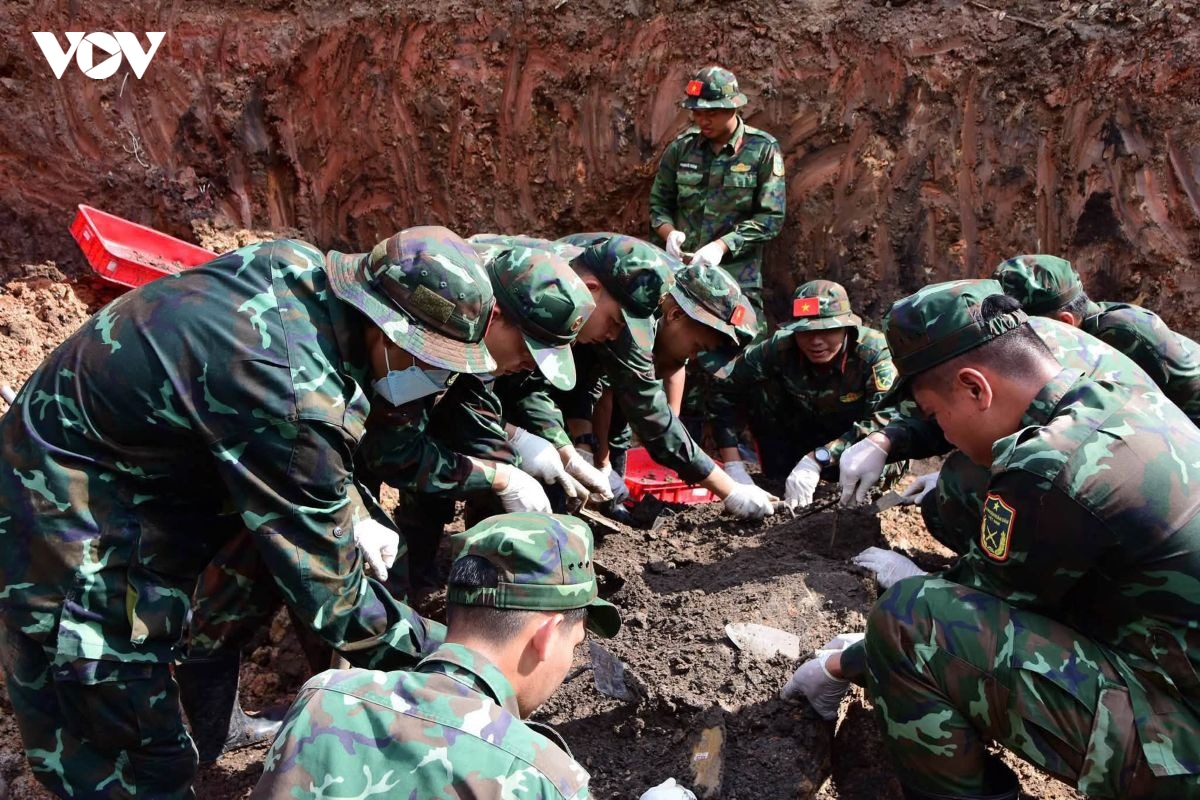
VOV.VN - Vietnam is accelerating efforts to search for, recover and identify the remains of fallen soldiers under a nationwide 500-day campaign, with 1,715 sets of remains recovered since the campaign began in March.
The National Steering Committee for the Search, Recovery and Identification of Fallen Soldiers’ Remains said the figure represented 24.5% of the campaign target.
Of the total, 691 sets of remains were recovered in Vietnam, 174 in Laos and 850 in Cambodia.
Notably, the campaign has led to the discovery and recovery of 13 mass graves of fallen soldiers, including five in Tuyen Quang province and eight at Le Thi Rieng Park in Ho Chi Minh City.
Accelerating identification efforts
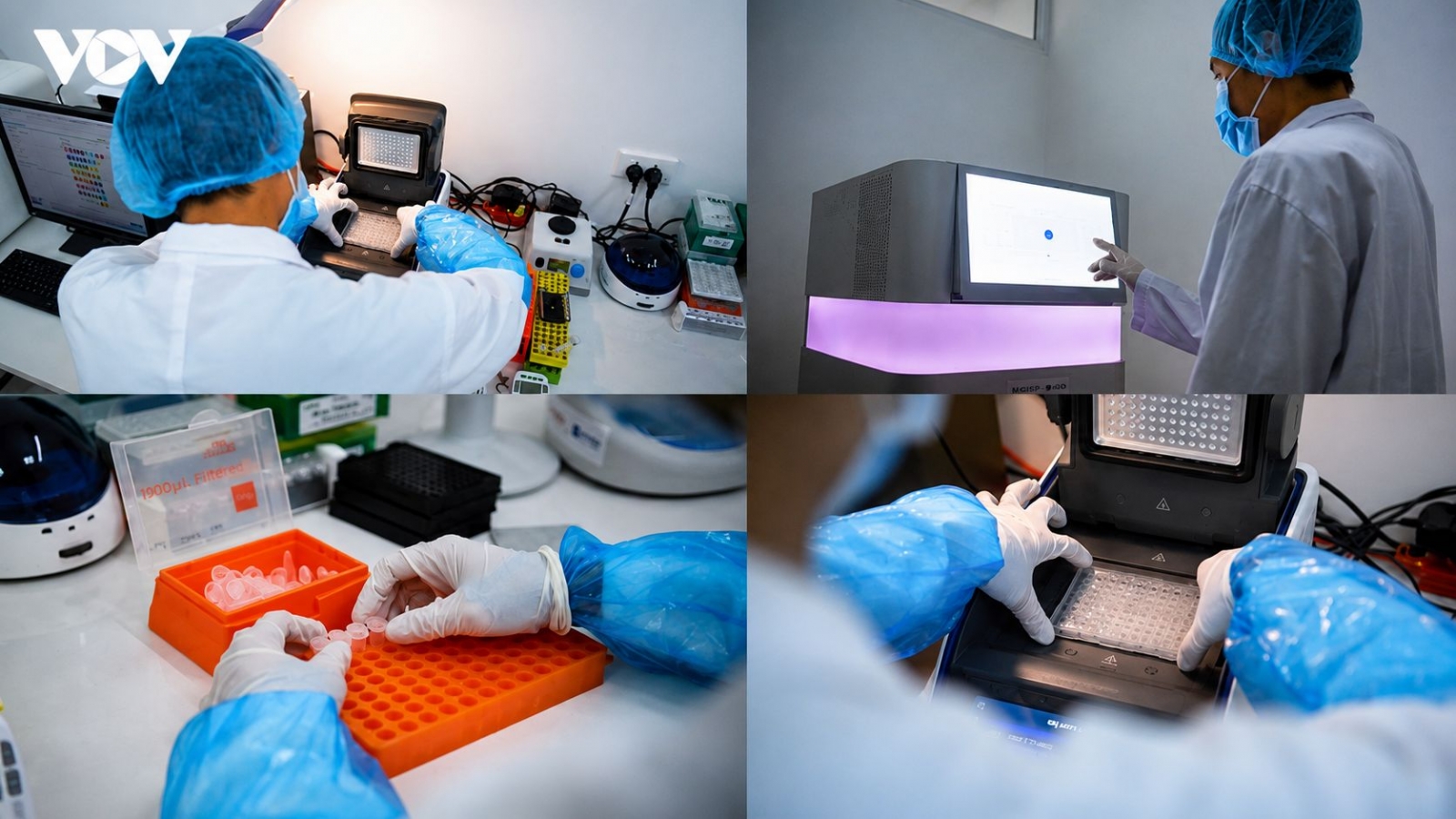
Alongside the search and recovery work, authorities are stepping up efforts to collect remains samples for identification.
Localities have increased inspections and supervision while speeding up the collection and transfer of samples. The number of samples collected each day has risen sharply, averaging around 2,000-3,000.
Nine localities have completed the collection of samples from all identified graves, namely Tuyen Quang, Lai Chau, Son La, Lao Cai, Quang Ninh, Ninh Binh, Ha Tinh, Hue and Lam Dong.
Several localities with large numbers of graves to be sampled, including Khanh Hoa, Dong Nai, Ho Chi Minh City and Tay Ninh, have completed more than 90% of their workload.
As of now, samples have been collected from 124,762 graves, equivalent to 58.4% of the target. Of these, 86,183 graves, or 69.08%, were eligible for sampling, while 38,579 were not.
Clearing unexploded ordnance to open search areas
Mine and unexploded ordnance clearance is another key part of the campaign, particularly in areas where searches for fallen soldiers are expected to take place.
Authorities have cleared 11,793.6 hectares out of a planned 22,725 hectares, reaching 51.9% of the target.
In the core area of Vi Xuyen in Tuyen Quang province, 4,075.8 hectares out of 4,460 hectares have been cleared, equivalent to 91.39%.
The authorities aim to complete clearance of the entire core area this August so that search and recovery operations can be carried out.
Expanding searches based on new information
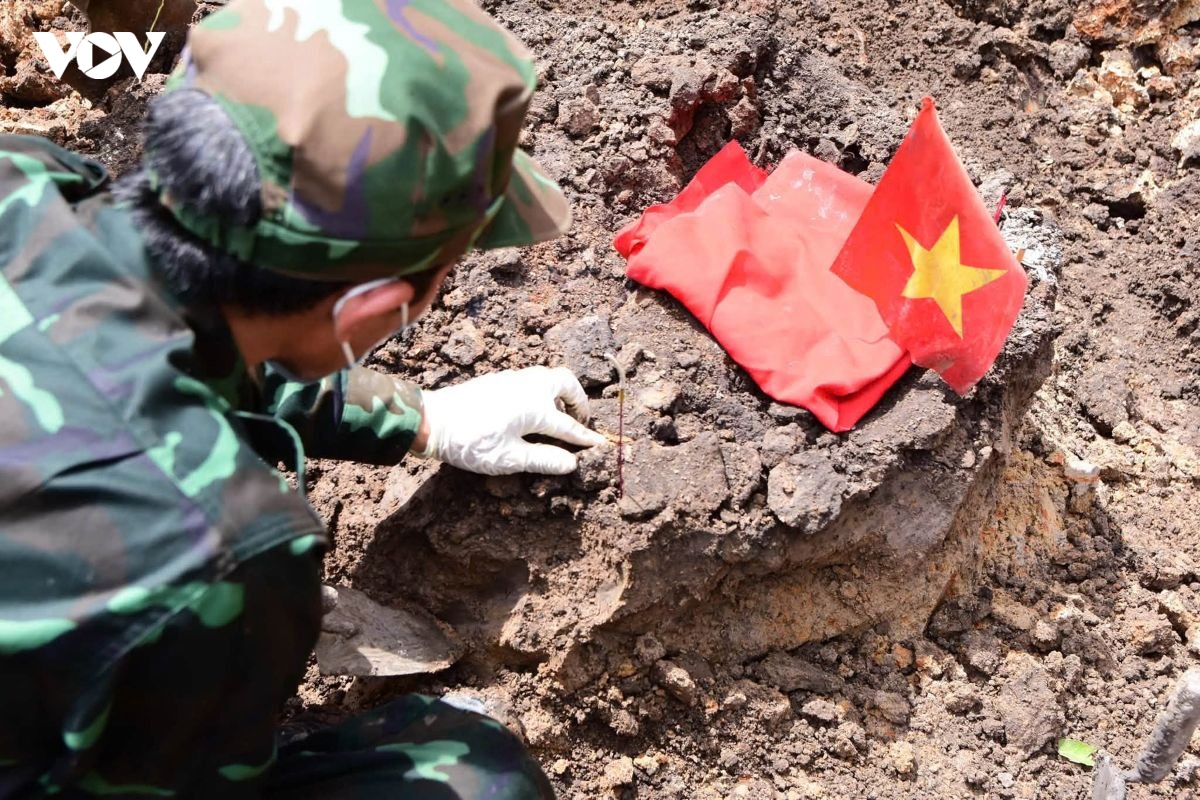
The National Steering Committee will continue reviewing and verifying information on the locations of fallen soldiers’ graves and organise expert consultations to assess reports concerning several areas.
These include Tan Son Nhat Airport in Ho Chi Minh City, the Bac Son Military Hospital Hill area in Dong Nai, the Con Tien base area in Quang Tri and several high points along the former Vi Xuyen battlefield in Tuyen Quang.
Information provided by organisations and individuals about possible mass graves will also be reviewed so that searches can begin as soon as possible.
The committee has also called for faster collection and transfer of remains samples and asked search and recovery teams in Laos and Cambodia to prepare for the 2026-2027 dry-season operations earlier than usual.
The teams will focus on locations for which information on the possible remains of Vietnamese fallen soldiers has been provided by organisations and individuals.
The National Steering Committee plans to send working teams to inspect implementation of the 500-day campaign in several military regions and key localities.
Decades after the war ended, the remains of many Vietnamese soldiers still lie at former battlefields, while the identities of many others remain unknown. The 500-day campaign is regarded as a special nationwide effort to accelerate the search, recovery and identification of fallen soldiers, helping bring their remains home and return their names to their families. The campaign is scheduled to conclude on July 27, 2027, marking the 80th anniversary of Vietnam’s War Invalids and Martyrs Day.
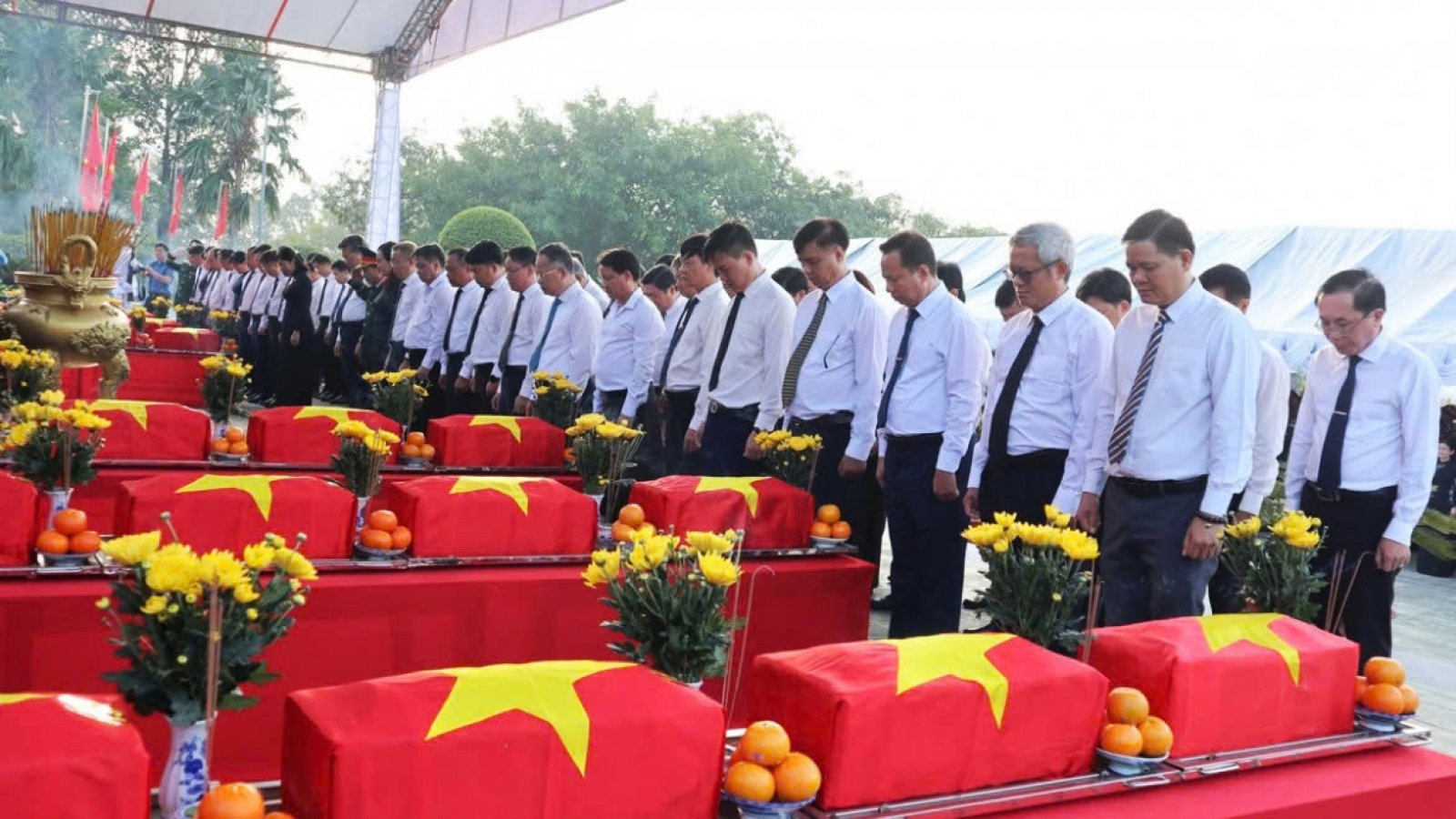
Dong Nai reburies remains of 29 fallen soldiers
VOV.VN - The remains of 29 fallen Vietnamese soldiers have been reburied in Dong Nai City, with DNA testing expected to help identify some of those who gave their lives for national independence and reunification.