Heavy rain triggers landslides, disrupts roads across northern Vietnam

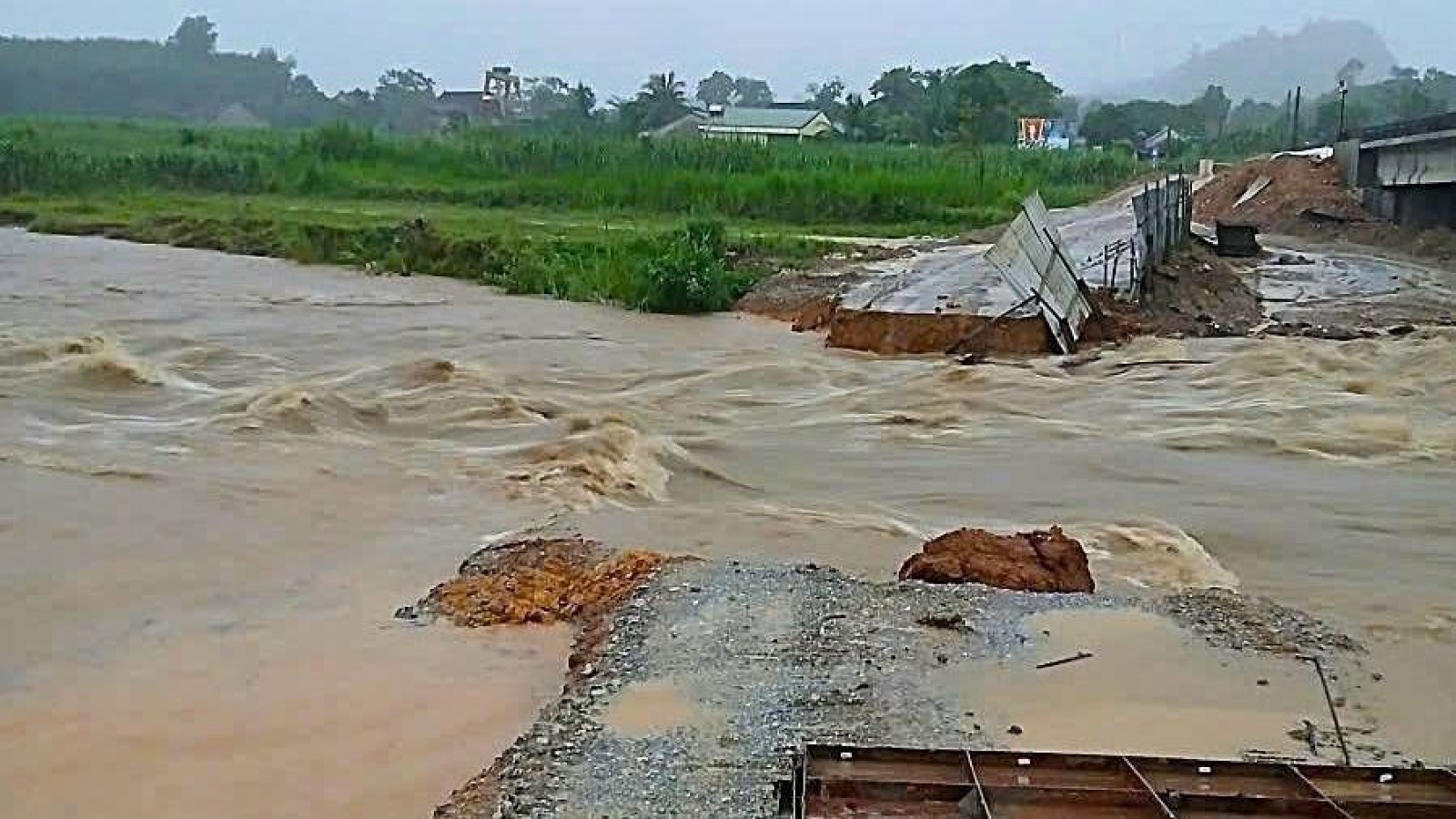
VOV.VN - Prolonged heavy rain has triggered landslides, subsidence and flooding on national and provincial roads across northern Vietnam, disrupting traffic in several areas as road management forces work around the clock to clear debris, regulate traffic and restore damaged routes.
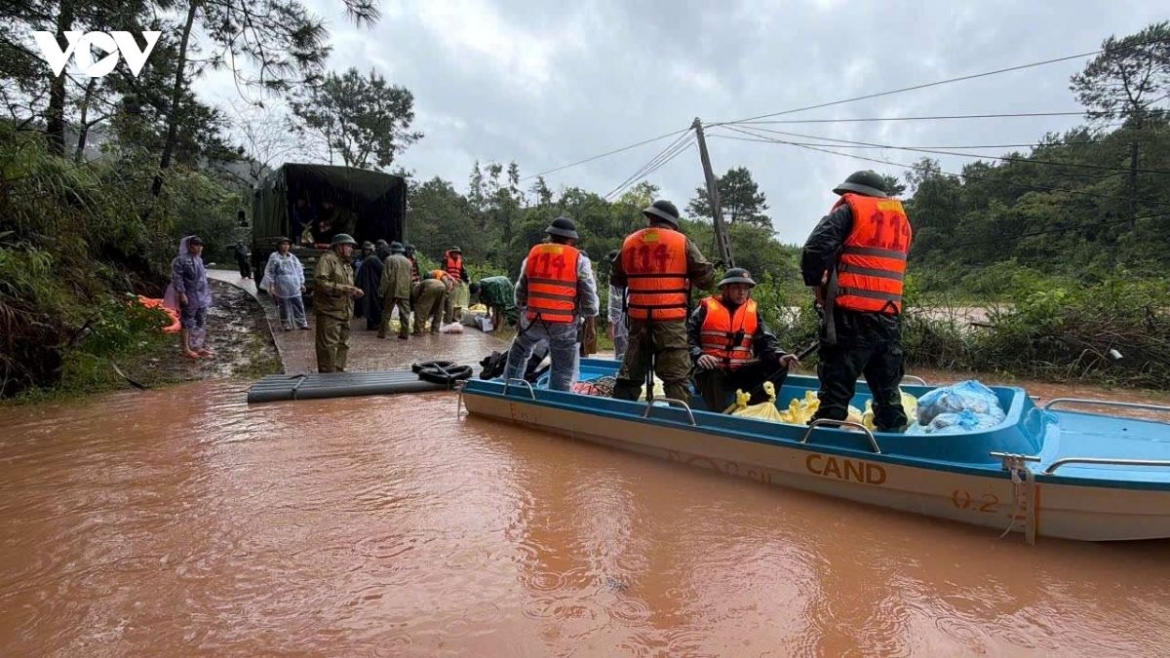
Rain that has persisted since mid-August has caused slope failures, fallen earth and rocks, road subsidence and flooding across mountainous northern provinces. Several damaged sections have been blocked or partially isolated, posing safety risks to drivers and residents.
On centrally managed national highways, 12 landslide sites have been recorded on National Highway 6, involving an estimated 1,217 cubic meters of earth and rock. Some locations have also suffered erosion along the lower side of the road, threatening the roadbed.
National Highway 3 has also seen landslides, with more than 500 cubic meters of debris falling onto the roadway, along with fallen trees obstructing traffic.
Lang Son among hardest-hit provinces
Lang Son has reported some of the most extensive damage. National Highways 1B, 4A, 4B, 3B and 31 have recorded 69 landslide sites, involving about 7,758 cubic meters of earth and rock. Another 175 landslide sites have been reported on provincial roads, with an estimated 30,159 cubic meters of debris. The province has also recorded around 60 flooded locations.
Some sections of National Highways 31 and 4A have been blocked, prompting authorities to install warnings, regulate traffic and urgently clear the affected areas.
Lao Cai has reported landslides on National Highways 4E, 4 and 279 and several provincial roads, with about 1,371 cubic meters of debris. In some areas, erosion has cut deeply into the lower side of roads, threatening their foundations and raising the risk of further slope failures.
Cao Bang has also seen flooding and landslides, including a section where water rose about 0.5 meters above the road surface. Several damaged provincial routes are being repaired, with some expected to reopen on August 24.
In Bac Ninh, a section of National Highway 31 was eroded to a depth of about 1 meter, causing 24 meters of roadside guardrail and eight support posts to collapse.
The damage shows that the impact of the prolonged rain goes beyond debris falling onto roads. Continued rainfall is also threatening the structural integrity of transport routes and increasing the risk of wider disruptions.
Road crews on 24-hour standby
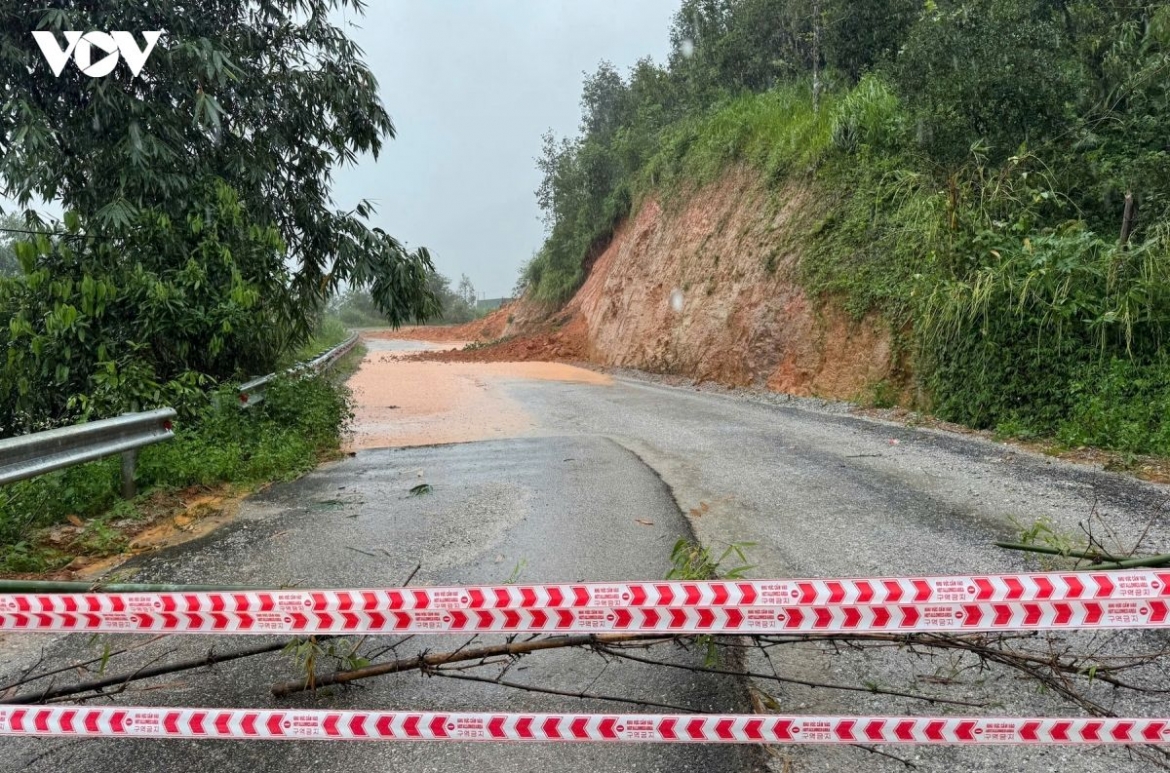
The Vietnam Road Administration has instructed road management units and local construction authorities to maintain 24-hour standby operations and regularly inspect areas at risk of further landslides and subsidence.
At affected locations, authorities are installing warning signs and barriers, regulating traffic and guiding vehicles through dangerous sections. Areas considered vulnerable to further slope failures are being monitored more closely.
Authorities are also mobilising machinery and workers to clear debris, repair damaged infrastructure and restore traffic as quickly as possible. Where conditions allow, the immediate priority is to reopen at least one lane and maintain basic connectivity.
Some routes have already been restored. In Cao Bang, traffic on Provincial Road 209 at Km26+400 resumed at 6:15 a.m. on August 23.
The Vietnam Road Administration has also ordered agencies to continue inspecting vulnerable slopes and road sections, while moving equipment and personnel to locations at risk of being cut off.
Keeping key routes open
As the rain and flooding continue, the immediate priorities are protecting people and vehicles and minimising the duration and extent of traffic disruption.
Rapidly restoring major roads is also essential for rescue and relief operations and for transporting food, supplies and other necessities to affected communities.
Road crews are continuing to operate under the “four on-the-spot” principle, maintaining round-the-clock readiness and standing by to deploy machinery and personnel wherever new incidents occur.
In the current conditions, clearing each landslide does more than reopen a damaged road. It helps maintain vital connections between communities, localities and areas affected by flooding and other disasters.
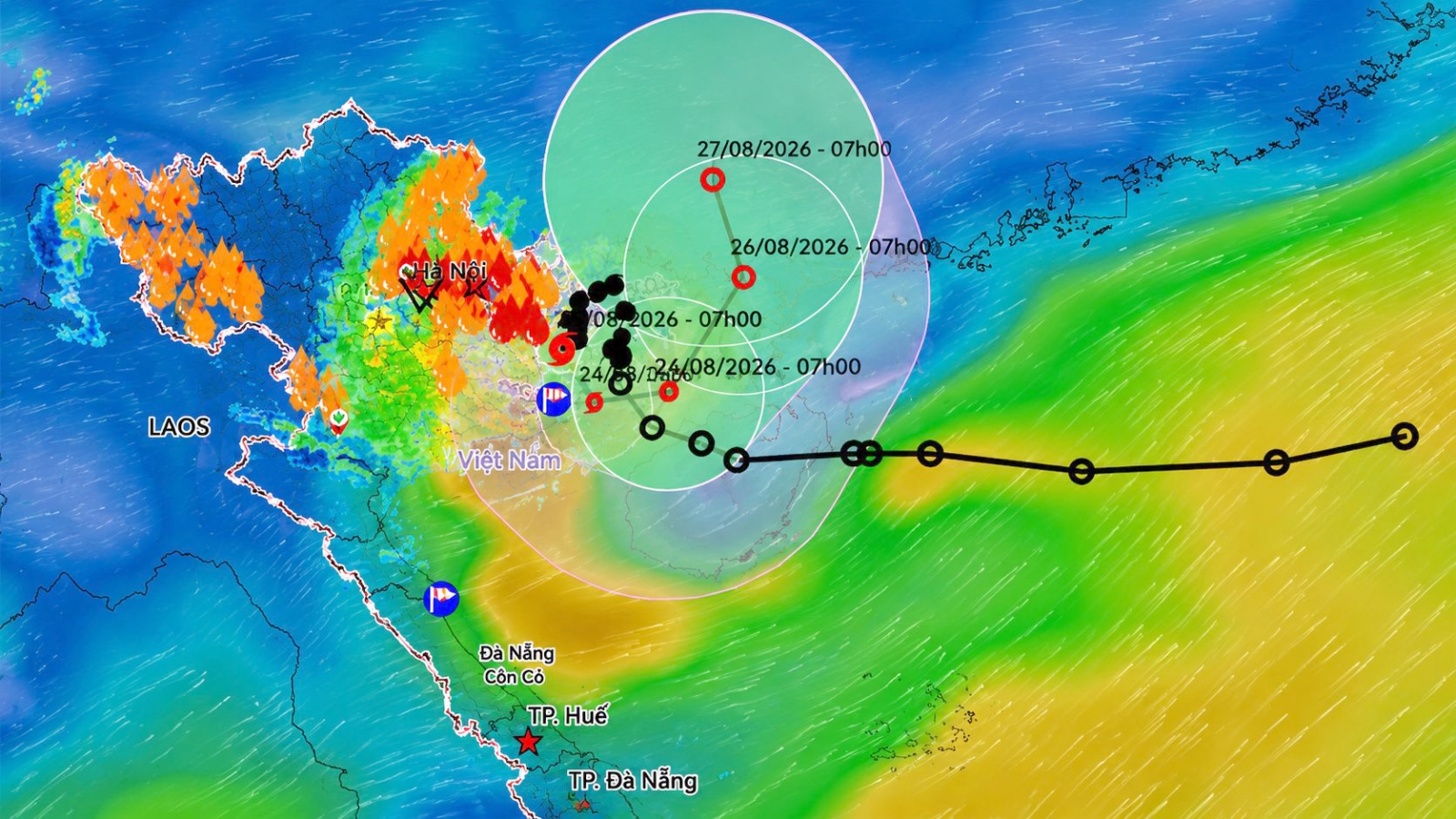
Slow-moving Typhoon Narra raises flood, landslide risks in northern Vietnam
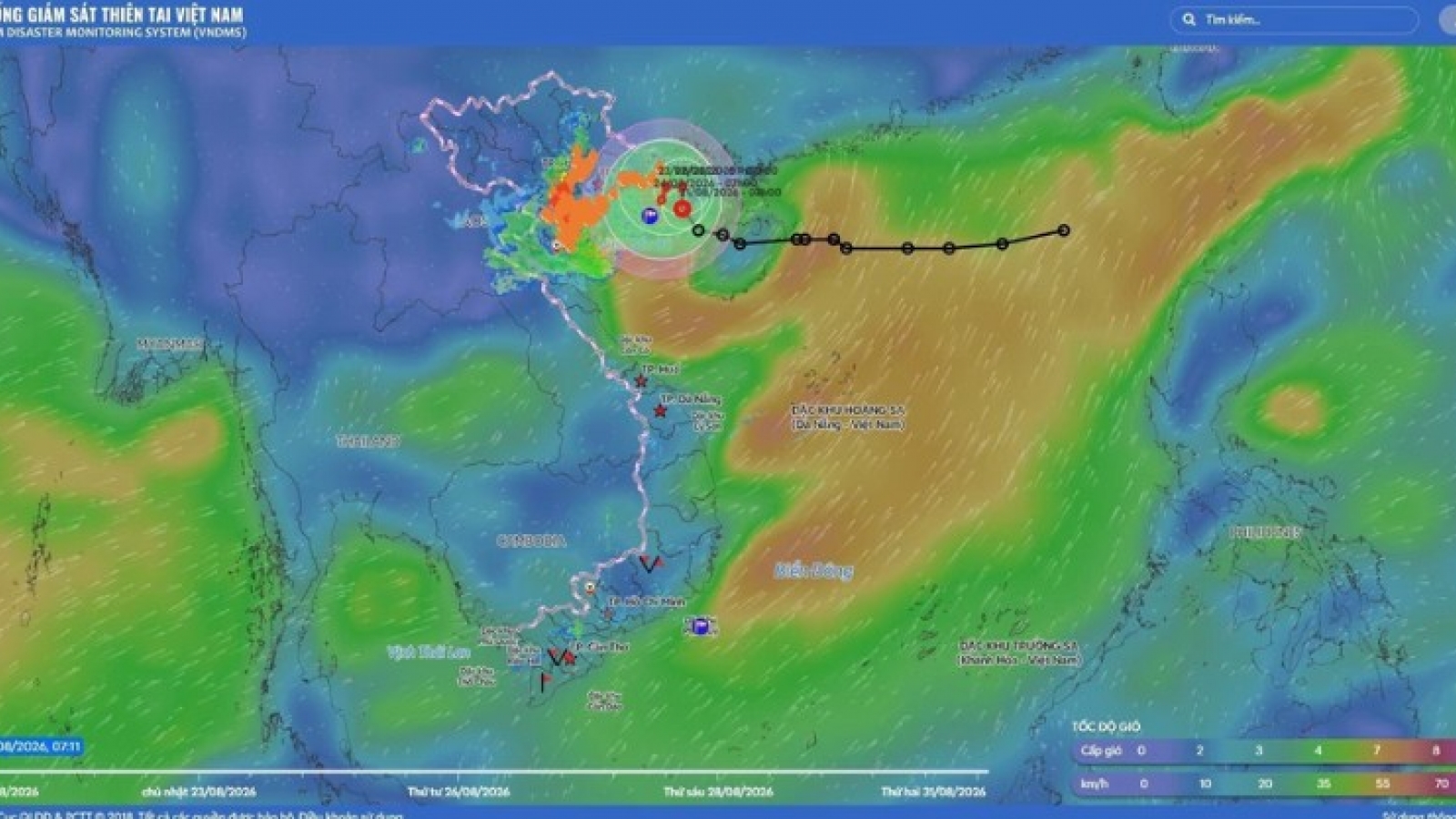
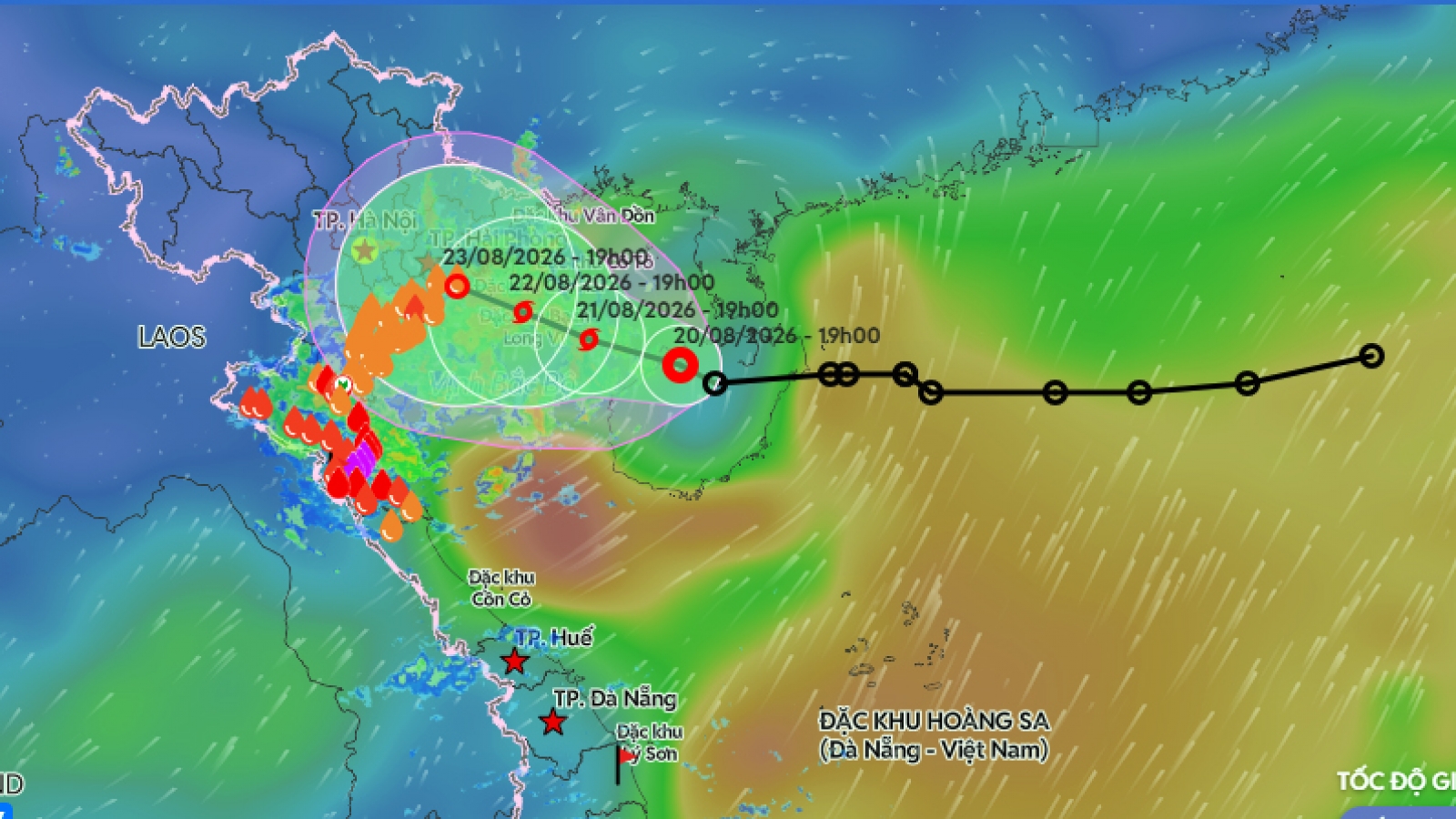
VOV.VN - Typhoon Narra is moving very slowly over the northern Gulf of Tonkin as heavy rain continues across northern Vietnam, with already saturated ground and rising river and stream levels increasing the risk of flooding, flash floods and landslides.