People’s health and fitness are part of national strength, top leader To Lam says

VOV.VN - People’s health and physical fitness should be treated as part of national strength, with sport integrated into broader strategies for human development, population quality and human resources, General Secretary of the Communist Party of Vietnam Central Committee and President To Lam has said.
The approach puts physical education and sport beyond the scope of a purely cultural and social activity, linking them instead to the development of a healthy population, a high-quality workforce and the country’s long-term development.
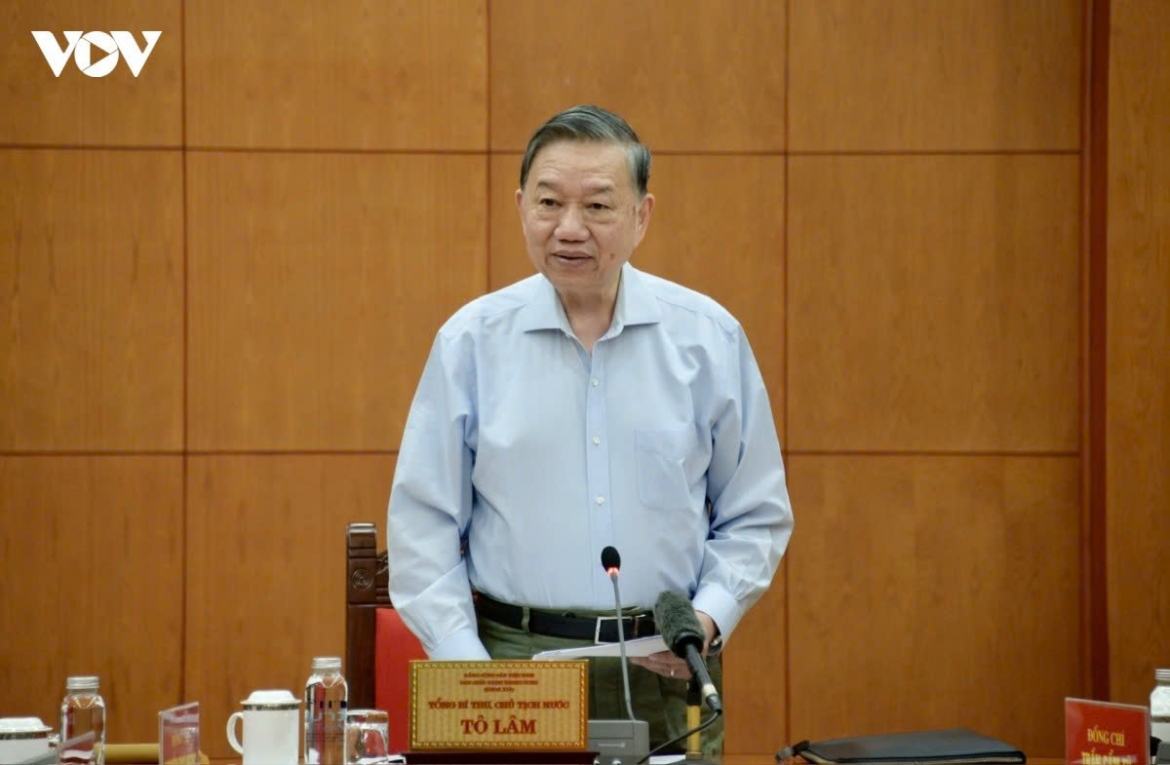
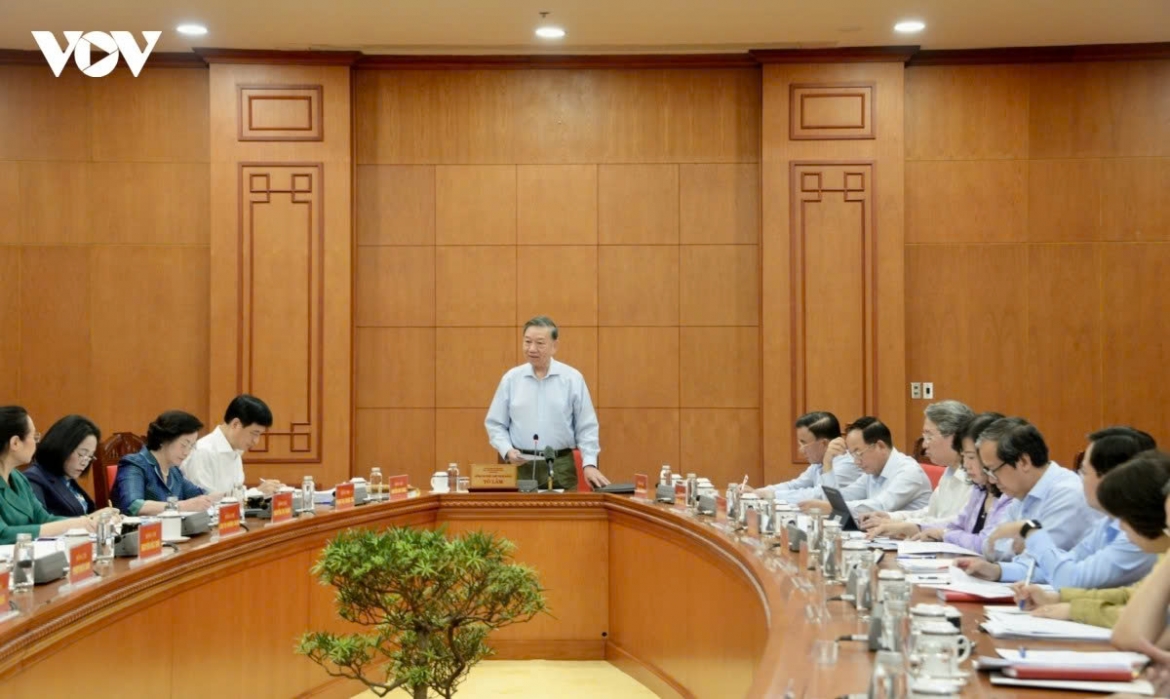
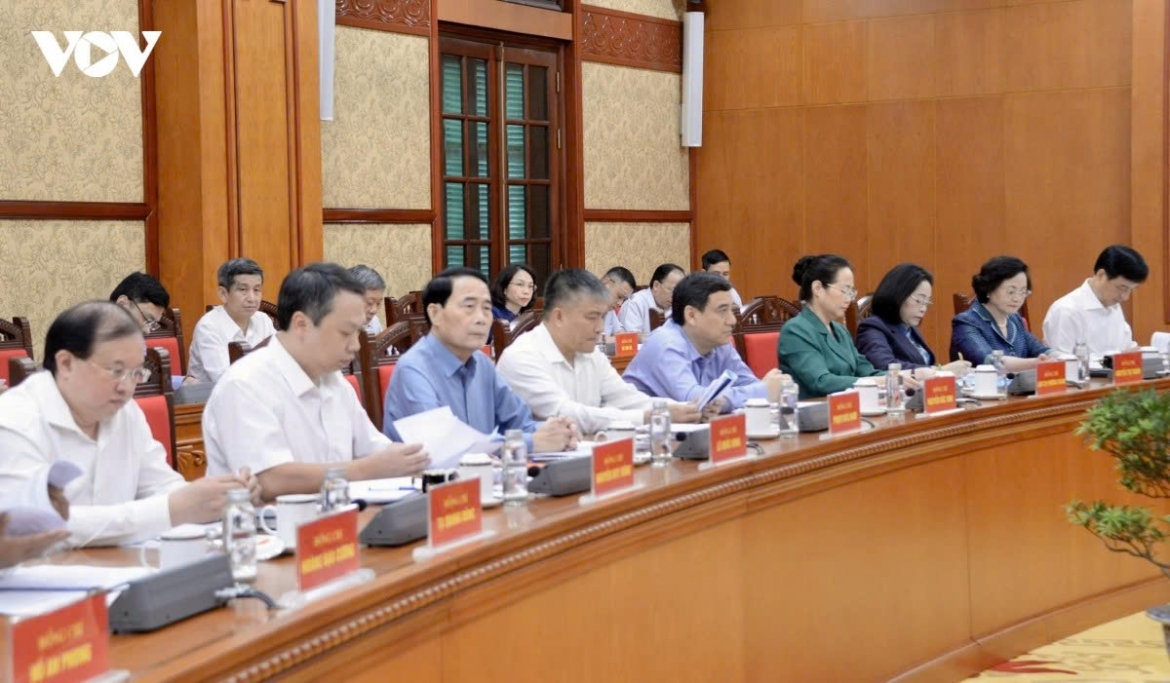
The remarks were made by the top leader at a meeting in Hanoi on October 2 to review the implementation of Politburo Resolution No. 08-NQ/TW, dated December 1, 2011, on strengthening Party leadership to create strong development in physical education and sports through 2020, and Conclusion No. 70-KL/TW, dated January 31, 2024, on sports development in the new period.
The meeting brought together the Government Party Committee, the Party Committee of the Ministry of Culture, Sports and Tourism and relevant agencies.
Sport as part of human development
Party General Secretary and State President To Lam praised the efforts of ministries, sectors, localities, social organisations, coaches, athletes, experts and the wider community in developing physical education and sports in recent years.
According to him, Resolution No. 08 provided an important political foundation for the sector, while Conclusion No. 70 set out orientations for sports development in the new period. A comprehensive review of the implementation of Resolution No. 08, together with effective implementation of Conclusion No. 70, is therefore necessary in the current development context.
Particular attention should be given to school sports, with physical education and regular exercise becoming an important part of efforts to improve people’s health, physical fitness, stature and quality of life.
The development of sports facilities also needs to be incorporated into broader planning. Industrial parks, urban areas and new residential areas should have appropriate spaces for exercise and physical activity. Where new investment is not yet possible, existing public facilities should be used more effectively.
The broader objective is to make regular physical activity more accessible and turn improved health and fitness into a lasting part of people’s quality of life.
“A country that wants to develop rapidly and sustainably must have generations of people who are healthy, physically fit, have a habit of exercising and enjoy an increasingly high quality of life,” General Secretary and President To Lam stressed.
Rebuilding the high-performance sports system
For high-performance sport, he said, the focus is shifting towards a more concentrated and long-term investment model, with resources directed towards priority disciplines and athletes with potential to achieve international results.
Talent identification should be followed by systematic training and adequate support, rather than leaving athletes to arrange basic conditions for themselves. The development process needs to cover the entire sporting career, from early identification and selection to international competition and preparation for the next generation.
Management mechanisms for athletes and national teams also need to be reviewed, with authority, duties and responsibilities clearly assigned.
For priority athletes, long-term programmes should set out performance targets, competition schedules, training plans, nutrition, sports medicine, recovery and the resources required for each stage. Selection needs to follow transparent and stable professional criteria, with regular assessment and appropriate feedback.
“I propose that the Ministry of Culture, Sports and Tourism rebuild the model for developing high-performance athletes around a long-term cycle, including early identification, proper selection, systematic training, targeted investment, international competition, comprehensive care, regular assessment and development of the next generation,” he said.
Such an approach would allow investment to be concentrated where it can produce results, create more stable conditions for athletes and coaches, and establish a stronger pipeline of successors for national teams.
Developing a sports economy
Another priority is the mobilisation, allocation and effective use of social resources for sports development.
The socialisation of sports and the mobilisation of non-State resources have been part of the policy framework, but their impact has not yet matched expectations. Conclusion No. 70 also identified shortcomings in policies related to social participation and the development of the sports economy.
Sport can go beyond being an area of public expenditure to become an economic sector capable of creating value, jobs and new sources of growth.
This requires a more complete sports economy ecosystem, covering investment, services, infrastructure, events, training and other related activities.
A corresponding shift is needed in the way sports facilities are developed and operated, moving away from a model centred on the State both building and operating facilities towards one in which the State creates the conditions, society invests, the market operates and the State provides oversight.
Facilities that the State needs to manage directly should be professionally operated. Where the private sector can invest in and operate facilities effectively, appropriate conditions should be created for its participation.
“We must not allow a situation in which society has capital but lacks mechanisms to invest, while the State has assets but cannot fully realise the value of those assets,” he reminded.
For major and large-scale sports facilities, investment and operating mechanisms should be designed from the outset. Each project needs a clear management model, revenue sources, operating costs, utilisation plans, maintenance responsibilities and a mechanism for assessing its socio-economic effectiveness throughout its life cycle.
Turning plans into measurable results
The next stage is to translate existing policies and strategies into specific tasks with clear responsibilities and measurable outcomes.
Party General Secretary and State President To Lam suggested that all tasks set out in Resolution No. 08, Conclusion No. 70 and related strategies and programmes should be reviewed. In the fourth quarter of 2026, they need to be classified into three groups: those that have been completed; those that are behind schedule but can still be addressed within the responsible agency’s authority; and those beyond its authority that require proposals to higher-level bodies.
From 2027, each priority task should have a clearly identified lead agency, coordinating agency and person responsible, together with a defined output, deadline and the conditions required for implementation.
Problems should not simply be carried from one annual report to the next under the general heading of “difficulties and obstacles”. Each issue needs to be clearly identified, along with where it lies, who is responsible for addressing it and when it is expected to be resolved.
Issues within an agency’s authority should be handled proactively. Where a matter requires action beyond that authority, the specific issue and the agency responsible for proposing a solution should be identified clearly.
Implementation should also be monitored regularly rather than assessed only at the end of a policy period. Six-month reviews can help identify tasks that are falling behind, adjust implementation where necessary, expand successful models and clarify the causes and responsibilities behind underperformance.
The ultimate measure of sports policy, therefore, is not simply how many tasks have been completed, but whether those policies produce tangible and sustainable improvements in people’s health, athletic development, sports infrastructure and the wider sports economy.
“The ultimate goal is not to complete a sufficient number of tasks, but to create changes that can be seen, measured and sustained in practice,” the leader said.
Around 7,000 athletes to compete at Sports Festival 2026
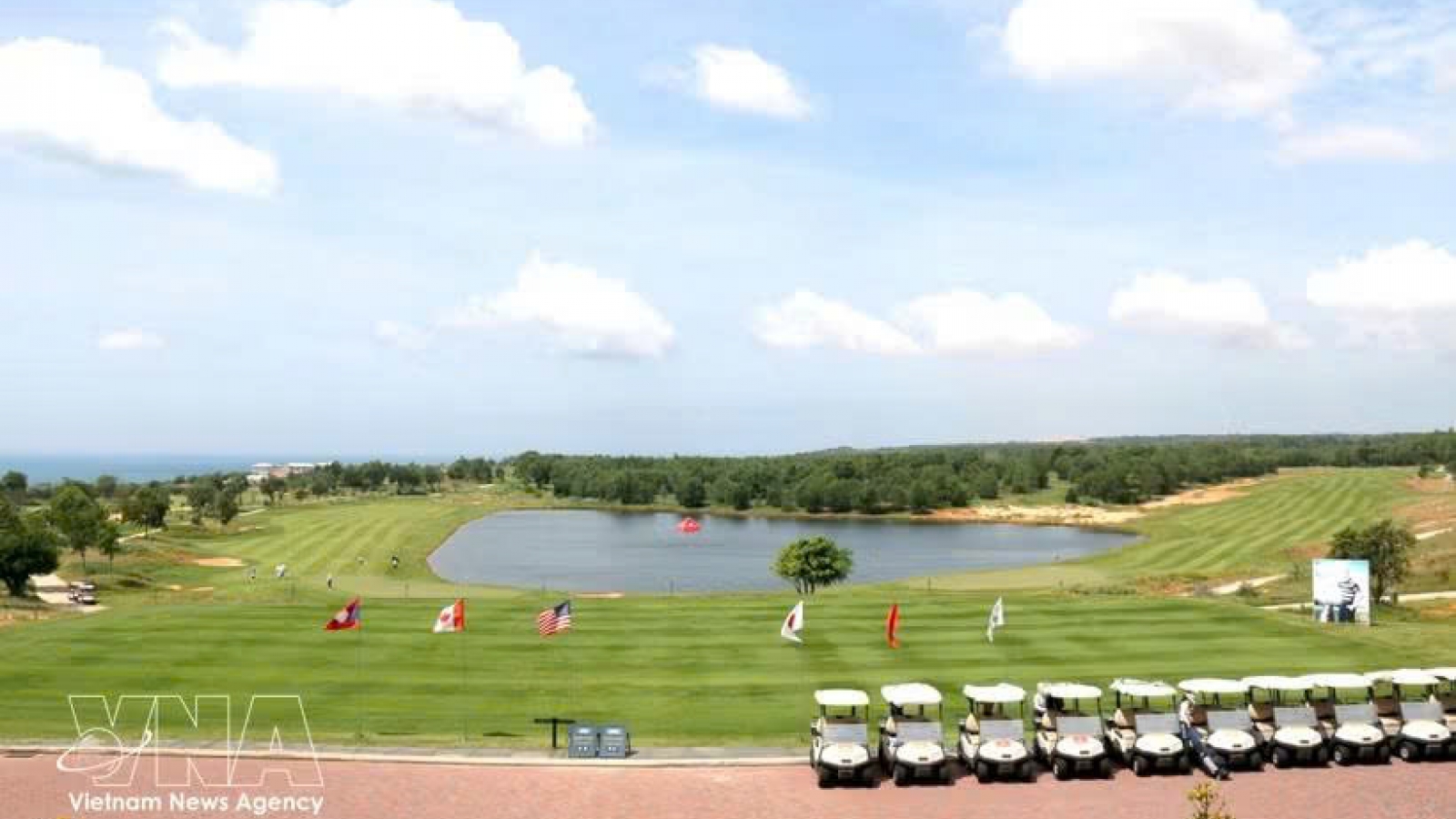
Around 7,000 domestic and international athletes will compete at Sports Festival 2026, scheduled to take place from July 27 to September 22 at NovaWorld Phan Thiet in Lam Dong province, a meeting on July 17 heard.