Vietnam’s message to the world: Peace, people and technology for humanity

VOV.VN - The message Vietnam brought to the 81st session of the United Nations General Assembly recently held in New York reflects its approach to a changing world, with peace, human-centred development and responsible technology governance at the heart of its vision.
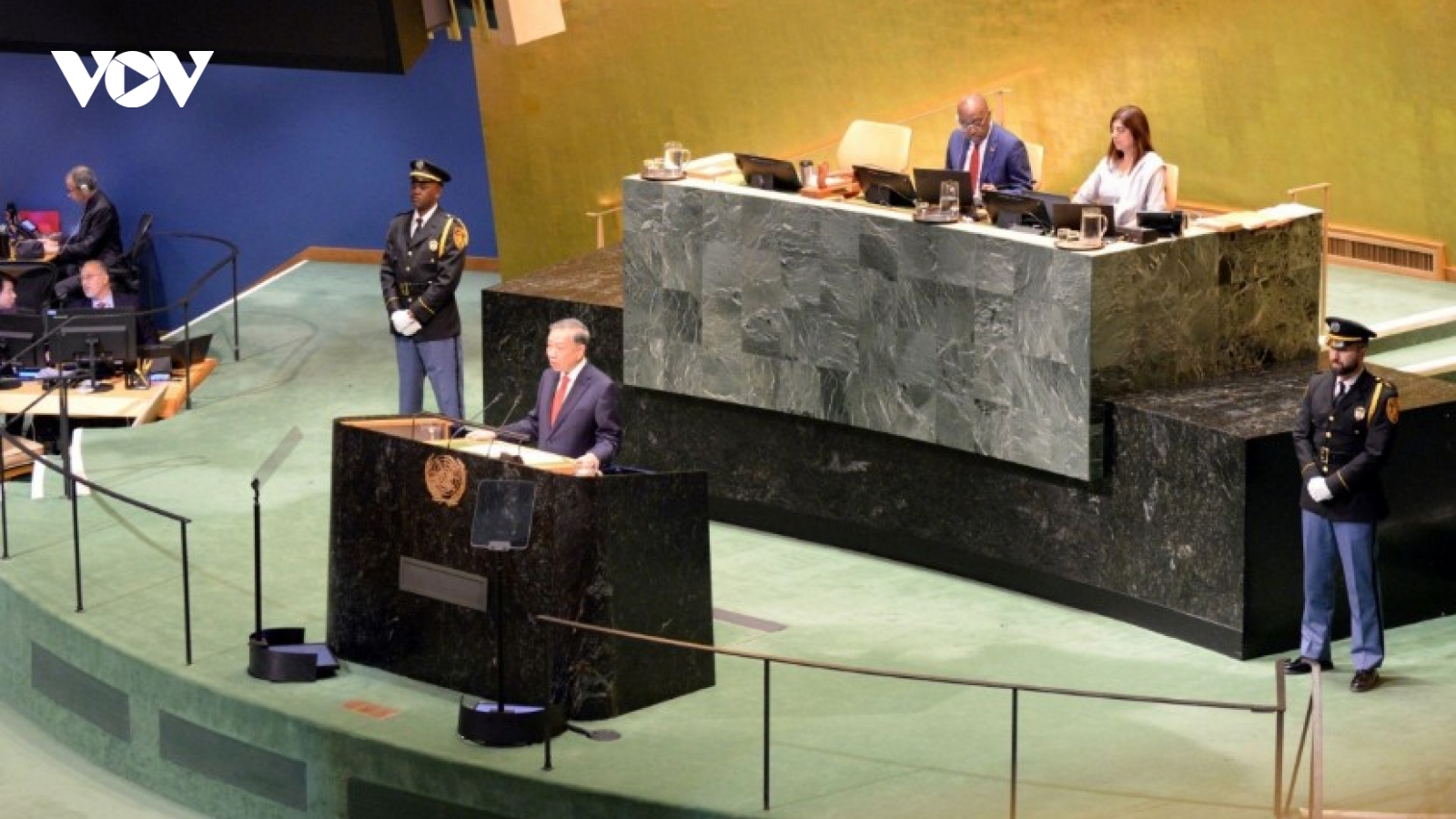
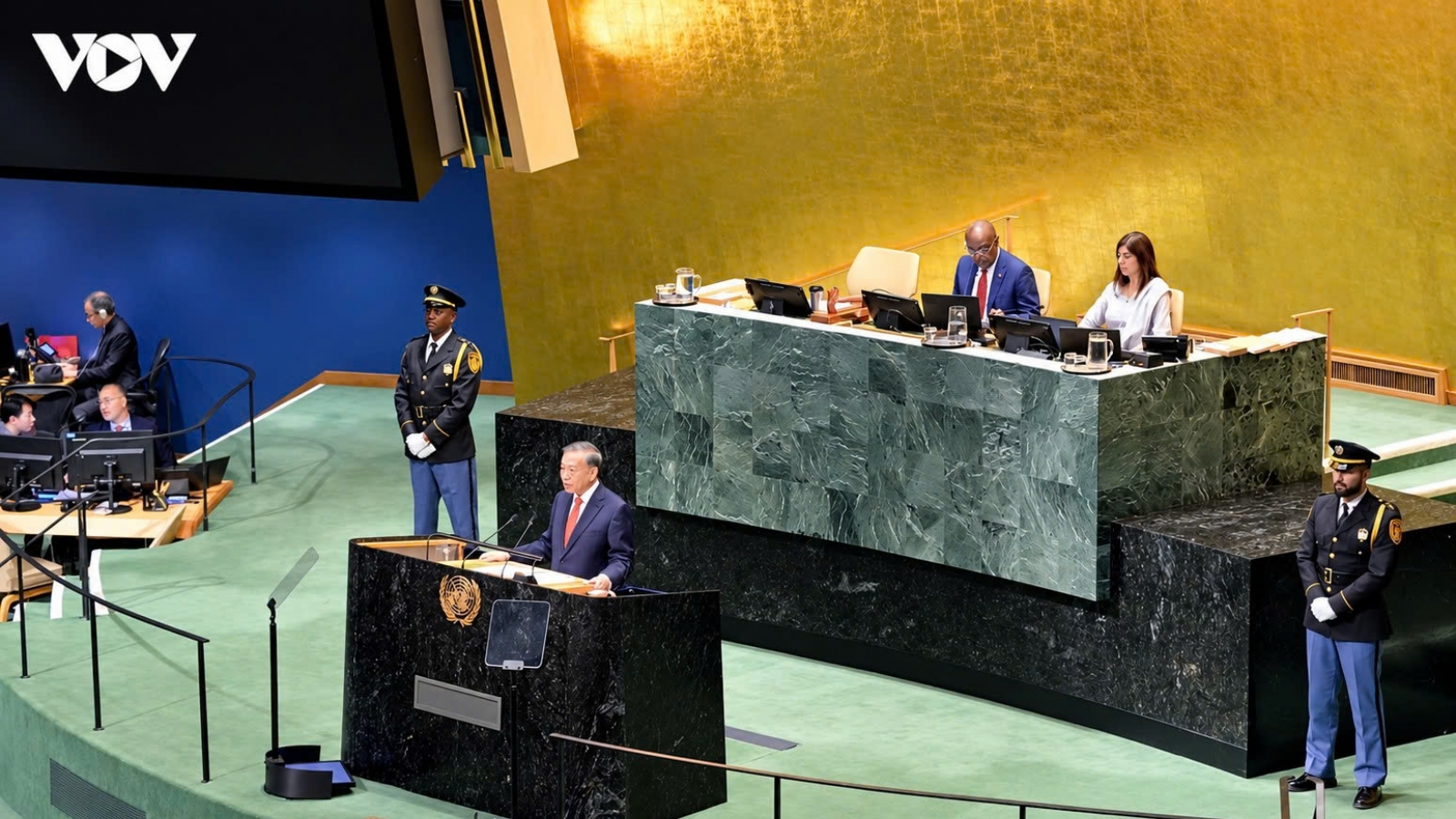
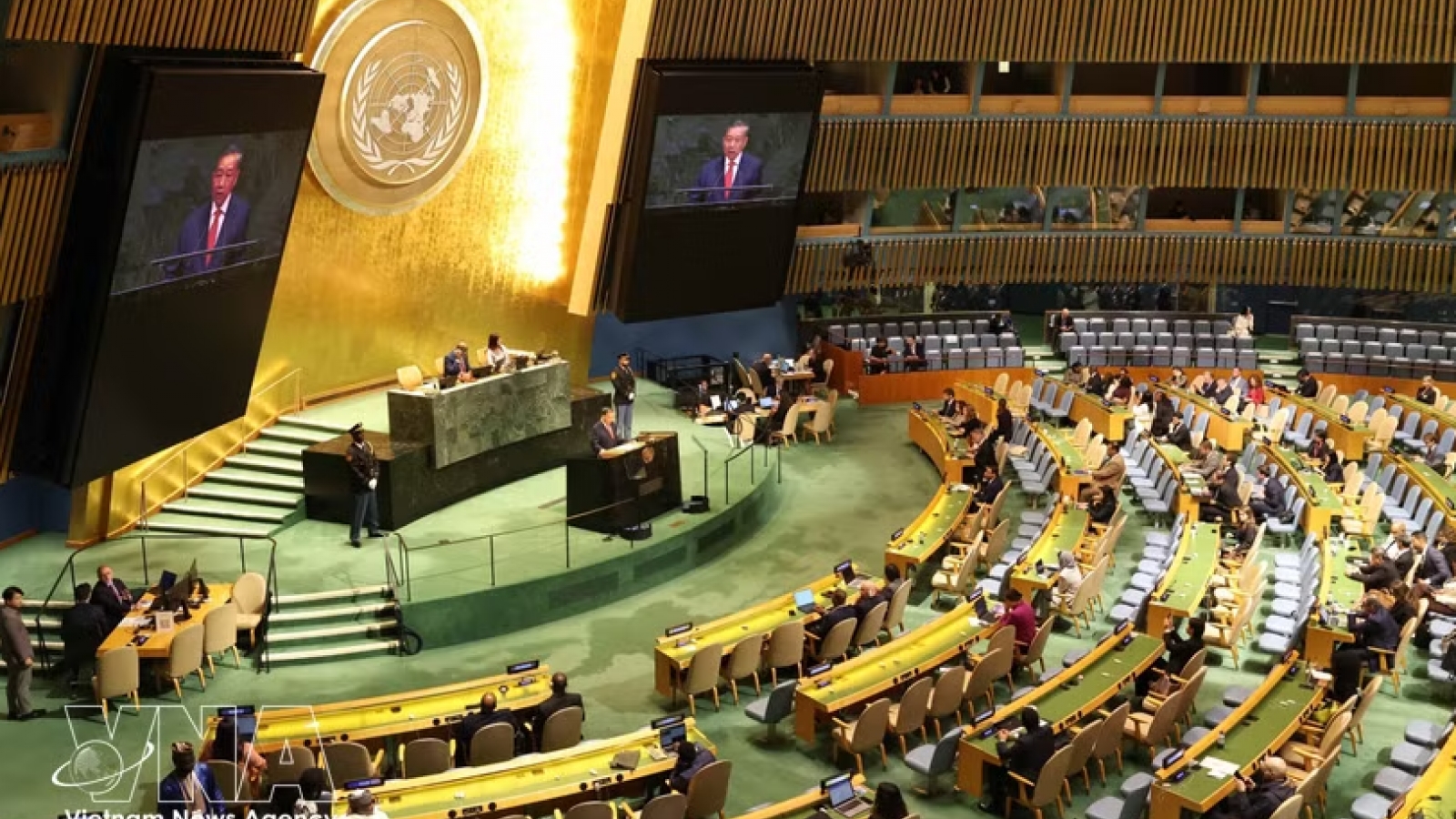
At the High-Level General Debate of UNGA 81 in late September 2026, General Secretary of the Communist Party of Vietnam Central Committee and President To Lam delivered a message centred on restoring trust, advancing human-centred development and promoting responsible technology governance. The address reaffirmed Vietnam’s commitment to international law, peace and inclusive development.
For peace and people
Dr. Dang Vu Canh Linh, deputy director of the Institute for Training, Capacity Building and Scientific Research under the Central Committee of the Vietnam Fatherland Front, highlighted three closely connected issues in General Secretary and President To Lam’s address. They were safeguarding peace on the basis of respect for independence and sovereignty, promoting people-centred development, and strengthening self-reliance alongside proactive international cooperation.
Taken together, these issues reflect the close relationship between the conditions for development, the goals of development and the capacity to achieve them.
The message demonstrates Vietnam’s consistent adherence to principles, along with its emphasis on dialogue and cooperation in addressing international issues. Sustainable peace depends on respect for the independence, sovereignty and legitimate interests of countries. Dialogue must continue even when differences remain, and cooperation should be based on equality and respect for international law.
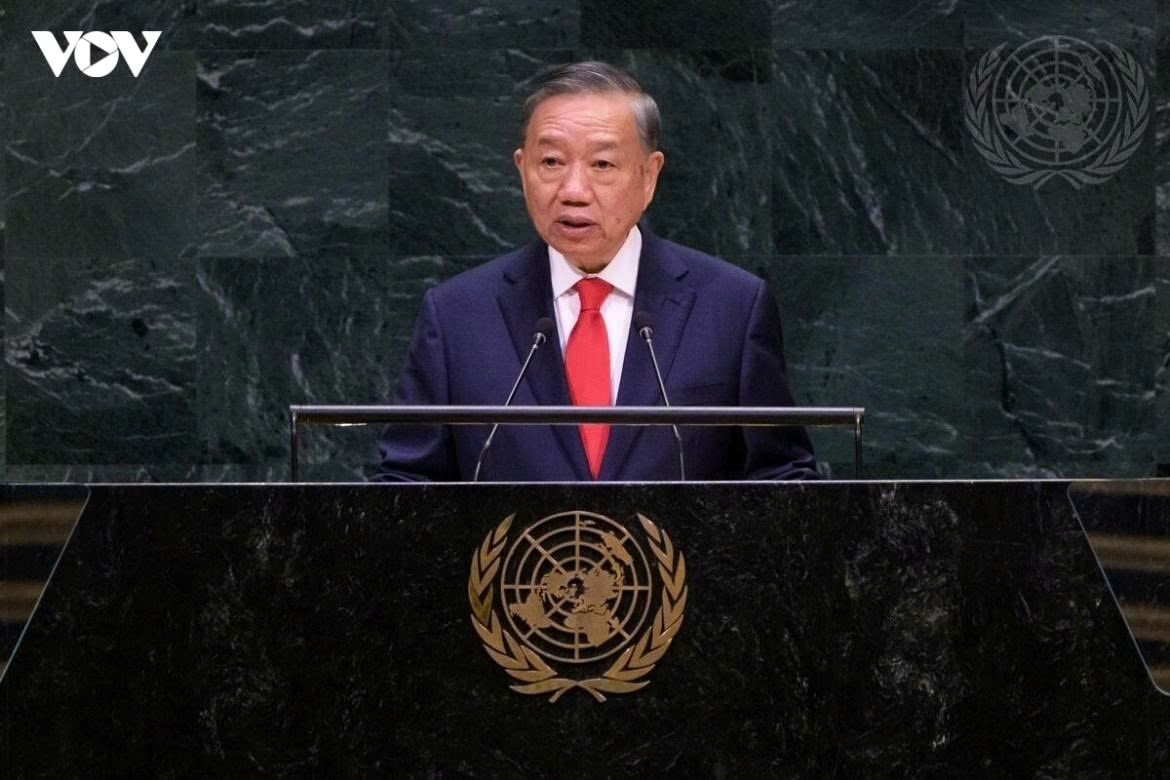
According to Dr Linh, the discussion of the East Sea issue in the speech clearly reflected this approach. Vietnam is committed to resolving disputes by peaceful means in accordance with international law, particularly the 1982 United Nations Convention on the Law of the Sea, while firmly safeguarding its sovereignty, sovereign rights and jurisdiction.
“The sea and oceans must be spaces for peace, cooperation, connectivity and sustainable development. These goals are closely linked to protecting national interests as well as maintaining a peaceful, stable and cooperative regional and international environment,” he stressed.
From a theoretical perspective, Dr Linh highlighted the emphasis on linking economic growth with social progress and equality, environmental protection and people’s livelihoods. In this view, economic gains should translate into greater opportunities for people, particularly vulnerable communities, to live, study, work and benefit from development. Social equality should therefore be considered from the policy-design stage through to implementation.
This is consistent with Vietnam’s development approach and with proposals advanced on the global stage. Putting people at the centre means that commitments on finance, trade, climate and technology should ultimately be assessed by their impact on people’s lives. The gap between a commitment on paper and an improved quality of life needs to be narrowed through concrete resources, clear implementation mechanisms and corresponding responsibility.
Turning principles into practical action
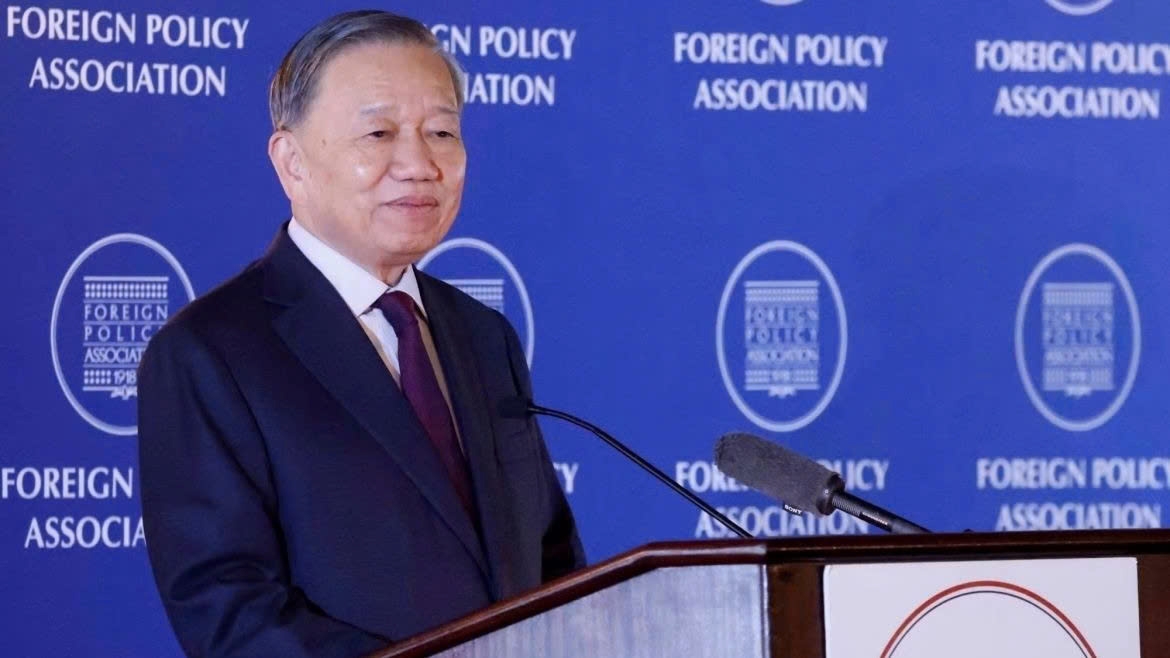
Highlighting the way the speech connects strategic self-reliance with proactive international integration and equal cooperation, Dr Linh noted that Vietnam’s participation in UN peacekeeping operations was a vivid example.
From a country that once received assistance for reconstruction, Vietnam has developed into a country contributing personnel, experience and responsibility to the international community. The consistency between its positions and practical actions, he said, gives greater weight to Vietnam’s message.
The core message conveyed at the High-Level General Debate of the 81st UN General Assembly is that countries should work together to steer global change towards peace, cooperation and development, based on the UN Charter and international law and for the benefit of their people.
General Secretary and President To Lam raised a fundamental point in the speech. Global change is an objective process, but its direction depends on the awareness, choices and responsible actions of individual countries. The legitimate interests of each country should be linked to common interests, with respect for the right of other nations to development.
Changes in the balance of power, competing interests or differences in political systems do not necessarily lead to conflict. What matters is how countries respond, respect common principles, maintain dialogue and honour their commitments. The speech therefore both identifies international risks and emphasises approaches to preventing confrontation and shaping the future.
From the perspective of a country that actively contributes to peace and promotes dialogue and international cooperation, Vietnam’s emphasis on restoring trust is particularly significant. International trust cannot be built through words alone. It requires consistent actions, respect for independence, sovereignty and territorial integrity, and serious implementation of commitments, Dr Linh stressed.
When common principles are applied selectively, mistrust grows and cooperation becomes more fragile. Restoring trust must therefore go hand in hand with strengthening the legal foundations needed to address challenges that no country can resolve alone.
The four priorities outlined in the speech are closely linked. They focus on restoring trust and upholding international law, promoting inclusive and sustainable development, ensuring that technological progress benefits people, and strengthening multilateral cooperation through the United Nations.
In a world marked by volatility and uncertainty, the speech reaffirmed Vietnam’s consistent foreign policy orientation of independence, self-reliance, peace, friendship, cooperation and development, as well as multilateralisation and diversification of external relations.
Drawing on its historical experience, Vietnam understands that peace must be safeguarded through sustained efforts, independence strengthened through self-reliance, and long-term development supported by a stable environment for cooperation. The country’s voice at the United Nations therefore links national interests and responsibilities with broader international concerns.
Technological progress must serve people
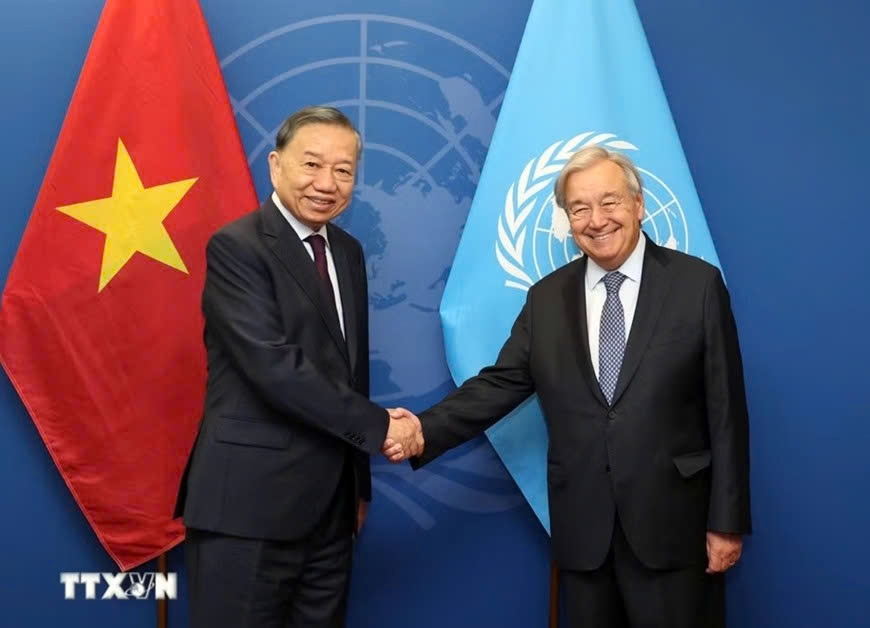
Another strategic point in the speech was its direct reference to science and technology, digital transformation and artificial intelligence (AI), with an emphasis on proactively shaping technology governance to serve common development.
This is consistent with Vietnam’s orientation towards science, technology, innovation and digital transformation set out in the documents of the 14th National Party Congress. It also extends that perspective to the global level by linking technological development with national sovereignty and social equality.
Technological progress does not automatically produce social equality. Countries with stronger infrastructure, data resources, human capital and research capacity are better positioned to harness AI. Those lacking such conditions risk becoming increasingly dependent and being left out of rule-making processes. Institutions, ethical standards and global oversight mechanisms therefore need to develop alongside technological change.
The speech highlights three key priorities for technology governance. Technological development should be inclusive and serve people’s interests. Developing countries should have a meaningful role in shaping global rules and governance frameworks, supported by investment in infrastructure, human resources and technology transfer to help narrow the digital divide. Ultimately, technological progress should deliver tangible benefits to people’s lives.
“The profound value of the message lies in placing political and social responsibility alongside technological innovation, with people at the centre and as the ultimate goal of development. The measure of technological progress should be progress in people’s lives, reflected in stronger capabilities, protected dignity, broader opportunities and improved quality of life,” Dr Linh concluded.
A proactive, constructive and responsible Vietnam
VOV.VN - General Secretary of the Communist Party of Vietnam Central Committee and President To Lam’s policy speech at the US Foreign Policy Association (FPA) went beyond bilateral Vietnam-US relations to outline a broader perspective on Vietnam’s role in a changing international environment, with responsibility emerging as a central theme.