Experts highlight Vietnam’s proactive role in shaping global affairs

VOV.VN - Experts say Party General Secretary of the Communist Party of Vietnam Central Committee and President To Lam’s UNGA 81 address reflects the country’s more proactive role in addressing global challenges and contributing to a more peaceful, equitable and inclusive international environment.
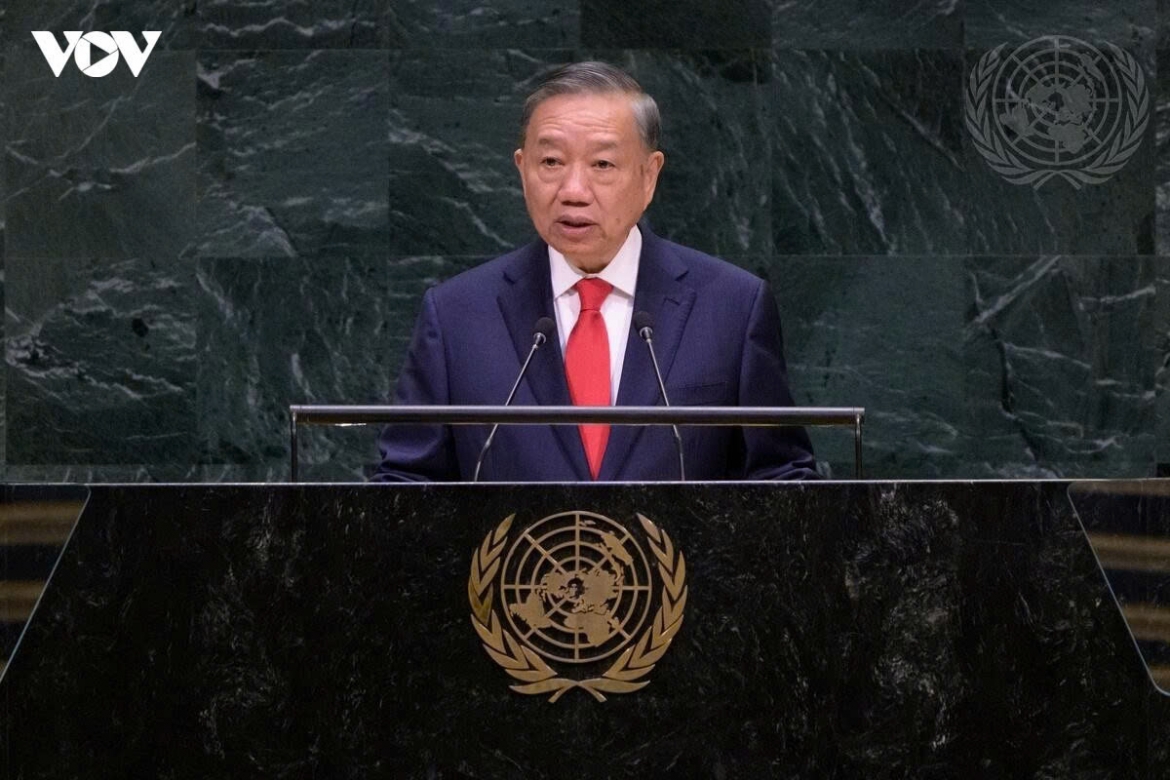
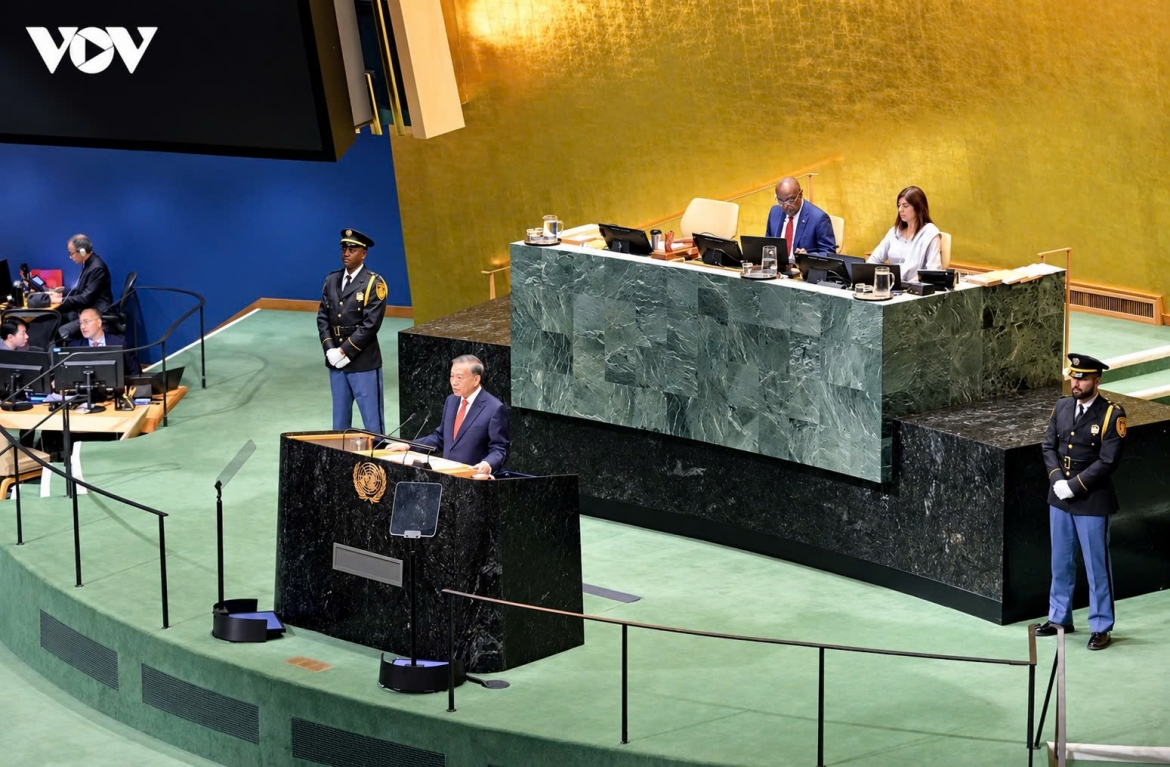
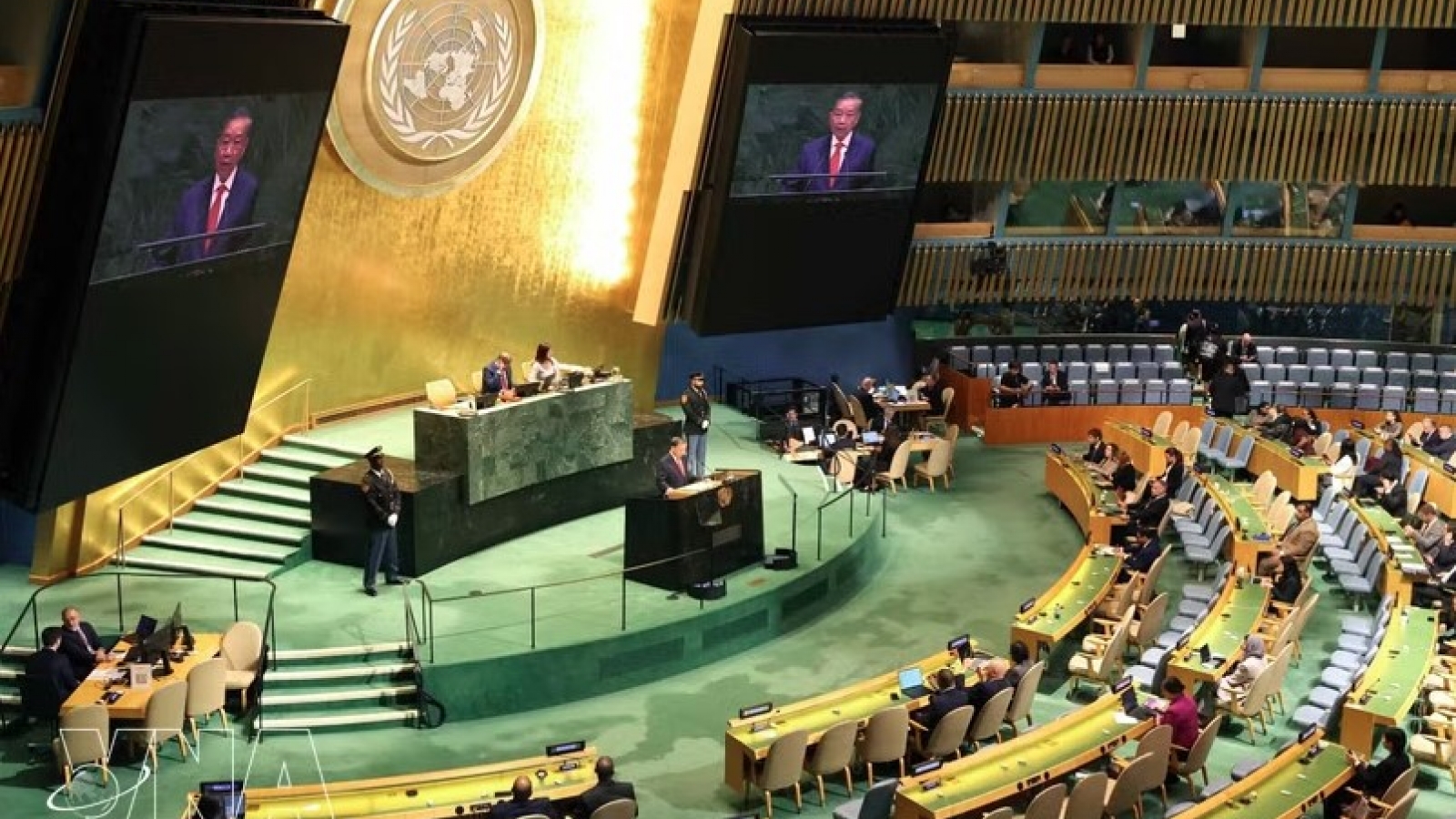
Their assessment follows an analysis of General Secretary and President To Lam’s address at the High-Level General Debate of the 81st session of the United Nations General Assembly in New York on September 22 (local time), where he reaffirmed Vietnam’s commitment to multilateralism, the central role of the United Nations, and respect for the UN Charter and international law.
Given profound global changes, the address focused on restoring trust, managing differences, promoting equitable development and strengthening cooperation in emerging areas such as technology and artificial intelligence. The theme of the 81st UN General Assembly also centres on “Restoring trust, managing transformation: a United Nations that delivers for all.”
From historical experience to a message of peace
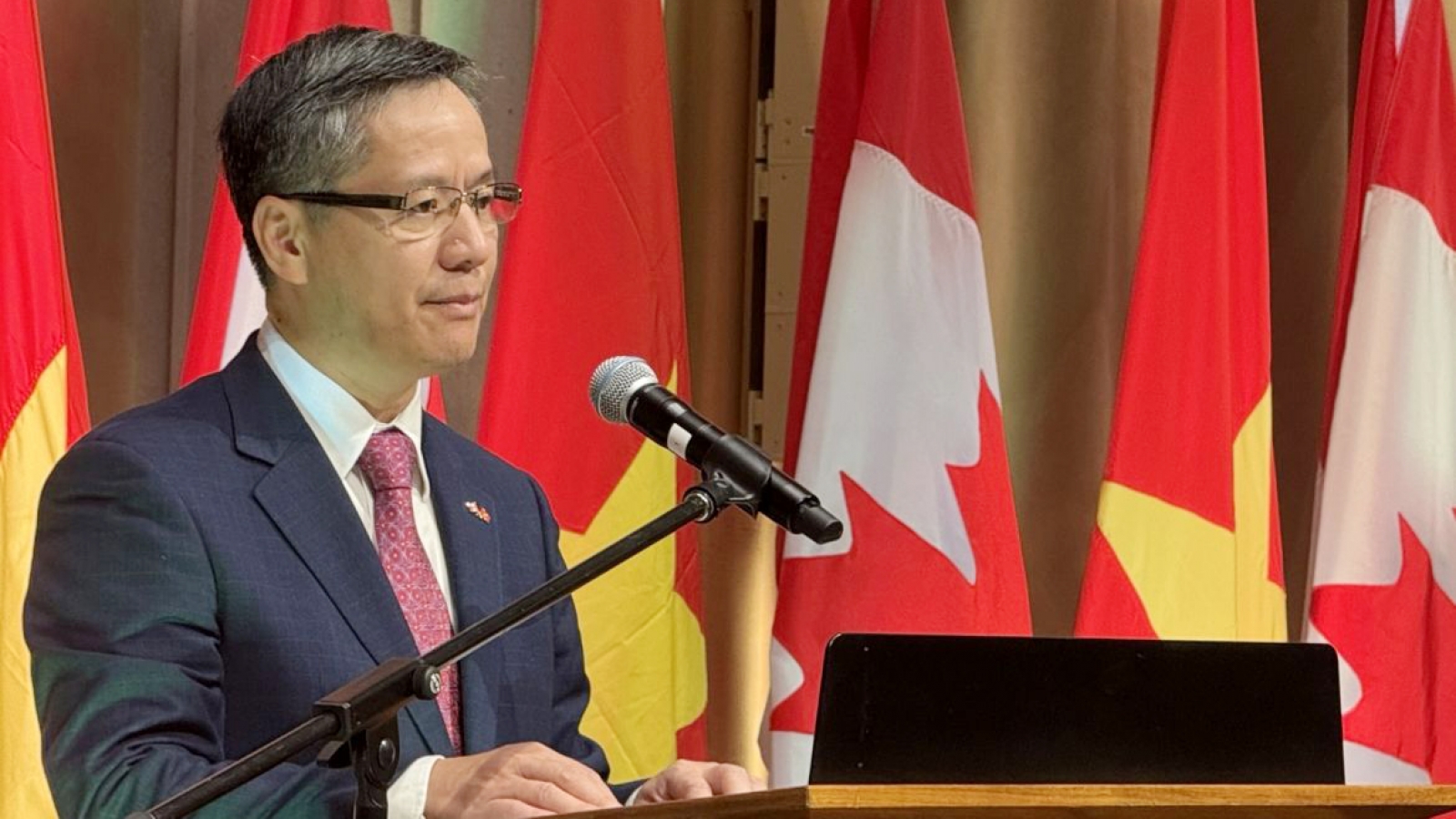
Nguyen Quang Khai, former Vietnamese Ambassador to Iraq, the United Arab Emirates and several Middle Eastern countries, viewed the top leader’s address as a clear reflection of Vietnam’s independent and self-reliant foreign policy and its role as a responsible member of the international community.
The emphasis on peace and trust at the UN, he noted, carries particular significance for a country that has experienced multiple wars and a prolonged period of encirclement and embargo.
“As a nation that has endured many devastating wars for national independence and reunification, as well as years of encirclement and embargo, Vietnam attaches particular significance to the message of ‘restoring trust and managing transformation’ delivered by its top leader at the world’s largest global international forum, which plays a central role in the multilateral system. This message carries profound significance, rooted in Vietnam’s own hard-learned historical lessons,” Khai said.
Dr. Tran Bach Hieu, Dean of the Faculty of Economics, Law and International Relations at Thai Binh University, identified a central message in the speech: change is inevitable, but conflict and confrontation are not. The address recognises objective shifts in the international environment while emphasising that how differences are handled remains a matter of choice and responsibility. Vietnam’s own history, he noted, provides a practical basis for promoting dialogue, cooperation and common principles.
“Power competition cannot become a pretext for legitimising war. From this perspective, Vietnam affirms that peace must be built through policy choices, restraint and concrete mechanisms for cooperation. Having experienced war, Vietnam understands the value of independence and peace,” Hieu said.
Four directions for a changing world
Ambassador Ton Sinh Thanh, former Vietnamese Ambassador to India, Nepal, Bhutan and Sri Lanka, placed the top leader’s address in the context of profound shifts in international relations, a more fragmented global economy, growing barriers to trade, investment and technology, as well as risks associated with arms races and new forms of advanced weaponry.
Against this backdrop, To Lam outlined four major directions, beginning with the restoration of trust through respect for the UN Charter and international law, responsible management of differences and leadership by major powers that sets an example. He also placed equitable, inclusive and sustainable development alongside the implementation of commitments under the Pact for the Future and the 2030 Agenda.
Another priority was stronger governance of technology and artificial intelligence, aimed at narrowing development gaps, preventing new forms of dependency and safeguarding digital sovereignty. The address also underscored the need to strengthen multilateralism and the central role of the United Nations at a time when international cooperation is facing growing pressure.
Thanh described these directions as reflecting a more active and proactive approach in Vietnam’s foreign policy, with the country contributing to efforts to address shared global challenges.
Similarly, Dr. Tran Bach Hieu Hieu pointed to the East Sea issue as a concrete example. Vietnam has consistently pursued the peaceful settlement of disputes on the basis of international law, particularly the 1982 United Nations Convention on the Law of the Sea (UNCLOS), while firmly defending its sovereignty, sovereign rights and jurisdiction. In this context, peace is closely tied to steadfastness in principle, he noted.
Vietnam’s support for the Palestinian people’s right to self-determination and a two-state solution, together with its call for an end to the blockade and embargo against Cuba, further reflects its position on national rights and the right to development. Independence and self-reliance, from this perspective, are demonstrated by the ability to assess international issues on the basis of principles and articulate clear positions.
Sharing this view, Ambassador Nguyen Quang Khai stressed that Vietnam seeks to strengthen its comprehensive relations with the United States, but continues to call on Washington to end what Vietnam considers an unjust unilateral blockade and embargo against Cuba and remove the country from the list of state sponsors of terrorism.
Vietnam’s strong support for the Palestinian people’s cause and a two-state solution to the Israeli-Palestinian conflict, Khai held, reflects the country’s commitment to its principles and the consistency of its foreign policy.
Taking an active role in shaping emerging fields
Equity, meanwhile, must be reflected in people’s access to resources and their ability to participate in decisions that directly affect the future of their nations. In this context, a people-centred approach becomes a measure of the effectiveness of international cooperation. The value of commitments must ultimately be tested through safer lives, more sustainable livelihoods and broader opportunities for development.
Dr. Hieu viewed this line of argument as bringing global agendas back to their fundamental purpose - serving people. At the same time, it connects Vietnam’s development aspirations with the concerns shared by a broad range of developing countries.
Another point that reflects a forward-looking vision is the call for a proactive approach to shaping technology governance. The observation that “the future of technology does not automatically guarantee equity” touches on a fundamental question of power in the digital age. Gaps between countries could widen further if access to technology and the ability to shape the rules governing it remain concentrated in the hands of a limited number of actors.
The call for developing countries to participate substantively in this process therefore carries strategic significance: opportunities for development must also include the right to help shape the conditions under which development takes place.
The linkage between digital sovereignty, development autonomy and technological cooperation also reflects a proactive understanding of self-reliance. Such autonomy is strengthened through domestic capacity as well as the ability to cooperate on an equal footing.
Dr. Hieu also cited Vietnam’s hosting of the Opening for Signature of the United Nations Convention against Cybercrime in Hanoi in 2025 as an example of the country’s efforts to address a shared challenge through concrete diplomacy and international cooperation.
Linking national interests with international responsibility
This approach is also reflected in Vietnam’s position on reforming the United Nations. The country upholds the organisation’s fundamental principles while supporting institutional reform to improve its effectiveness and safeguard the interests of developing countries. This reflects a pragmatic approach that the credibility of multilateralism needs to be reinforced by the capacity to act. Vietnam’s contributions to peacekeeping and its commitment to deeper engagement help translate its message into responsibility in practice.
“The speech as a whole shows Vietnam’s position through its ability to connect national interests with the common demands of our time. Wisdom lies in recognising the links between peace, equitable development, technology and institutions; resolve lies in consistency in upholding principles; and the power of persuasion lies in contributions that can be verified,” Hieu stressed.
Turning these directions into concrete initiatives and results will continue to determine the weight of Vietnam’s voice. The country is affirming its right to determine its own development path, together with its responsibility to help build an international environment in which other countries can also pursue their aspirations.
Sharing Dr. Hieu’s view, Ambassador Nguyen Quang Khai said, “General Secretary and President To Lam’s address to the United Nations General Assembly demonstrated Vietnam’s position as a peace-loving country that respects international law. Vietnam not only protects its national interests but also works with the international community to contribute to building a fairer world order, free from war and more peaceful.”
During a meeting with US Senator Steve Daines in New York on September 23, the senator praised the Vietnamese leader’s UNGA address, describing Vietnam’s message of responsibility, cooperation and a vision for peace, stability and sustainable development as highly significant in the current international context. Daines also stressed that the world needs more responsible countries like Vietnam.
The messages delivered at the 81st UN General Assembly, the experts concluded, point to a clearer role for Vietnam as a country proactively engaging in global issues - protecting its national interests and development path while contributing to a peaceful, stable international environment conducive to development.
Top Vietnamese leader’s address at UNGA 81 reflects global technology landscape
US technology expert David Ho said General Secretary of the Communist Party of Vietnam Central Committee and President To Lam’s address at the High-Level General Debate of the 81st Session of the United Nations General Assembly in the US accurately reflected the global technology landscape.