Beyond souvenirs: Foreign tourists discover Ho Chi Minh City through shopping

VOV.VN - For many international visitors, shopping in Ho Chi Minh City is more than buying souvenirs; it is a way to discover local culture, meet people and experience the city’s vibrant everyday life.
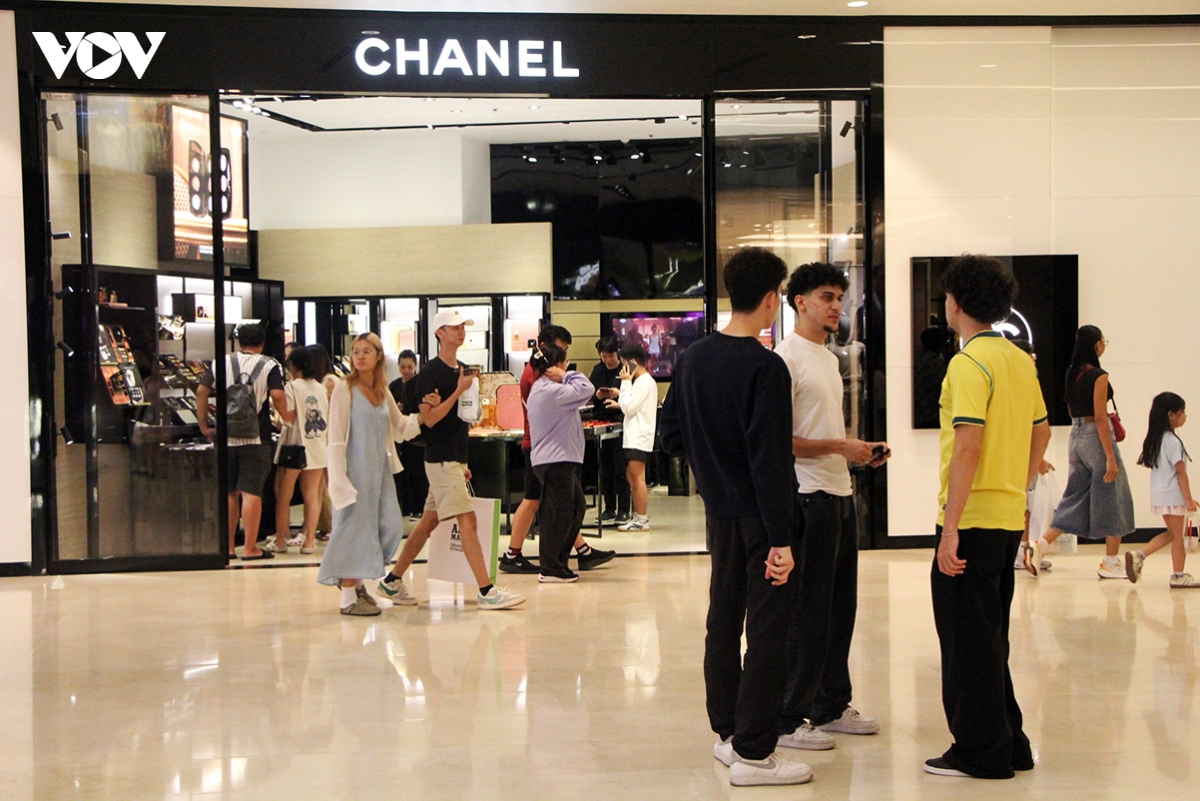
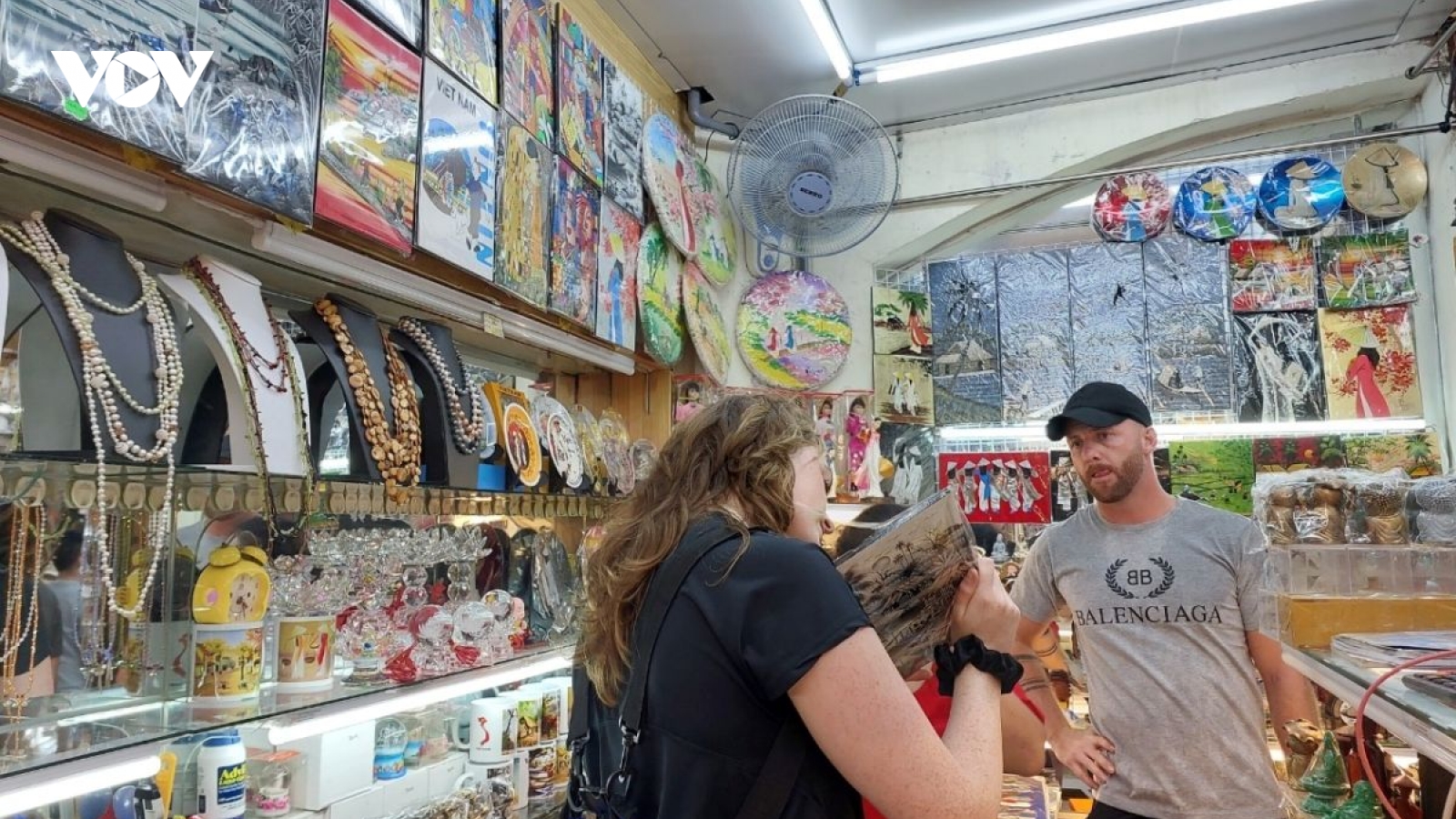
On his first trip to Vietnam, Singaporean visitor Archon Wong spent several days exploring Ho Chi Minh City, from Ben Thanh Market and Saigon Square to local shops and shopping centres.
He bought a range of products, including Vietnamese coffee, snacks, souvenirs for his family, clothing and handicrafts. Among them, products reflecting Vietnamese identity left a particularly strong impression on Wong.
Wong said he was especially drawn to products with a strong Vietnamese identity, as they felt more personal and meaningful than conventional souvenirs.
Compared with Singapore, Wong found that goods in Ho Chi Minh City were available at a wide range of prices and were relatively affordable. For him, however, the greater attraction went beyond price.
He shared that walking through local markets, seeing different products, talking to vendors and observing everyday life around him made shopping part of the journey itself.
When shopping becomes part of the journey
Wong’s experience also highlights a distinctive feature of shopping in Ho Chi Minh City: the boundary between shopping and exploring the city is not always clear-cut.
A market can be a place to buy souvenirs, discover local products and observe everyday life at the same time. A small shop can bring visitors closer to products rooted in Vietnamese culture, while shopping centres offer a more modern experience.

Israeli visitor Eli Dukorski also had a positive impression after visiting several shopping areas in the city. What stayed with him was not only the products on offer, but also the service and friendliness of local people.
Dukorski recalled he had a very good shopping experience in Ho Chi Minh City, particularly enjoying the service, pleasant atmosphere and warm welcome from local people.
It was also his first visit to Asia, making shopping part of his experience of discovering a new region. He described the trip as a new experience, but one that he had greatly enjoyed.
Experiences like these help explain why shopping is increasingly viewed as a component of a tourism product rather than simply a standalone consumer activity.
In the first eight months of 2026, Ho Chi Minh City welcomed nearly 8 million international visitors and more than 35 million domestic tourists, generating nearly VND260 trillion in tourism revenue.
The city is seeking to extend visitors’ stays and increase their spending by developing an ecosystem of shopping, entertainment and experiences. It is also studying duty-free shopping models, simplifying VAT refund procedures and improving service quality at retail outlets serving international visitors.
From local products to modern retail spaces
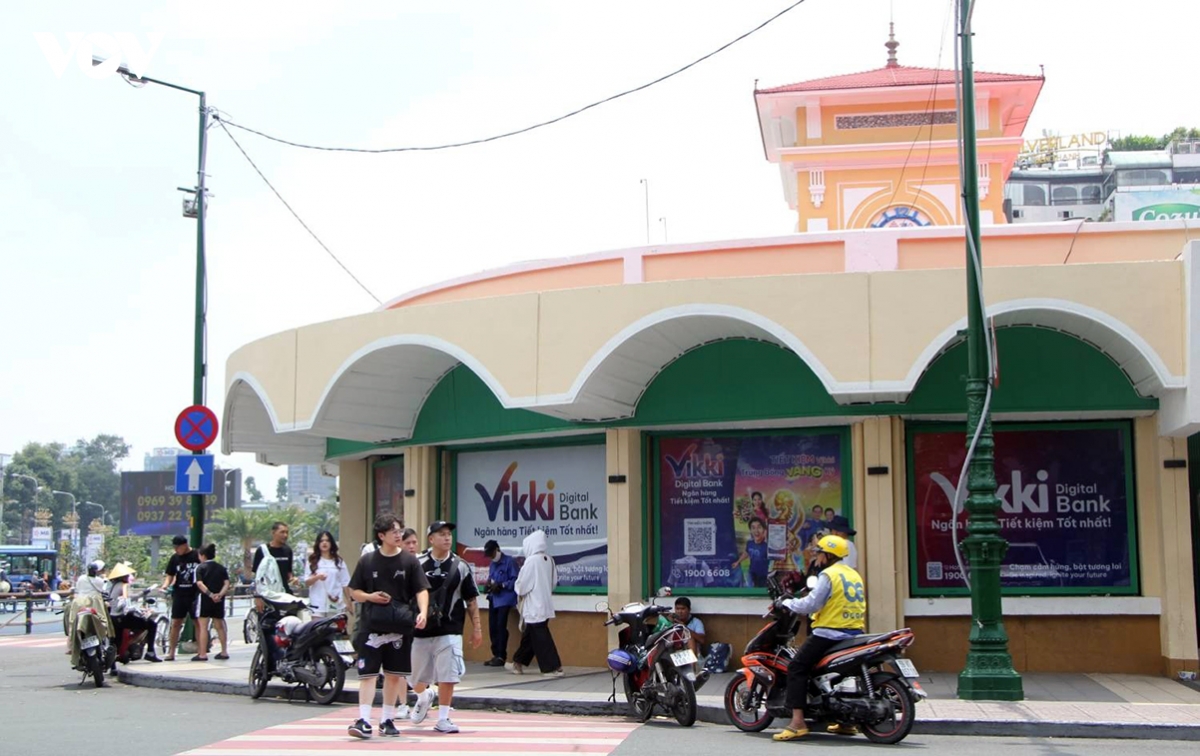
According to Travel And Tour World (TTW), Ho Chi Minh City offers a distinctive shopping experience through its mix of traditional markets, local shops and modern retail centres. The publication ranked the city 16th among the world’s 50 leading shopping destinations for 2026, highlighting local products, handicrafts, coffee and food, as well as shopping areas such as Ben Thanh Market, Saigon Square, Dong Khoi Street, Nguyen Hue Street and the central part of former District 1.
For visitors such as Wong, however, the experience is not measured by rankings.
A packet of Vietnamese coffee, a handicraft or a few minutes of conversation with a vendor can become part of a travel memory. Price may be an advantage, but the feeling of stepping into a market, seeing the goods, meeting people and observing life unfolding around them is what makes the shopping experience memorable.
From traditional markets and small shops to modern shopping centres, Ho Chi Minh City offers international visitors different ways to experience the city through shopping.
And for international visitors, what they take home after a day of shopping is sometimes more than a gift in their luggage; it is also a story about the place they have visited.
Ho Chi Minh City named among world's top 50 shopping destinations
VOV.VN -Ho Chi Minh City has been ranked among the Top 50 Shopping Destinations in the World for 2026, as compiled by Indian travel publication Travel And Tour World (TTW), thanks to its vibrant shopping atmosphere and unique bargaining experiences.