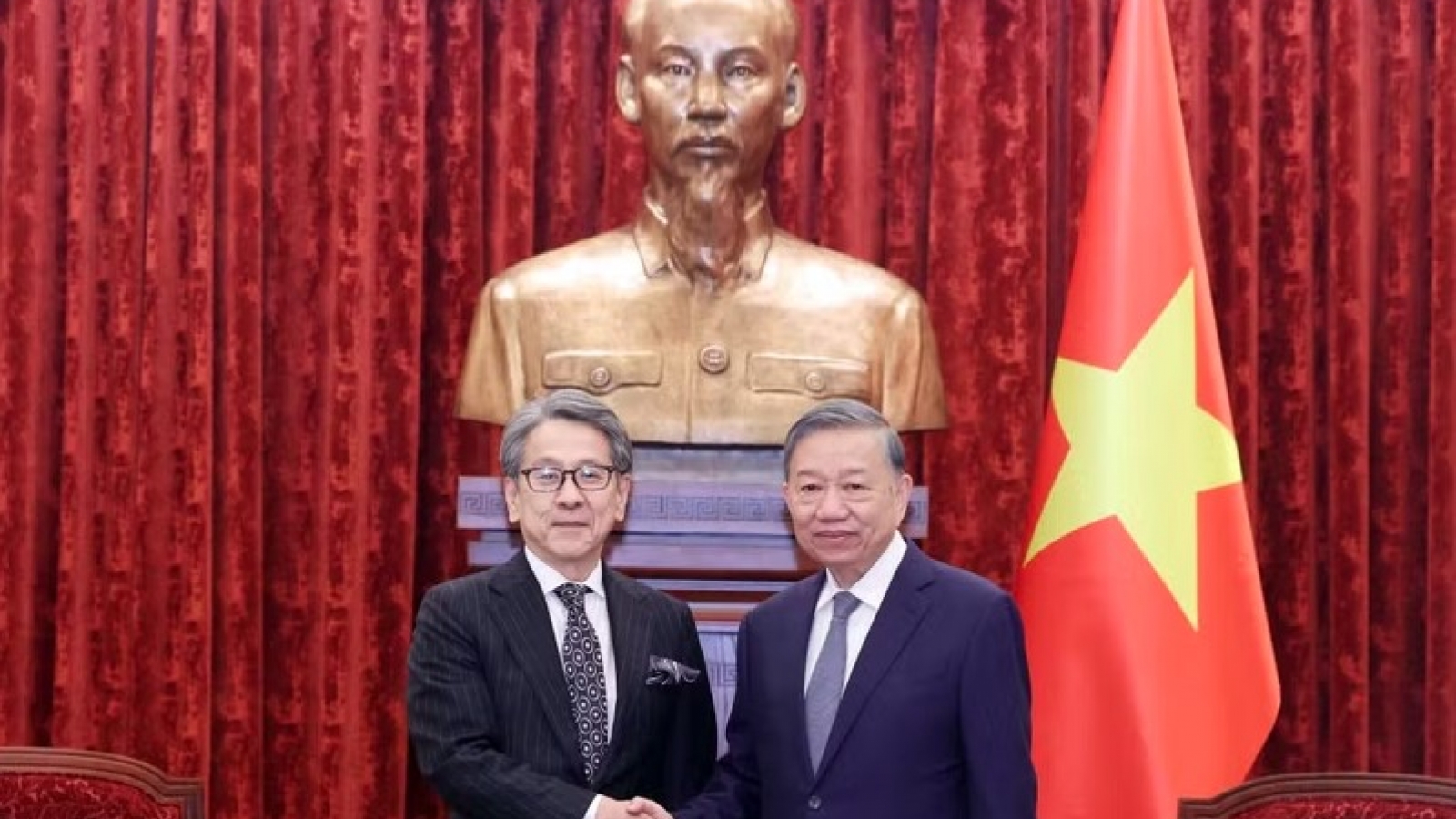
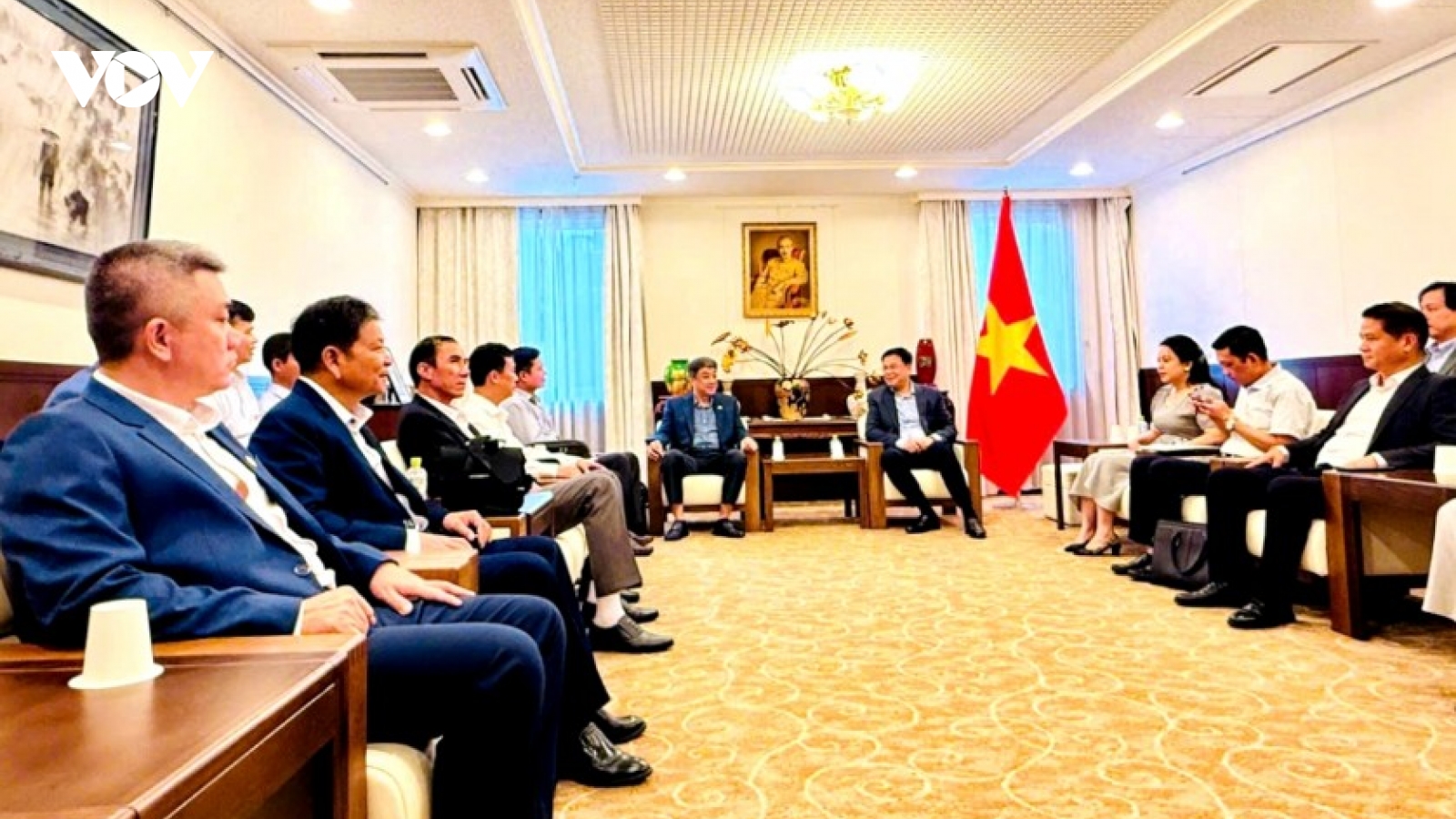
Vietnam, Japan deepen digital technology cooperation from outsourcing to co-creation

VOV.VN - Vietnam and Japan are deepening digital technology cooperation, moving from traditional outsourcing towards co-creation in artificial intelligence (AI), semiconductors, robotics and other deep-tech fields.
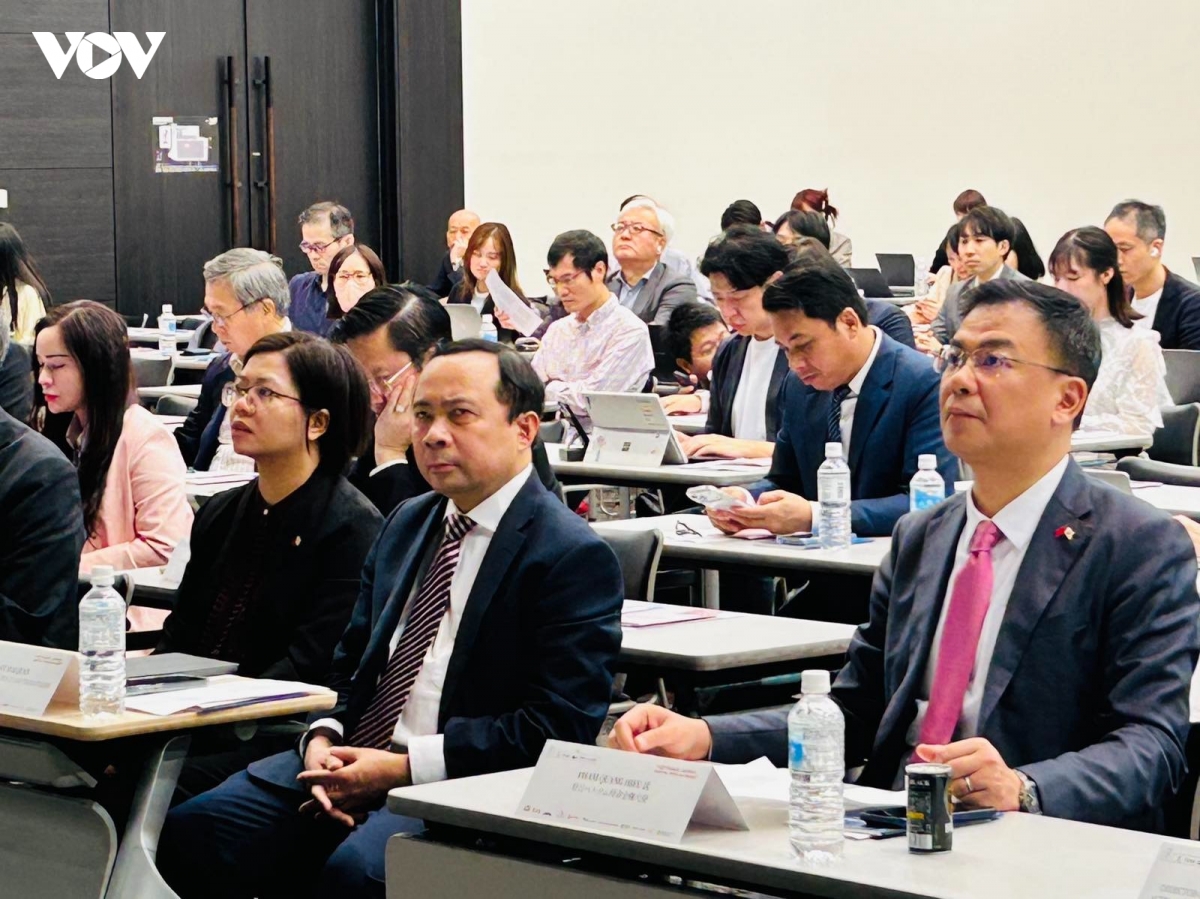
The shift was highlighted at the Vietnam-Japan Digital Forum 2026 in Tokyo on October 2, bringing together more than 250 senior executives from Japanese corporations and leading Vietnamese digital technology companies to discuss new areas of cooperation.
Organised by the Vietnam Software and IT Services Association (VINASA), the Digital Technology and Artificial Intelligence Authority, the Vietnam-Japan IT Cooperation Committee (VJC), and Japanese partners, such as the Japan Information Service Industry Association (JISA), Japan External Trade Organisation (JETRO), and the Vietnam Association of Digital Transformation in Japan (VADX Japan), the forum featured a conference, an exhibition and one-to-one business matching sessions.
The event focused on a shift in the way Vietnamese and Japanese technology companies work together, from a model in which Japanese businesses define requirements and Vietnamese companies provide development services to one in which the two sides jointly identify problems, design solutions and develop products for the market.
From outsourcing to joint technology development
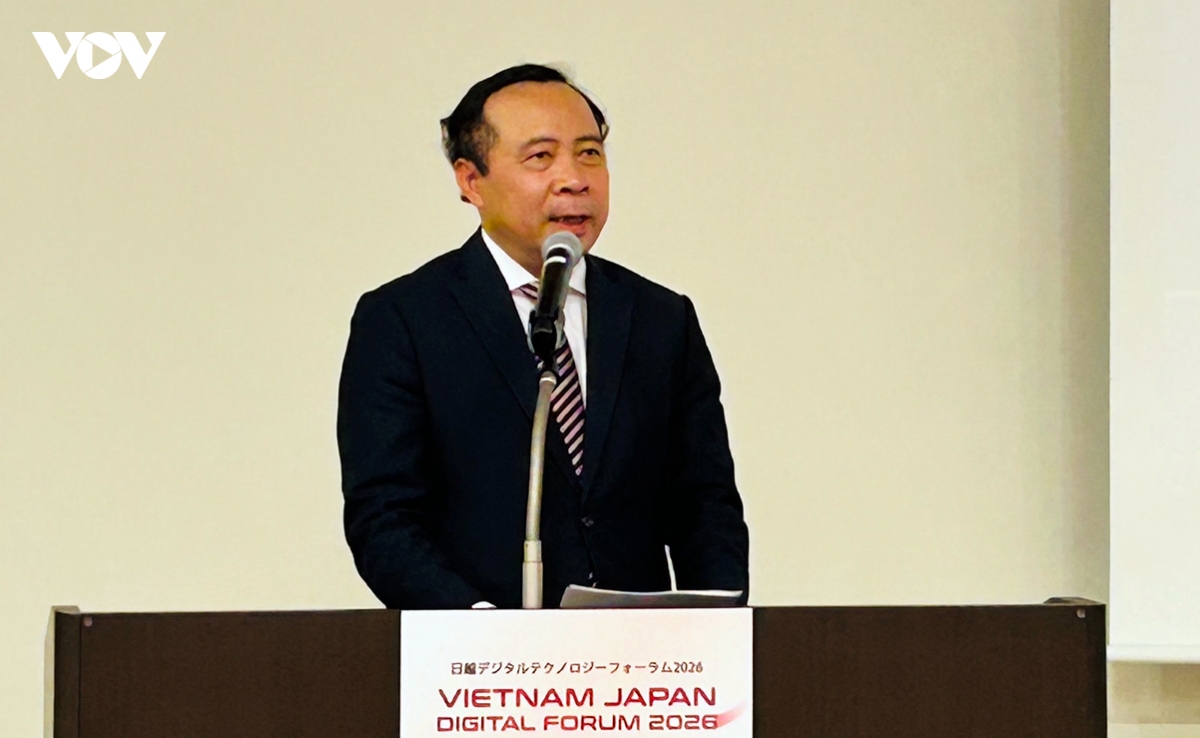
Speaking at the forum, Vietnamese Minister of Science and Technology Vu Hai Quan highlighted the growth of Vietnamese digital technology companies in the Japanese market, saying their expanding presence provides a foundation for deeper participation in high-value technology chains.
He outlined four priority areas for cooperation, including modernising core systems to improve productivity; jointly researching, designing and testing deep technologies such as AI, robotics and unmanned aerial vehicles (UAVs); training AI engineers in line with business demand; and bringing co-developed products into global markets and supply chains.
A representative of Japan’s Ministry of Internal Affairs and Communications stressed the importance of creating regulatory sandboxes and flexible legal frameworks to facilitate joint research and development (R&D) projects, particularly in digital infrastructure and AI.
The direction was reflected in discussions among companies from the two countries, which focused on practical challenges in the Japanese market, including the modernisation of legacy systems, the deployment of AI and new models of R&D cooperation.
One issue highlighted at the forum was the gap between experimenting with AI and deploying it across an entire organisation. Nguyen Huu Long CEO of FPT Smart Cloud Japan, said many Japanese companies had tested AI but faced difficulties integrating new technologies with legacy systems, creating a need for deeper cooperation between technology companies from the two countries.
“We must move away from the ‘Japan defines, Vietnam develops’ model and shift towards ‘Discover, Build and Scale together’,” he said.
From joint development to global markets
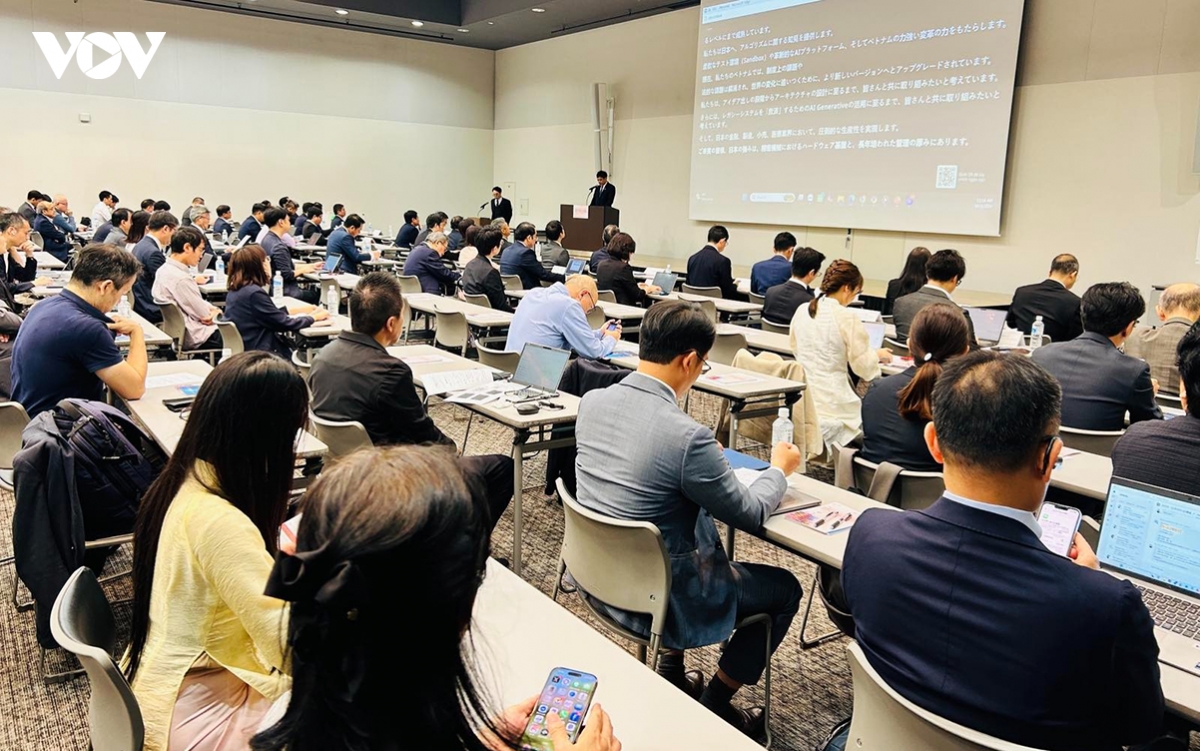
Several business models presented at the forum showed how Vietnamese and Japanese companies are working towards shared technology capabilities rather than limiting cooperation to individual development tasks.
Takayuki Nabeshima, CEO of Konica Minolta FPT Solution Labs Vietnam, presented the integrated development model between the Japanese group and FPT. The model enables the two sides to work together to preserve technological capabilities, protect intellectual property and continuously upgrade systems.
Nguyen Tan Minh, deputy chief executive officer of GMO-Z.com RUNSYSTEM, provided concrete figures on the impact of AI adoption. He said the use of Agentic Workflows had automated 40% of operating costs and increased revenue by 20% in existing service areas, following the principle that “AI handles routine tasks, while humans make decisions on exceptions.”
The forum also looked beyond domestic technology challenges towards global markets. Nguyen Van Khoa, Chairman of VINASA, said Japan’s strengths in precision engineering, management expertise and global supply chains could complement Vietnam’s digital capabilities and expertise in algorithms, creating a new model of “Digital Synergy”. This could enable the two sides to develop joint intellectual property (Joint IP) and bring co-developed technologies to demanding global markets.
The forum’s practical impact was also demonstrated through technologies showcased at the event. Organisers successfully deployed an AI-powered live translation system developed by Vietnamese engineers, enabling participants to access bilingual subtitles and audio interpretation in real time. More than 300 delegates scanned a QR code to experience the system, which delivered bilingual subtitles and interpretation with low latency.
Technology companies also showcased AI solutions for retail, smart manufacturing and construction, providing practical demonstrations of how Vietnamese-developed technologies can be applied to real-world challenges.
The forum also saw the signing of a number of memoranda of understanding (MoUs), including cooperation agreements between Miichisoft and Taisei Oncho, and between VTI Japan and NEC. The signed documents marked further steps towards putting co-creation commitments into practice.
More than 100 one-to-one business matching sessions were also held, covering areas including smart factories, autonomous robots, UAVs and semiconductor technology, creating further opportunities for technology cooperation and joint R&D between businesses from the two countries.
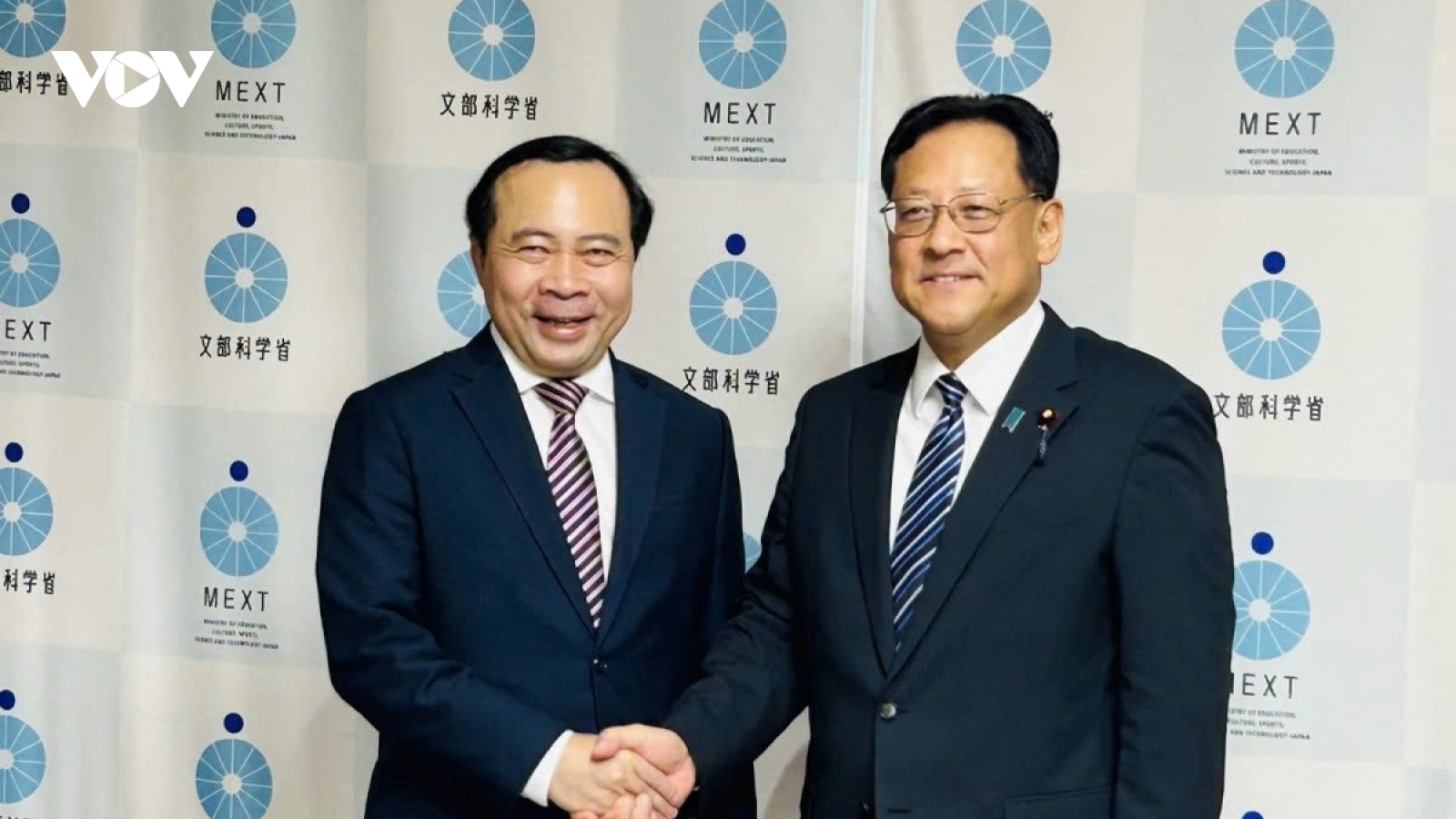
Vietnam, Japan expand cooperation in education, science and technology
VOV.VN - Vietnam and Japan are expanding cooperation in education, science and technology, with a focus on high-quality talent training, semiconductors, artificial intelligence and health care.