Northern Vietnam braces for widespread heatwave after rare June cold spell

VOV.VN - Temperatures are expected to climb sharply across the northern and central regions of Vietnam from June 13-14, following a rare mid-June cold spell that temporarily brought cooler conditions to the region.
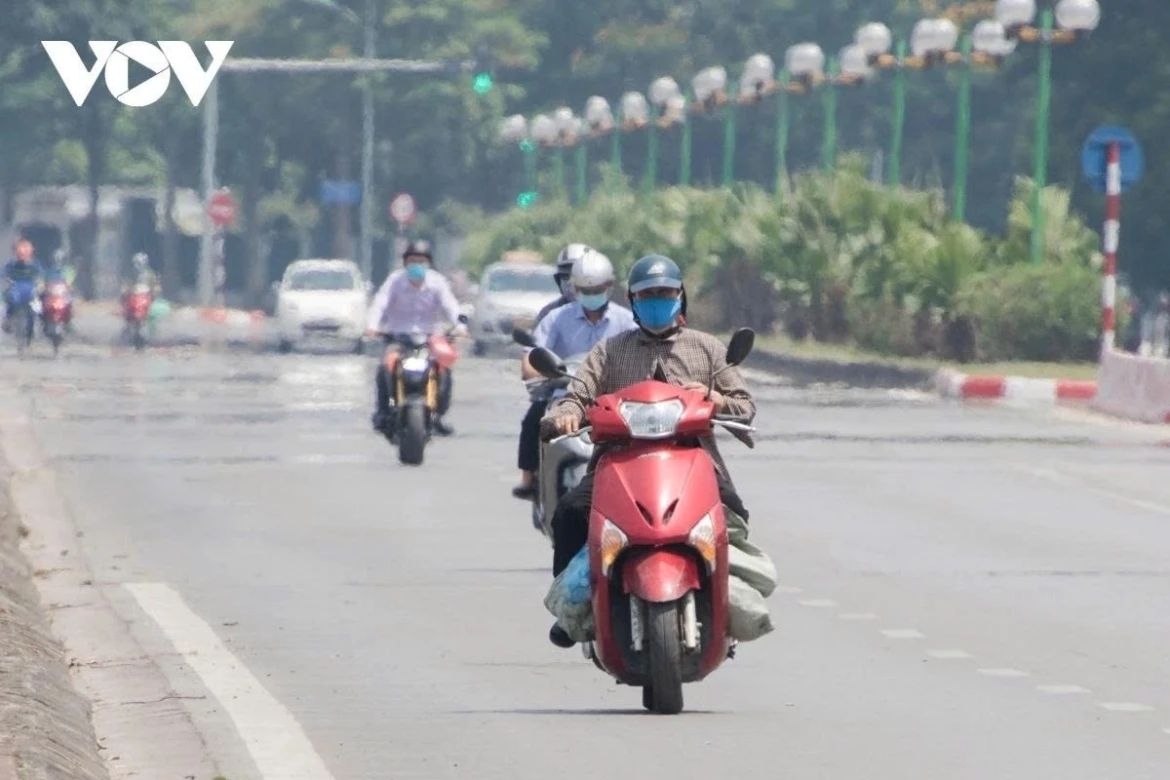
Northern Vietnam is set to experience a widespread heatwave in the coming days, with temperatures forecast to reach 35-37°C and exceed 37°C in some areas, according to meteorological experts.
The hot spell comes just days after an unusual cold air mass swept across northern provinces, bringing cooler weather and heavy rainfall during what is typically one of the hottest periods of the year.
Forecasters also warn that above-average temperatures and increasingly extreme weather conditions are likely to persist through early July.
Heat returns after rare summer cold front
Meteorologists said a western low-pressure heat system will strengthen and expand toward Vietnam beginning June 12, causing temperatures across northern provinces to rise rapidly.
Daytime temperatures are expected to increase by 1-2°C initially, with many locations recording highs of 32-34°C and some exceeding 35°C.
By June 13-14, widespread heat is forecast across the northern plains, midland regions and parts of Central Vietnam. Maximum temperatures will generally range from 35-37°C, with isolated areas likely to experience even hotter conditions.
Residents may notice significantly more oppressive and uncomfortable weather, particularly around midday and during the early afternoon.
Rapidly changing weather conditions in a month
The approaching heatwave follows a month of unusual and rapidly changing weather conditions across Vietnam.
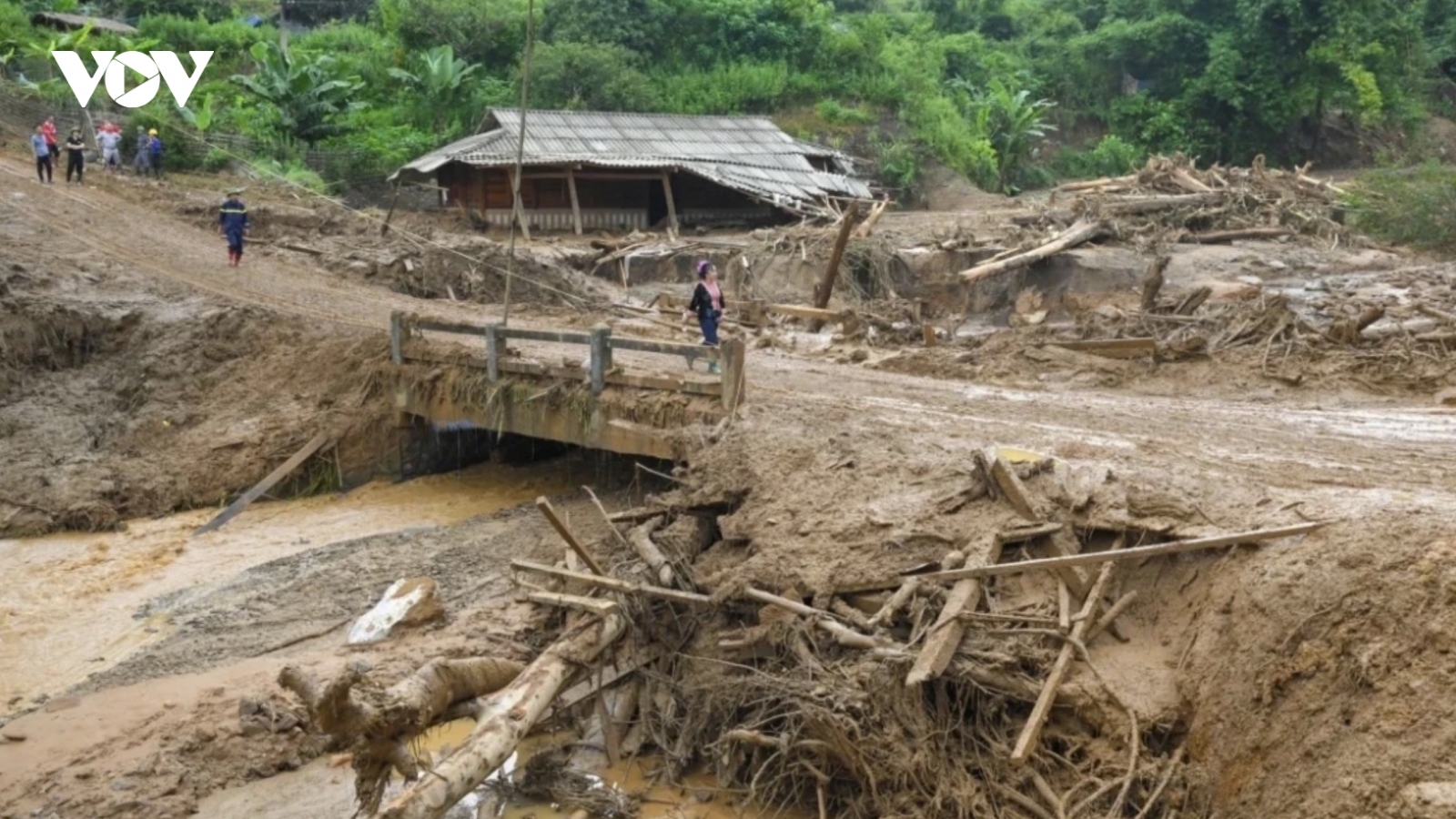
Earlier this month, the first tropical depression of the 2026 storm season formed in the East Sea, known internationally as South China Sea. Shortly afterward, a rare cold air intrusion moved into Northern Vietnam and parts of North-central Vietnam, causing temperatures to drop by 7-10°C and triggering widespread heavy rainfall.
Several provinces recorded daily and monthly rainfall totals that exceeded historical averages for the same period.
At the same time, repeated heatwaves affected the northern and central regions, with temperatures commonly peaking 36-39°C and occasionally exceeding 40°C.
One of the most notable records occurred in Quang Ngai province, where temperatures reached 40.5°C on June 8, matching the highest temperature ever recorded in the locality.
Hotter-than-average conditions expected through July
According to climate forecasts, average temperatures nationwide are expected to remain 0.5-1°C above long-term averages through approximately July 10.
Rainfall patterns are expected to vary significantly by region. Northern Vietnam and the provinces from Thanh Hoa to Nghe An are anticipated to receive 10-25% more rainfall than average, while several other regions may experience below-average precipitation.
Meteorologists warn that the northern and central regions could experience more heatwaves than usual during the coming weeks, including periods of severe or even exceptionally intense heat.
Meanwhile, tropical cyclone activity in the East Sea is forecast to remain near historical averages.
Storms and hazardous weather remain a threat
Despite the heat, many regions continue to face risks associated with thunderstorms and heavy rainfall.
Northern Vietnam, as well as Thanh Hoa and Nghe An provinces are particularly vulnerable to periods of widespread rain. In the Central Highlands and Southern Vietnam, scattered showers and thunderstorms are likely to continue, with localised heavy downpours possible.
Nguyen Duc Hoa, deputy head of the Climate Forecasting Department at the National Centre for Hydro-Meteorological Forecasting, warned that hazardous weather events remain a concern nationwide.
Thunderstorms, whirlwinds, lightning, hail and strong winds may occur across the country, particularly in the northern, the Central Highlands and southern regions, he said.
Experts noted that climate change is contributing to increasingly unpredictable weather patterns, making it essential for residents to closely monitor forecasts and weather warnings in order to prepare for extreme heat, heavy rain and sudden severe weather events.

Cold air triggers heavy rain in northern Vietnam, raising flash flood and landslide risks
VOV.VN - A cold air mass affected northeastern Vietnam as well as parts of the northwest and north-central regions on June 9, bringing moderate to heavy rain and thunderstorms, with some areas experiencing very heavy rainfall.