Northern Vietnam braces for widespread heavy rain after intense heatwave

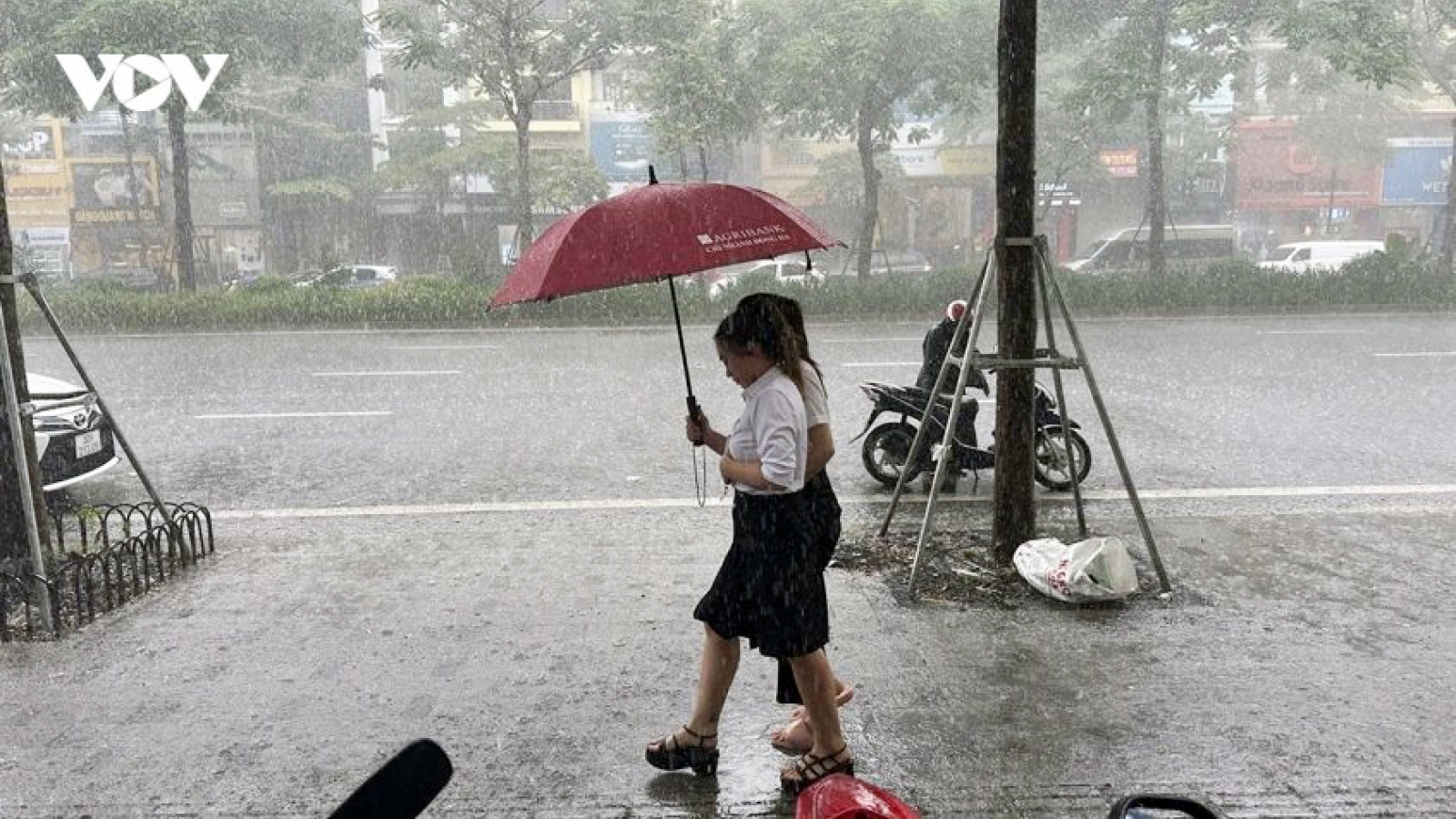
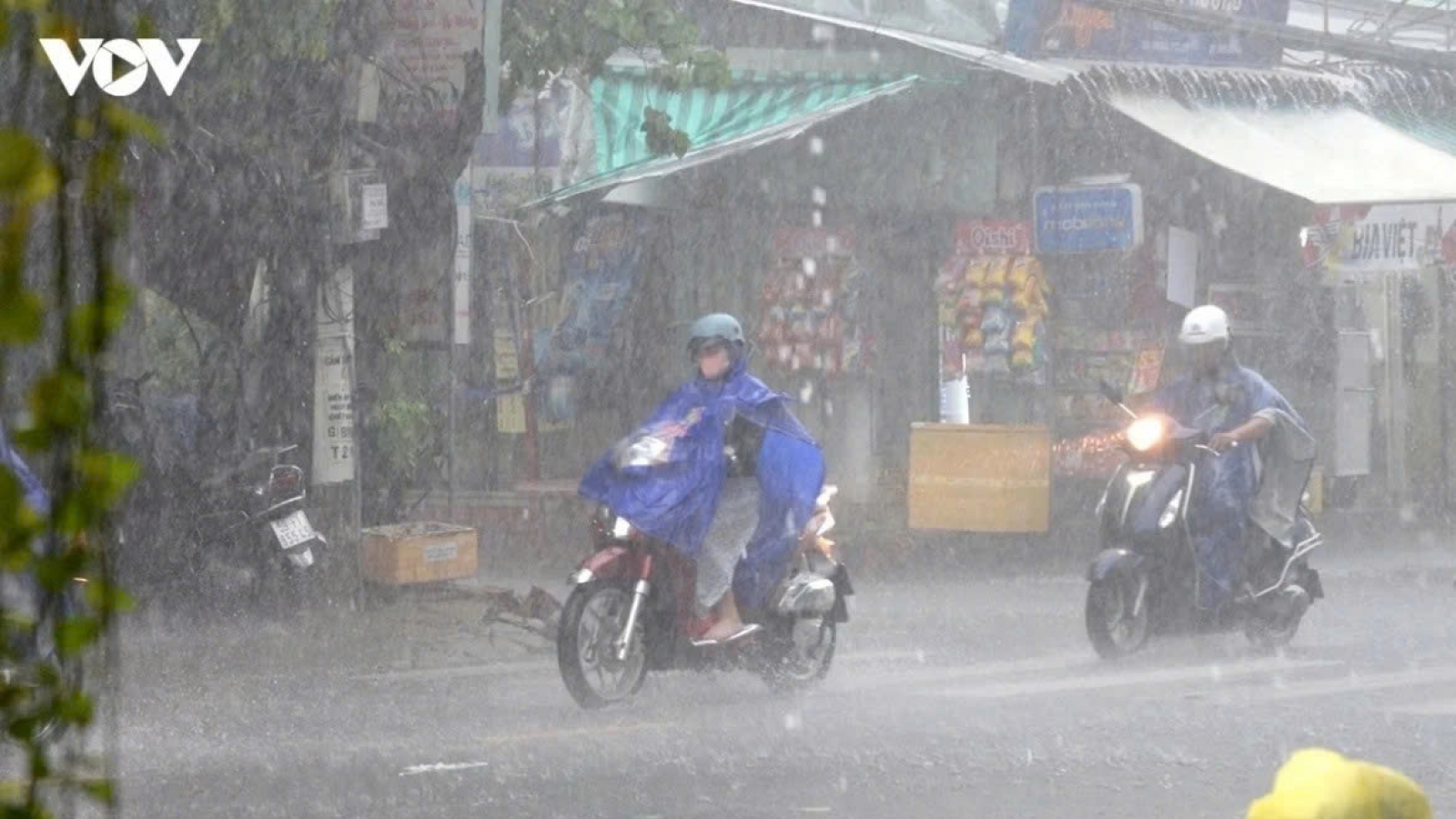
VOV.VN - After days of scorching temperatures exceeding 38-40°C, the northern and north-central regions of Vietnam are now facing a widespread heavy rain event, with meteorologists warning of possible flashfloods, landslides and severe urban flooding in several provinces.

According to the National Centre for Hydro-Meteorological Forecasting, from the evening of June 8 to June 10, heavy rain is expected across the northwestern region and northern parts of Phu Tho and Tuyen Quang provinces. Rainfall is forecast to range between 80-160mm, with some areas likely to exceed 300mm.
Thanh Hoa and Nghe An provinces are also expected to experience significant rainfall of 60-120mm, while isolated locations could receive more than 200mm.
Other parts of Northern Vietnam are forecast to see moderate to heavy rain, with rainfall totals generally between 20-50mm and some areas exceeding 100mm. Weather experts warned that rainfall intensity could surpass 100mm within just three hours in certain locations, increasing the risk of localised flooding in low-lying urban and residential areas.
Meteorologists said the weather pattern is being driven by a cold air mass compressing a low-pressure trough southward. The interaction between the incoming cooler air and the hot, moisture-laden atmosphere built up during the prolonged heatwave will create favourable conditions for widespread thunderstorms and severe weather.
The rapid transition from extreme heat to large-scale heavy rain is considered unusual for early June, a period when hot weather typically dominates Northern Vietnam. However, strong atmospheric interactions have caused the weather to shift dramatically within a short period.
Amid concerns over flooding and infrastructure safety, the Ministry of Agriculture and Environment has issued an urgent directive calling on localities to strengthen disaster preparedness measures.
Localities have been instructed to inspect reservoirs, irrigation systems and vulnerable water infrastructure, especially dams and reservoirs currently under construction. Unsafe reservoirs may be required to limit or suspend water storage operations.
Local governments are also urged to update emergency response plans for areas vulnerable to flooding, flashfloods and landslides, while reservoir operators are required to follow approved operational procedures to ensure downstream safety.
Residents in affected areas are advised to closely monitor weather forecasts, remain alert for thunderstorms, lightning and flooding, and prepare backup plans for possible disruptions to rural water supply systems.
Current forecasts indicate that the heaviest rainfall will occur between the night of June 8 and the end of June 10. Although rainfall is expected to gradually decrease afterward, mountainous areas may continue facing elevated risks of flashfloods and landslides as saturated soil conditions persist.
Cold air to end northern heatwave from June 8
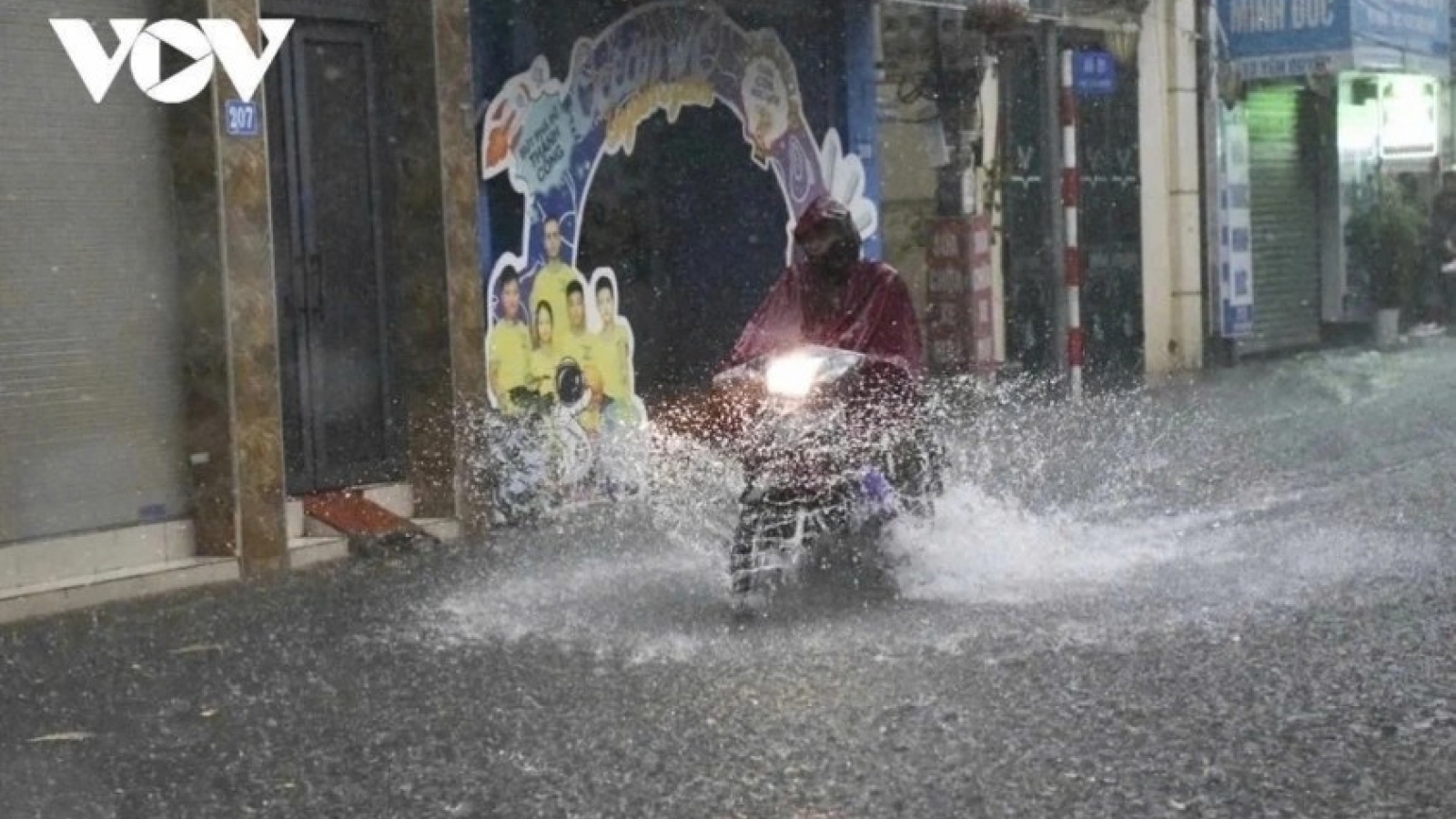
VOV.VN - A cold air mass is expected to affect northern Vietnam and the north-central region from the evening of June 8, bringing widespread moderate to very heavy rain and thunderstorms and ending the recent heatwave across the North.