


Cold air triggers heavy rain in northern Vietnam, raising flash flood and landslide risks

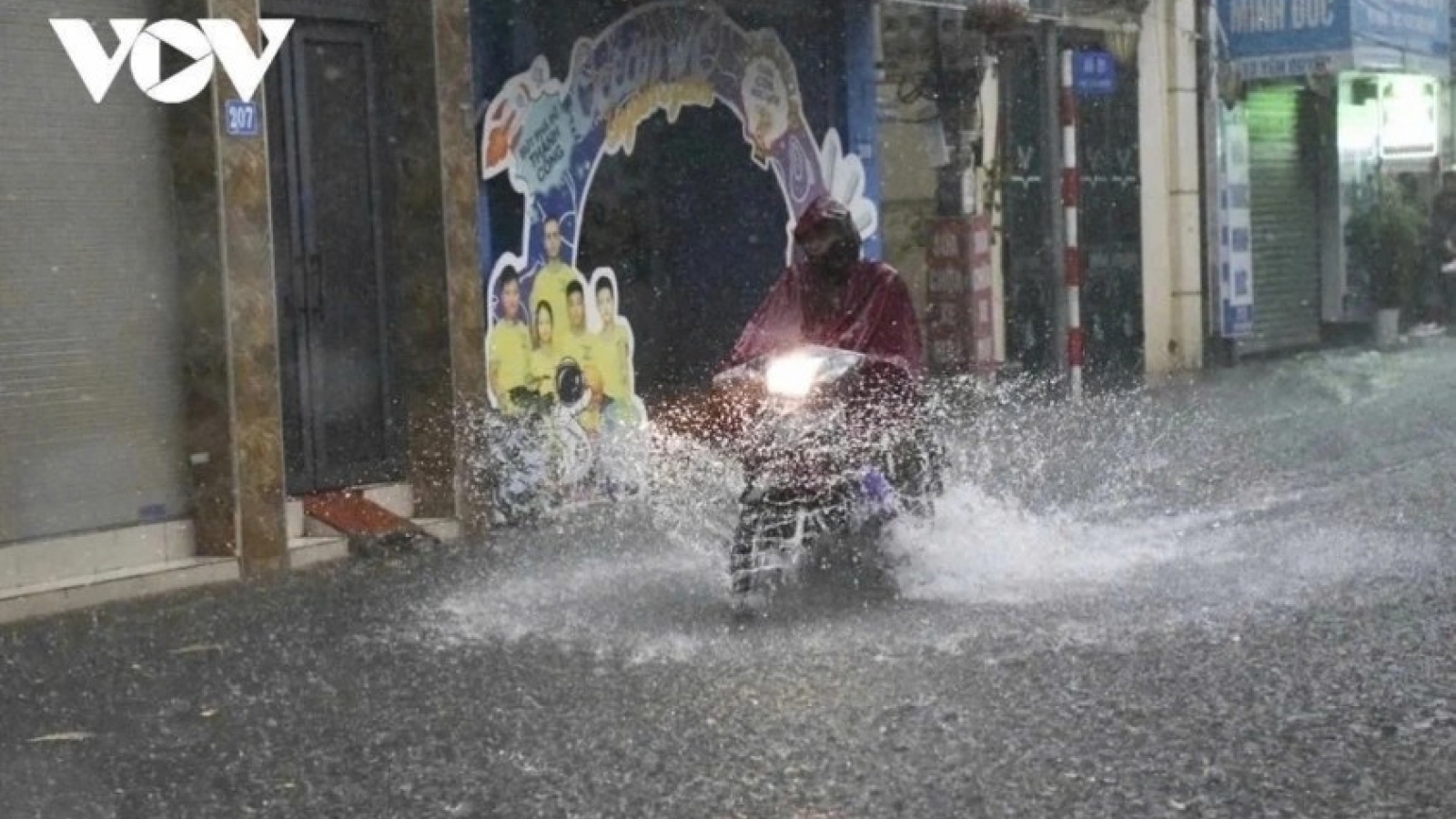
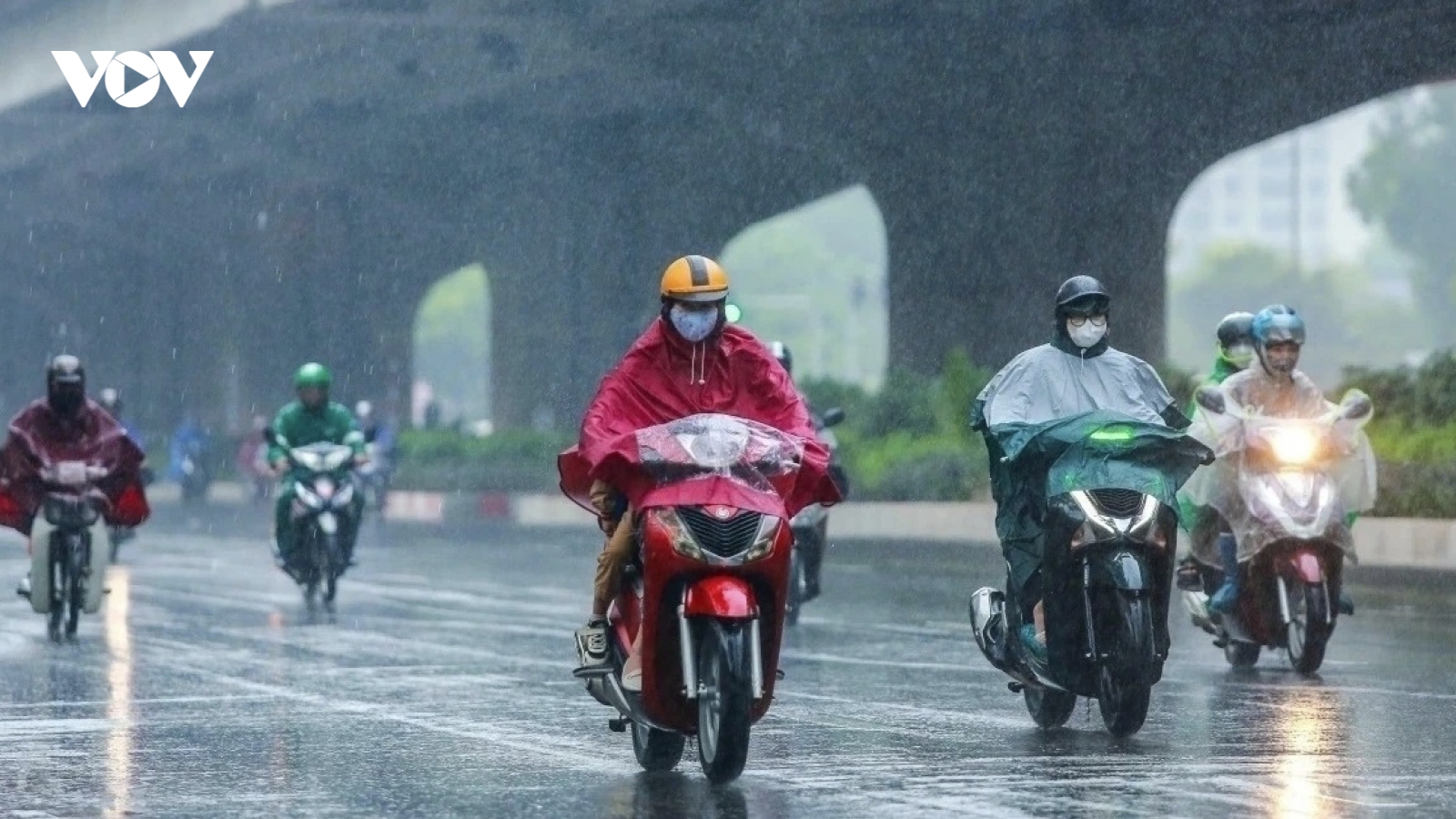
VOV.VN - A cold air mass affected northeastern Vietnam as well as parts of the northwest and north-central regions on June 9, bringing moderate to heavy rain and thunderstorms, with some areas experiencing very heavy rainfall.

Temperatures in many northern localities fell by 7-10 degrees Celsius. According to the National Centre for Hydro-Meteorological Forecasting, the cold air mass is continuing to affect other parts of the northwest and north-central regions during the day.
Cool weather prevailed across the northeastern region and Thanh Hoa province, where minimum temperatures ranged from 22-25 degrees Celsius, dropping below 21 degrees Celsius in some mountainous areas.
Under the influence of the cold air mass, the northwest region, Thanh Hoa and Nghe An provinces were forecast to experience moderate to heavy rain and thunderstorms from early morning through the night of June 9, with some areas likely to see very heavy rainfall. Rain and thunderstorms also occurred across the northern midland and delta regions, with isolated heavy rain.
At sea, the northern Gulf of Tonkin saw northeasterly winds of 29-38 kph, occasionally strengthening to 39-49 kph, with gusts of 50-74 kph and waves of 1.5-2.5 metres, resulting in rough seas.
Other maritime areas, including the Gulf of Thailand and the southern East Sea (including the Truong Sa Special Zone), were also forecast to experience showers and thunderstorms, with risks of waterspouts and strong wind gusts.
The meteorological agency said many mountainous and midland localities in northern Vietnam had recorded moderate to very heavy rainfall in recent hours. Soil moisture levels in some areas were high or had already reached saturation.
Further rainfall is likely to come in the coming hours, increasing the risk of flash floods along small rivers and streams and landslides on steep slopes in Lai Chau, Lao Cai, Son La, Tuyen Quang, Phu Tho, Thai Nguyen and Quang Ninh provinces. The disaster risk level for flash floods, landslides and land subsidence has been set at Level 1.
The agency also warned that flash floods, landslides and land subsidence may threaten lives, damage infrastructure and disrupt socio-economic activities. Affected localities have been advised to review high-risk areas and proactively implement prevention and response measures.
Cold air to end northern heatwave from June 8
VOV.VN - A cold air mass is expected to affect northern Vietnam and the north-central region from the evening of June 8, bringing widespread moderate to very heavy rain and thunderstorms and ending the recent heatwave across the North.
Cold air sweeps across northern Vietnam, bringing heavy rain and thunderstorms
VOV.VN - Cold air has started affecting parts of northeastern Vietnam, bringing widespread rain and thunderstorms across northern and north-central regions.