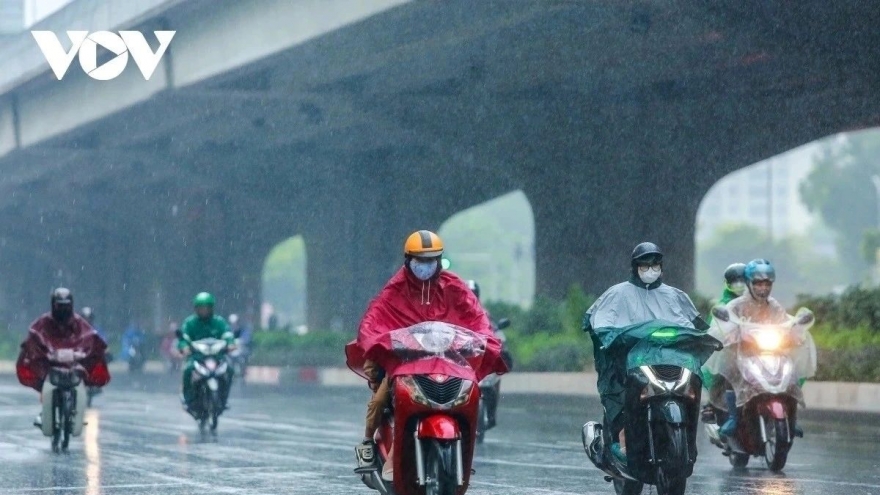
First cold air wave to hit northern Vietnam, bringing cooler weather from tonight

VOV.VN - A cold mass is moving southward, bringing scattered showers and thunderstorms to northern Vietnam, where temperatures early on September 9 ranged between 26°C and 29°C.
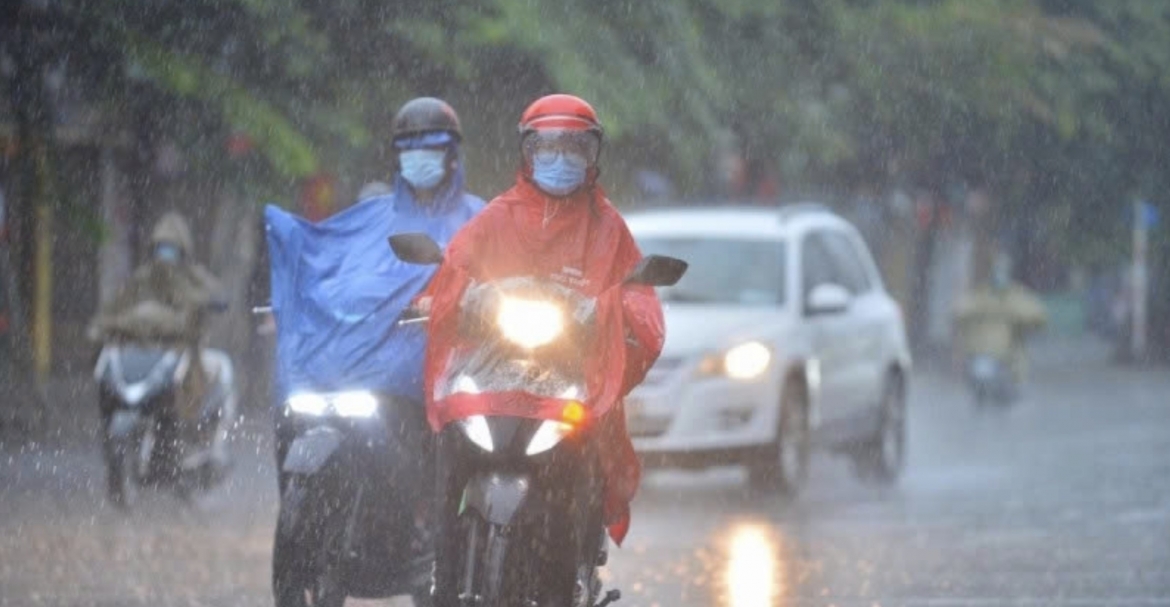
The cold spell is forecast to affect the northern mountainous region starting tonight, September 9, before spreading to other areas in the Northeast, parts of the Northwest, and north-central provinces. On land, winds will shift to the northeast at levels 2 to 3, reaching level 3 in coastal areas.
Temperatures across the Northeast will range from 22°C to 26°C, dropping below 20°C in high mountain areas and below 23°C in other mountainous parts. The lowest temperatures during this spell in northern Vietnam and north-central regions are expected to hover between 21°C and 24°C, with mountainous areas dropping below 19°C.
In Hanoi, rain, showers, and scattered thunderstorms with localized heavy downpours are expected from late afternoon through September 10, with weather turning cool starting tonight.
At sea, winds in the northern Gulf of Tonkin will shift to the northeast, blowing at levels 4 to 5, and strengthening to level 6 with gusts of 7 to 8 by noon and afternoon on September 10. Wave heights will reach 1.5 to 2.5 meters, causing rough seas.
Meteorological agencies warn of heavy rain and thunderstorms across northern Vietnam from late afternoon September 9 through September 10.
On September 10, north-central provinces will experience moderate to heavy rain and scattered thunderstorms, with localized very heavy downpours. Severe weather phenomena, including tornadoes, lightning, hail, and strong gusts, are highly likely during thunderstorms.
The severe weather threatens agricultural production, damaging trees, houses, transport works, and infrastructure. Heavy downpours also pose risks of flash floods on small rivers and streams, landslides on steep slopes, and inundation in low-lying areas. Strong winds and high waves at sea will disrupt vessels and maritime activities.
Residents are advised to proactively guard against extreme weather events such as thunderstorms, lightning, and strong gusts, as well as reinforce houses and protect crops and livestock. Heightened vigilance is required against flash floods, landslides, and localized flooding. Fishermen are urged to limit going to sea during strong winds and closely monitor weather developments to ensure safety.
Northern Vietnam to see first cold air mass around September 9
VOV.VN - An early-season cold air mass is forecast to reach northern Vietnam next week that will bring a slight drop in temperatures along with scattered showers and thunderstorms.
Cold air mass brings showers and cooler nights to Northern Vietnam
VOV.VN - A weak cold air mass began affecting Northeastern Vietnam on March 3, bringing showers, thunderstorms and a noticeable drop in nighttime temperatures across the region, according to the National Centre for Hydro-Meteorological Forecasting.