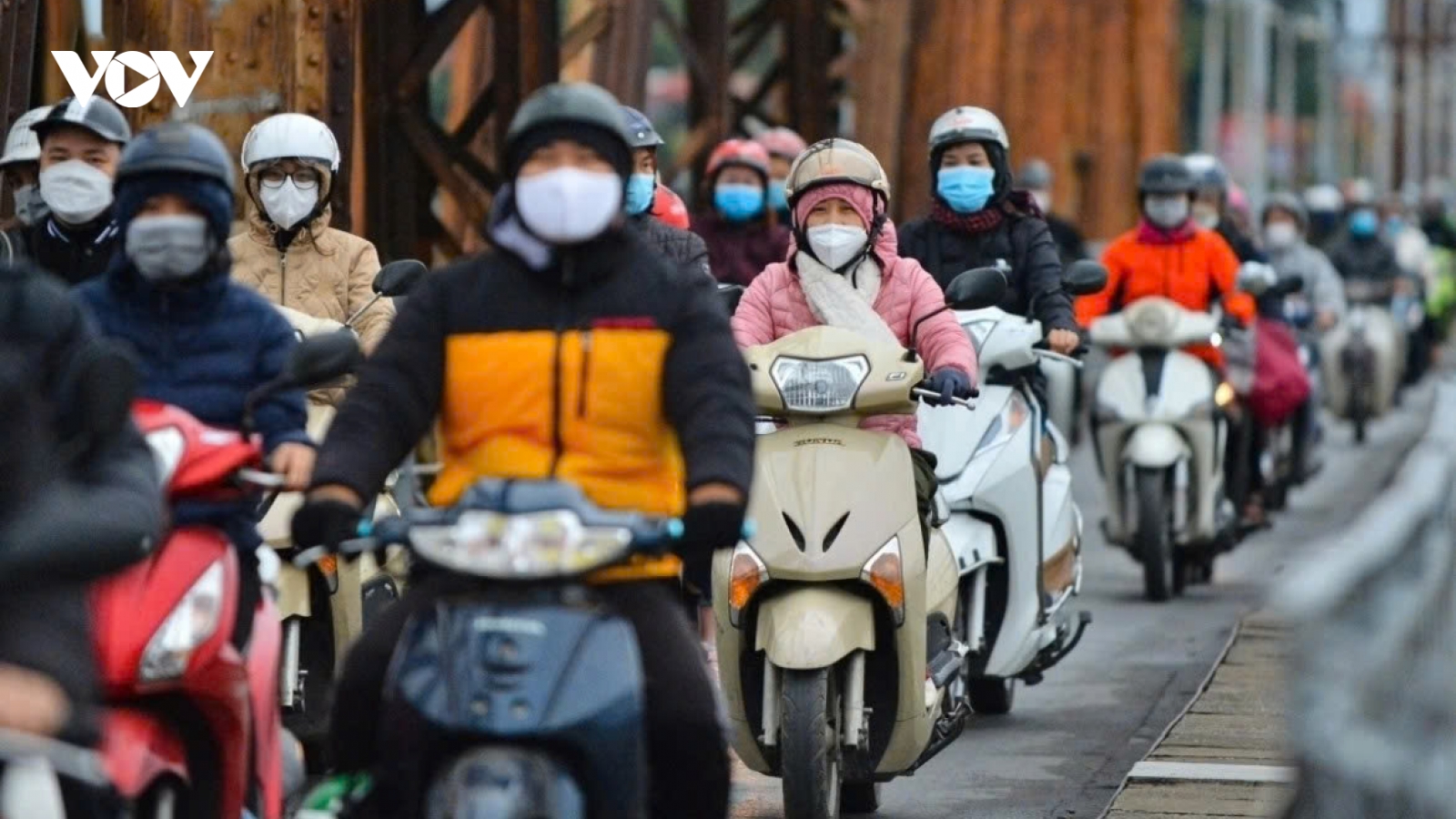
Cold air mass to ease heat in the north, temperatures fall to 19–22°C

VOV.VN - Northern Vietnam is still seeing temperatures of up to 34–35°C, but a cold air mass is forecast to move in from the evening of October 4, bringing rain and a marked drop in temperatures, with lows of 19–22°C expected in the region during the cold spell.
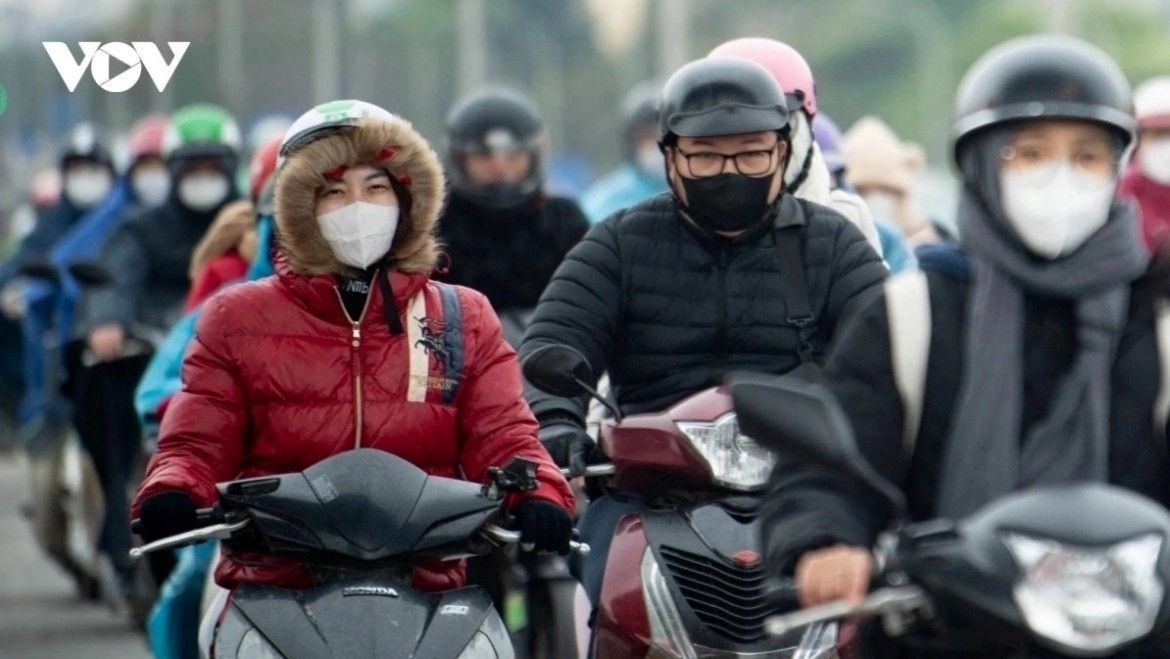
The National Centre for Hydro-Meteorological Forecasting said on October 3 that the cold air mass is moving south and would begin affecting northeastern Vietnam from the evening and night of October 4 before spreading to other parts of the north and the area from Thanh Hoa to Hue in the central region.
The arrival of the cold air will bring a sharp change in weather after several days of hot conditions. On October 3, temperatures across Northern Vietnam were generally 31–34°C, with some areas experiencing higher temperatures.
In northeastern Vietnam and Thanh Hoa, the weather is forecast to turn cooler from the night of October 4, with some high mountain areas becoming cold. During the cold spell, the lowest temperatures in Northern Vietnam and Thanh Hoa are forecast at 19–22°C, while those in high mountain areas could fall to 14–17°C.
Rain and thunderstorms to accompany the cold air
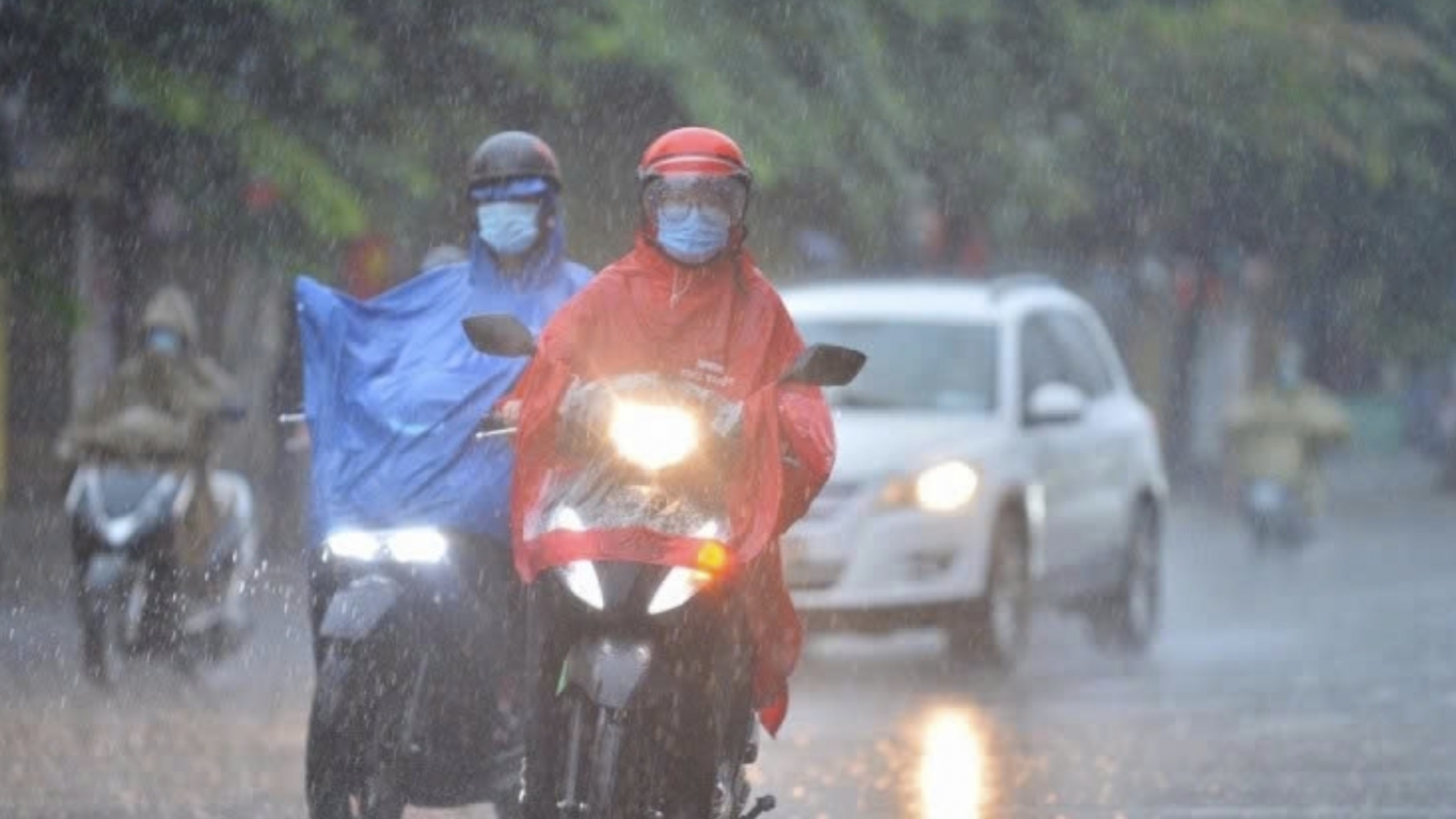
The temperature drop will come with widespread rain and thunderstorms. From October 4 to the morning of October 5, Northern Vietnam is to see rain, moderate rain and thunderstorms, with locally heavy to very heavy downpours.
In Hanoi, the cold air mass is expected to arrive during the night of October 4. Rain, including moderate rain and thunderstorms, is forecast from that night into the morning of October 5, with the capital turning cooler from early morning.
Thunderstorms may be accompanied by lightning, hail and strong gusts. Localised heavy rain could also cause flash floods on small rivers and streams, landslides on steep slopes and flooding in low-lying areas, according to the meteorological agency.
The latest seasonal outlook suggests that the coming winter will not be exceptionally cold across Northern Vietnam. Cold-air activity is to be weaker than average, with severe cold spells likely to occur later than usual, mainly during December 2026 and January 2027. The number of severe-cold days is also expected to be below the long-term average, although mountainous areas may still experience frost or snow during the strongest cold spells.

Northern Vietnam sees unusual late-September heat as cold air approaches
VOV.VN - Northern Vietnam is experiencing unusually hot weather for late September, with temperatures reaching 35–37°C in parts of the region as a weak cold-air mass is forecast to arrive from the night of September 30, bringing rain and cooler conditions.