PM signals zero tolerance for delays in major transport projects

VOV.VN - Prime Minister Le Minh Hung has ordered ministries and localities to keep major transport infrastructure projects on schedule, saying delays without legitimate reasons will not be tolerated.

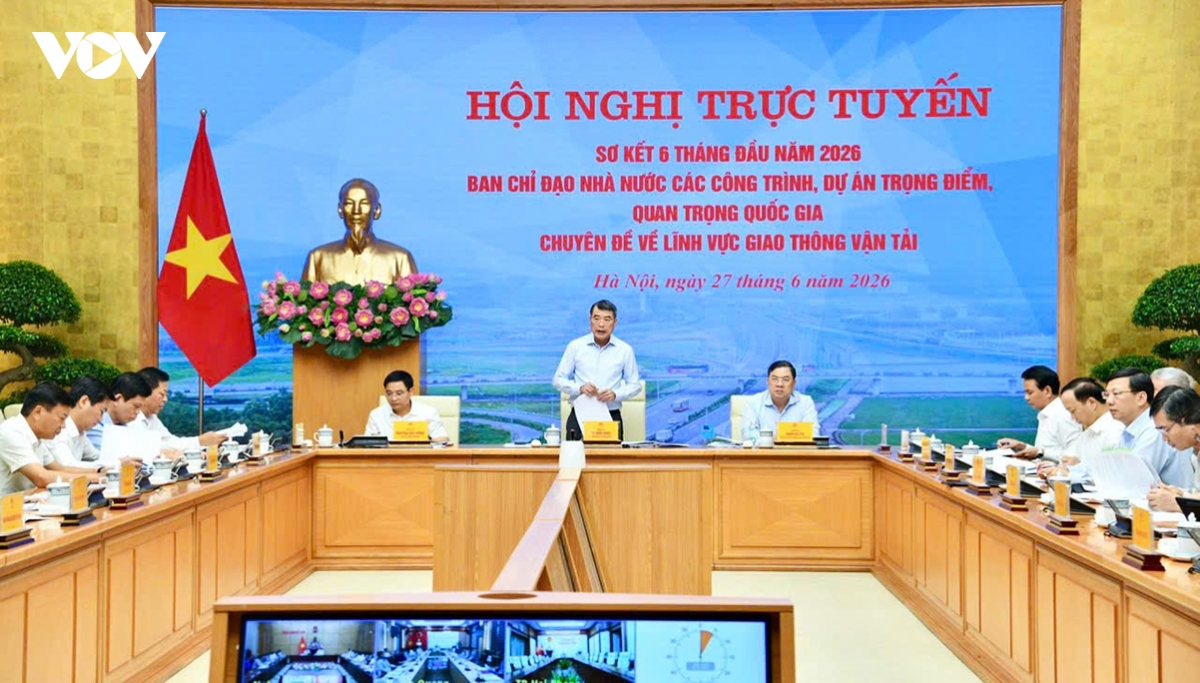
Speaking at an online government conference reviewing the implementation of major national transport projects in the first half of 2026, the Prime Minister stressed construction progress must go hand in hand with quality, compliance with legal regulations and strict oversight to prevent corruption, waste and the misuse of public resources.
He called on ministries, agencies and local governments to take a more proactive approach in implementing transport infrastructure projects, warning that unjustified delays, schedule extensions or repeated adjustments would not be accepted. Project performance, he said, will be taken into account when assessing agencies and allocating future public investment funds.
The Prime Minister also urged investors and contractors to strictly comply with technical standards while expanding the use of science and technology, innovation, digital transformation and green construction practices to improve investment efficiency.
More than 3,300 km of expressways completed
According to a report presented at the meeting, the government's steering committee is currently overseeing 55 major transport projects, comprising 124 sub-projects.
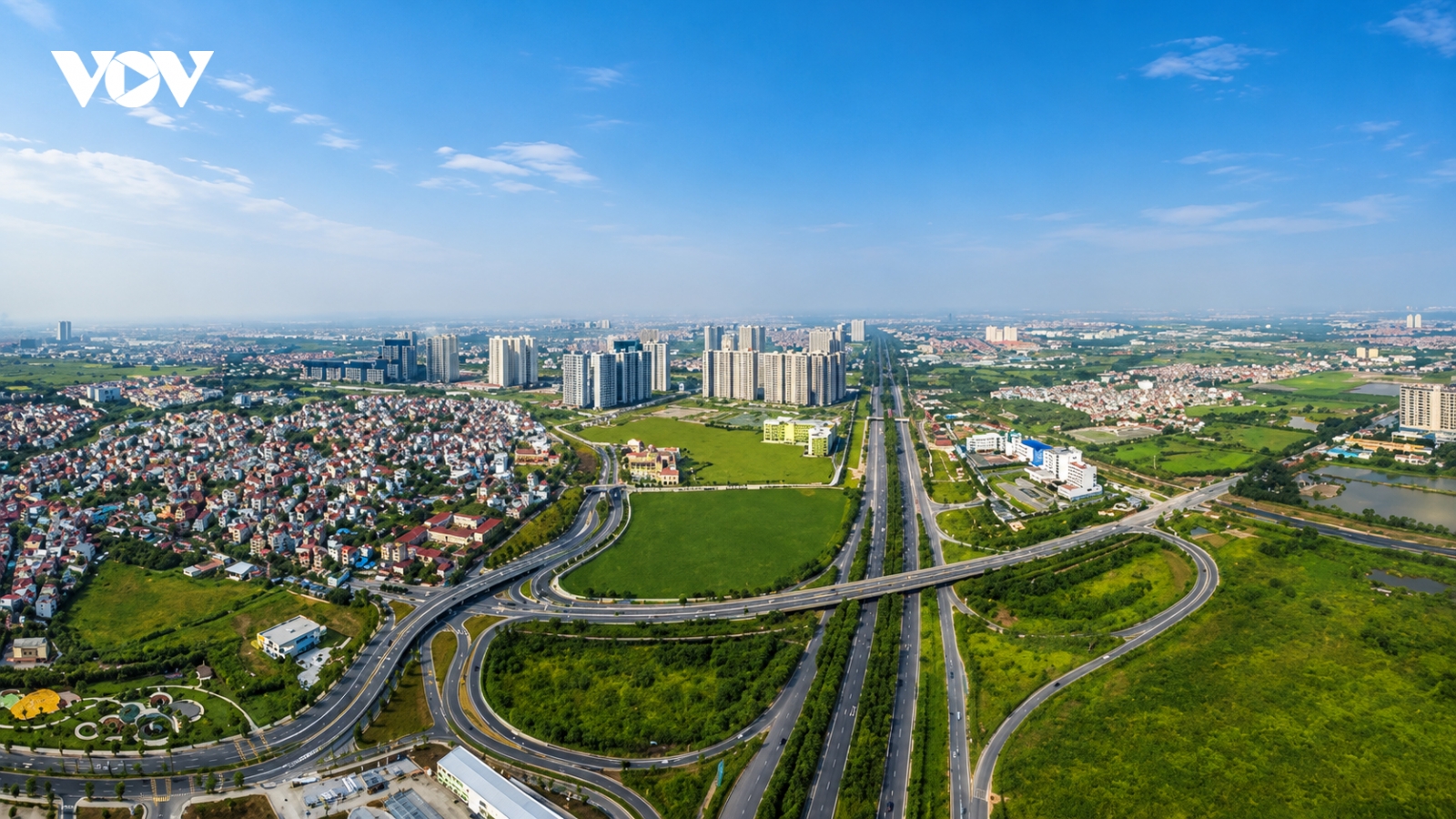
So far, 30 projects or project sections have been completed or opened to traffic, increasing Vietnam's operational expressway network to approximately 3,345 kilometers.
Construction of Ca Mau Airport, Phu Quoc Airport and Gia Binh Airport is broadly on schedule, while work at Long Thanh International Airport has accelerated after several key bottlenecks were resolved. The airport is on track for operation later this year.
During the first six months of the year, disbursement for projects under the steering committee reached nearly VND18.8 trillion, with strong progress reported for several projects, including Hanoi's Ring Road 4, Dong Dang–Tra Linh Expressway, Huu Nghi–Chi Lang Expressway and the Ninh Binh–Hai Phong Expressway.
However, several projects continued to face slow disbursement, including the Ho Chi Minh City–Chon Thanh, Tan Phu–Bao Loc and Bao Loc–Lien Khuong expressways, as well as parts of the Chau Doc–Can Tho–Soc Trang corridor.
Removing bottlenecks
The Ministry of Finance said land clearance is the biggest obstacle delaying project implementation and public investment disbursement. For public-private partnership (PPP) projects, adjustments to project scale and financial plans have also slowed progress.
The Prime Minister instructed local authorities to mobilise the entire political system to accelerate land acquisition, compensation and resettlement while safeguarding the legitimate rights and interests of affected residents.
The Ministry of Construction was tasked with closely monitoring the supply and prices of construction materials and helping local governments address shortages to ensure uninterrupted work on key projects.
The government also set a target of raising public investment disbursement above 50% by the end of the third quarter, in line with the national average.
Advancing major rail projects
The meeting also reviewed progress on several strategic railway projects.
Preparatory work is continuing on Vietnam's North-South High-Speed Railway, including consultant selection for site surveys and the feasibility study, while local authorities move ahead with land clearance.
The Lao Cai–Hanoi–Hai Phong Railway has completed its revised pre-feasibility study and is preparing procedures related to a cross-border bridge agreement.
Meanwhile, Vietnam's two largest cities continue expanding their urban rail networks. Hanoi plans to develop 11 metro lines totaling about 450 kilometers, while Ho Chi Minh City is implementing 10 lines with a combined length of approximately 346 kilometers.
HCM City proposes major transport projects, including links to Long Thanh airport
VOV.VN - Ho Chi Minh City has submitted a series of major transport infrastructure proposals aimed at improving regional transport links, including connections to Long Thanh International Airport.