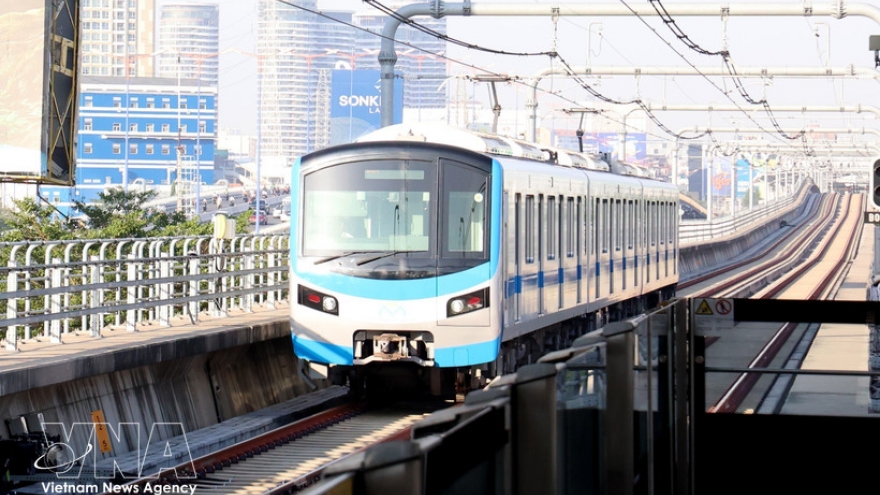
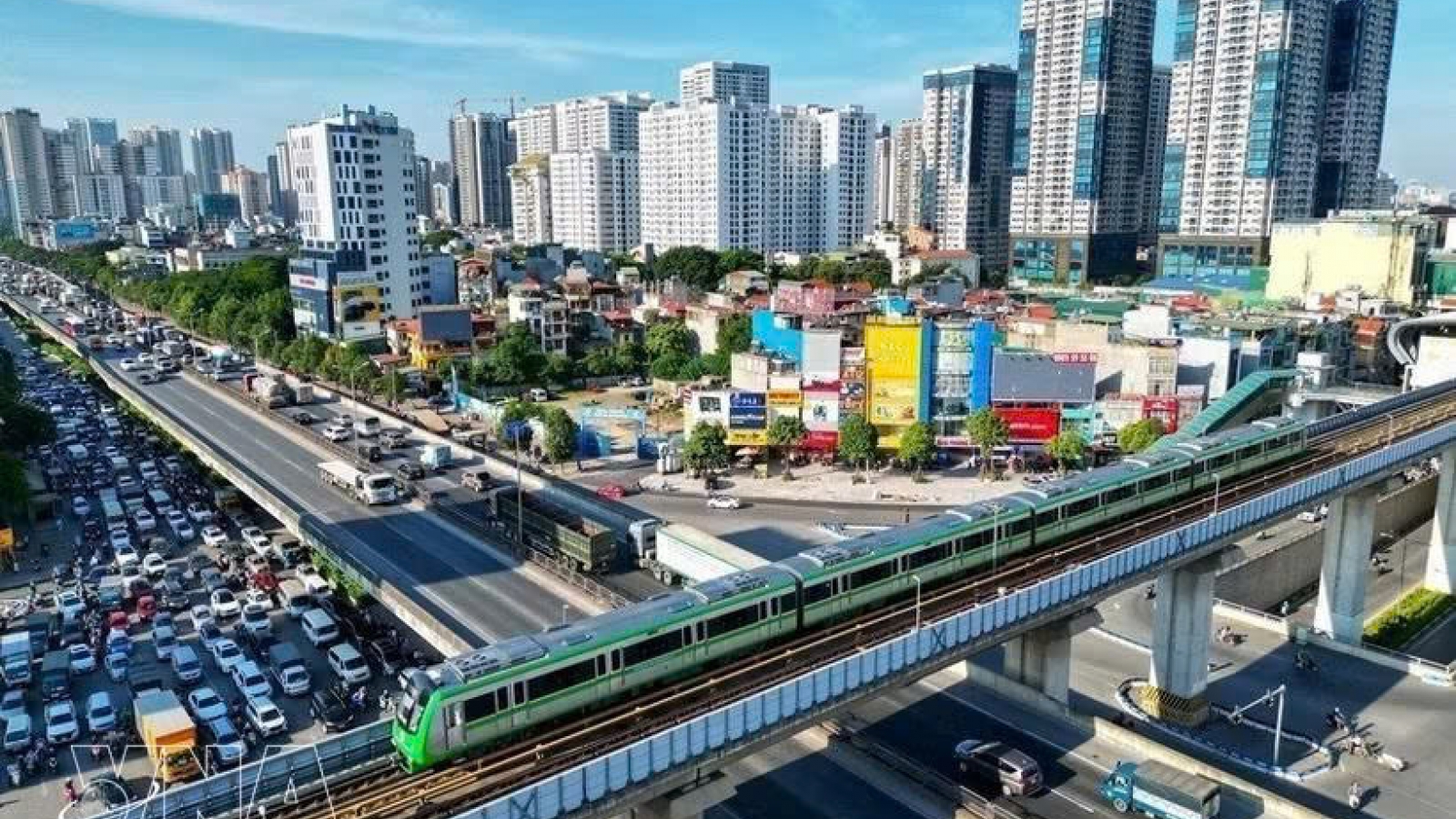
Hanoi launches five metro lines and three rental housing projects

VOV.VN - Hanoi on June 22 simultaneously launched construction of five urban railway (metro) lines and three rental housing projects, marking one of the capital city’s largest infrastructure and housing development initiatives in recent years.
The ceremony was held at the main site of the city’s rental housing project in Viet Hung Ward and was connected online to project locations in Long Bien Ward and the Phap Van–Tu Hiep urban area. It was attended by Prime Minister Le Minh Hung and many other high-ranking officials.
Five metro lines to transform Hanoi's urban transport network

The five metro lines are expected to accelerate the development of Hanoi's public transport system and support the city’s long-term urban expansion strategy.
Metro Line 1 will run from Hung Vuong Stadium through the Railway Industrial Zone, Ngoc Hoi, Hanoi Railway Station, Yen Vien, Thu Lam Urban Area and Noi Bai International Airport. The route is designed as a key north-south transport corridor linking major domestic and international transportation hubs.
Metro Line 2 will connect Noi Bai International Airport with Tran Hung Dao Street, Thuong Dinh and Hung Vuong Stadium, serving as a strategic gateway linking the airport to the city centre.
Metro Line 8 will connect Hoa Lac, Son Dong, Mai Dich, Ring Road 3, Linh Nam and Duong Xa. The line is expected to strengthen east-west connectivity and improve links between Hoa Lac Hi-Tech Park and major industrial and logistics centres in eastern Hanoi.
Metro Line 10 will connect Co Loa, Vo Chi Cong Street, Ring Road 3, Ring Road 2.5, Times City and Co Loa. The project is intended to support the development of new urban growth centres while helping reduce traffic congestion in the city centre.
Metro Line 14 will run from Thang Long Bridge through Hong Ha to Ocean Park, enhancing connectivity between western Hanoi and emerging urban areas in the east.
According to city planners, the metro projects will be developed under the Transit-Oriented Development (TOD) model, integrating public transportation with urban development to create new economic growth poles and maximise land-use efficiency along transport corridors.
Hanoi launches rental housing projects
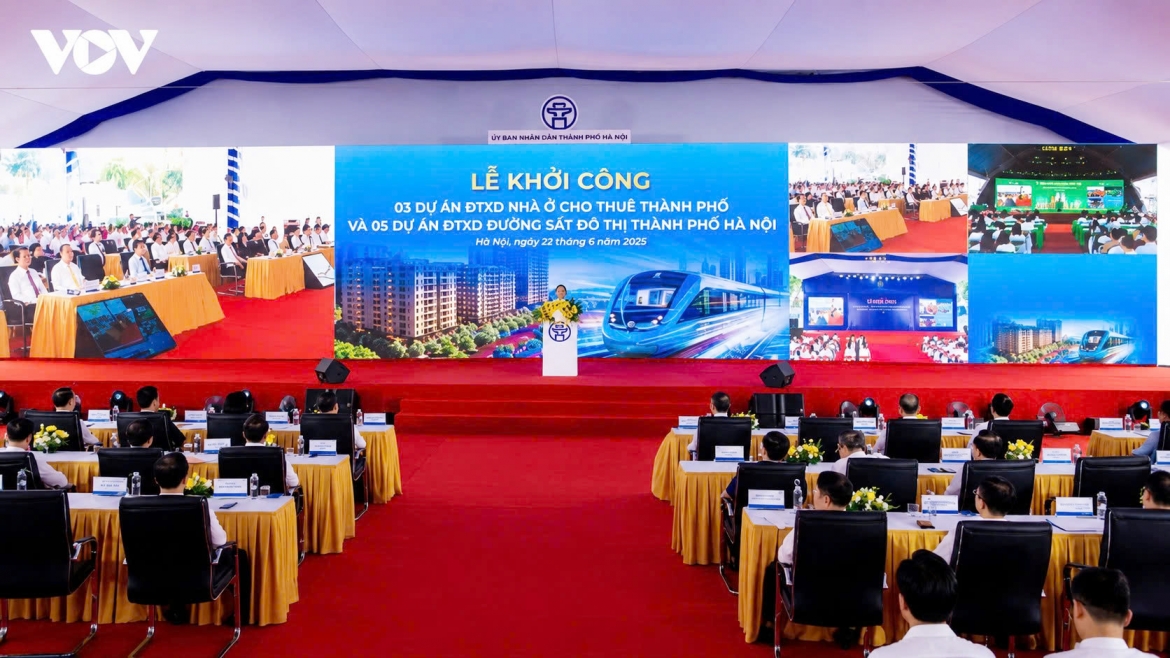
Alongside the metro developments, Hanoi also began construction on three rental housing projects located in Viet Hung, Long Bien and Phap Van–Tu Hiep.
The projects are the first to be implemented under the city’s newly launched rental housing development programme.
The Viet Hung rental housing project alone covers approximately 2.46 hectares and will include seven apartment buildings ranging from 12 to 13 stories. The development is expected to provide 1,166 apartments with a total investment of more than VND3.56 trillion (approximately US$136 million).
City officials described the simultaneous launch of the three projects as a significant shift in Hanoi’s housing policy, moving from a model focused primarily on home ownership and commercial housing toward a more balanced approach that includes large-scale rental housing.
The projects are expected to help expand housing options for residents, ease pressure on home ownership, support labour mobility and contribute to more sustainable urban development.
Overall, the metro network and rental housing developments are expected to play complementary roles in shaping Hanoi's future growth, improving mobility, reducing traffic congestion and creating more accessible housing opportunities for residents.
The projects are also set to stimulate investment, support economic development and strengthen the capital's position as one of Southeast Asia's fastest-growing metropolitan areas.

PM suggests developing long-term rental housing model in Vietnam
VOV.VN - Prime Minister Le Minh Hung has directed the Ministry of Construction to coordinate with Hanoi authorities to study and develop a long-term rental housing model, positioning it as a key solution to meet real housing demand and ease pressure on the capital’s real estate market.