Deputy PM urges shift from innovation activities to measurable results

VOV.VN - Vietnam needs to move from simply having innovation activities to delivering tangible results, with businesses placed at the centre of technological innovation and new sources of economic growth, Deputy Prime Minister Ho Quoc Dung has said.
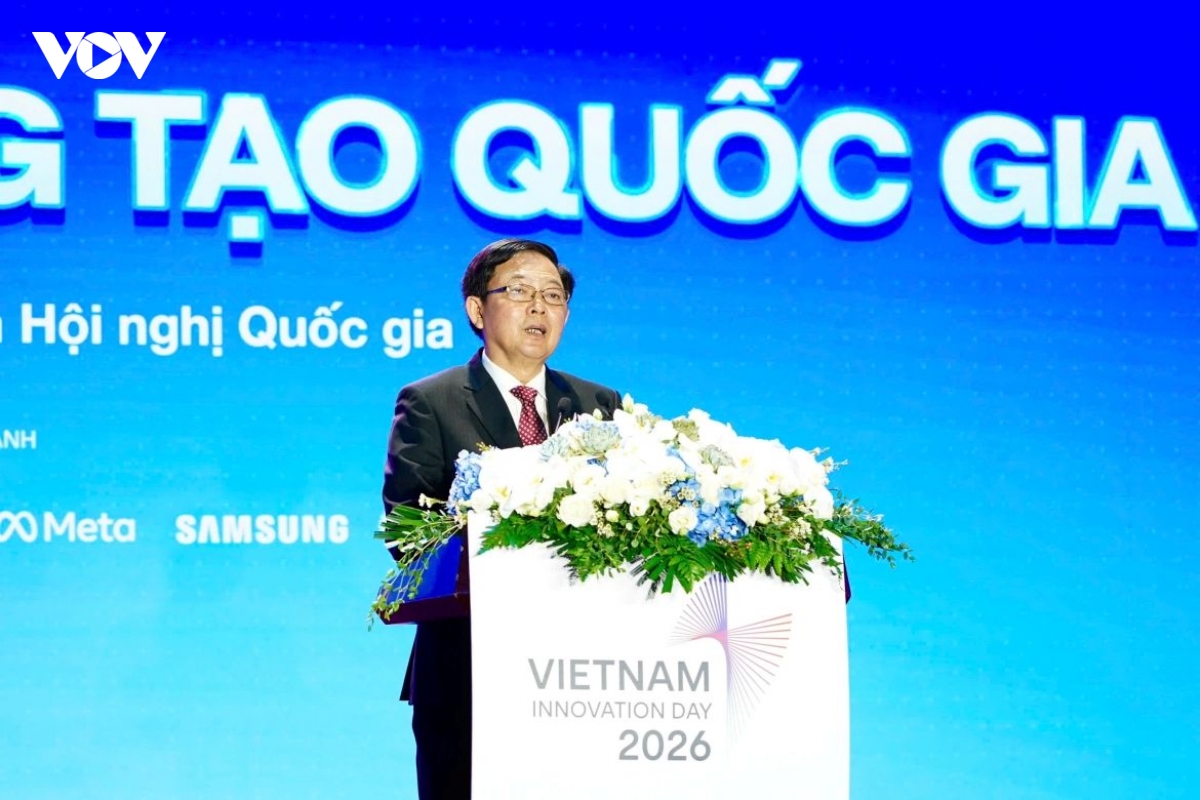
Speaking at National Innovation Day 2026 in Hanoi on October 4, the Deputy Prime Minister emphasised that Vietnam’s pursuit of faster and more sustainable growth requires a shift in its development model and the creation of new growth drivers. Traditional drivers such as investment capital, labour, natural resources and expanded production remain important, but have limited room to sustain high growth over the long term.
The focus, he said, should therefore be on generating new productivity, technologies, products, production and business models, enterprises, markets and sources of added value. Innovation should not be an activity in itself but should contribute directly to productivity, more efficient use of capital and the creation of new products, services and markets.
Businesses at the centre of innovation-driven growth
For businesses, the task is to turn technological advances and research results into practical value by improving product quality, reducing costs, expanding markets and moving deeper into value chains.
This makes businesses a critical link between innovation and economic growth, as they identify market needs, define practical problems, invest resources, adopt technologies, organise production and bring products to consumers, the Deputy Prime Minister said.
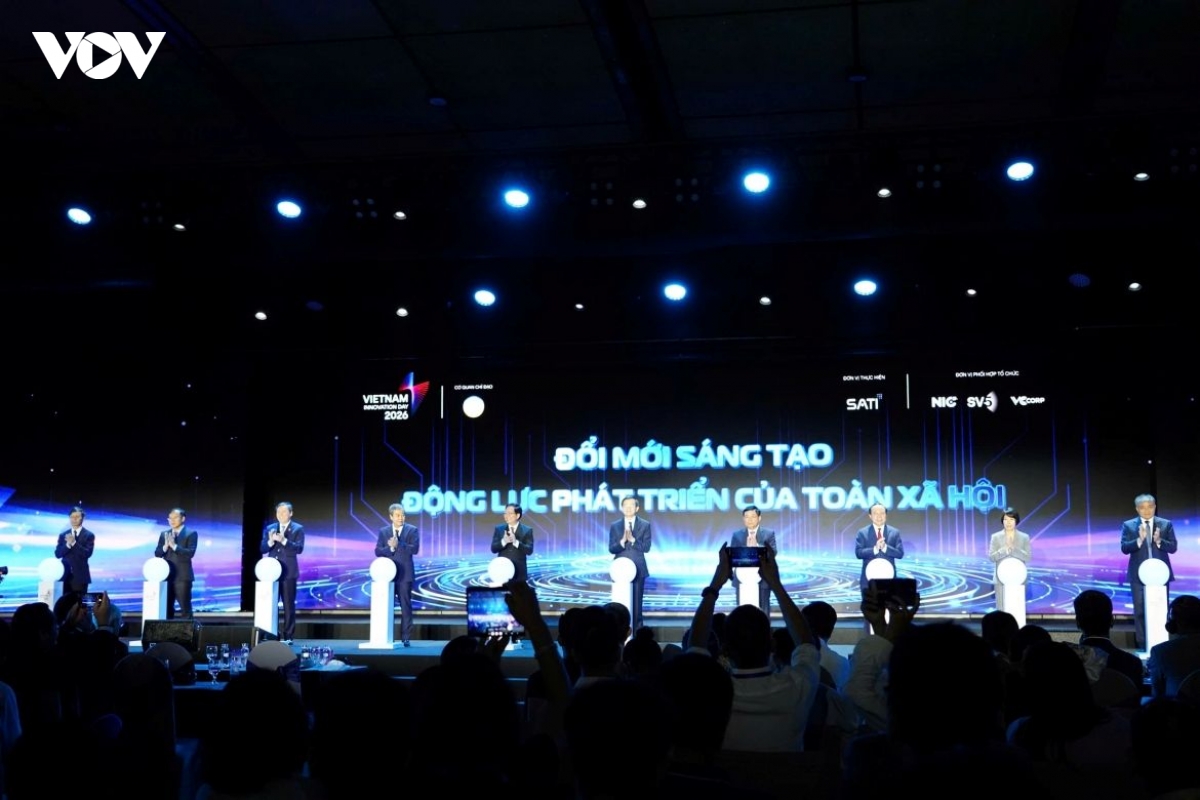
Vietnam has made progress in building its innovation ecosystem. The country ranked 43rd among 139 economies in the Global Innovation Index 2026, one place higher than in 2025. Its innovation and startup ecosystem includes more than 4,000 enterprises, organisations and individuals, around 208 venture capital funds and more than 1,400 support organisations. Some 34.6% of businesses have innovation activities, while 20 science and technology exchanges are operating.
However, these results are below the level required to strengthen the economy’s competitiveness. The proportion of domestic businesses engaged in technological innovation is low, while many companies are still concentrated in processing and assembly with relatively low added value and limited mastery of core technologies. The science and technology market and technology exchanges also face constraints.
Given the fact, the Deputy Prime Minister called for a stronger focus on implementation, shifting from “having innovation activities” to “having innovation results”. Policies should place greater emphasis on strengthening businesses’ capacity to innovate, while research institutes and universities should bring knowledge and technology closer to practical needs and those of enterprises.
Turning innovation into measurable outcomes
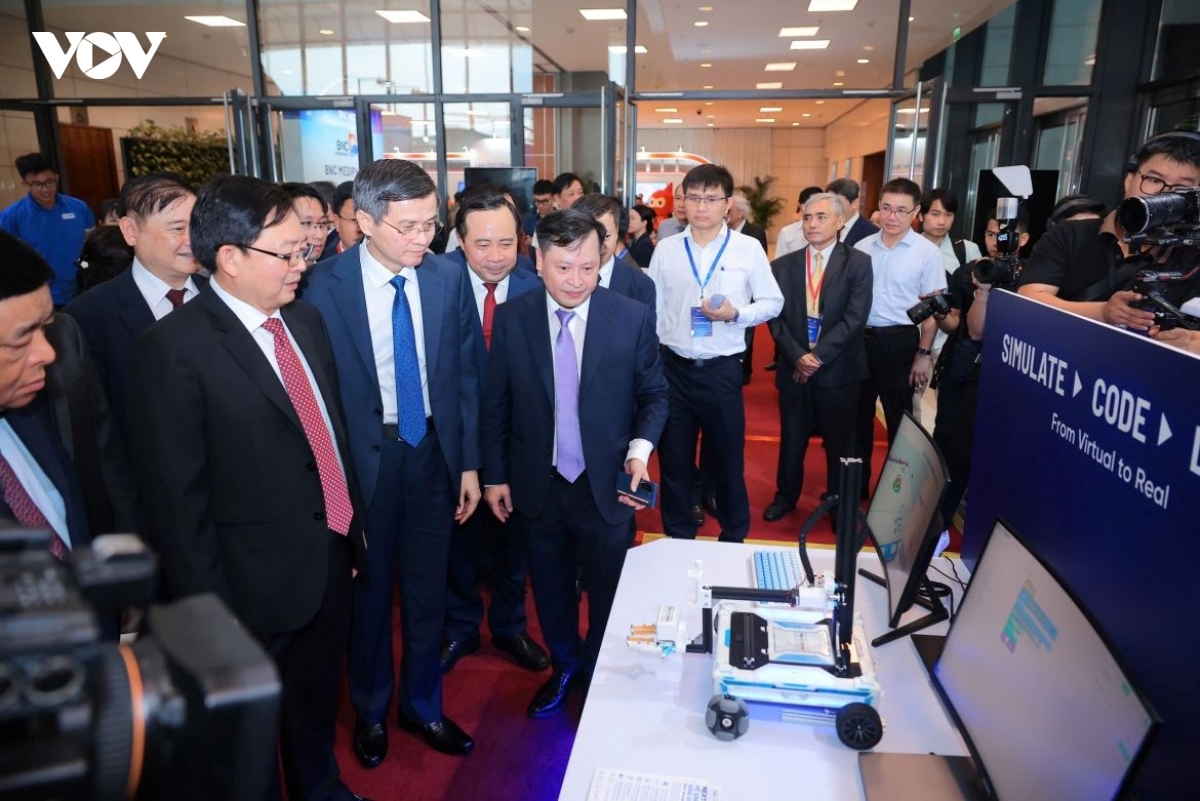
To translate the shift into results, the Deputy Prime Minister outlined three priorities.
First, ministries, sectors, localities and their leaders must take clear responsibility for innovation. Each ministry and sector should identify priority innovation challenges, incorporate innovation goals, tasks and indicators into its development plans, allocate resources and regularly assess results and impact.
Second, technological innovation in businesses must be accelerated alongside development of the science and technology market. The aim is to establish stronger links between businesses’ technology needs and the supply of technologies, experts, finance, intellectual property and intermediary organisations.
Third, Vietnam needs to strengthen its national innovation system, human resources and international cooperation. Innovation centres should serve as hubs connecting businesses with research institutes, universities, experts, investors and other resources, while research institutions and universities should step up technology transfer, commercialisation of research results, development of innovative startups and training of high-quality talent.
The Deputy Prime Minister also stressed that international cooperation in innovation should directly contribute to strengthening Vietnam’s domestic technological capacity and its position in global innovation networks.
The message from National Innovation Day 2026, therefore, goes beyond promoting new technologies or showcasing innovation initiatives. The emphasis is on turning innovation into practical outcomes, including higher productivity and competitiveness for the economy, stronger technological capabilities for businesses, and ultimately better jobs, incomes, products and services for people.
Up to US$192,000 available for each AI technology innovation task
The National Technology Innovation Fund under the Ministry of Science and Technology plans to select 15 AI-based technology innovation tasks in 2026, with state funding of up to VND3 billion (US$192,000) per task, heard a workshop in Ho Chi Minh City on September 30.