Top leader To Lam’s Russia visit seen as milestone for comprehensive strategic partnership

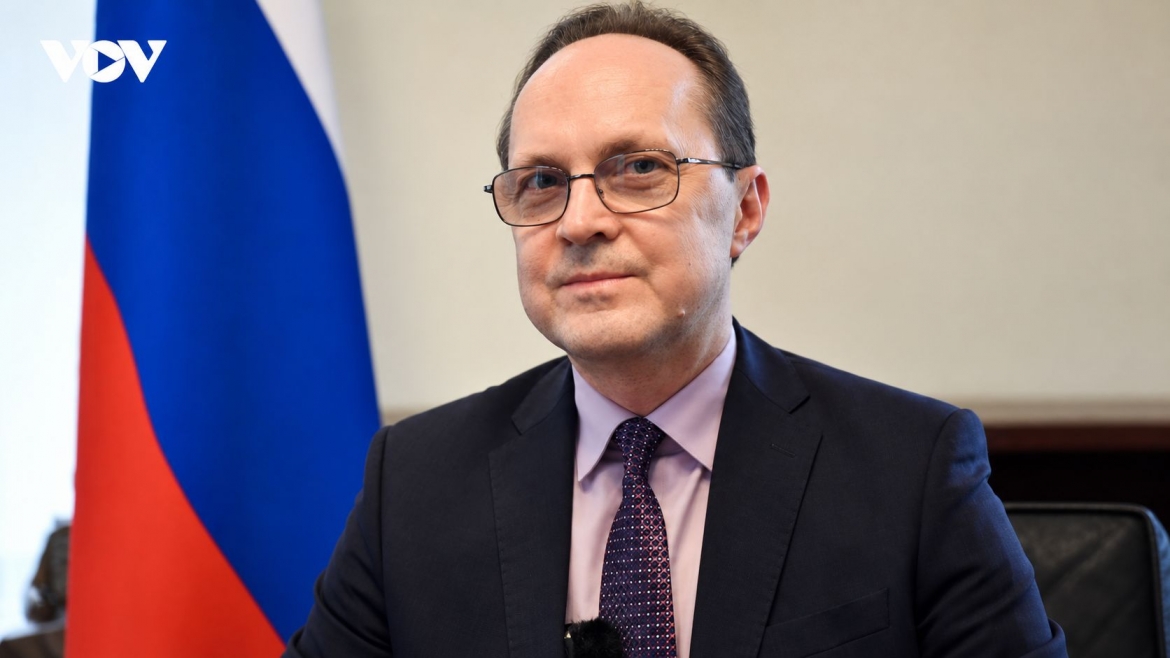
VOV.VN - Russian Ambassador to Vietnam Gennady Bezdetko expects Vietnam’s top leader To Lam’s State visit to Russia from September 7-9 to mark an important milestone in the development of the Russia-Vietnam comprehensive strategic partnership, opening new avenues for cooperation and enhancing coordination in multilateral mechanisms.
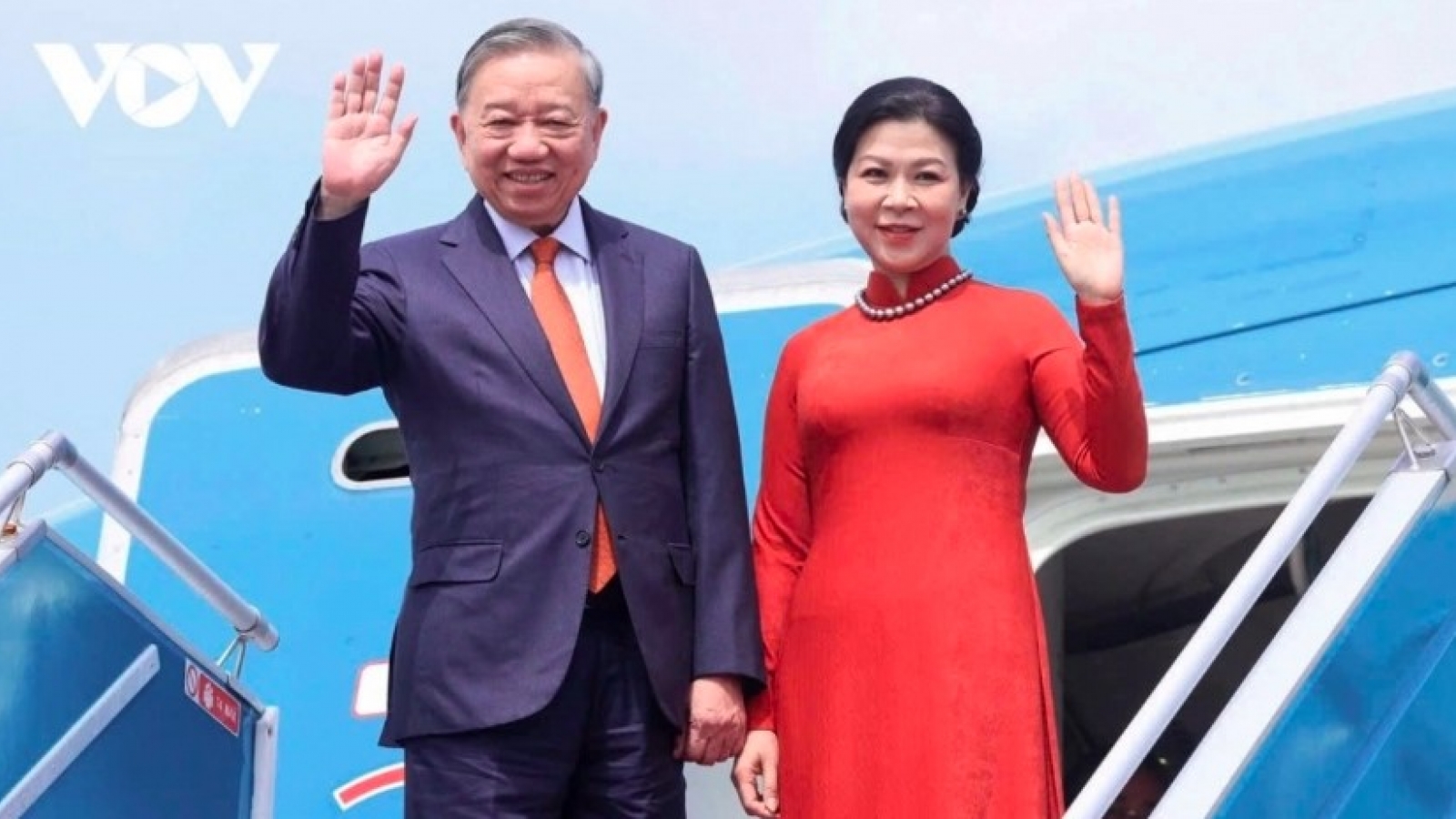
A high-ranking Vietnamese delegation led by General Secretary of the Communist Party of Vietnam Central Committee and President To Lam and his spouse will begin a State visit to the Russian Federation on September 7 at the invitation of President Vladimir Putin.
Speaking to VOV ahead of the visit, Russian Ambassador to Vietnam Gennady Bezdetko said Russia-Vietnam relations are developing dynamically across a wide range of areas, underpinned by longstanding friendship and mutual understanding.
Regular and substantive political dialogue at all levels, particularly at the highest level, is one of the decisive factors in consolidating and developing bilateral relations.
He described Party General Secretary and President To Lam’s visit as an important milestone in the development of the Russia-Vietnam comprehensive strategic partnership, expressing his hope that the two sides would hold substantive discussions on issues on the agenda, agree on long-term areas of cooperation and make concrete decisions to further consolidate bilateral ties.
Opening new avenues for cooperation
Ambassador Bezdetko said trade and investment, science and technology, and humanitarian cooperation between the two countries have gained fresh momentum in recent years.
In the economic sphere, the two sides have set a medium-term target of raising bilateral trade to US$15 billion. Despite difficulties related to sanctions and geopolitical instability, two-way trade increased 6% in 2025 and 14% in the first six months of 2026.
According to the ambassador, it is important to continue exploring areas with greater potential for substantive cooperation, including energy.
Oil and gas cooperation remains a traditional area of bilateral ties. The Vietsovpetro joint venture, which has operated on Vietnam’s continental shelf since 1981, is a notable example of effective bilateral cooperation. Since 2008, a “reciprocal” joint venture, Rusvietpetro, has also been operating in Russia’s Nenets Autonomous Okrug.
Last year, the two sides signed an intergovernmental agreement expanding the areas of operation for geological exploration and oil and gas production on Vietnam’s continental shelf and in the territory of the Russian Federation. The agreement has created more favourable operating conditions for both companies.
Vietnam and Russia are also studying the possibility of supplying Russian liquefied natural gas (LNG) to Vietnam and developing the necessary production infrastructure with the participation of NOVATEK. New opportunities are also emerging in low-carbon and renewable energy.
In particular, in March 2026, the two sides signed an intergovernmental agreement on cooperation in building Vietnam’s first nuclear power plant with the participation of Rosatom.
Sci-tech, innovation, human resource training – major cooperation pillars
Science and technology, innovation and human resource training have also been identified by the Russian ambassador as priority areas for cooperation.
The Vietnam-Russia Tropical Centre is conducting research on marine science, ecology, climate change, medicine and materials science, as well as human resource training. The two countries have designated 2026 as the “Year of Russia-Vietnam Cooperation in Science and Education”, creating further opportunities to expand academic exchanges and establish long-term technology links.
The two sides are also promoting cooperation in smart cities, one-stop public services, database security and the application of digital solutions in transport and industrial areas. Artificial intelligence and information security are among the priority fields.
Amid the current geopolitical situation, pooling resources and sharing advanced expertise in strategic sectors have become increasingly essential, he stressed.
Ambassador Bezdetko underscored that human resources are a long-term asset of bilateral relations. More than 500 cooperation agreements are currently being implemented between educational and scientific institutions of the two countries. The two sides aim to develop joint training programmes, dual-degree programmes and academic exchange projects.
If we can combine the human capital accumulated over decades with new innovation strategies and the achievements of technological progress, educational cooperation can become an additional driver for large-scale scientific, technological and economic projects between Russia and Vietnam.
Enhancing coordination in multilateral mechanisms
Alongside bilateral cooperation, Russia and Vietnam are also stepping up coordination in multilateral mechanisms.
Ambassador Bezdetko said the two countries share a desire to build a fair and multipolar world order based on adherence to fundamental norms of international law, including the purposes and principles of the United Nations Charter.
According to him, bilateral coordination in multilateral mechanisms has produced notable results, including an agreement to develop the first UN convention on countering cybercrime in history, with the signing ceremony held in Hanoi in October 2025.
Russia also welcomed Vietnam’s becoming a BRICS partner country and values Vietnam’s support for Russia-ASEAN strategic partnership relations.
The ambassador noted that stronger coordination within ASEAN, the Shanghai Cooperation Organisation, the Eurasian Economic Union and other multilateral structures across Eurasia would help advance cooperation and contribute to building an equal and indivisible security architecture across the continent.
Russia views Vietnam as a long-standing and trusted partner
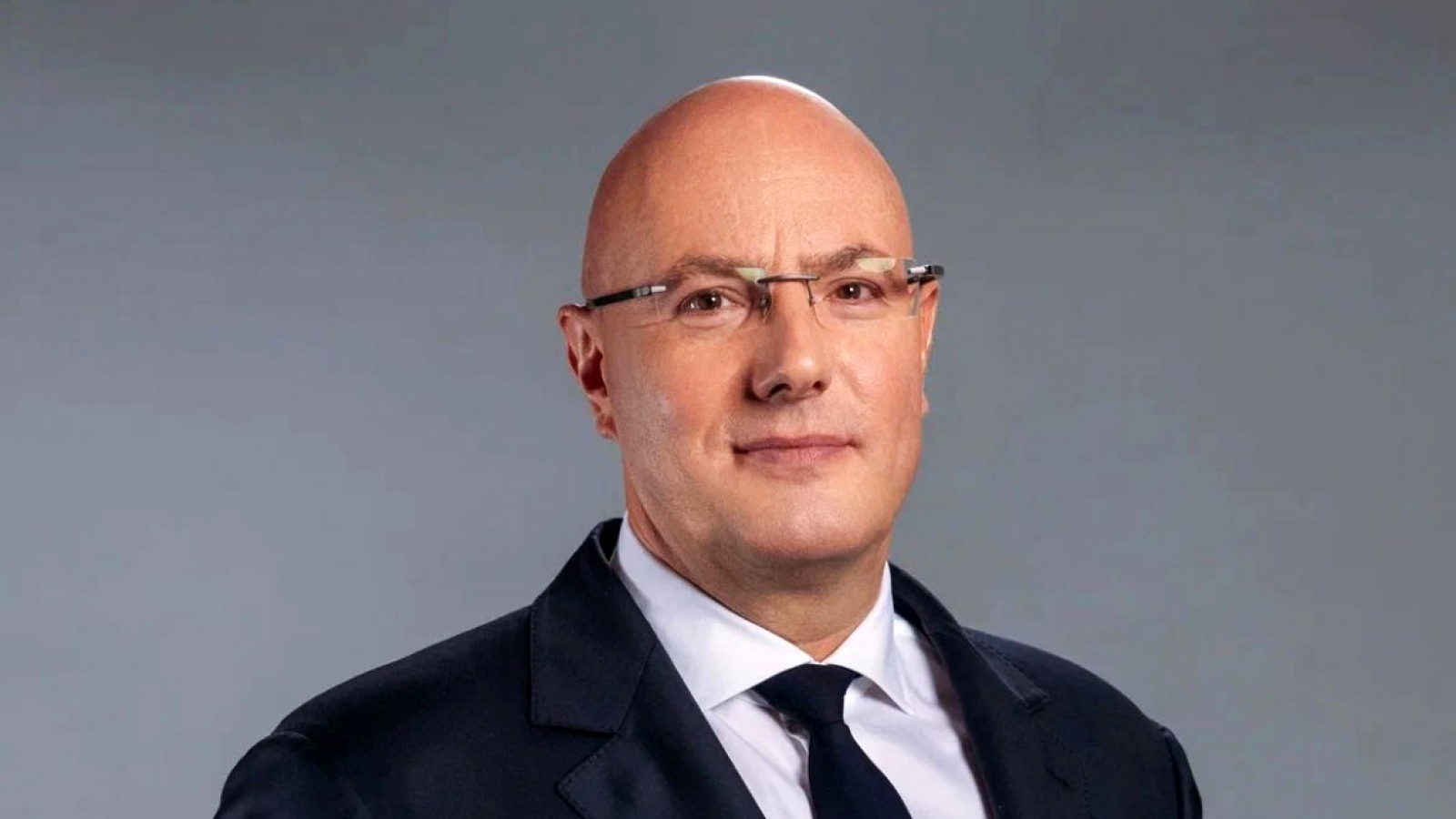
VOV.VN - Russian Deputy Prime Minister Dmitry Chernyshenko has described Vietnam as a long-standing and trusted partner of Russia, expressing his hope that top Vietnamese leader To Lam’s State visit from September 7-9 will give fresh impetus to the comprehensive strategic partnership and expand cooperation in various areas.