Russia views Vietnam as a long-standing and trusted partner

VOV.VN - Russian Deputy Prime Minister Dmitry Chernyshenko has described Vietnam as a long-standing and trusted partner of Russia, expressing his hope that top Vietnamese leader To Lam’s State visit from September 7-9 will give fresh impetus to the comprehensive strategic partnership and expand cooperation in various areas.
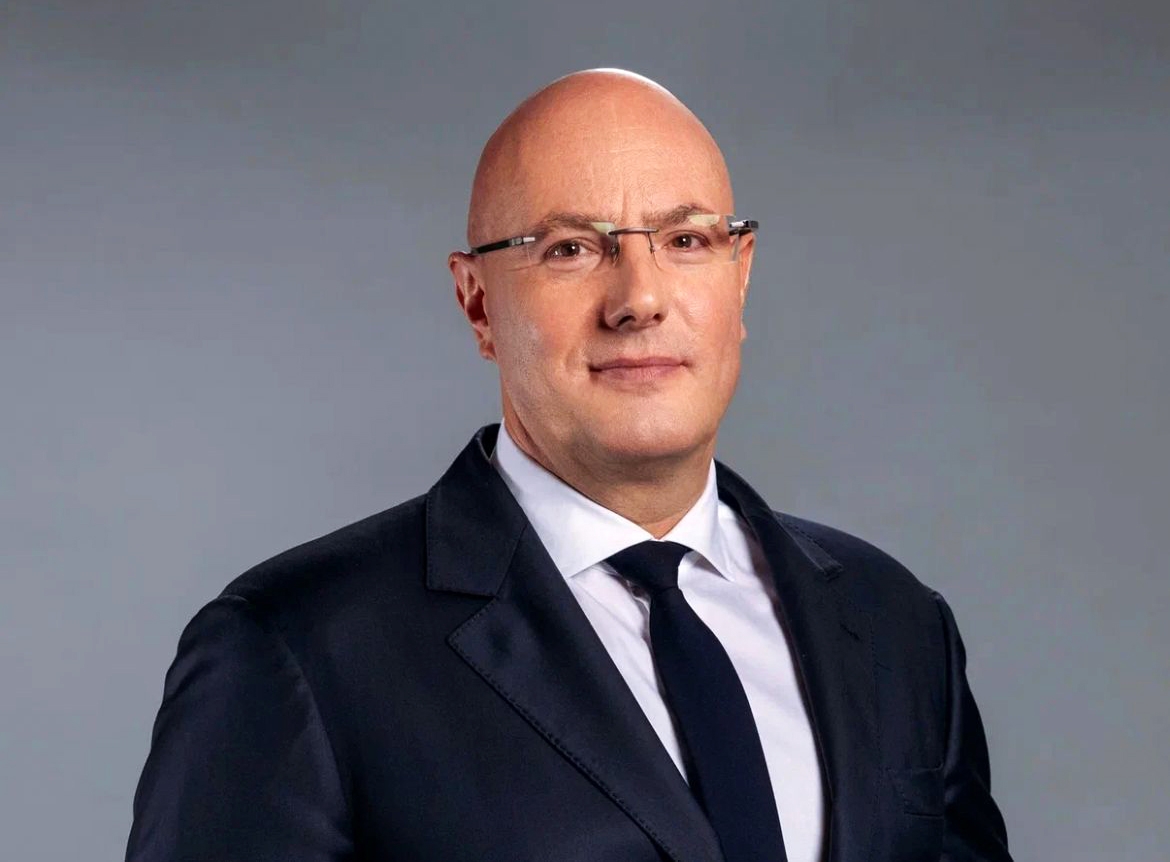
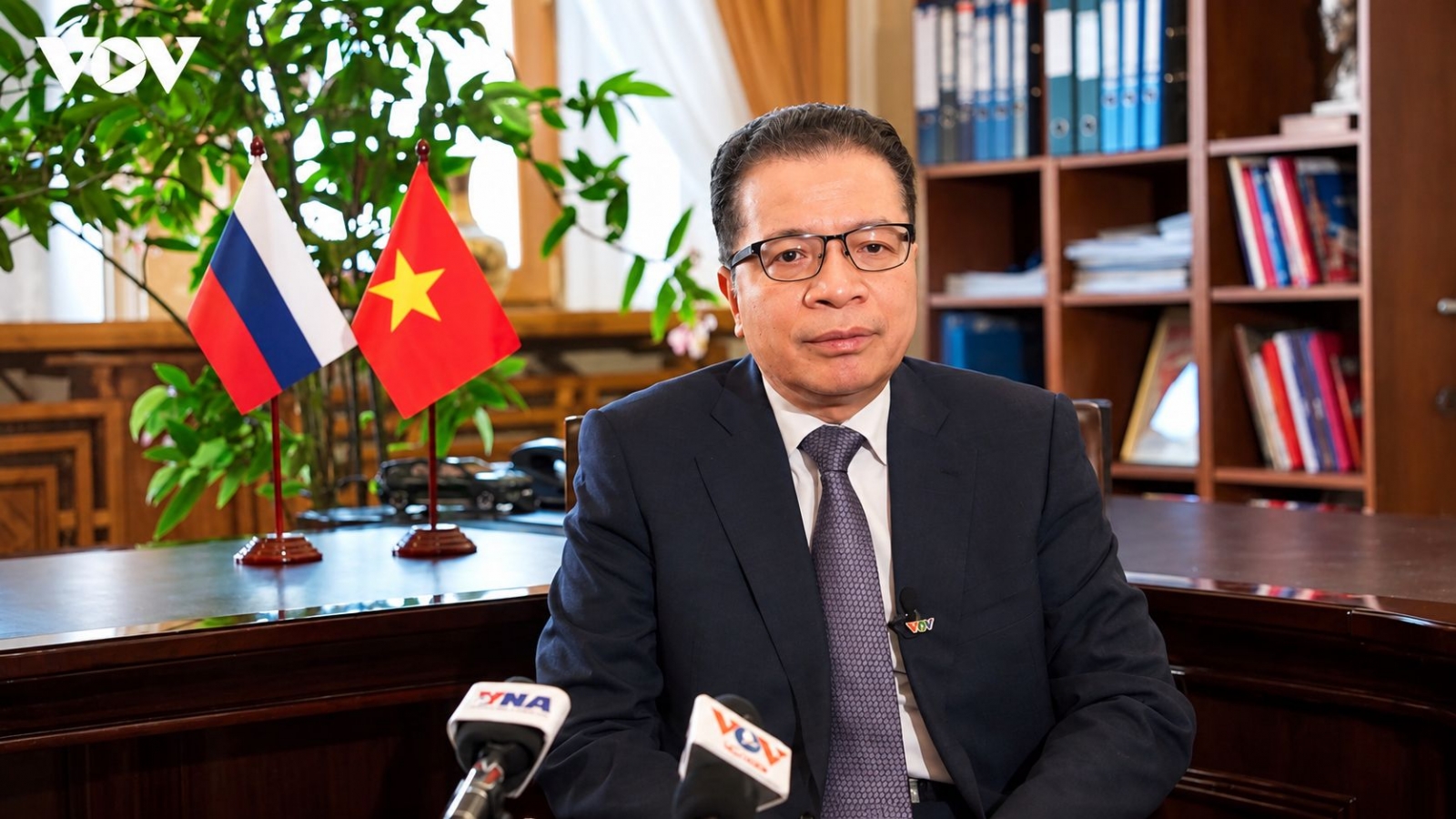
Speaking to a Moscow-based VOV correspondent ahead of the visit at the invitation of President Vladimir Putin, Chernyshenko underscored the significance of the trip as Vietnam-Russia relations continue to be strengthened on the foundation of longstanding friendship, mutual support and regular, trusted high-level contacts.
According to the Russian Deputy Prime Minister, the joint statement on further deepening the comprehensive strategic partnership adopted by the two countries in June 2024 set out new directions for bilateral cooperation in the years ahead. This momentum has continued through talks in 2025 between Russian President Vladimir Putin and General Secretary of the Communist Party of Vietnam Central Committee and President To Lam.
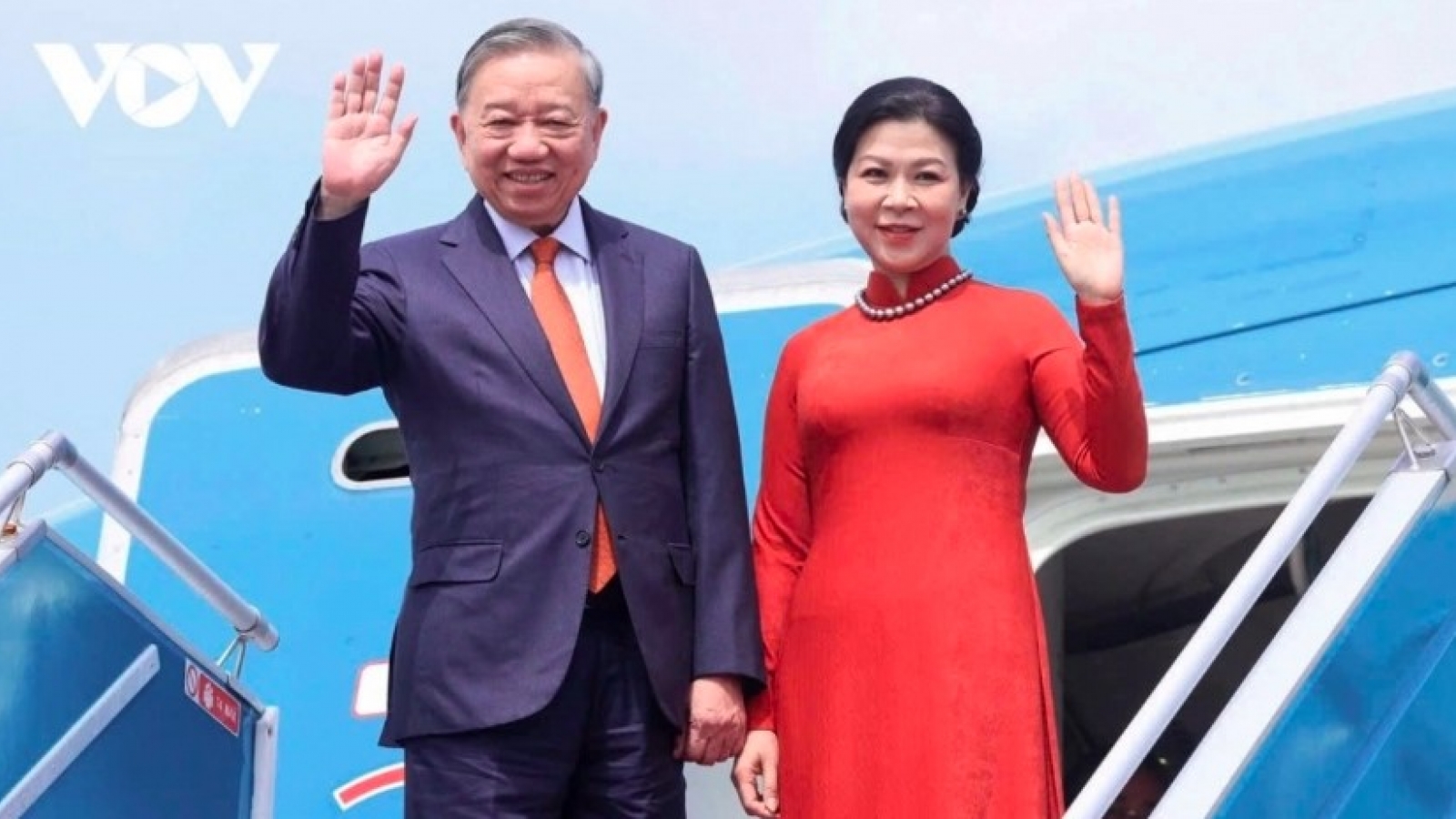
In this context, the State visit by the top Vietnamese leader this time is expected to mark an important milestone, giving fresh impetus to bilateral cooperation in trade and economic ties, science and technology, humanitarian affairs and education.
Science, technology and education offer major potential
Deputy Prime Minister Chernyshenko spoke highly of the foundation for cooperation in science and education, including the Russia-Vietnam Joint Commission for Cooperation in Education, Science and Technology, the Intergovernmental Commission on Trade, Economic and Scientific-Technological Cooperation, and the Vietnam-Russia Tropical Centre.
The year 2026 has been designated the Year of Russia-Vietnam Cooperation in Science and Education. According to Chernyshenko, there remains considerable room to expand funding for joint research, academic exchanges and technical training, while promoting cooperation in high-tech fields such as artificial intelligence, cybersecurity and renewable energy.
Cooperation in marine research is also expanding. The two countries have conducted joint surveys since 2018 and signed a roadmap for cooperation in marine scientific research for 2026-2035 in December 2025. Russia’s scientific research vessel Professor Gagarinsky has also been handed over to the Tropical Centre and conducted a survey of Vietnam’s coastal waters in 2026.
According to the Russian Deputy Prime Minister, more than 500 cooperation agreements have been signed between universities and scientific organisations of the two countries.
Creating fresh momentum for trade and investment
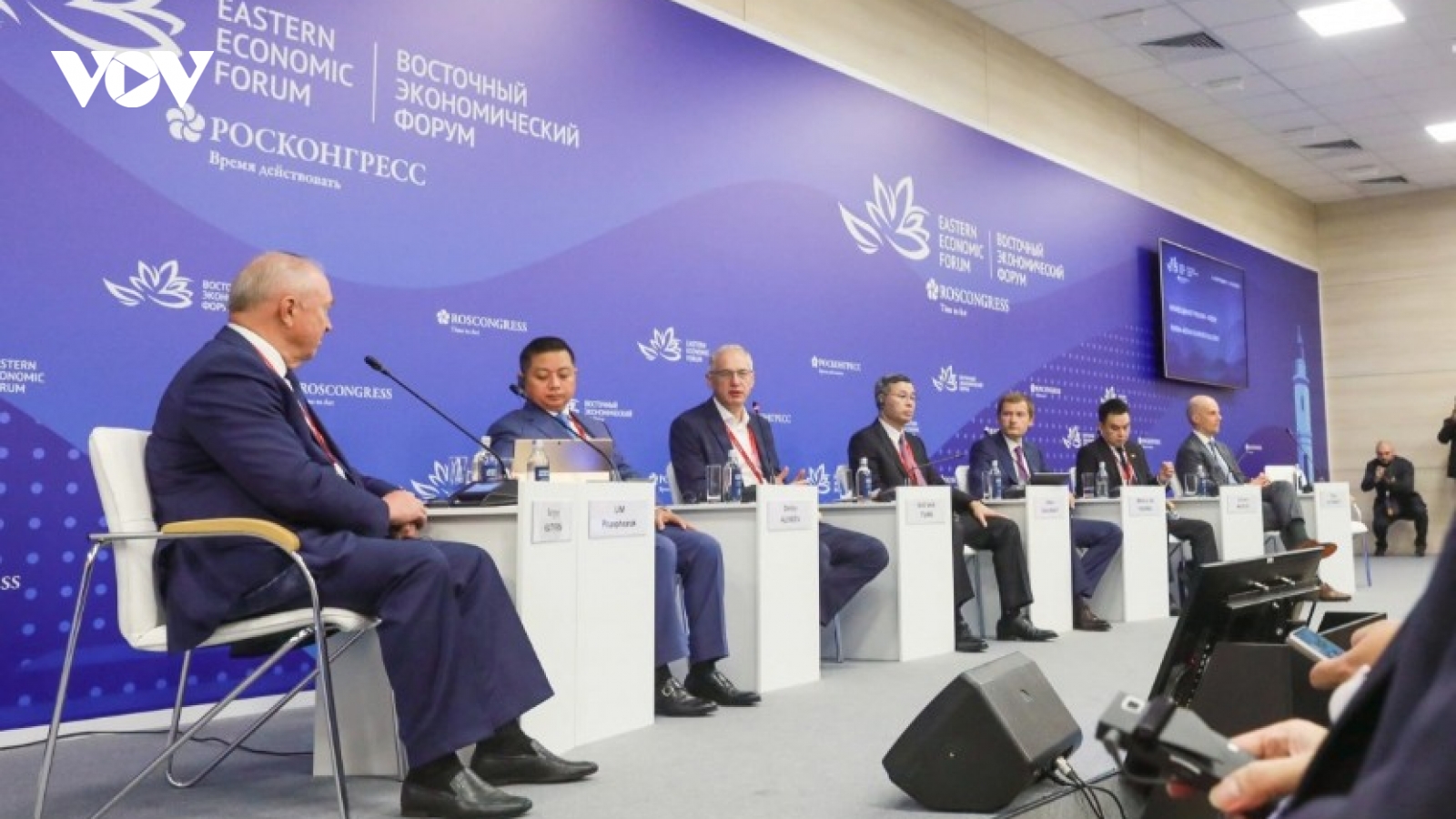
In the economic sphere, Deputy Prime Minister Chernyshenko said that after 10 years of implementing the Free Trade Agreement between the Eurasian Economic Union and Vietnam, much of the potential from tariff reductions has been tapped. The two countries therefore need to establish new foundations for trade and investment cooperation.
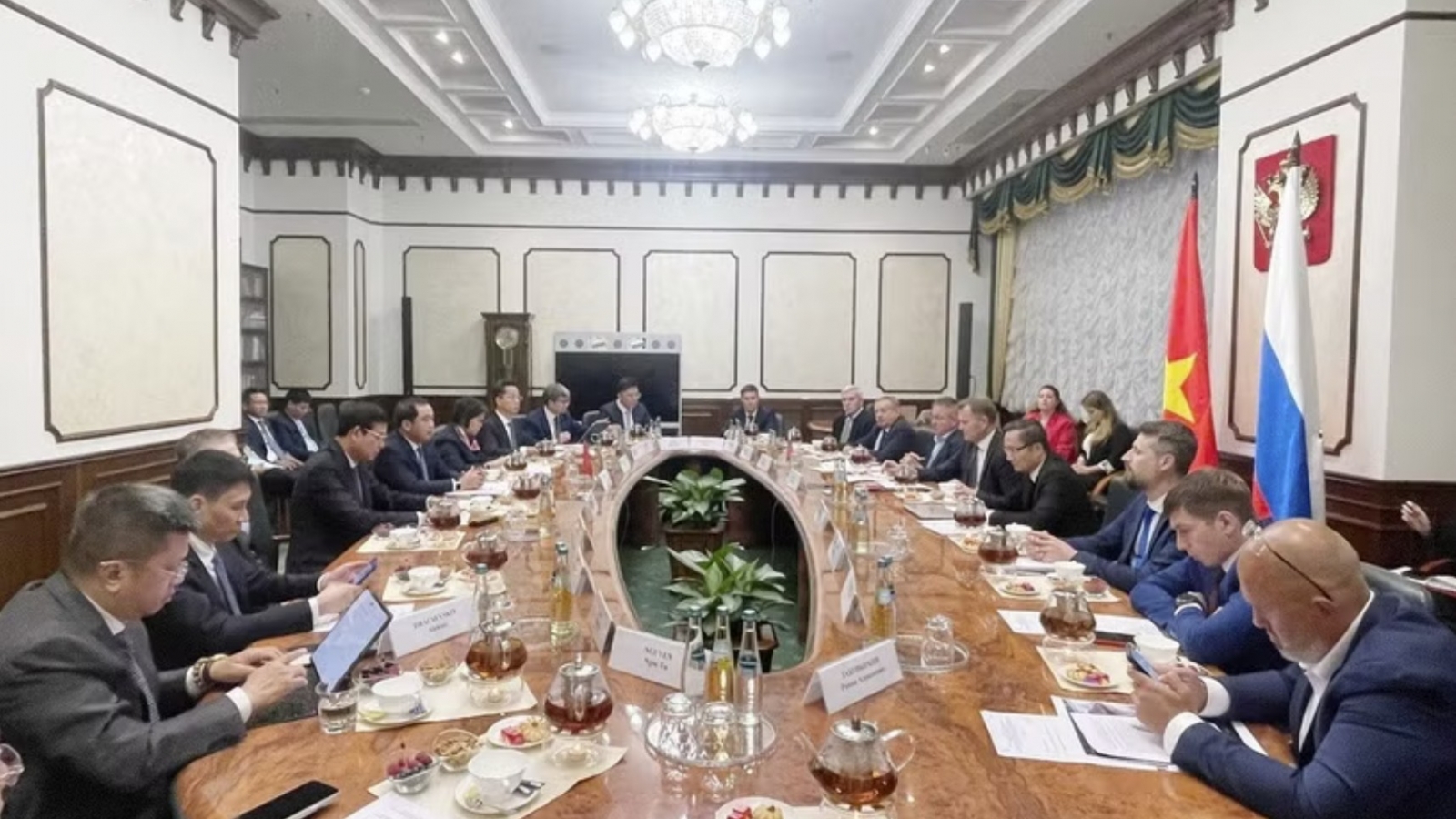
The Russia-Vietnam Master Plan for Cooperation until 2030 sets a target of raising bilateral trade to US$15 billion. However, Chernyshenko suggested, the focus ahead should go beyond increasing exports of individual products to promoting technological and manufacturing cooperation, helping Vietnam strengthen its technological self-reliance while creating additional opportunities for Russia to expand exports.
Areas of Russian interest include energy and energy equipment, railways and metro systems, mining and mineral processing, agriculture and food processing, pharmaceuticals and medical equipment, as well as digital technologies.
The two sides should also continue addressing issues related to payments and logistics, finding trusted partners and adapting Russian products to the Vietnamese market.
A new area of cooperation highlighted by the Russian Deputy Prime Minister is e-commerce. He said stronger links between e-commerce platforms in the two countries could help Russian manufacturers, particularly small and medium-sized enterprises, gain easier access to the Vietnamese market.
Strengthening the social foundation of bilateral ties
Energy is an area of strong Russian interest, including nuclear energy. The Vietnamese Government plans to provide 59 scholarships in the current academic year for nuclear energy training at Russian universities. The two sides are also cooperating in training in hydrogen, renewable energy, power and electrical engineering, the aviation industry and information technology.
In education and people-to-people exchanges, more than 3,000 Vietnamese students are currently studying at Russian universities, while around 350 Russian students are learning Vietnamese at 10 universities in Vietnam.
Deputy Prime Minister Chernyshenko said student exchanges, joint educational and scientific projects, youth forums and cultural programmes would help young people in the two countries deepen mutual understanding, build direct connections and strengthen the social foundation of Vietnam-Russia relations.
Building on the friendship and cooperation developed over many decades, the Russian Deputy Prime Minister expressed his confidence that continued expansion of bilateral cooperation across multiple fields would help consolidate friendship and trust and lay a firm foundation for Vietnam-Russia relations in a new period of development.
Top leader To Lam’s trip to Russia and France seeks to turn commitments into action
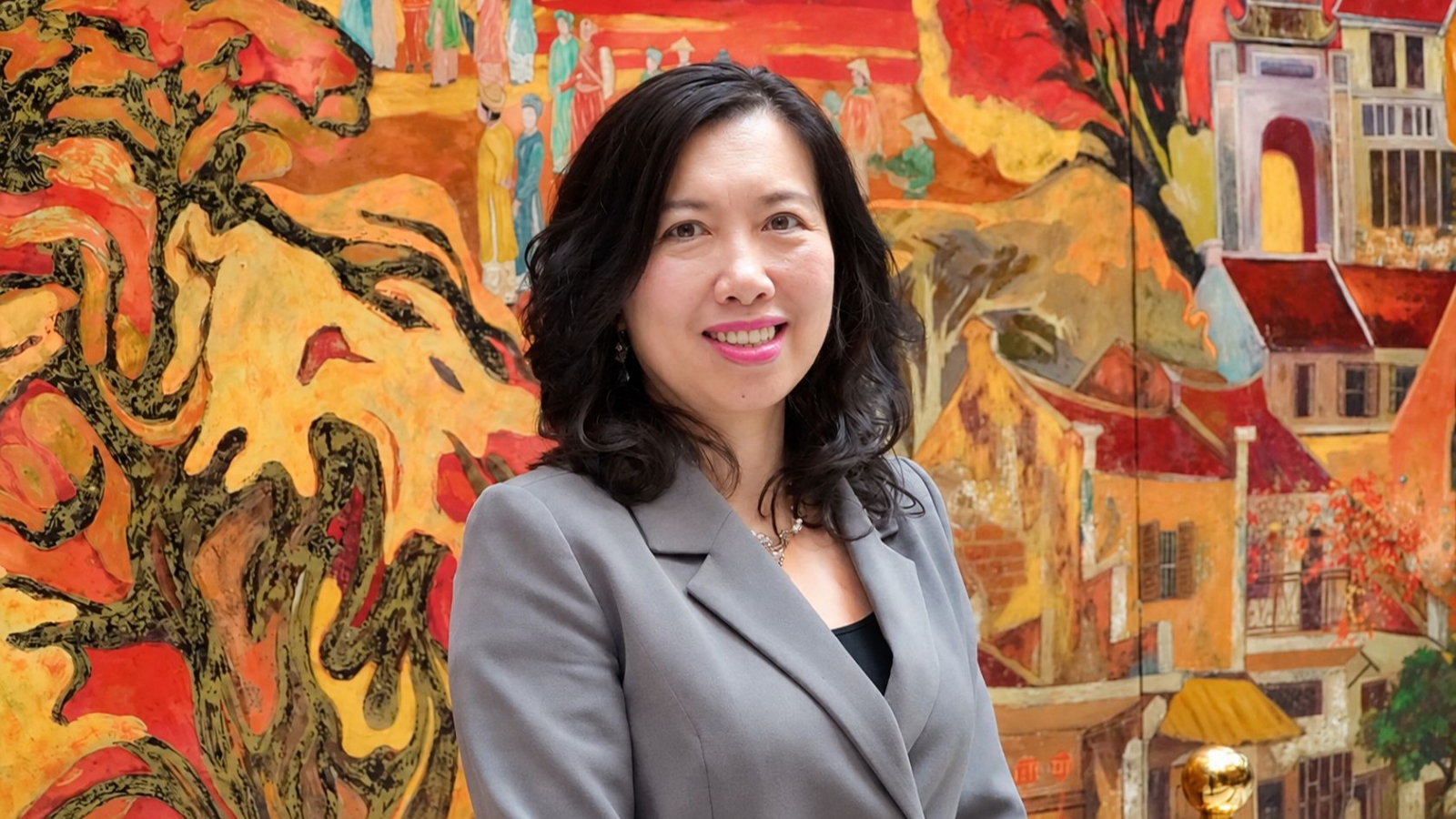
VOV.VN - General Secretary of the Community Party of Vietnam Central Committee and President To Lam’s September 7-12 trip to Russia and France, is expected to help turn existing cooperation frameworks and commitments into more substantive and effective programmes and projects.