Top leader To Lam’s Russia visit to give fresh impetus to bilateral ties

VOV.VN - The coming State visit to Russia by General Secretary of the Communist Party of Vietnam Central Committee and President To Lam is expected to reinforce political trust and open new avenues for practical cooperation, giving fresh impetus to the Vietnam-Russia comprehensive strategic partnership in a new period.
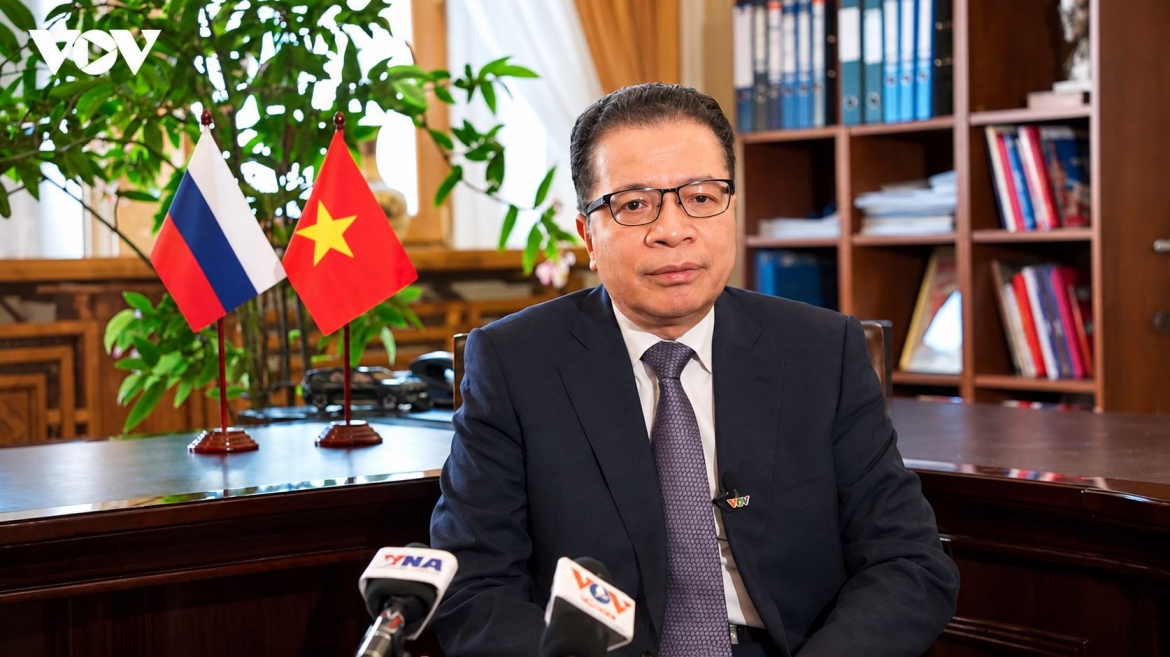
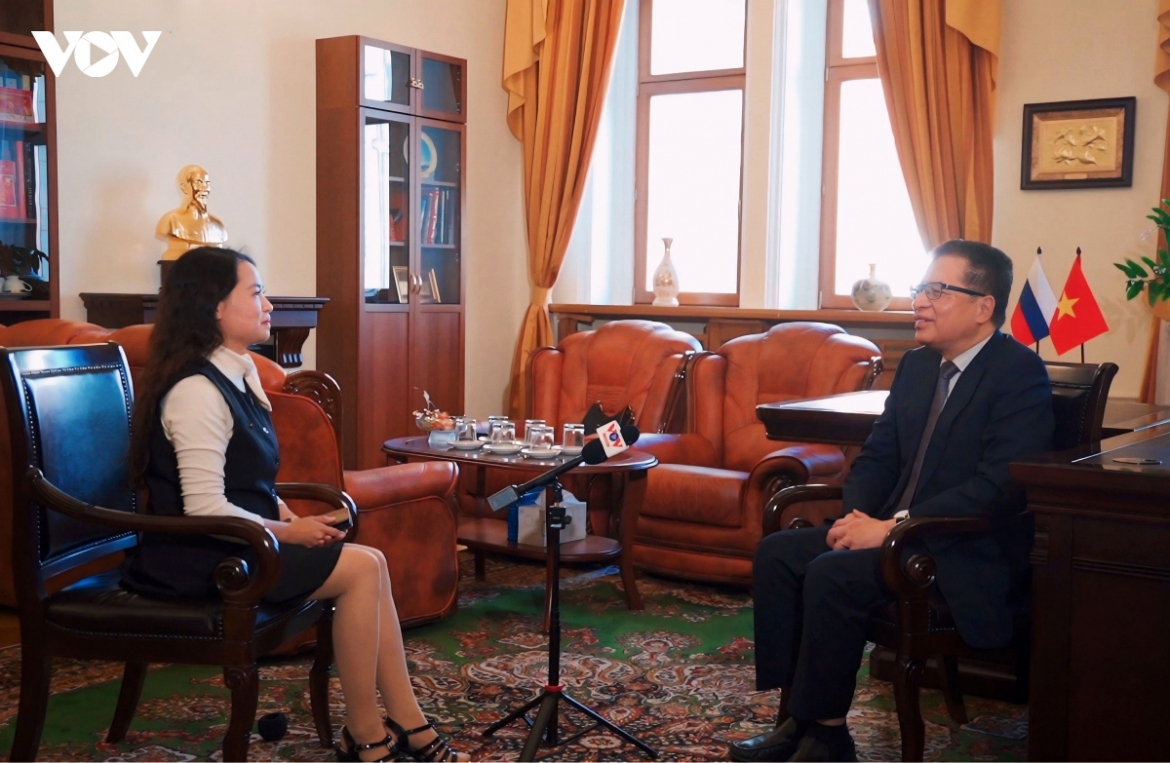
In an interview with Moscow-based VOV correspondents ahead of the September 7-9 State visit, Vietnamese Ambassador to Russia Dang Minh Khoi said the visit is particularly significant as it marks the first State visit to Russia by Vietnam’s top Party and State leader in both his capacities as Party General Secretary and President.
The visit also demonstrates the enduring vitality of Vietnam-Russia relations, which have evolved over more than a century, beginning with President Ho Chi Minh’s first arrival in Russia on his journey to seek a path for national liberation.
Despite major changes over the years, the relationship has continued to be strengthened through the bonds, support and mutual assistance between the two peoples. Ambassador Khoi noted that continuing to accompany each other on the development paths of the two countries is both rooted in history and in their shared interests.
The visit also carries an important political message, underscoring the importance both sides attach to their friendship and cooperation and their determination to further deepen the comprehensive strategic partnership.
“For Vietnam, Russia has always been one of the top priorities in the country’s foreign policy, while for Russia, Vietnam has long been regarded as one of its most important partners in the Asia-Pacific region,” the ambassador stressed.
From political trust to concrete cooperation
According to Ambassador Khoi, high-level meetings and contacts play a particularly important role in providing strategic direction for bilateral relations, maintaining and strengthening political trust, and creating a framework for turning broad orientations into concrete cooperation projects.
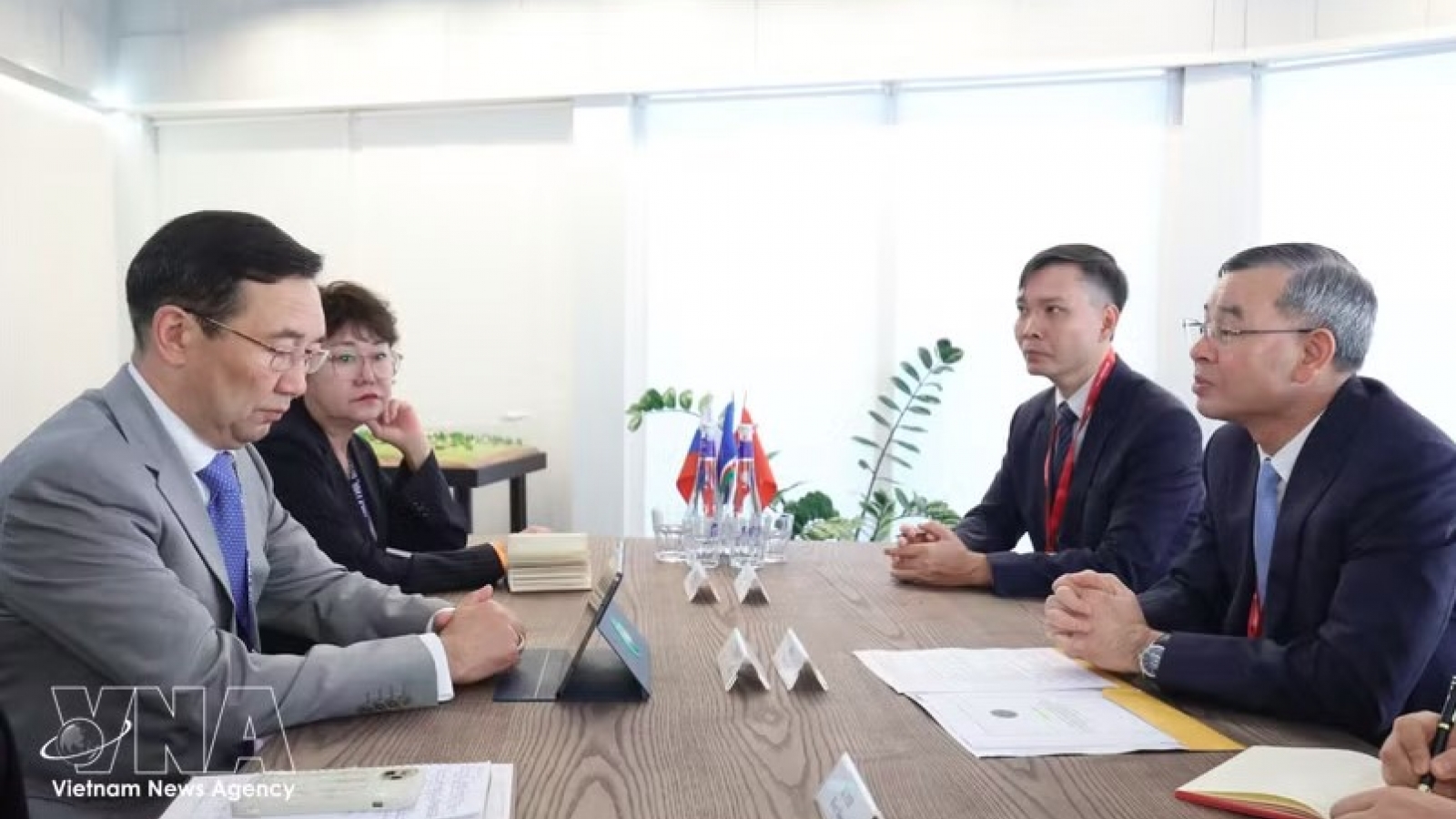
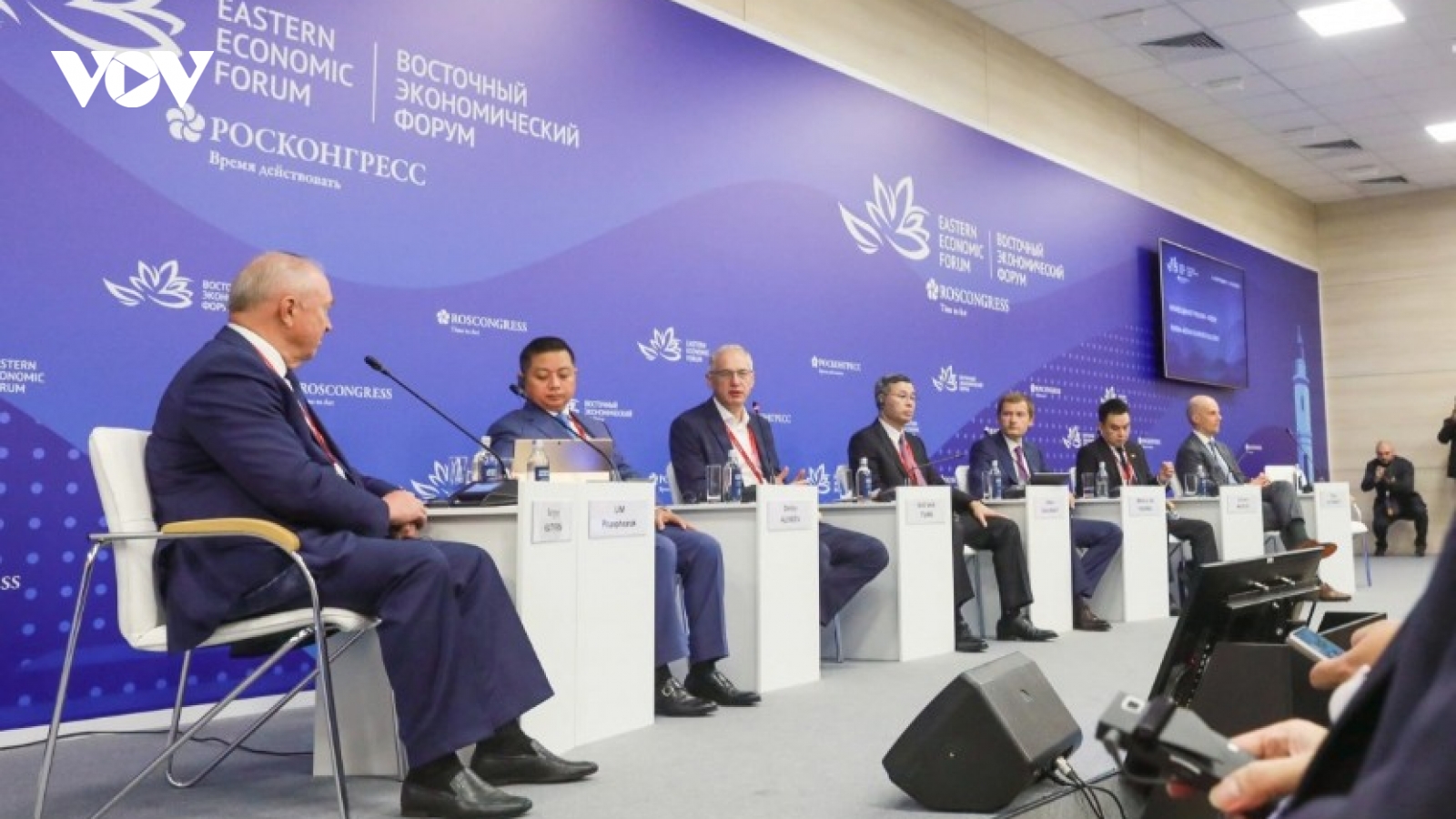
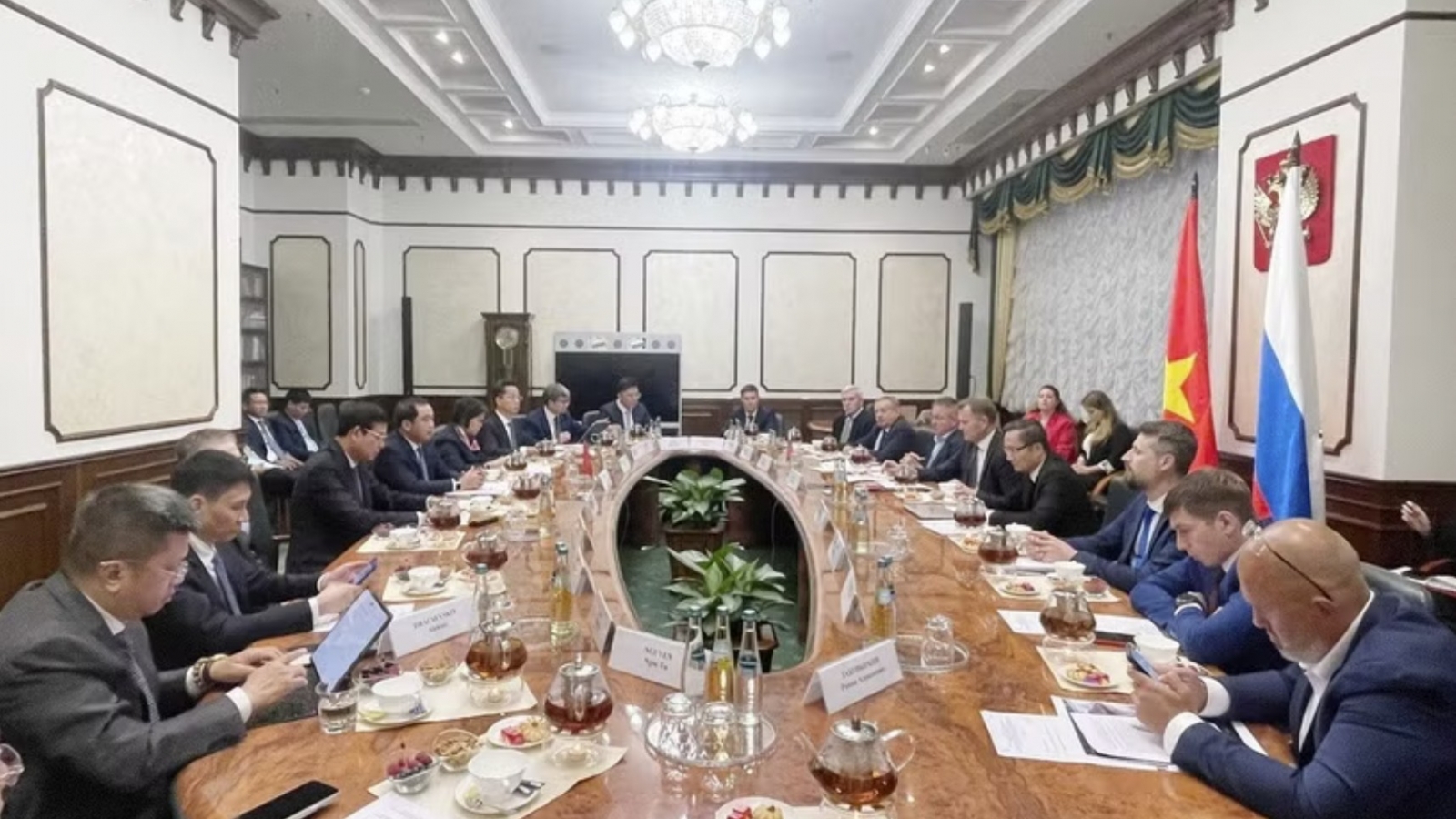
Ahead of the visit, ministries, sectors and localities from both countries have stepped up exchanges and preparations for the high-level meetings. A number of important cooperation documents are also being finalised for signing during the visit.
Security and defence, energy and oil and gas are expected to remain among the key areas of cooperation.
The two sides are also looking to expand energy cooperation into clean and renewable energy, oil and gas trade, liquefied natural gas (LNG) and energy-storage infrastructure in Vietnam. This year also marks the 45th anniversary of Vietsovpetro, the Vietnam-Russia joint venture that has become a longstanding symbol of bilateral energy cooperation. Vietsovpetro marked the anniversary in June 2026 and reached a cumulative oil output milestone of 255 million tonnes in the same month.
Trade and investment offer further room for expansion. Russian exports to Vietnam include food, pharmaceuticals, raw materials, minerals, machinery and equipment, while Vietnamese textiles, electronics, fruits, vegetables and other agricultural products are gaining a stronger foothold in the Russian market.
This year also marks a decade since the Vietnam-Eurasian Economic Union Free Trade Agreement took effect, providing another framework for expanding trade between Vietnam and Russia as well as cooperation within the Eurasian Economic Union. Notably, TH Group has been developing and operating a number of dairy farms and high-quality milk processing plants in Russia.
Ambassador Khoi stressed that the key task is to translate the existing foundation of cooperation and political trust into specific and effective projects.
“The important thing is to turn good political relations into practical results and translate commitments into effective cooperation projects that benefit the people of both countries,” he said.
Expanding cooperation into technology, transport and youth
Science and technology, as well as education and training, are among the areas with significant untapped potential, according to the ambassador.
Russia has strengths in basic science, nuclear technology, advanced materials, aerospace, artificial intelligence, cybersecurity and biotechnology. The two sides are also working to advance a nuclear science and technology centre in Vietnam, joint research projects and a Vietnam-Russia knowledge network.
According to the Ambassador, existing scientific cooperation mechanisms should be further leveraged to promote joint research, technology transfer and stronger links between research institutes and universities.
He also highlighted nuclear energy cooperation as an important area for the next stage of bilateral relations, alongside broader cooperation in science and technology.
“The signing of an agreement on cooperation in building Vietnam’s first nuclear power plant, together with expanded oil and gas cooperation, will help ensure energy security for the country’s new development phase,” he affirmed.
Transport is another area where the two sides see room for expansion, including additional direct air routes between localities, new maritime transport services, rail freight transiting China and cooperation in urban railways.
Alongside economic and technological cooperation, people-to-people and cultural exchanges remain an important foundation for maintaining close ties between the two societies.
Ambassador Khoi noted that generations of Vietnamese people have developed close links with Russia through culture, education and years of study and work there. However, he said friendship in the new period cannot rely solely on historical memories and should create more opportunities for young people to become active participants in bilateral exchanges.
“The feelings between the peoples of the two countries were very profound in the past, but we cannot strengthen friendship based only on historical memories,” he said.
He stressed that greater youth exchanges and connections should become an important area of cooperation so that Vietnam-Russia friendship can be passed on and develop into a natural bond between younger generations.
Looking ahead, Ambassador Dang Minh Khoi said the traditional friendship, achievements of more than 75 years of bilateral relations and high level of political trust provide a strong foundation for further development.
At the same time, he stated that entering a new stage requires more than maintaining and expanding traditional areas of cooperation. It calls for new thinking, stronger determination and fresh drivers of cooperation, with the aim of making the comprehensive strategic partnership “long-term, sustainable and effective.”
The ambassador expressed his confidence that Party General Secretary and President To Lam’s State visit to Russia and his talks with President Vladimir Putin would help bring the Vietnam-Russia comprehensive strategic partnership to a new level, serving the interests of both countries and contributing to peace, stability, cooperation and development in the region and beyond.
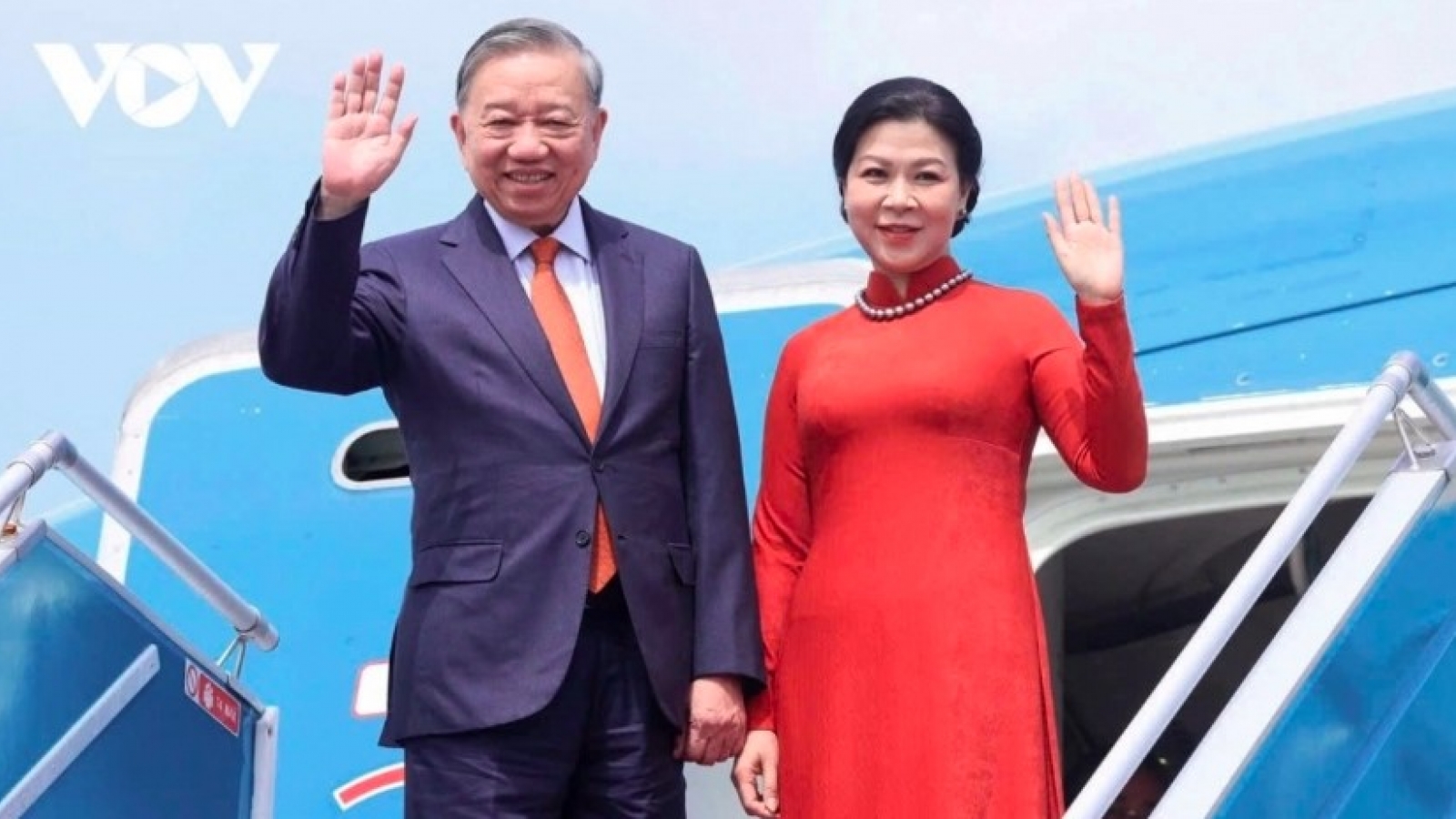
Top leader To Lam and spouse to visit Russia, France
VOV.VN - General Secretary of the Communist Party of Vietnam (CPV) Central Committee and President To Lam, his spouse, and a high-ranking Vietnamese delegation will make a state visit to Russia and an official visit to France, and attend the International Space Summit in Paris from September 7 to 12.