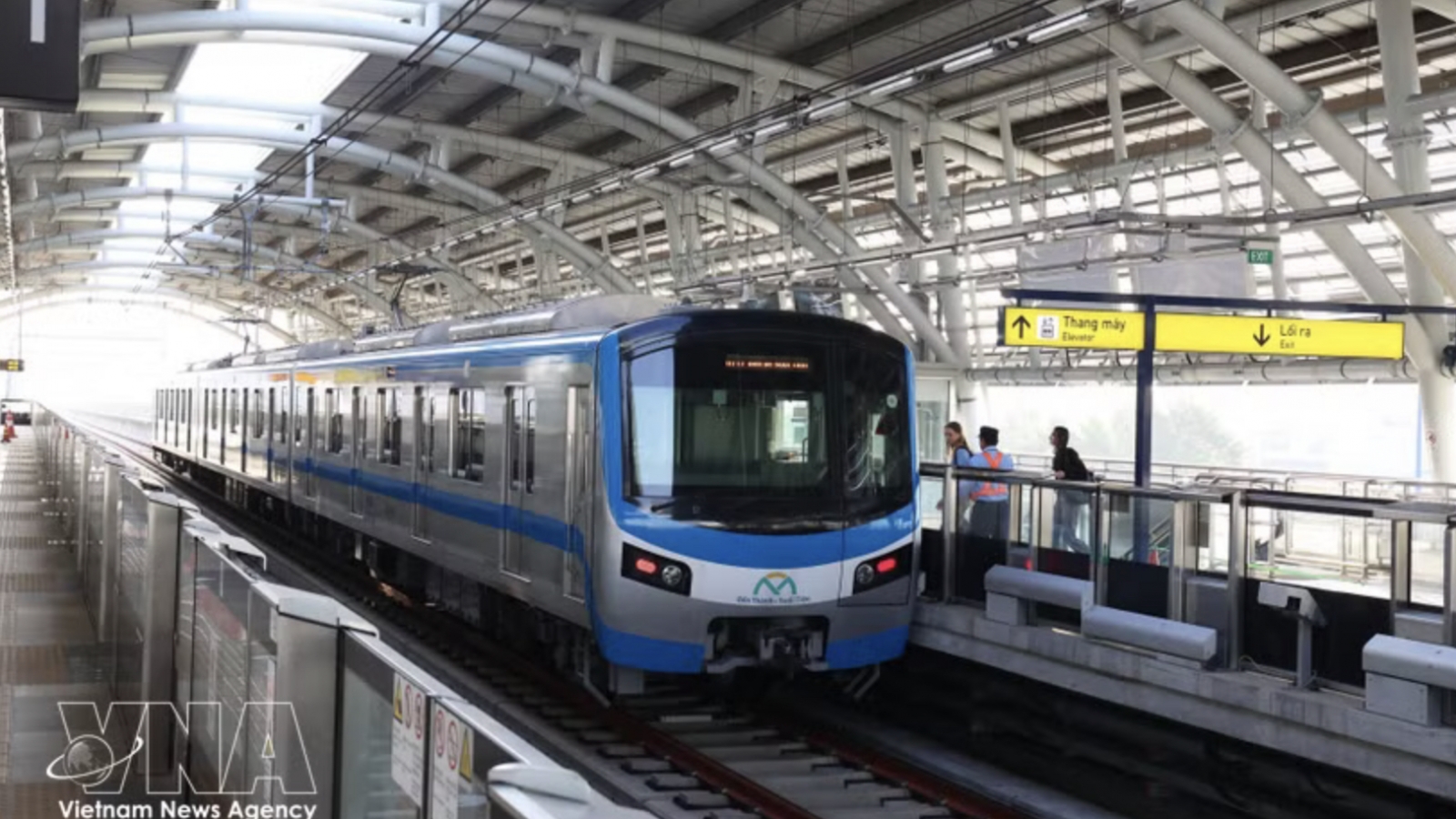
UK plans US$2.5bln financing for Ho Chi Minh City - Long Thanh metro line

VOV.VN - Britain’s export credit agency, UK Export Finance (UKEF), is preparing up to US$2.5 billion in loans, guarantees and other financial support for a metro project connecting Ho Chi Minh City with Long Thanh International Airport, according to Nikkei Asia.
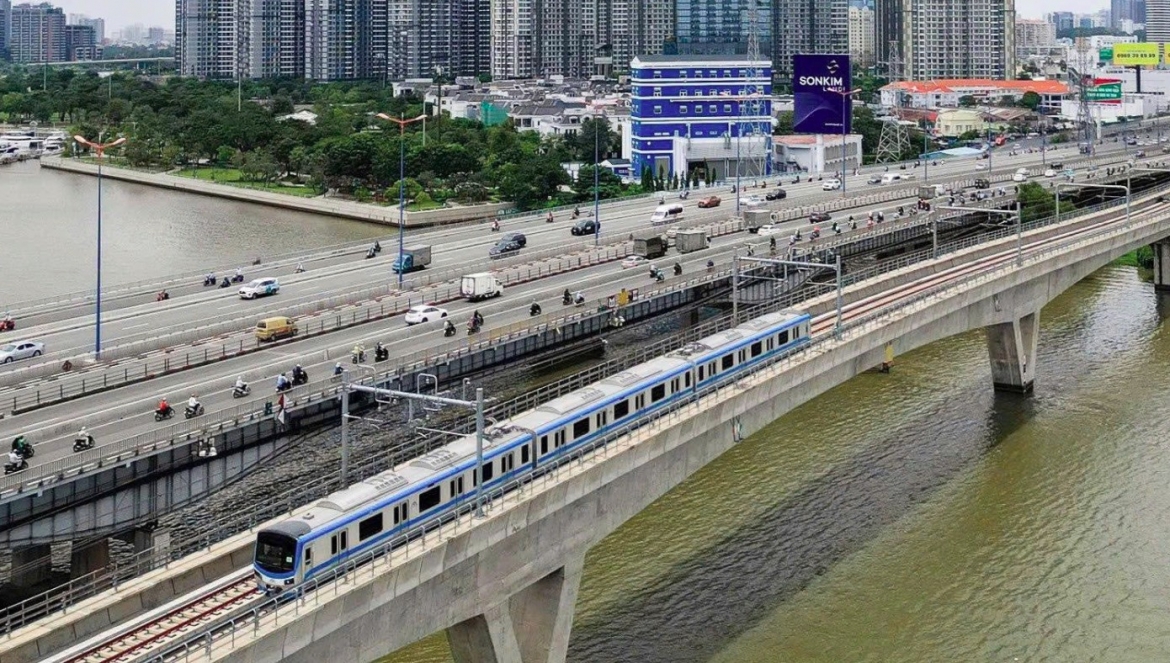
The planned support is intended for a metro line of about 44km connecting Ho Chi Minh City with Long Thanh International Airport and central Dong Nai. UKEF is expected to provide financing through various instruments rather than invest directly in the project.
The support forms part of a US$6.5 billion financing framework made available by UKEF for Vietnam, which was formalised through an agreement signed during General Secretary of the Communist Party of Vietnam Central Committee To Lam’s visit to London in 2025.
Nguyen Do Hoa, UKEF’s representative for Vietnam, Cambodia and Laos, said the agency is prepared to support Vietnam’s large-scale infrastructure development programme.
Under the plan, the Ben Thanh-Suoi Tien metro line will be extended towards Long Thanh Airport and Dong Nai, with about 2.9km in Ho Chi Minh City and the remainder in Dong Nai.
The project is considered urgent as it would strengthen transport links between Long Thanh Airport, Ho Chi Minh City and other areas within the expanded metropolitan region.
According to Hoa, the project would use British technology and services, in line with UKEF requirements that at least 20% of the value of goods and services involved must originate from the UK.
UKEF’s support also includes EUR150 million (US$173 million) to purchase additional trains for Ho Chi Minh City’s Metro Line 1, which began commercial operations in late 2024. Hoa said rising passenger numbers are creating demand for additional trains on the line.
Beyond urban transport, UKEF is also looking to finance projects in Vietnam’s energy sector, beyond its planned involvement in transportation infrastructure. Nikkei Asia quoted the Ministry of Industry and Trade as saying priority areas include wind power, smart grids and other projects covered by the Just Energy Transition Partnership (JETP), an initiative launched by developed countries to help emerging economies reduce their reliance on coal.
Although progress under the JETP has slowed in recent years, Hoa said UKEF is interested in financing Vietnam’s clean-energy transition, including potentially offshore wind projects involving Petrovietnam.
Hoa made the remarks on September 14 at a UK government-organised business forum in Ho Chi Minh City, where city leaders highlighted the importance of attracting international capital to fund the city’s development plans.
“We need to move toward more sustainable sources of finance,” said Nguyen Cong Vinh, vice chairman of the Ho Chi Minh City People’s Committee.
Vinh stressed that the Vietnam International Financial Centre is anticipated to help channel capital into transportation infrastructure, energy-efficiency projects, green manufacturing and climate adaptation.
For Vietnam, mobilising such sources of capital is becoming increasingly important as the government accelerates its large-scale infrastructure development programme.
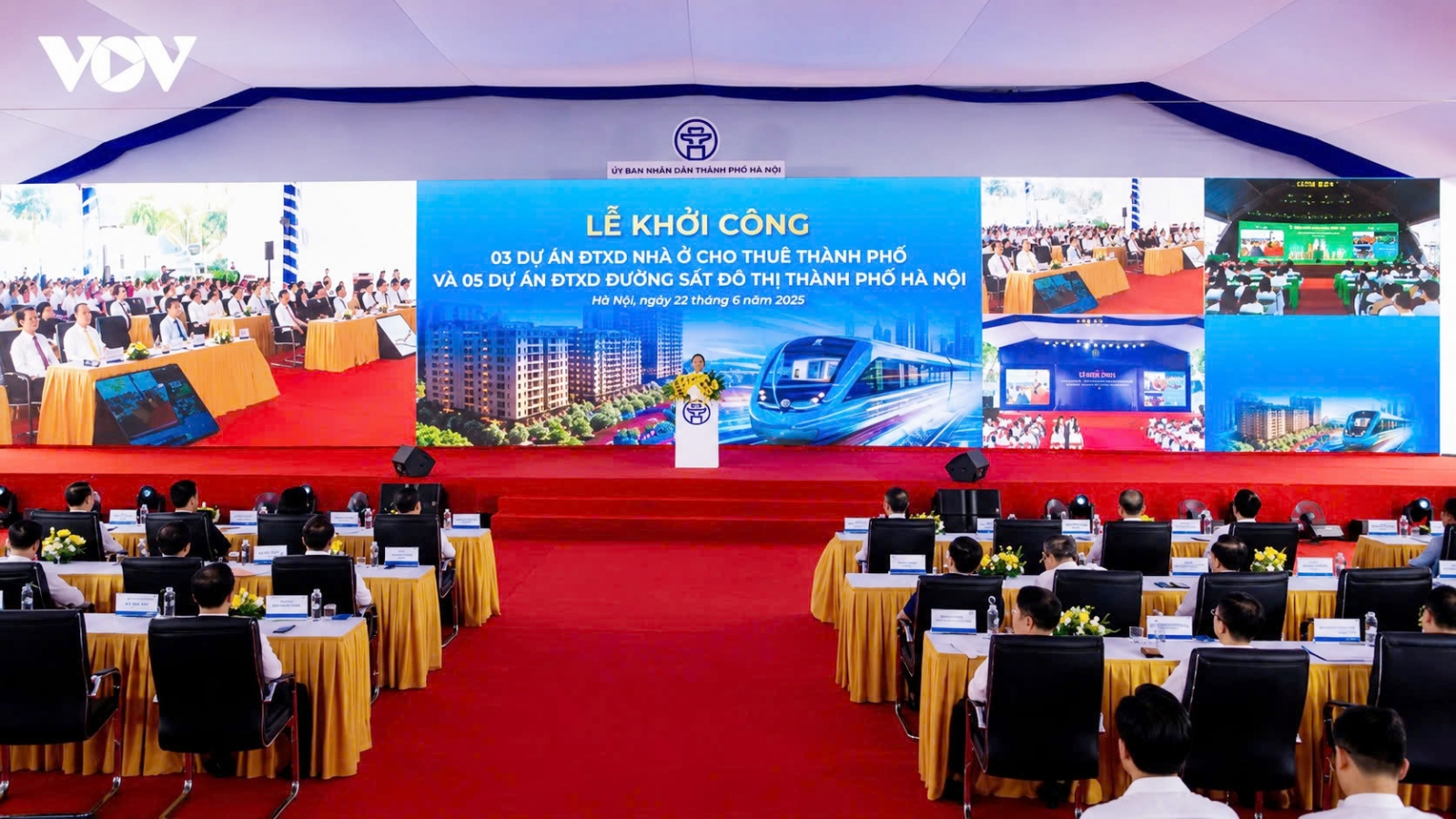
Hanoi launches five metro lines and three rental housing projects
VOV.VN - Hanoi on June 22 simultaneously launched construction of five urban railway (metro) lines and three rental housing projects, marking one of the capital city’s largest infrastructure and housing development initiatives in recent years.