Metro, TOD open up new development space for Ho Chi Minh City

Ho Chi Minh City is not simply aiming to build 255km of metro lines by 2030; it is using the network as a backbone to reorganise urban space, with transit-oriented development (TOD) serving as a mechanism to turn transport infrastructure into a source of development resources.
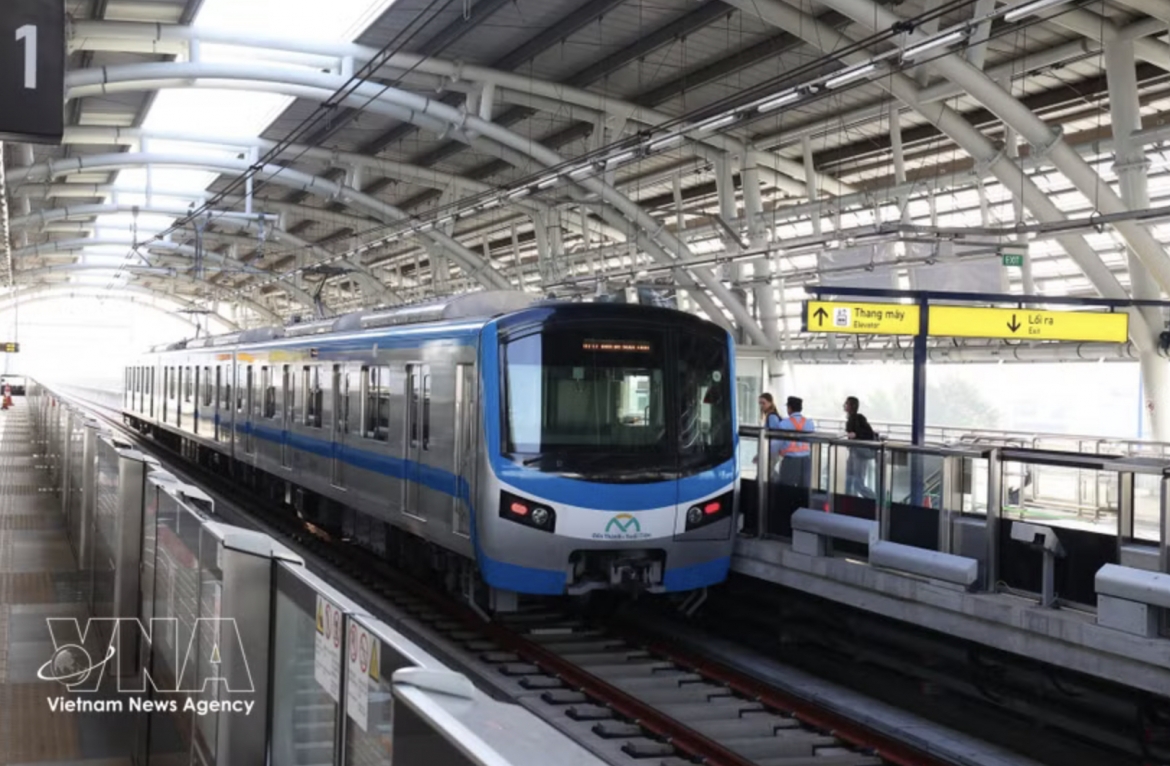
To date, the southern economic hub has commenced construction or broken ground on three of the six projects and works included in the list of priority investment routes for the 2026–2030 period, while continuing to complete procedures for the remainders.
Recently, the municipal steering committee for the development of the railway network agreed in principle to add two urban railway lines, Thu Dau Mot–Ho Chi Minh City and Tham Luong–An Ha–Northwest Urban Area, to the list of priority investments to be completed during this period.
The city targets the completion of 255km of urban railways by 2030 and will continue to invest in seven additional lines with a view to raising the total length to 532km by 2035.
Metro opens up new development space
As an expert in planning and architecture, Dr Ngo Viet Nam Son, Chairman of NgoViet Architects & Planners, said the city’s target is highly ambitious, but the pace of implementation remains a major challenge.
The 19.7km Ben Thanh–Suoi Tien metro line took nearly 20 years to reach basic completion, while the metropolis is now targeting the completion of 255km in less than 10 years.
This reality shows that, with the 255km target for 2030, Ho Chi Minh City is not merely expanding its network; it is actually facing the task of restructuring urban transport within a very short cycle, Son noted.
Dr Huynh Van Sinh of the Ho Chi Minh City Cadre Academy said the target does not stem from a subjective desire of the municipal authorities, but from a series of consistent decisions by the central authorities, including Politburo Resolution No. 31-NQ/TW on orientations and tasks for the development of Ho Chi Minh City to 2030, with a vision to 2045; National Assembly Resolution No. 188/2025/QH15 on piloting specific and exceptional mechanisms and policies for the development of urban railway networks in Hanoi and Ho Chi Minh City; and, most recently, Politburo Resolution No. 27-NQ/TW, dated August 28, 2026, on the development of regions and the organisation of national development space in the new period.
Sinh noted that the greater the ambition, the greater the accountability. Land-use planning, population distribution and site-clearance capacity must precede or run in parallel with infrastructure development. Otherwise, there is a risk of repeating the difficulties that caused the construction of Metro Line No. 1, Ben Thanh–Suoi Tien, to take longer than originally expected.
“This is a lesson that must not be repeated on a 255km scale,” he added.
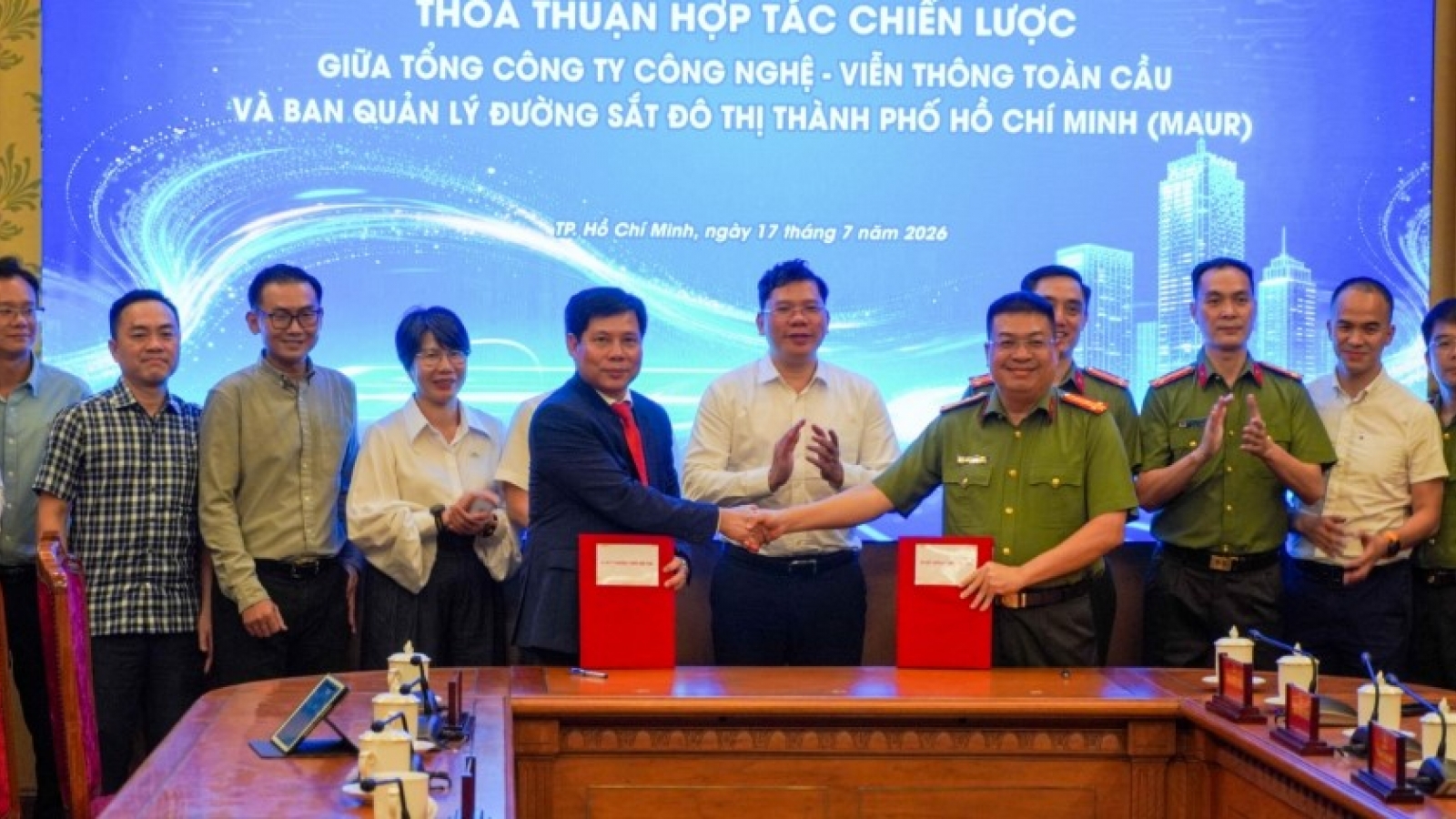
The Ho Chi Minh City Party Committee has assigned the municipal People’s Committee to urgently draw up a detailed plan for implementing eight urban railway projects set for completion during the 2026–2030 period.
The city is also accelerating the identification of station locations, route directions and the boundaries of urban development areas under the TOD model for the 2026–2030 priority lines and seven others scheduled for completion before 2035.
According to Son, metro development in the past focused primarily on improving transport connectivity. In the new period, however, the TOD ecosystem needs to be developed in parallel with metro expansion, thereby turning urban railway lines into backbones for new urban space development.
Mobilising substantial resources
To achieve the 255km railway target, the city has determined that it must flexibly utilise multiple sources of funding, including the central budget, local budget, public investment, public-private partnerships (PPP) and other lawful resources.
Politburo Resolution No. 27-NQ/TW identifies infrastructure development as a strategic economic sector, creating a large market to develop domestic production capacity. The resolution calls for mechanisms to unlock and activate social resources for development investment, with priority given to private and PPP investments.
Sinh shared that TOD is an important mechanism for combining public and private resources. The State will undertake tasks that the private sector finds difficult to handle such as compensation, support and resettlement, land acquisition, urban landscape improvement and land availability. The private sector could then participate in developing housing or commercial and service facilities around railway stations through land-use rights auctions or other appropriate mechanisms.
The recently passed Urban Development Law gives the Ho Chi Minh City People’s Council authority to establish urban development policies in TOD areas, thereby creating an additional mechanism for mobilising land resources and reinvesting them in infrastructure, he noted.
Sinh revealed that when metro and TOD are implemented in a coordinated manner, the appearance of Ho Chi Minh City will undergo significant changes. Development space then could expand along metro corridors, forming new urban centres in Thu Duc, Binh Chanh, Hoc Mon and Cu Chi, while strengthening connections with areas in former Binh Duong and Ba Ria-Vung Tau provinces.
The development of public transport will also help gradually reduce dependence on private vehicles, improve the environment and enhance the quality of urban life. At the same time, land values around railway stations are expected to increase, creating additional resources for reinvestment in infrastructure, he added.
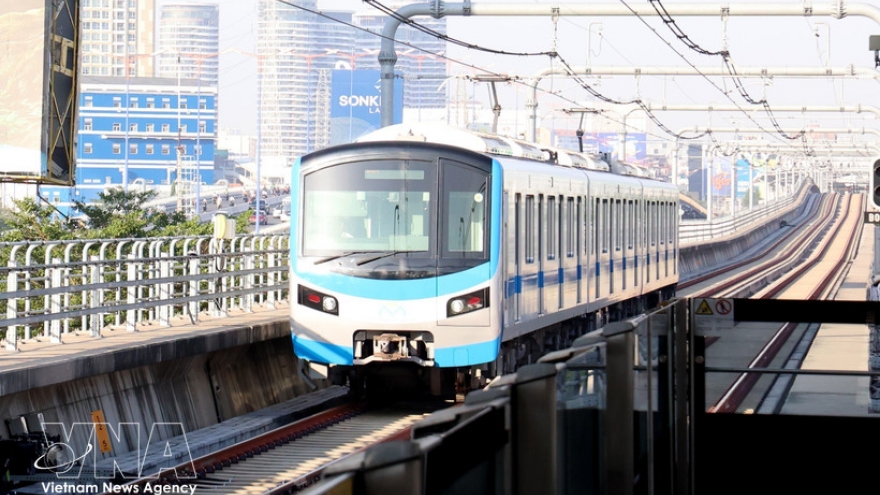
HCM City to kick off Ben Thanh–Thu Thiem metro line next month
Ho Chi Minh City is set to commence construction of the Ben Thanh–Thu Thiem section of Metro Line No. 2 this April, in a push to fast-track its modern urban rail network and create a strategic corridor connecting key economic centres and major airports.