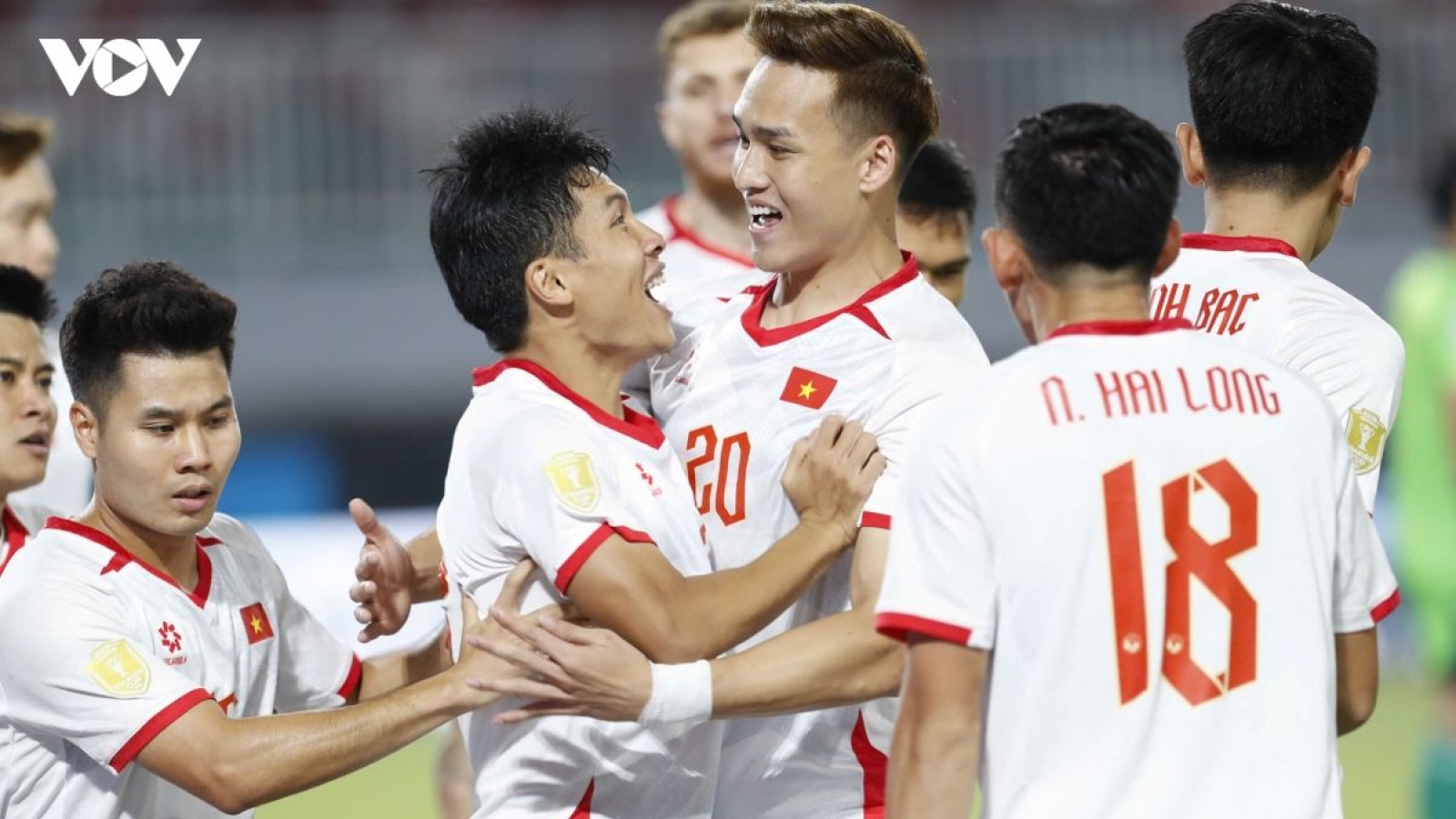
Vietnam close to ASEAN Cup final, how can Malaysia turn the tie around?

VOV.VN - Vietnam hold a commanding 2-0 advantage over Malaysia heading into the second leg of their ASEAN Cup 2026 semifinal at My Dinh Stadium, leaving the visitors with little choice but to attack while the hosts can play with greater tactical freedom.
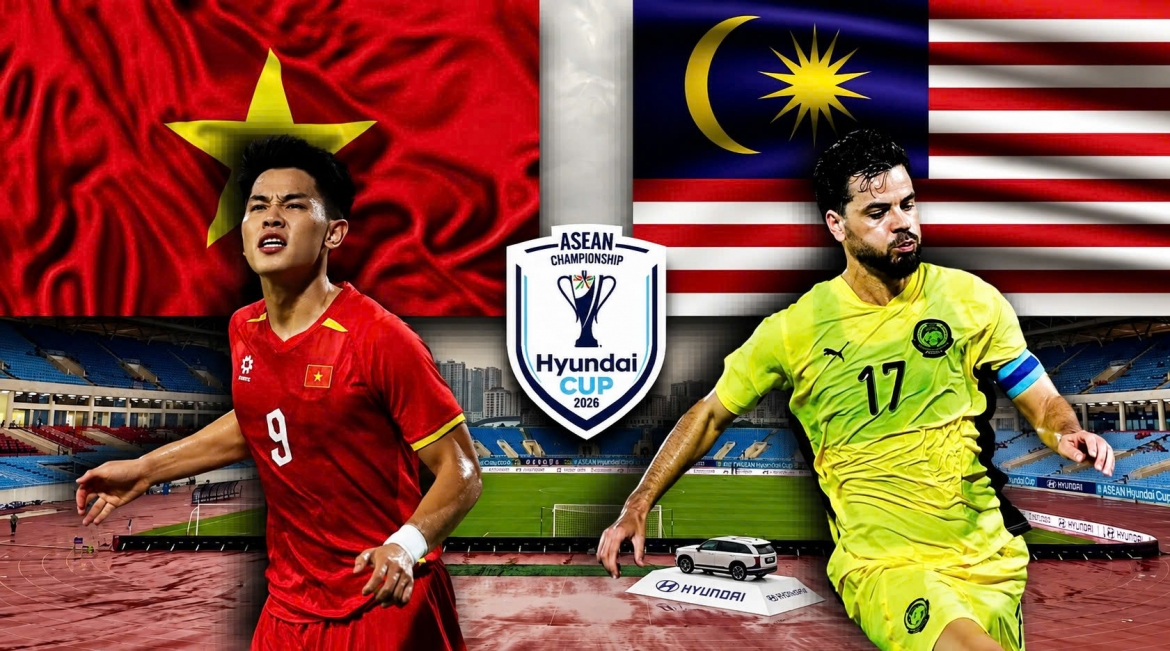
The two-leg semifinal format means the aggregate score will determine who advances, with no away-goals rule. A two-goal win for Malaysia would take the tie into extra time, while a victory by three or more goals would send them through in 90 minutes.
For Vietnam, the result in Kuala Lumpur has created several ways to reach the final. The team can afford to prioritise control and defensive stability rather than chase an early goal.
Malaysia face a very different task. They must find a way to create sustained pressure without leaving the spaces that could allow Vietnam to counterattack.
At the first leg, Malaysia threatened in the opening stages but failed to convert their chances. Vietnam gradually settled, organised their defence and became more dangerous as spaces appeared. The hosts eventually scored twice, exposing a contrast that expert Duong Vu Lam believes is important: Vietnam currently have greater squad depth, quality and experience.
Malaysia face a dilemma: attack without losing control
The second leg at My Dinh National Stadium in Hanoi could therefore look very different from the first.
Malaysia cannot simply wait for opportunities. They need to push forward and create chances, but doing so too aggressively could expose their defensive line.
Head coach Tan Cheng Hoe acknowledged the scale of the challenge in Hanoi, where Malaysia will face a home crowd strongly backing the Vietnamese side.
The visitors are also dealing with personnel problems. Before the first leg, the ASEAN Football Federation (AFF) reported that Jimmy Raymond, Endrick, Aliff Haiqal and Engku Nur Shakir were unavailable because of injuries, while Wan Kuzain had been recalled by his club in the United States. Mohamadou Sumareh was also a doubt at the time.
The situation has worsened with central defender Rodney Celvin ruled out of the trip to Hanoi after picking up an injury.
That leaves the coach with a difficult tactical balance. Malaysia need numbers in attack, but an overly high defensive line could give Vietnam exactly the kind of space they prefer for quick transitions.
Tan himself has highlighted Vietnam’s ability to transition quickly and combine effectively, while identifying strikers Nguyen Xuan Son and Nguyen Dinh Bac as particular threats.
Vietnam can dictate the tempo
Vietnam, by contrast, do not need to force the game. Coach Kim Sang-sik stressed after the first leg that the tie was only halfway decided and urged his players to improve rather than simply defend their lead.
That approach may allow Vietnam to choose when to press, when to slow the game down and when to exploit gaps behind Malaysia’s advancing players.
Experts said the priority should be stability rather than unnecessary experimentation. Vietnam have enough depth and experience to manage the situation, they argued.
The psychological balance also favours the home side. Malaysia must actively create a comeback, while Vietnam can let the pressure build on their opponents. The longer Malaysia go without scoring, the more they may be forced to take risks.
Vietnam do have their own personnel concerns. Central defender Do Duy Manh is unavailable for the tournament because of injury, although Kim said before the first leg that the available players were ready.
Up front, striker Nguyen Xuan Son has already demonstrated his ability to make the difference. He opened the scoring in stoppage time in Kuala Lumpur before Faris Danish's own goal doubled Vietnam’s advantage.
Vietnam hold the edge, but the tie is not over
The numbers favour Vietnam, but the second leg still presents a genuine test. Malaysia have the motivation, the need to attack and a historical reference point. It’s worth remembering that Malaysia produced their dramatic comeback against Vietnam at My Dinh in 2014 after losing the first leg. Tan has urged his players to draw inspiration from that result.
Vietnam therefore cannot afford complacency. The more aggressively Malaysia attack, the more dangerous they could become, but also the more vulnerable they may be to counterattacks.
After the first leg, the balance clearly favours Vietnam. The key question at My Dinh is not whether the hosts need to win, but how effectively Kim’s side can manage their two-goal advantage against a Malaysia side with little left to lose.
The second leg is scheduled for 8 p.m. at My Dinh Stadium, with the winner advancing to the ASEAN Cup 2026 final. Thailand secured the first final berth after beating Singapore 4-3 on aggregate.
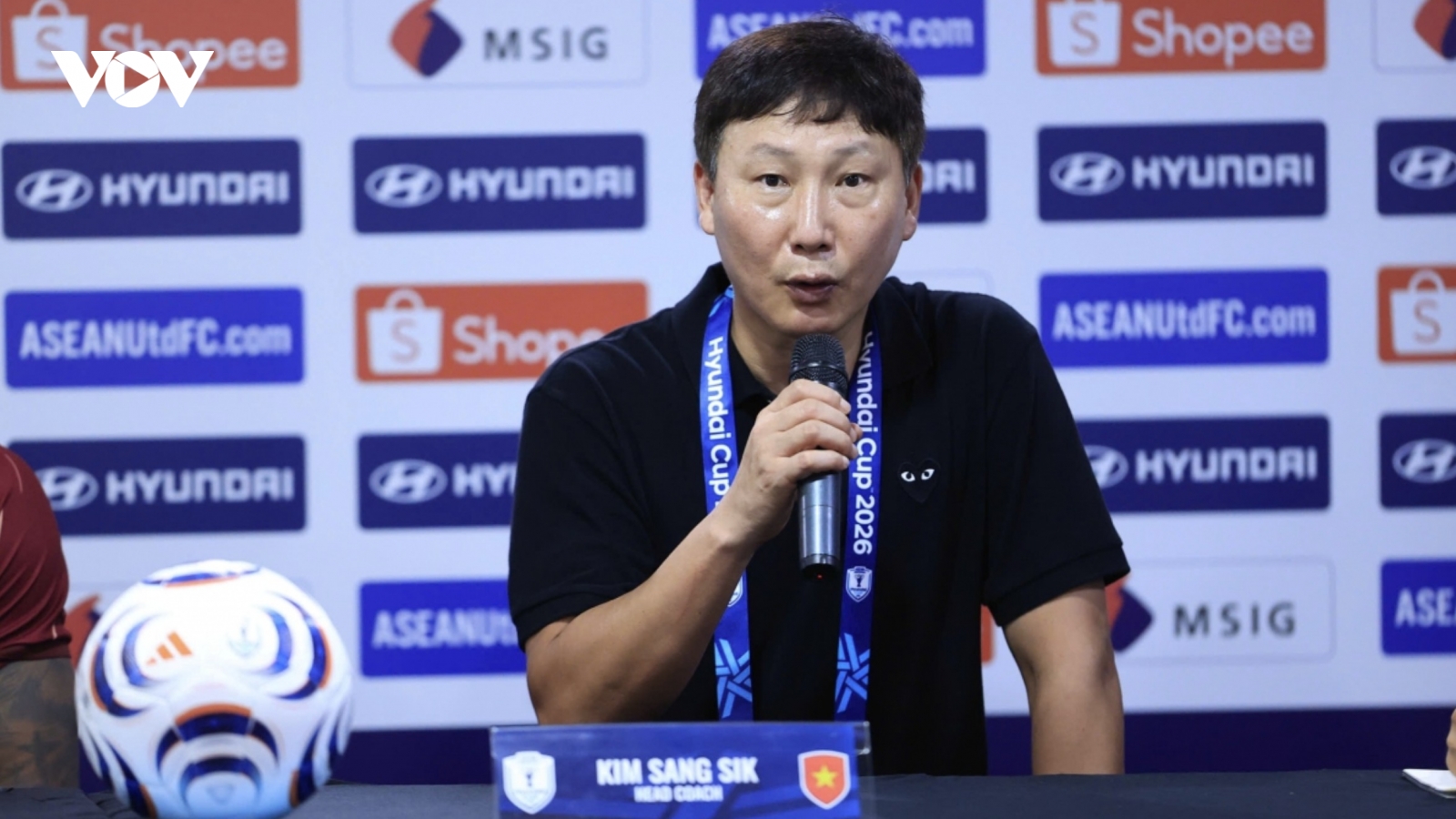
Vietnam head coach targets decisive second leg in ASEAN Cup semi-final
VOV.VN - Head coaches Kim Sang Sik of Vietnam and Tan Cheng Hoe of Malaysia addressed a pre-match press conference on August 18 ahead of the second leg of their 2026 ASEAN Cup semi-final at My Dinh National Stadium.