


Singapore’s experience and AI-era workforce puzzle for Vietnam

VOV.VN - The rapid development of artificial intelligence (AI) and high technology is deeply transforming workforce requirements, from training methods and skills to be equipped for workers to the overall employment structure in the economy.
In this context, Vietnam faces the dual requirement of accelerating high-tech workforce training while preparing for the labor transition in labor-intensive sectors.
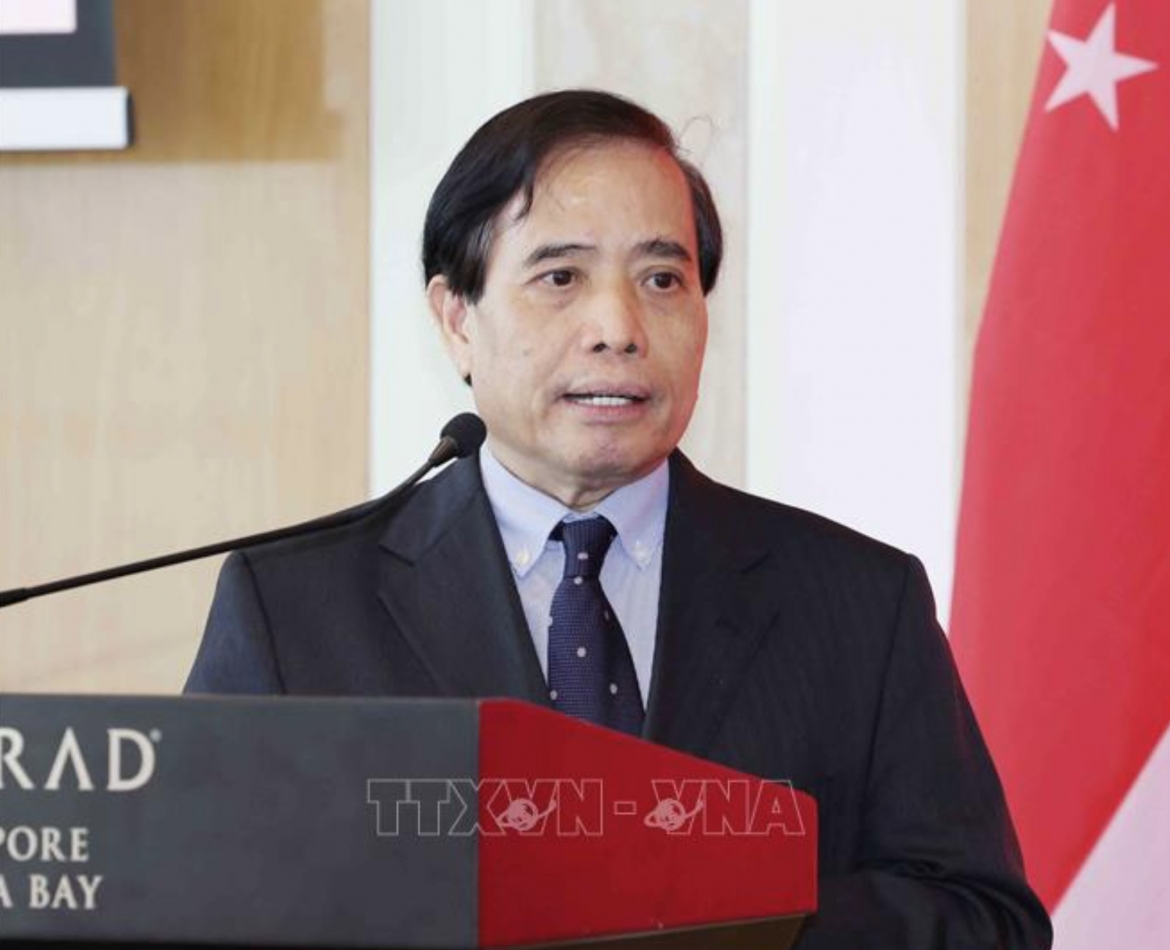
Speaking to the press in Singapore, Professor Vu Minh Khuong from the National University of Singapore (NUS) emphasized that Singapore's experience shows education and human resource development must be given top priority, as it is a decisive factor for a nation's competitiveness and future.
According to Prof. Khuong, education in the AI era must focus on three core capabilities. First is the ability to filter and process knowledge amid increasing exposure to vast amounts of information. The key is no longer merely how much knowledge one memorizes, but knowing how to search, evaluate, and apply information to solve problems.
This approach also alters teaching, learning, and evaluation methods. Rather than attempting to ban learners from using AI or the Internet, the focus should shift toward permitting these tools and assessing students on their ability to leverage technology to address specific challenges. When AI can deliver vast amounts of information in a short time, human value lies more in selecting relevant data, analyzing it, and turning information into useful knowledge.
The second core capability is listening, taking in feedback, and collaborating. According to Prof. Khuong, the future workforce needs not only specialized expertise but also the ability to listen to diverse perspectives, synthesize views, and work effectively with others. The third capability is creativity. Equipped with expanding information and tools, workers must generate new ideas, solutions, and value. This serves as a key factor distinguishing a high-quality workforce in the AI age.
Tech corporations are playing an increasingly active role in equipping workers with new skills. Ms Shanti Alexander, Director of Regional Policy Campaigns and Programs for Asia-Pacific at Meta, stated that the group maintains a long-term commitment to supporting inclusive, useful, and accessible AI development and application in Vietnam. A main priority is helping Vietnamese enterprises, developers, and teachers enhance their AI capability.
Meta is partnering with Steam for Vietnam, HocMai, and Vietnet ICT to assist businesses in applying AI to production and commercial operations, while coordinating with the National Innovation Center (NIC) to support the tech developer community.
According to Ms Alexander, Meta and NIC recently organized an AI hackathon that attracted over 1,000 developers to build AI solutions within 48 hours to tackle real-world problems. Both sides are also jointly implementing the ViGen Project to build high-quality open datasets for Vietnam. This is viewed as a necessary foundation to develop AI models and solutions tailored to Vietnam's language, needs, and practical conditions.
Beside businesses and tech communities, education remains a central focus. Meta representatives stated that the group is coordinating with Vietnamese partners to roll out AI upskilling programs for teachers, aiming to train nearly 1,000 educators this year. Through this, AI is viewed not only as a field requiring specialized training, but also as a tool supporting innovative teaching and learning methods.
While demand for a high-tech workforce increases, economic restructuring presents new challenges for labor-intensive industries. Mr Ernie Koh, Vice President of the South East Asia Business Group at the Singapore Business Federation (SBF), observed notable shifts in Vietnam's labor market as economic growth accelerates in regions outside Hanoi and Ho Chi Minh City. Expanding local job opportunities reduces the need for workers to move to major economic hubs, making recruitment more difficult in certain sectors.
Drawing from experience in furniture manufacturing - a labor-intensive industry, Ernie Koh noted that in the long run, labor-intensive sectors in Vietnam will face growing pressure to transform as the economy moves strongly toward high technology and more educated young workers shift to higher value-added fields.
According to him, this process also raises questions about labor mobility within ASEAN. In certain periods, facilitating mobility for workers from ASEAN member states to work in markets facing labor shortages can address immediate corporate needs while supporting regional workforce transitions.
These assessments indicate that Vietnam's human resource puzzle in the AI era involves more than training additional engineers or tech experts. The transition demands a broader approach, spanning educational reform, AI skills training for the existing workforce, stronger cooperation between the government, training institutions, and tech enterprises, as well as policy preparation for cross-sector labor mobility.
As Vietnam accelerates digital transformation and high-tech development, Singapore's experience and the participation of international tech corporations demonstrate that human resource preparation must be one step ahead. The capacity to filter knowledge, collaborate, innovate, and master AI will increasingly become vital competencies, helping workers adapt to a changing job market and raising the economy's competitiveness in the new era.
Vietnam treasures Comprehensive Strategic Partnership with Singapore
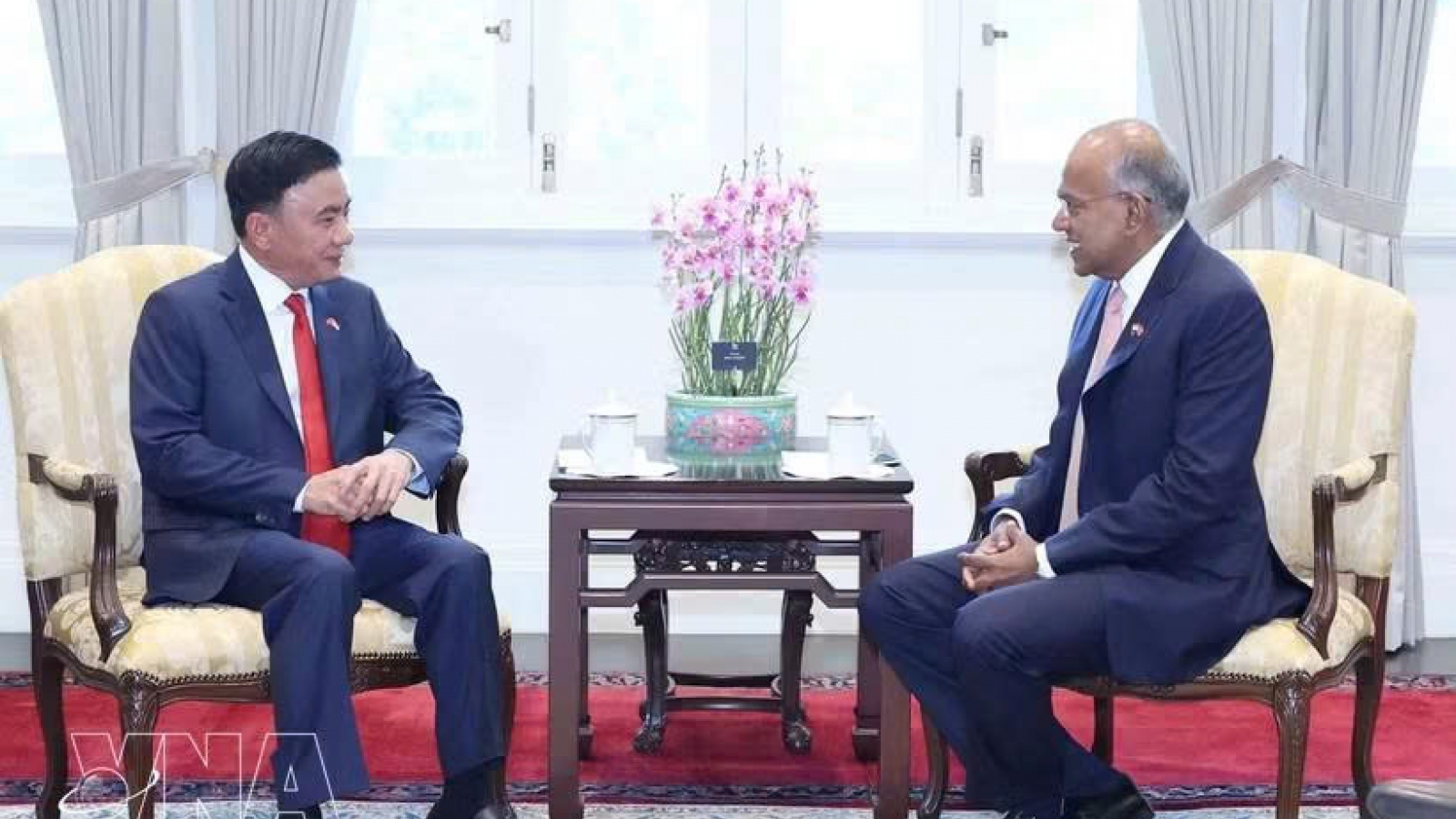
Vietnam attaches importance to and wants to work with Singapore to advance their Comprehensive Strategic Partnership, in line with the two countries’ interests, long-term vision, Politburo member and Standing member of the Communist Party of Vietnam (CPV) Central Committee’s Secretariat Tran Cam Tu said on August 25.
Vietnam and Singapore seek new growth drivers in technology and talent
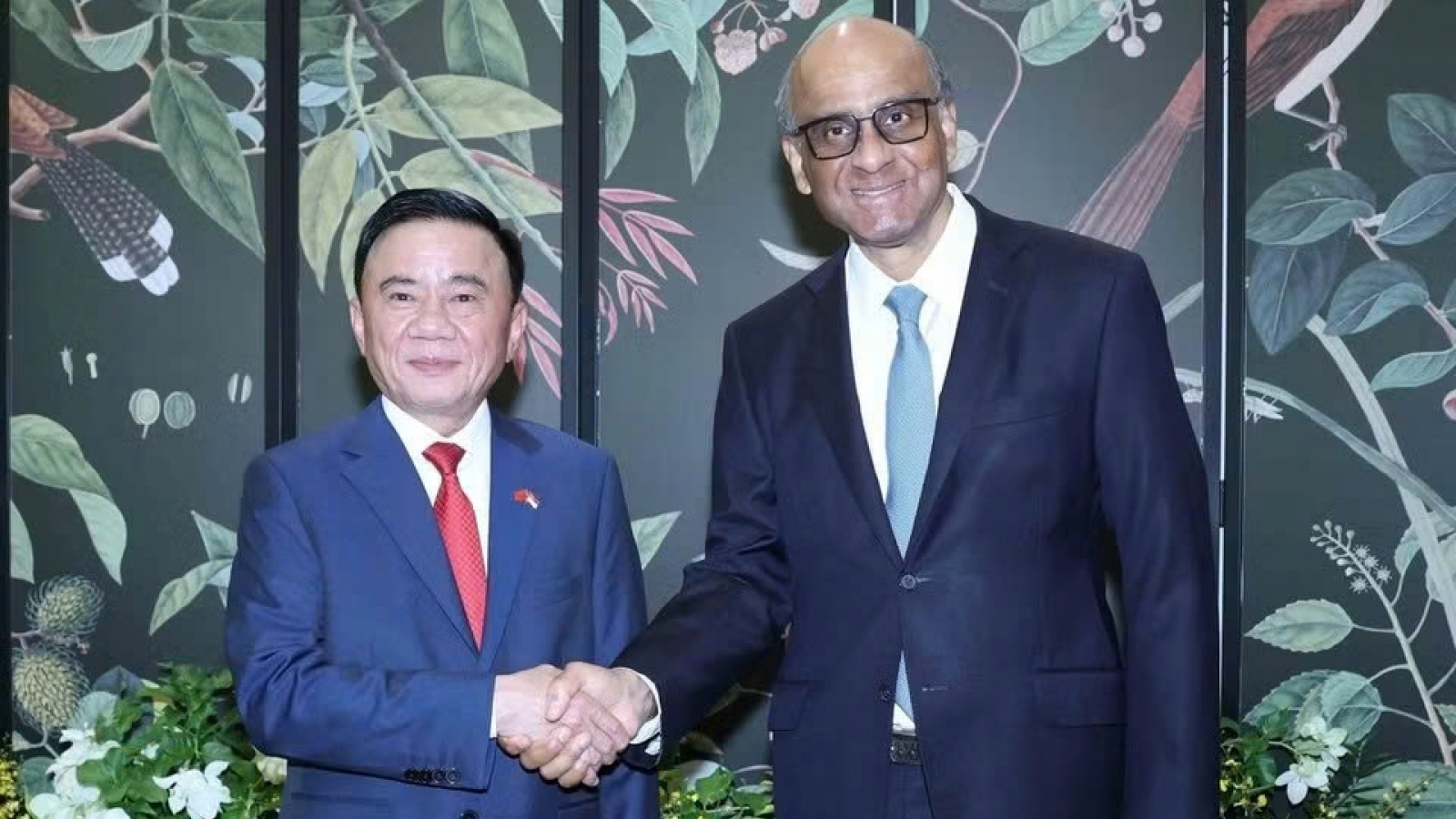
VOV.VN - Standing Member of the Communist Party of Vietnam (CPV) Central Committee Secretariat Tran Cam Tu met President Tharman Shanmugaratnam and Prime Minister Lawrence Wong in Singapore on August 25, discussing ways to deepen the Vietnam-Singapore Comprehensive Strategic Partnership.