Vietnam and Singapore seek new growth drivers in technology and talent

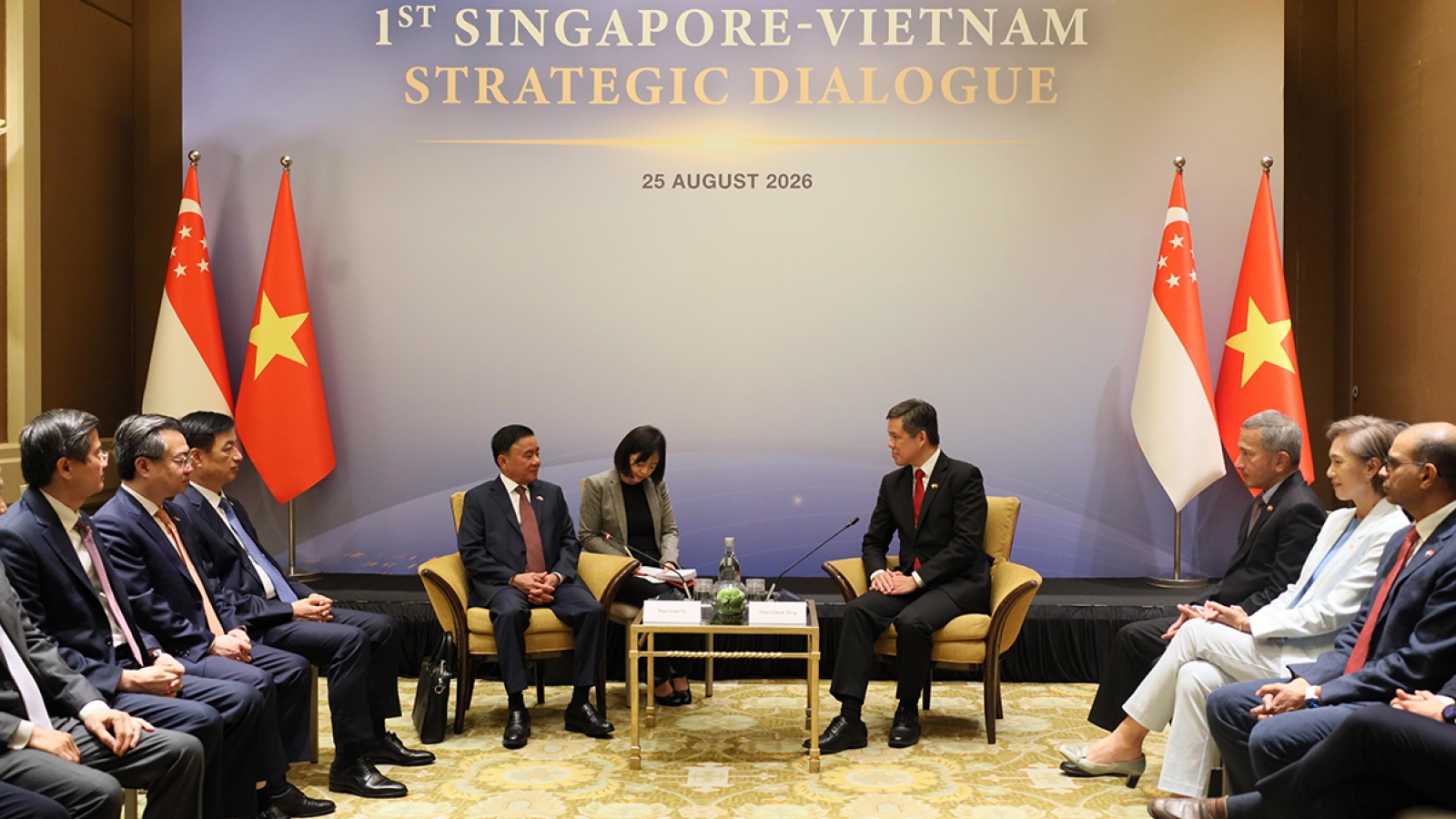
VOV.VN - Standing Member of the Communist Party of Vietnam (CPV) Central Committee Secretariat Tran Cam Tu met President Tharman Shanmugaratnam and Prime Minister Lawrence Wong in Singapore on August 25, discussing ways to deepen the Vietnam-Singapore Comprehensive Strategic Partnership.
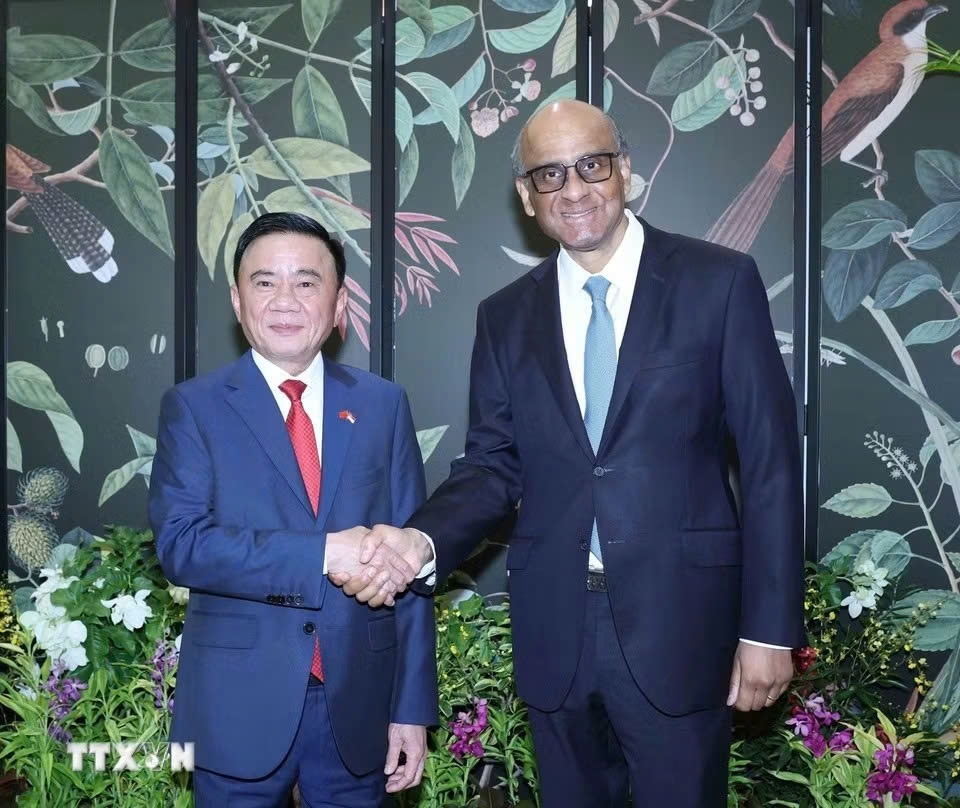
The talks focused on the future direction of bilateral relations, with both sides emphasising the need to translate growing political trust and high-level agreements into new areas of cooperation with greater technological, knowledge and added-value content.
Tharman welcomed Tu’s visit for the first Singapore-Vietnam Strategic Dialogue, saying it came at an important time as bilateral relations have expanded following their upgrade to a Comprehensive Strategic Partnership in March 2025. He expressed confidence that the visit and the successful inaugural strategic dialogue would further strengthen political trust and understanding among the countries’ leaders and create new momentum for bilateral ties.
Tu, for his part, reaffirmed Vietnam’s consistent importance attached to relations with Singapore, while highlighting Singapore’s development achievements, competitiveness and adaptability. He also shared Vietnam’s strategic orientations for its new development phase.
The two sides agreed that economic, trade and investment cooperation would be an important foundation of bilateral relations. They also emphasised the need to deepen cooperation and move toward higher-value areas.
Priority areas include artificial intelligence, digital transformation, the digital economy, semiconductors, data centres, the green economy, clean energy, green finance and high-quality human resource development.
Tu stressed that cooperation in the new phase should go beyond existing advantages and focus on creating new engines of growth.
Tharman agreed that the two countries have strong potential to build on their complementary strengths, particularly in technology, innovation and human resource development.
He also proposed promoting a “three parties of the two countries” model, by bringing together government, research institutions and businesses to jointly conduct research, develop technologies, cooperate in production and attract investment in next-generation industry and high technology.
Turning strategic dialogue into concrete projects
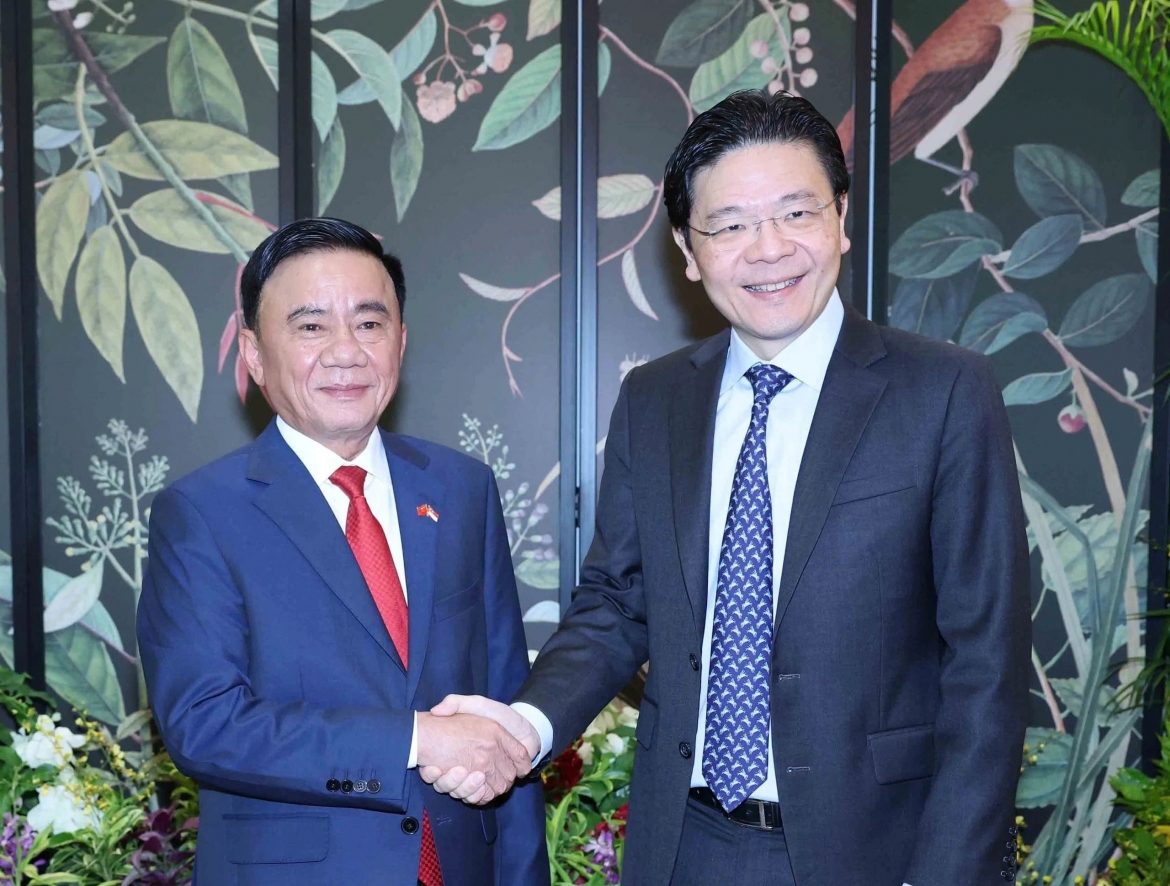
Later the same day, Standing Member of the CPV Central Committee Secretariat Tran Cam Tu met People's Action Party (PAP) Secretary-General and Singaporean Prime Minister Lawrence Wong, discussing how to translate these directions into concrete mechanisms and implementation.
They agreed that putting the Vietnam-Singapore Strategic Dialogue into operation would provide a direct, strategic channel between the two parties, not only for exchanges on Party-building, governance and policymaking but also for strengthening the political foundation for bilateral relations.
Wong welcomed the early launch of the strategic dialogue mechanism, describing it as a new development that would further reinforce the three pillars of Vietnam-Singapore relations, namely Party-to-party diplomacy, State diplomacy and people-to-people diplomacy.
The two sides agreed to strengthen links among Party and State agencies, the National Assembly, localities, businesses, universities and research institutions, while turning shared understandings and high-level agreements into programmes and projects with clear objectives, timelines and deliverables.
In technology and innovation, they pledged to strengthen connections among research centres, universities, businesses and innovation ecosystems, with the “three parties of the two countries” model serving as a basis for joint research, joint development and joint production.
Wong said Singapore values Vietnam’s development potential and wants to continue working with Vietnam to move cooperation beyond traditional areas toward sectors with greater technological, knowledge and added-value content.
The two sides also underscored the need to expand cooperation in official training and high-quality human resource development, and to share experience in governance, policymaking and building capable teams across their political systems.
On regional and international issues, Vietnam and Singapore agreed to maintain close coordination within ASEAN and at multilateral forums, contributing to ASEAN unity, resilience and centrality.
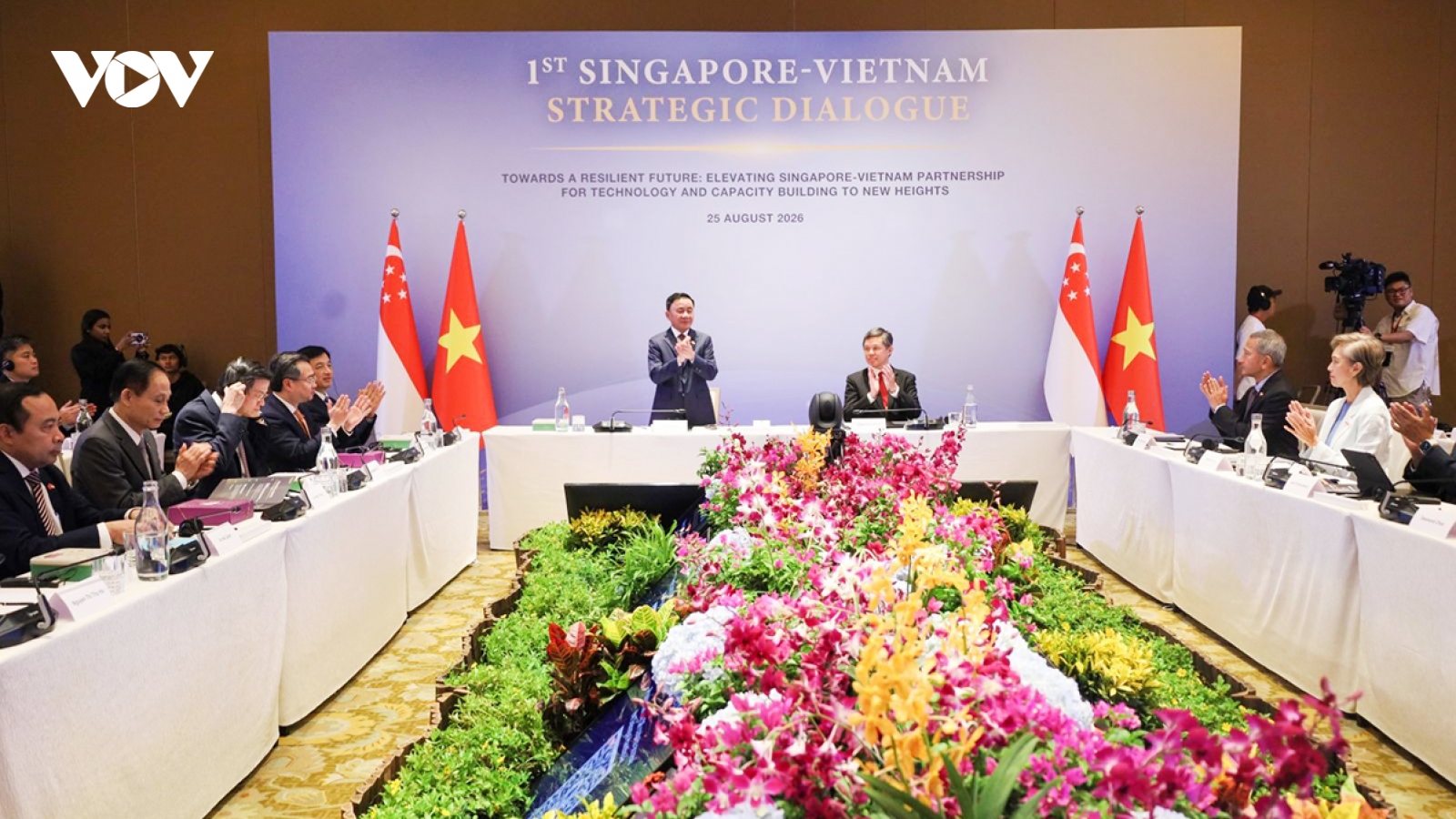
Vietnam and Singapore advance technology and talent cooperation
VOV.VN - Vietnam and Singapore will make human resource development and technology connectivity key areas of cooperation, with the first strategic dialogue between their ruling parties producing a joint statement aimed at moving cooperation toward joint research, development and greater technological self-reliance.