Scorching heat bakes large parts of Vietnam despite start of autumn

VOV.VN - Despite the start of autumn, scorching heat continues to grip northern and central Vietnam, with temperatures commonly reaching 35-37°C and exceeding 38°C in some places, while El Niño is strengthening over the Pacific and is expected to intensify further in the coming months.
Widespread heat from northern to central Vietnam

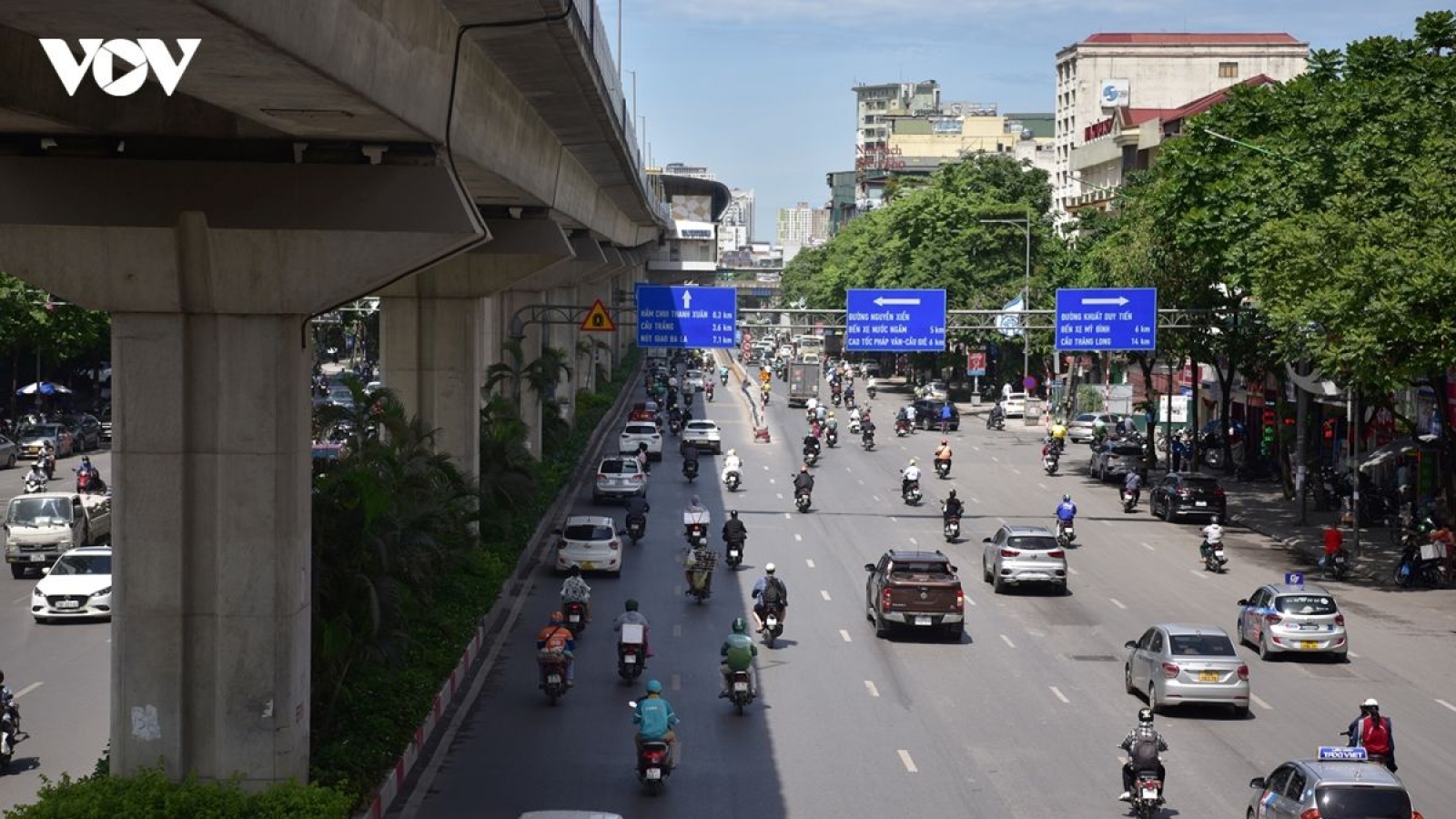
On August 11, hot weather continued across northern Vietnam, except Lai Chau and Dien Bien provinces, as well as from Thanh Hoa province to Da Nang city and from Quang Ngai to Gia Lai provinces in the central region. Maximum temperatures commonly ranged from 35-37°C, with some areas exceeding 38°C, while minimum relative humidity stood at around 55-60%.
According to the National Centre for Hydro-Meteorological Forecasting, several areas recorded exceptionally high temperatures on August 10. Temperatures reached 38°C in Phu Tho, 38.8°C in Lao Cai, 38.1°C in Lang Son, 38.8°C in Hanoi and 38.7°C in Ninh Binh.
Hot weather is forecast to continue in northern Vietnam on August 11-12, except in Lai Chau, Dien Bien, Quang Ninh and Hai Phong. In central Vietnam, the heat is expected to persist for several more days.
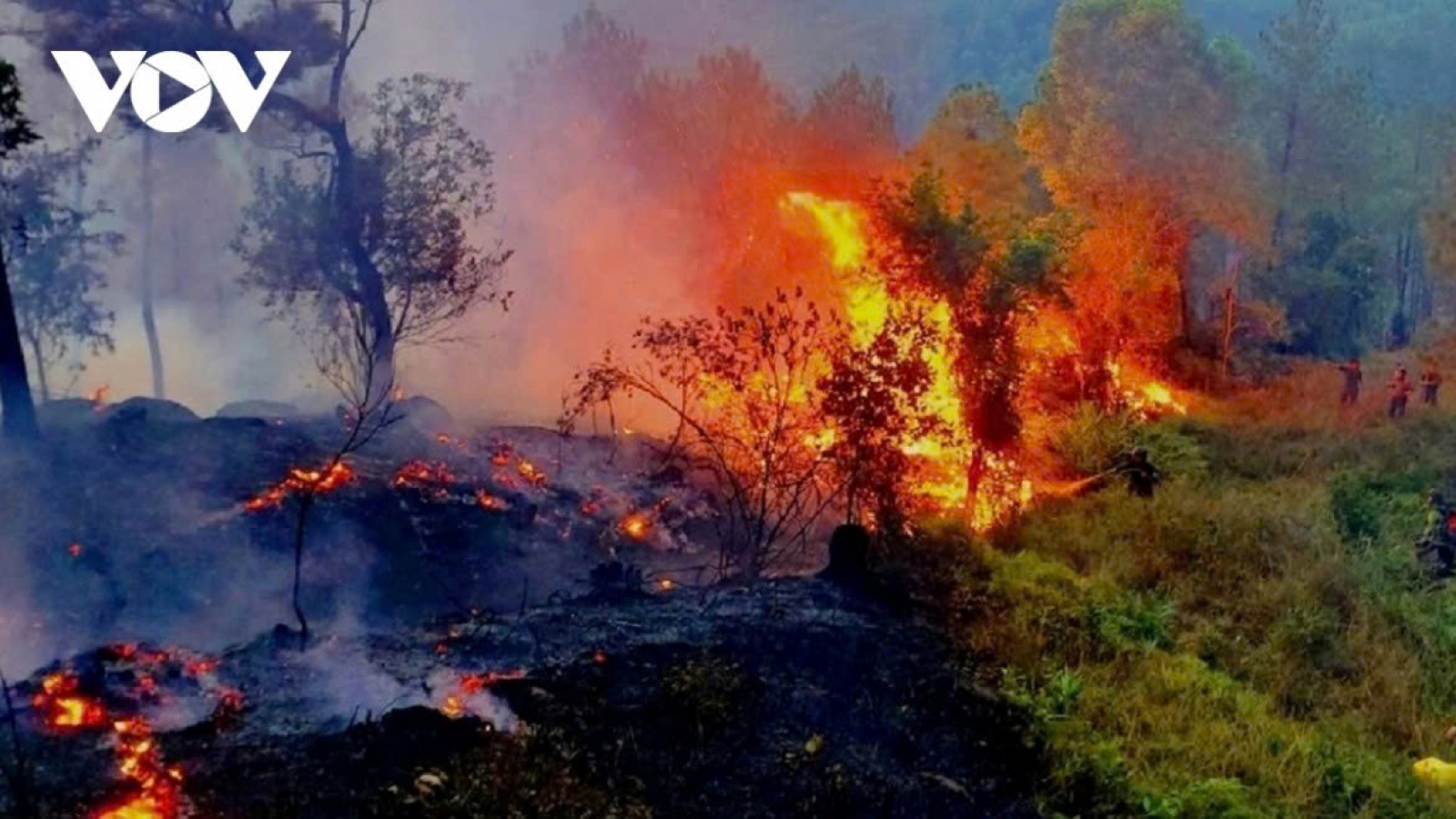
The weather agency has placed the heatwave at Level 1 out of the five-level system for natural disaster risk. High temperatures combined with low humidity also increase the risk of fires and explosions, particularly in residential areas as electricity demand rises.
Although Vietnam has started autumn solar term (lập thu), weather conditions across many northern and central localities still show strong signs of summer. This is not a meteorological contradiction, as Lập Thu is one of the 24 traditional solar terms and does not mean temperatures will immediately fall after August 7.
What is driving the heat?
The current heatwave needs to be viewed against the backdrop of summer weather patterns that remain active, with northern and central Vietnam continuing to be affected by conditions favourable for high temperatures.
During heatwaves in northern and central Vietnam, the western hot low-pressure area and the foehn effect are often among the key factors driving temperatures higher. When hot air from the west expands eastward, combined with dry conditions and limited rainfall at certain times, temperatures can rise sharply in many areas.
In major cities, the heat can feel even more intense because of the urban heat island effect. Concrete, asphalt and buildings absorb heat during the day and release it back into the surroundings, making temperatures in urban areas slower to fall, particularly on days with little cloud cover and light winds.
Notably, the current heatwave is unfolding against a backdrop of continued global warming and a major climate phenomenon over the Pacific that is moving into a stronger phase - El Niño.
How fast is El Niño strengthening?
According to the US National Oceanic and Atmospheric Administration (NOAA), El Niño conditions have developed in 2026 and are gathering steam. In its July 9 assessment, NOAA said sea-surface temperatures across the central and eastern equatorial Pacific were above average over a broad area. The latest Niño-3.4 index stood at +1.2°C, while the Niño 1+2 region in the eastern Pacific reached +2.7°C.
NOAA forecast that El Niño would continue strengthening through the remainder of the year, with a 97% chance of persisting into early spring 2027. Notably, the probability of a very strong El Niño during October-December 2026 was put at 81%. If it develops, the event could rank among the strongest since reliable observations began in 1950.
The World Meteorological Organization (WMO) has also said El Niño is developing and could influence weather and climate patterns around the world in the coming months. El Niño typically raises global average temperatures and can increase the likelihood of certain extreme weather events, including heatwaves and heavy rainfall.
However, this does not mean the current heatwave in Vietnam can be attributed entirely to El Niño.
Scientists note that El Niño's influence on temperatures and weather in many regions can come with a time lag. The heatwaves occurring in Vietnam during the summer of 2026 are also being shaped by elevated global temperatures and regional atmospheric patterns. The effects of El Niño are expected to become more apparent in the coming months, while the current heat is largely consistent with the broader long-term warming trend.
How long will the heat last?
In the immediate term, people in northern and central Vietnam should not expect cooler weather simply because the autumn solar term has begun.
According to the National Centre for Hydro-Meteorological Forecasting, hot weather will continue in northern Vietnam on August 11-12, while the heat in central Vietnam is likely to persist for several more days. For the short term, high temperatures are therefore expected to be the dominant weather pattern in many areas.
Over a longer period, conditions will depend on changes in atmospheric patterns, thunderstorms and regional circulation. Meanwhile, El Niño is forecast to strengthen further and reach a higher intensity toward the end of the year.
Therefore, the arrival of the autumn solar term this year does not mean the hot season will immediately come to an end. People should stay prepared for further heatwaves in August, particularly in northern and central Vietnam.
During hot weather, the highest temperatures generally occur around midday and in the early afternoon. People, especially the elderly, children, outdoor workers and those with underlying health conditions, should limit direct exposure to the sun during the hottest hours, drink plenty of water and take precautions against heatstroke and dehydration.
As humidity falls and electricity demand rises, households should also pay particular attention to the risk of fires and explosions, check electrical equipment and avoid leaving heat-generating appliances operating in unsafe conditions.

Wildfires break out in Central Vietnam as extreme heat pushes temperatures above 40°C
VOV.VN - A series of forest and vegetation fires broke out across Nghe An, Quang Tri and several central Vietnamese localities on June 7 as temperatures soared above 39-40°C.