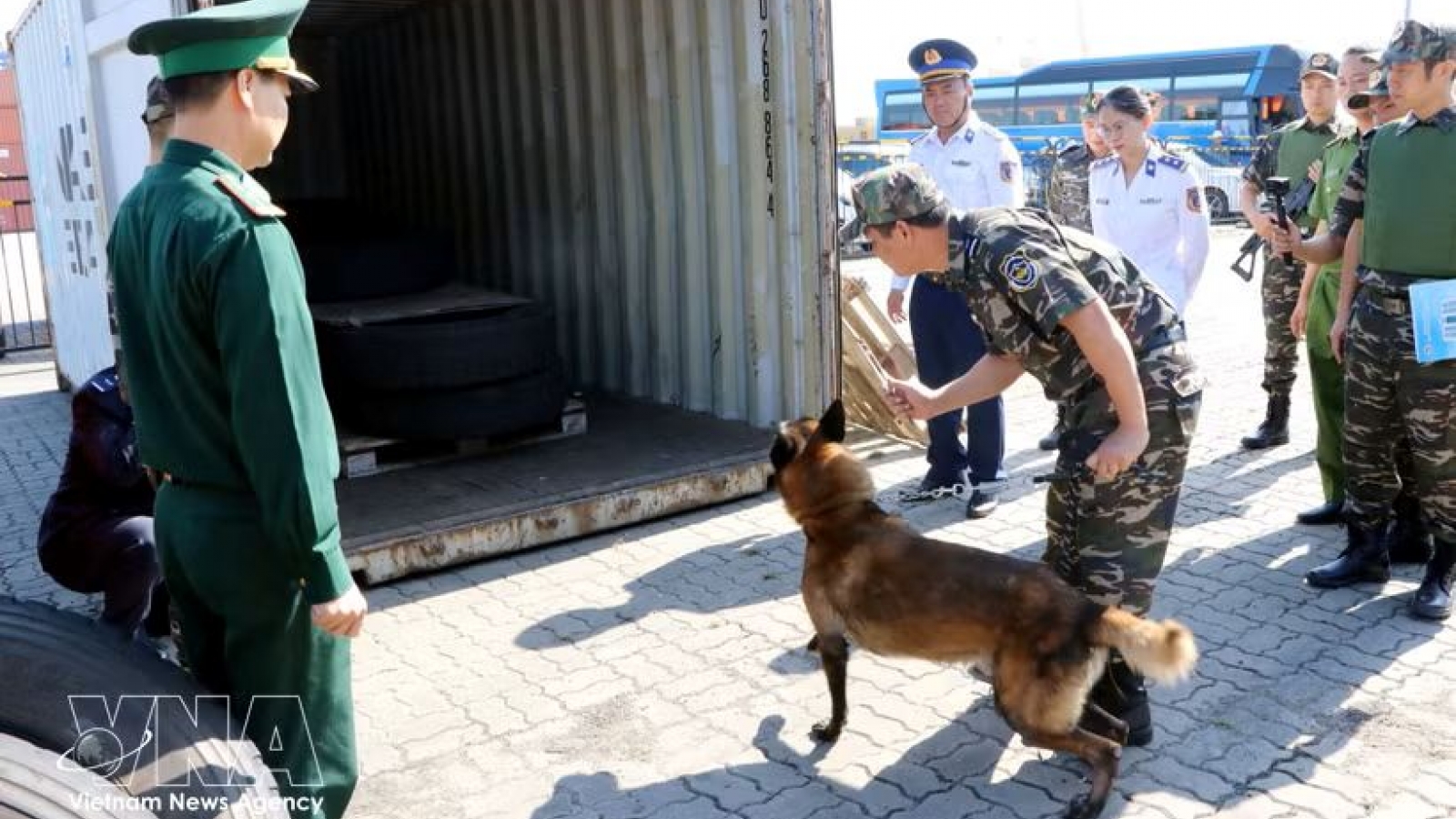
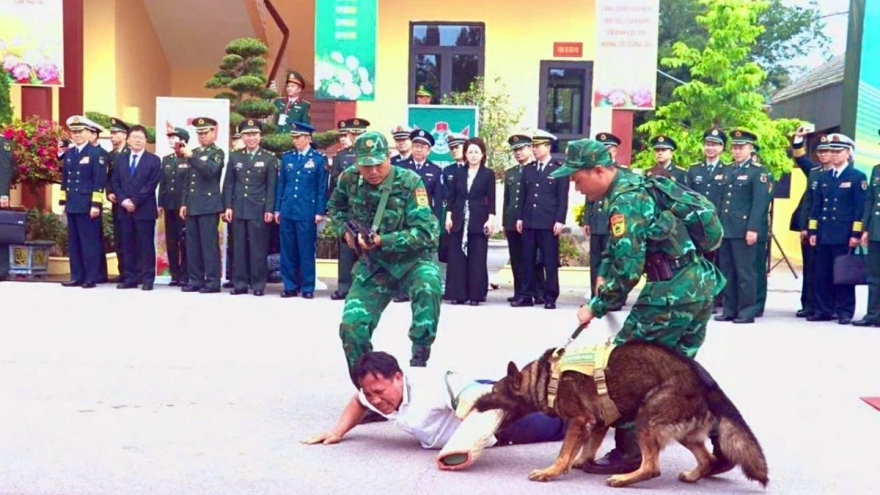
Border guards tighten border control to curb transnational drug trafficking

VOV.VN - Vietnam’s Border Guard Force has intensified efforts along land and maritime borders to combat increasingly sophisticated transnational drug trafficking networks that exploit border areas, sea routes and international transportation channels.
Major General Do Ngoc Canh, director of the Department for Drug and Crime Prevention and Control under the Vietnam Border Guard Command, said the force is implementing comprehensive operations targeting key border areas, border gates and maritime zones frequently used by traffickers to transport illicit drugs.

According to Maj. Gen. Canh, the Border Guard Force has proactively coordinated with domestic law enforcement agencies while expanding international cooperation with neighbouring countries to establish mechanisms for intelligence sharing, investigations and early disruption of transnational criminal networks.
“The Border Guard Force is determined not to allow Vietnam to become a transit point for international drug trafficking,” he told VOV in a recent interview in response to the Action Month for Drug Prevention and Control 2026.
Border areas remain key trafficking routes
Vietnam's borders, particularly those adjacent to the Golden Triangle region and major international shipping lanes, have long been identified as high-risk areas for drug-related crimes.
Traffickers continuously adapt their methods, taking advantage of international cargo transportation, maritime containers and unofficial border crossings to smuggle narcotics into Vietnam or use the country as a transit route to third countries.
In response, the Border Guard Force has launched a series of nationwide anti-drug operations along the Vietnam–Laos and Vietnam–Cambodia borders while strengthening cooperation with regional partners, including China and Myanmar, to intercept drug trafficking activities at their source and reduce cross-border pressure.
Public participation plays a vital role
Beyond enforcement operations, border authorities have expanded public awareness campaigns and community-based security programmes in border regions. Local residents are considered a critical source of information in detecting and reporting criminal activities, helping authorities identify and address threats at an early stage.
Maj. Gen. Canh emphasised that drug crime prevention is not solely the responsibility of specialised law enforcement agencies but requires the involvement of the entire political system and local communities, with border guards serving as the frontline force in border areas.
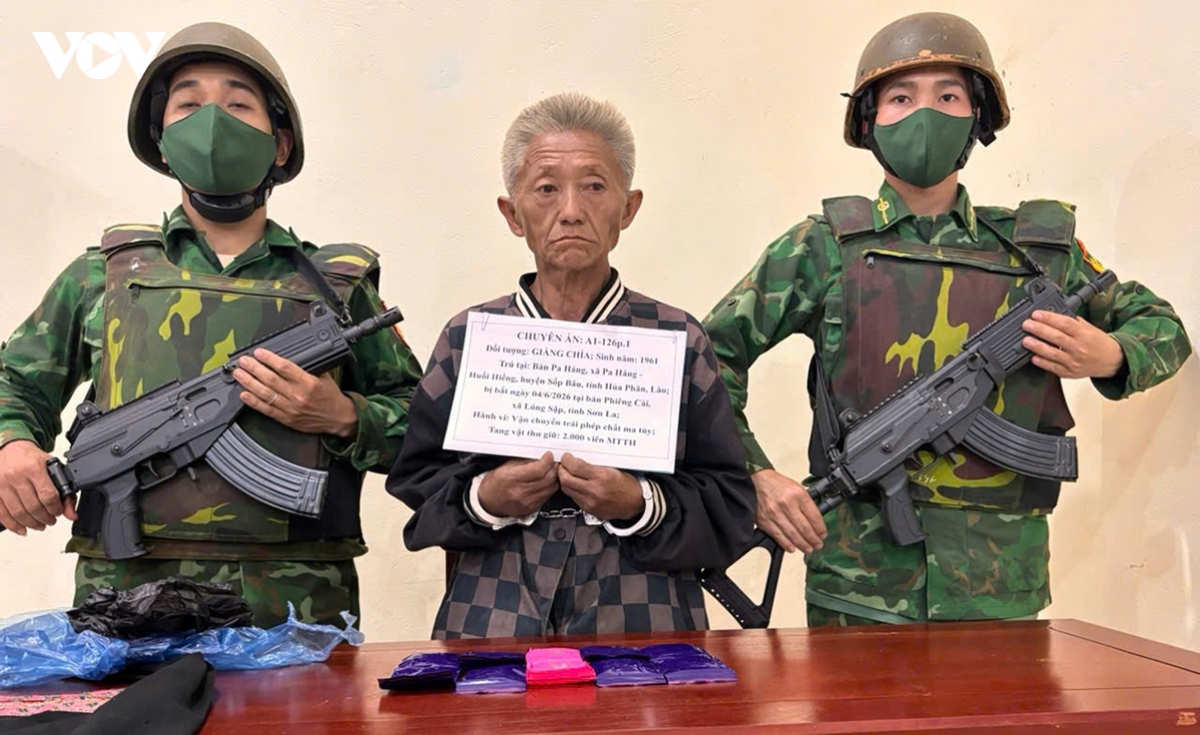
During a recent nationwide crackdown, the Vietnam Border Guard Force successfully dismantled nine major drug trafficking cases, arresting more than 70 suspects and seizing nearly 40 kilograms of narcotics.
One of the most notable operations was Case HT426, led by border guards in Ha Tinh province in coordination with other law enforcement agencies. The operation resulted in the seizure of more than 27 kilograms of illegal drugs.
Authorities said the figures highlight both the intensity of anti-drug efforts and the increasingly complex nature of narcotics crimes along Vietnam’s borders, which remain key hotspots in regional trafficking networks.
Looking ahead, the Border Guard Force plans to enhance investigative capabilities, expand the use of advanced technologies, strengthen international cooperation and launch larger cross-border operations targeting major trafficking networks.
The goal, Maj. Gen. Canh said, is to maintain security and public order in border areas while contributing to the broader effort of safeguarding Vietnam’s national security through proactive and preventive measures.
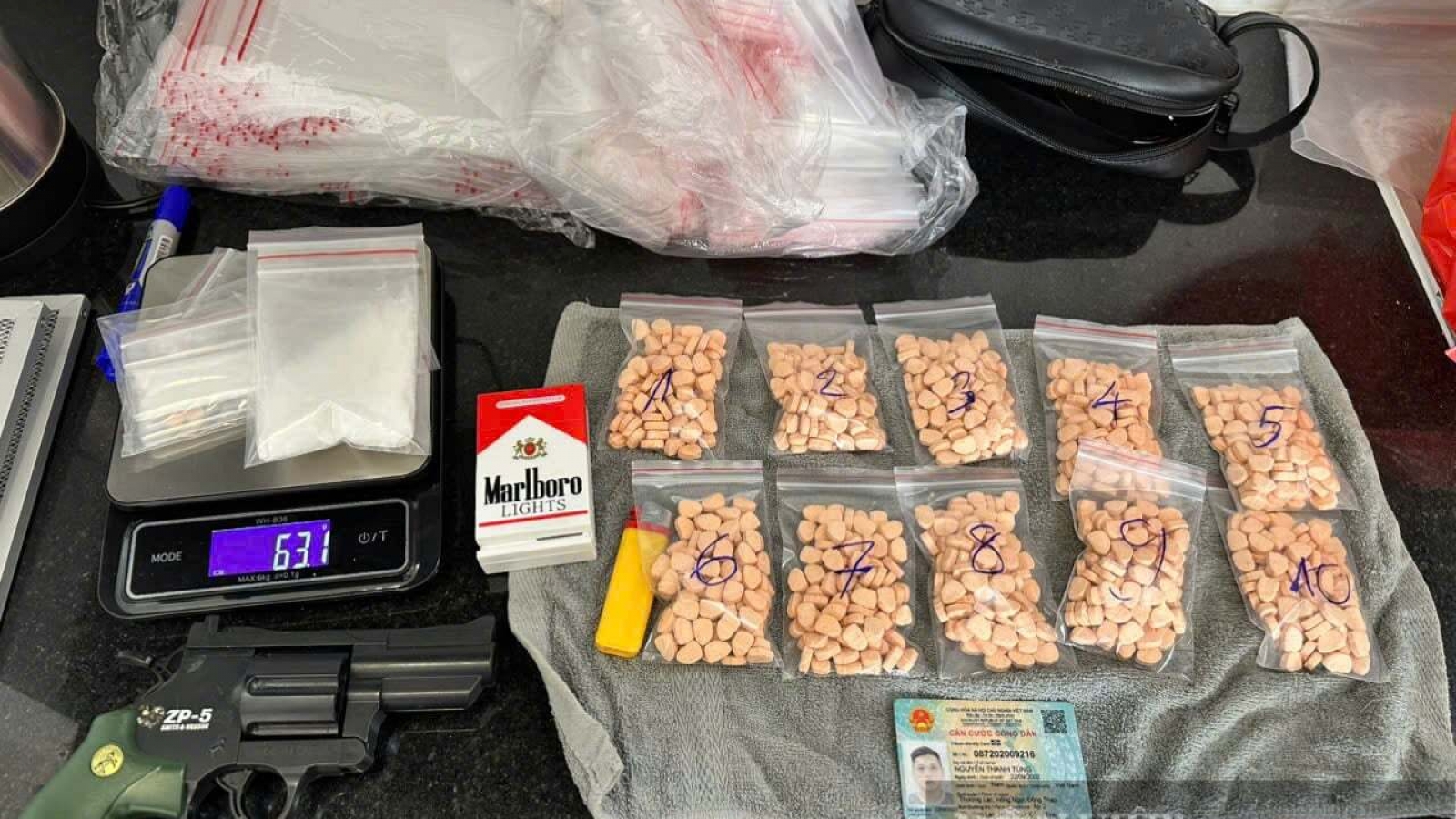
Police dismantle transnational drug trafficking ring, arrests 403
VOV.VN - Vietnam's Ministry of Public Security has broken up a transnational drug trafficking ring that transported drugs from abroad into Vietnam for domestic distribution, arresting 403 people and seizing large quantities of drugs, firearms and other evidence.