


Advanced technologies to support search and identification of fallen soldiers' remains

VOV.VN - A Vietnamese military delegation has worked with leading US academic and forensic institutions to apply advanced technologies in locating, gathering, and identifying the remains of fallen soldiers in Vietnam.
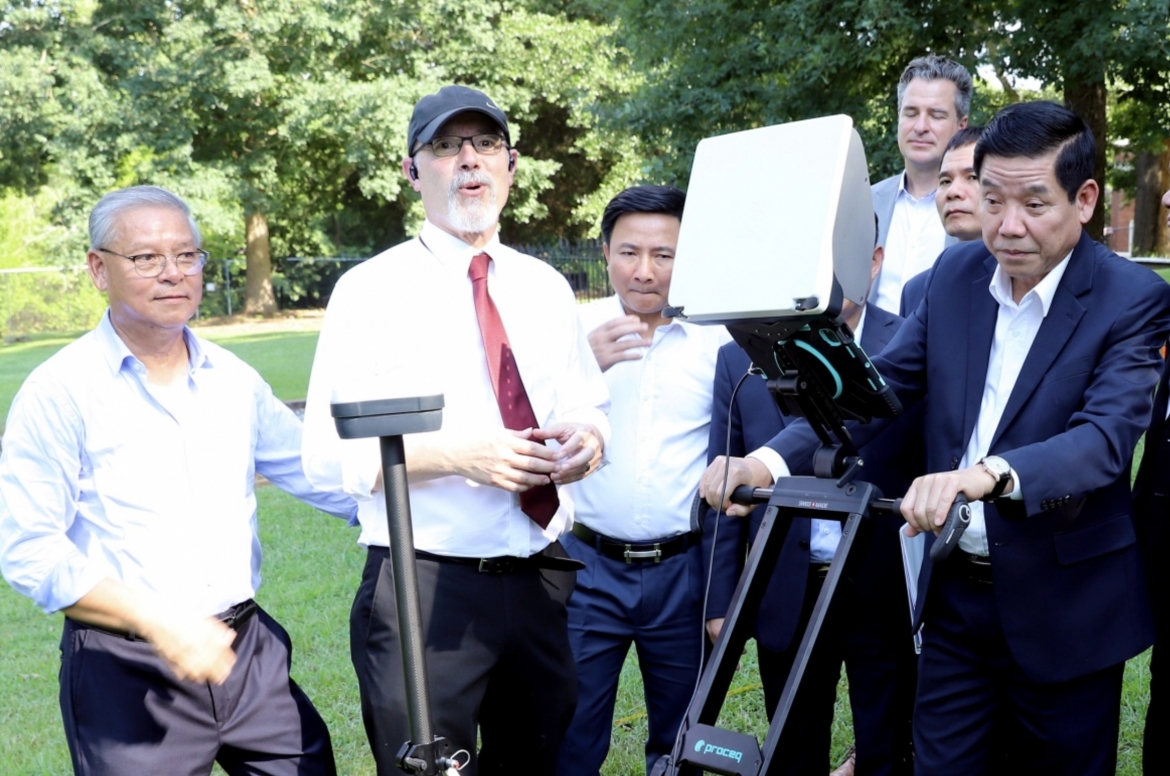
Continuing a working visit to the US, a delegation led by Senior Lieutenant General Nguyen Van Gau, Member of the Party Central Committee, Deputy Minister of National Defence, and Deputy Head of the National Steering Committee for the Search, Repatriation, and Identification of Fallen Soldiers' Remains, held working sessions at the University of Georgia and the Armed Forces Medical Examiner System in Delaware.
At the University of Georgia, the delegation examined an interdisciplinary research model for locating and recovering human remains. Experts introduced an integrated scientific ecosystem combining historical data, anthropology, archaeology, and artificial intelligence.
The University of Georgia's leadership has given special attention to a dedicated project supporting Vietnam, assembling a team of leading scientists across relevant disciplines. Over the past 18 months, these researchers have made several trips to Vietnam to develop a comprehensive, highly interdisciplinary system of solutions.
As a groundbreaking methodology, this initiative taps into interdisciplinary knowledge and resources to serve the primary goal of locating and identifying the remains of fallen soldiers.
To adapt to Vietnam’s complex soil conditions, particularly damp clay with high signal attenuation, scientists integrated magnetic sensors and image-processing algorithms to detect stratigraphic disturbances at mass grave sites.
Among the solutions presented, Vietnam showed particular interest in environmental DNA (eDNA), optical emission plasma spectroscopy, magnetic radar, and ground-penetrating radar. Mobile eDNA systems can detect biological traces directly on site, reducing unnecessary large-scale excavations.
These technological advances carry vital significance as the search, collection, and identification of fallen soldiers' remains in Vietnam continue to be a long-term, arduous task. Search teams often spend hundreds of days in remote forests and mountains, working in harsh weather and treacherous terrain to bring fallen soldiers home to their families and homeland.
The University of Georgia pledged to transfer technologies, conduct short-term training courses for Vietnamese search units, and share mapping data. This cooperation is expected to shorten survey times and improve search and identification efficiency.
Earlier, the delegation surveyed the Armed Forces Medical Examiner System (AFMES) in Delaware, examining operational workflows, biological data management, specimen preservation, and next-generation forensic techniques.
AFMES conducts medico-legal investigations, service member identification, and supports US Department of Defence operations. Its Armed Forces DNA Identification Laboratory handles genetic analysis to identify casualties from current operations and past conflicts.
Speaking during the working session, Senior Lieutenant General Nguyen Van Gau affirmed that applying scientific and technological achievements plays a key role in implementing policies of gratitude. The insights gained from this field survey provide an important basis for National Steering Committee 515 to research and propose measures to refine military forensic procedures in Vietnam.
He noted that the National Steering Committee has launched a "500-day-and-night campaign" to accelerate the search, repatriation, and identification of fallen soldiers' remains, with the highest determination, urgency, and responsibility across the political system, ministries, and localities to achieve all set targets.
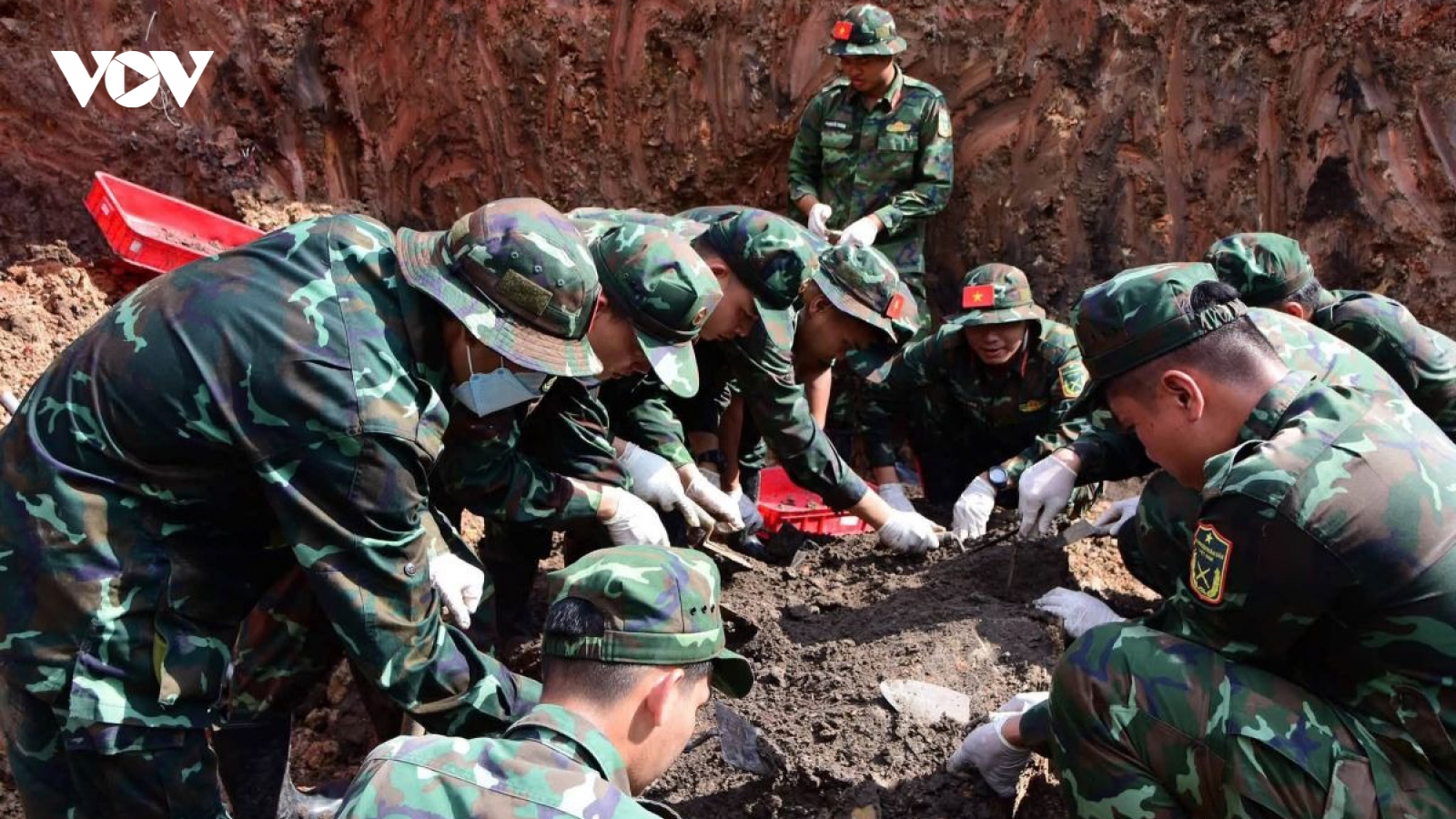
Vietnam steps up search, recovery and identification of fallen soldiers
VOV.VN - Vietnam is accelerating efforts to search for, recover and identify the remains of fallen soldiers under a nationwide 500-day campaign, with 1,715 sets of remains recovered since the campaign began in March.
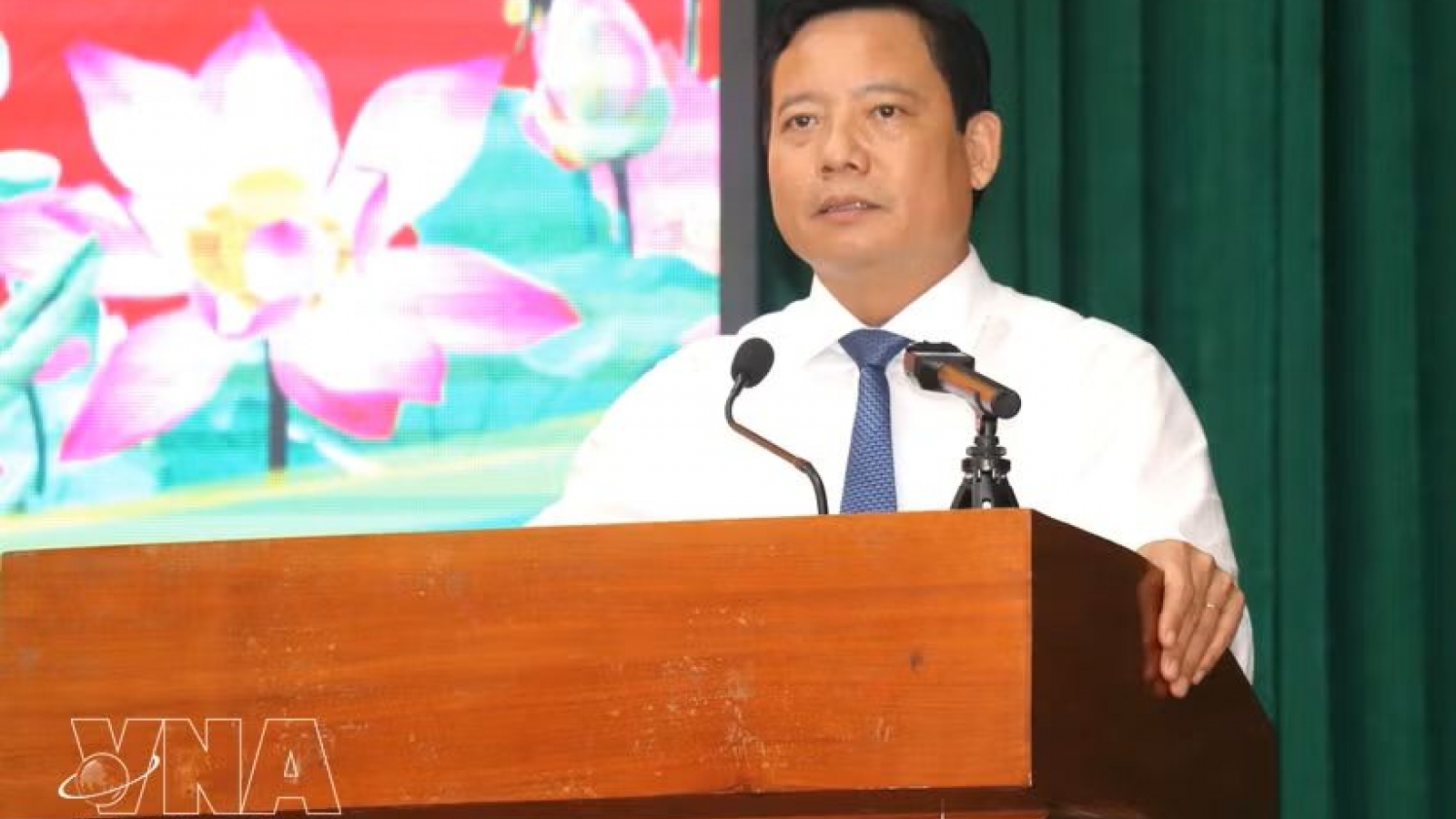
519 fallen soldiers' remains recovered, DNA identification accelerated
The southern province of Tay Ninh has recovered 519 sets of fallen soldiers' remains in Vietnam and Cambodia, with most of the DNA sampling completed after 60 days of a nationwide 500-day campaign to speed up the search, as well as the 2025–2026 dry-season recovery mission.
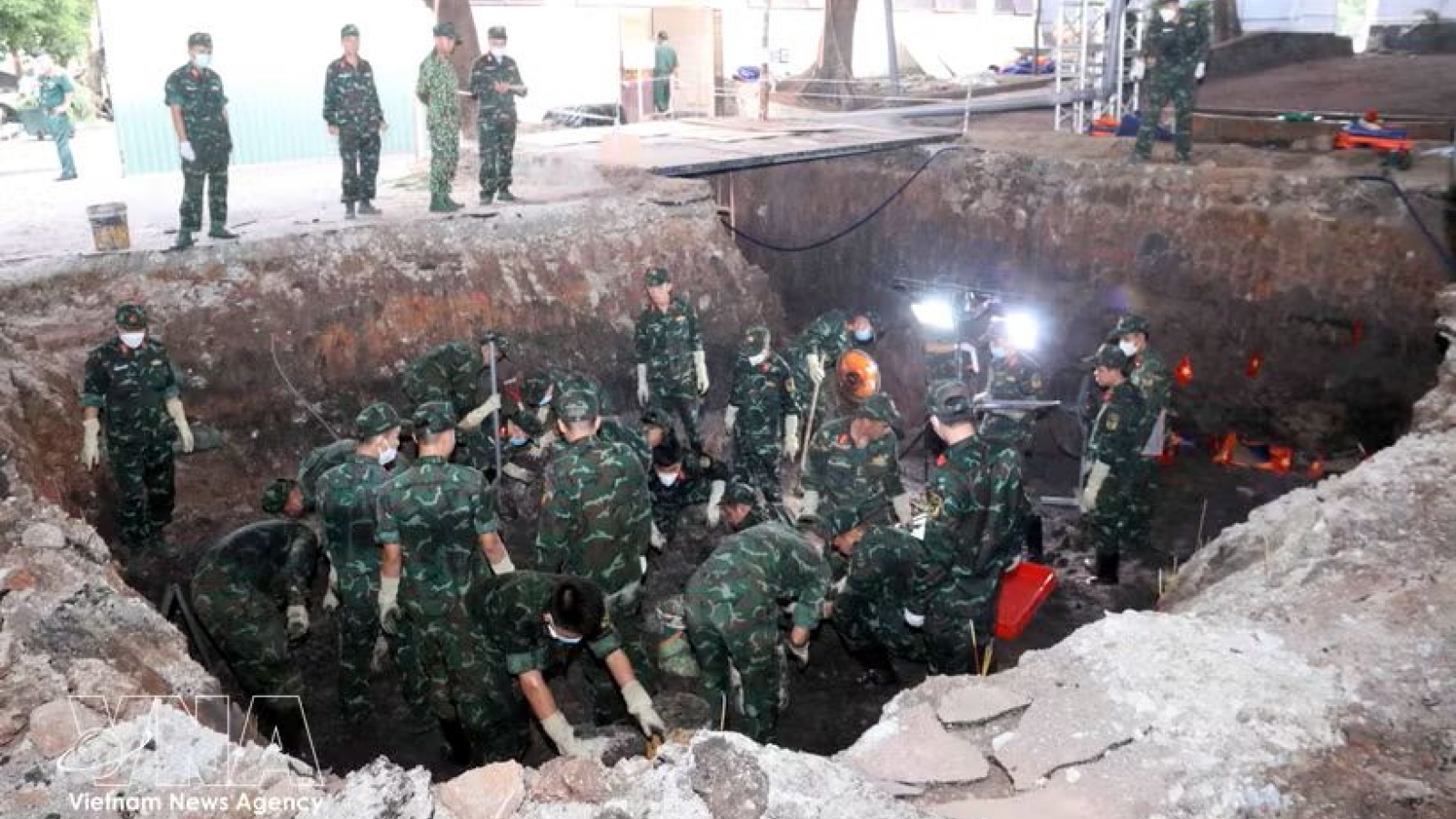
Over 1,560 fallen soldiers' remains recovered in 500-day campaign
Vietnam's nationwide 500-day campaign to accelerate the search for, repatriation and identification of fallen soldiers' remains has recovered 1,563 sets of remains and uncovered nine mass graves, according to the Office of the National Steering Committee for the work.