


Top leader witnesses exchange of cooperation documents and agreements with UN

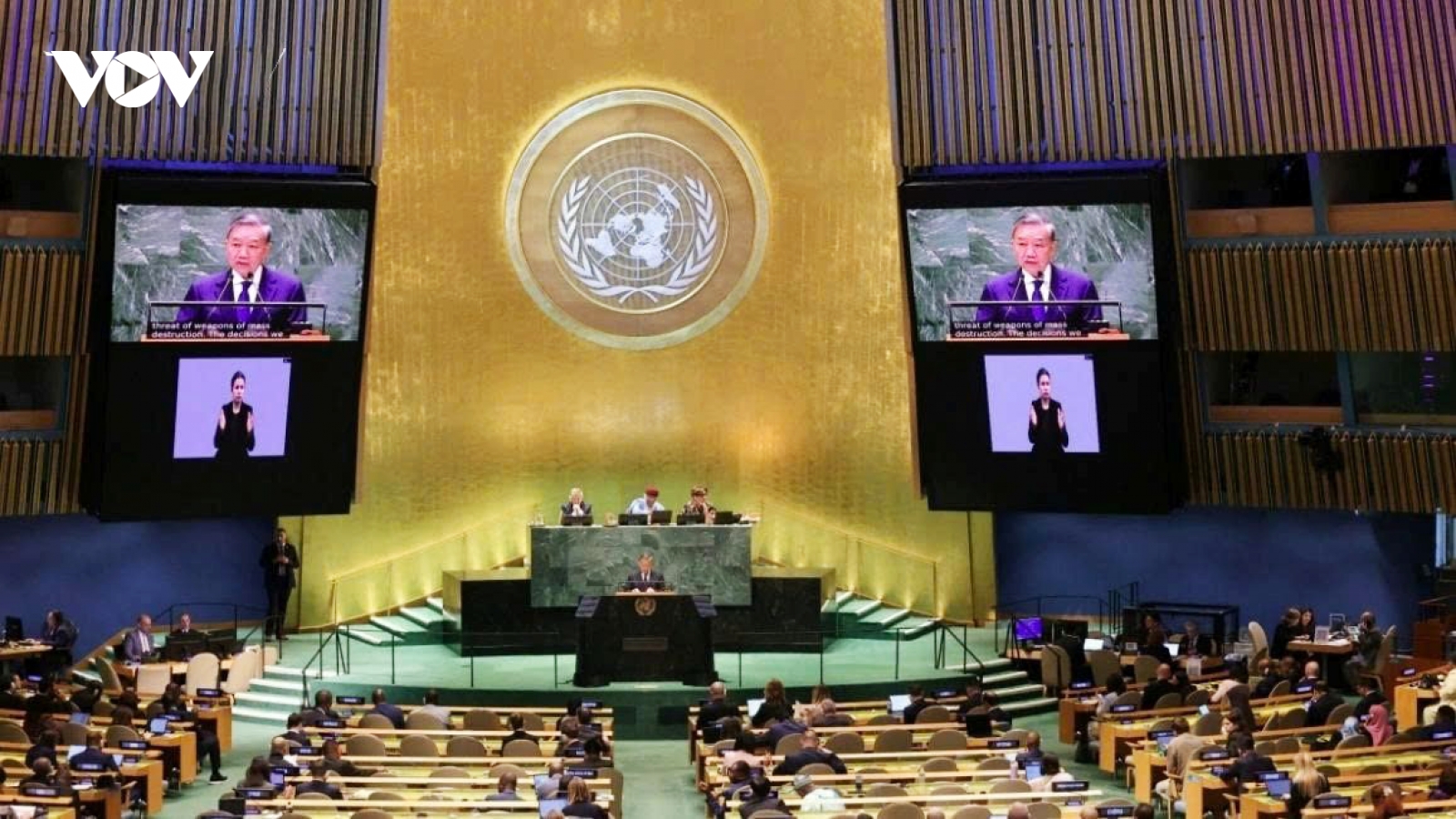
VOV.VN - General Secretary of the Communist Party of Vietnam Central Committee and President To Lam, together with a high-ranking Vietnamese delegation and UN leadership representatives, witnessed the exchange of cooperation documents and agreements between Vietnam and the United Nations in New York on September 22.
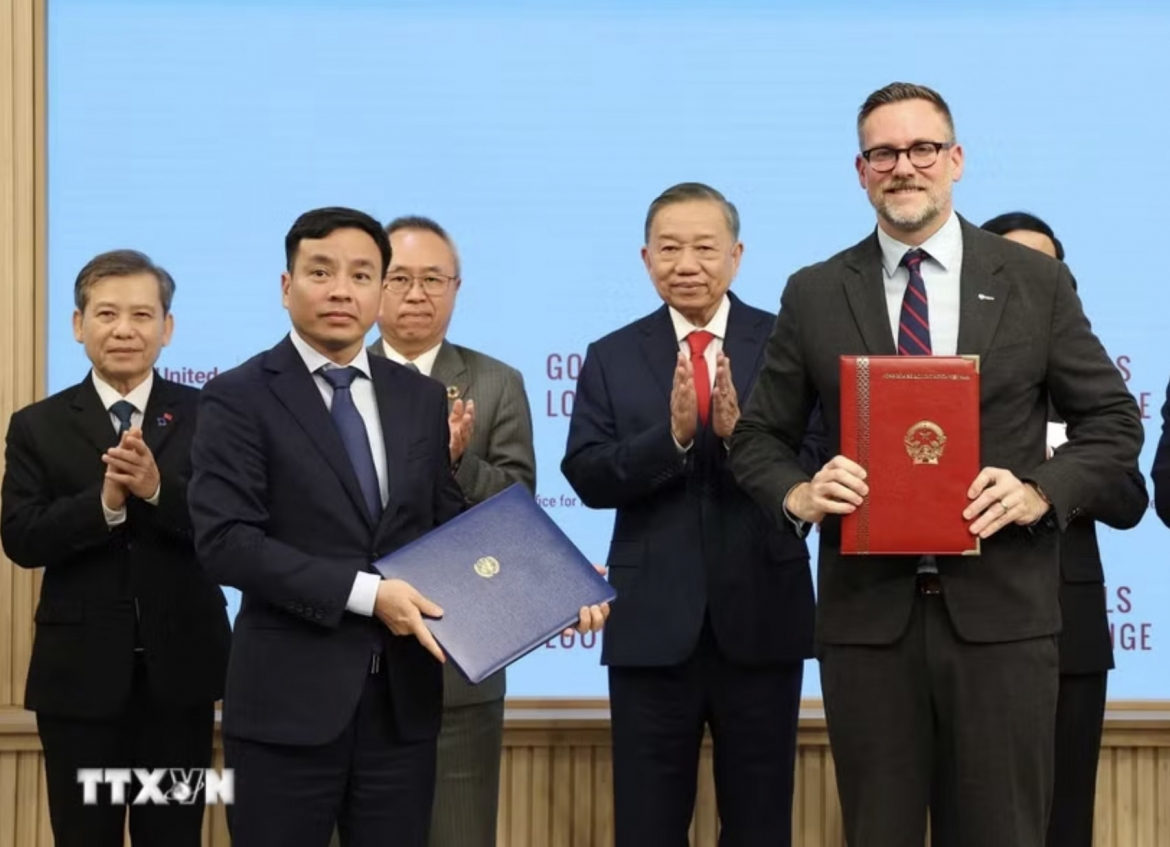
(Photo: VNA)
This is part of his working visit to the US to attend the High-Level General Debate of the 81st Session of the United Nations General Assembly (UNGA 81) and conduct bilateral activities.
At the ceremony, Minister of Finance Ngo Van Tuan, alongside UNDP Administrator Alexander de Croo, UNICEF Executive Director Catherine Russell, and UNFPA Executive Director Diene Keita, exchanged the Country Programme Documents (CPDs) for the 2027-2031 period between the Government of Vietnam and the three premier development agencies.
Subsequently, Deputy Minister of Foreign Affairs Dang Hoang Giang and UNDP Administrator Alexander de Croo exchanged the Amended and Supplemental Agreement to the "Agreement between the Government of Vietnam and the UNDP on the renovation, upgrading, and use of the UN Green One UN House in Hanoi in 2012."
Also within the framework of the event, representatives of the Vietnamese Ministry of Public Security and the United Nations Office on Drugs and Crime (UNODC) exchanged a Letter of Intent regarding the establishment of the Asia-Pacific Regional Cybercrime Prevention and Response Center in Vietnam.
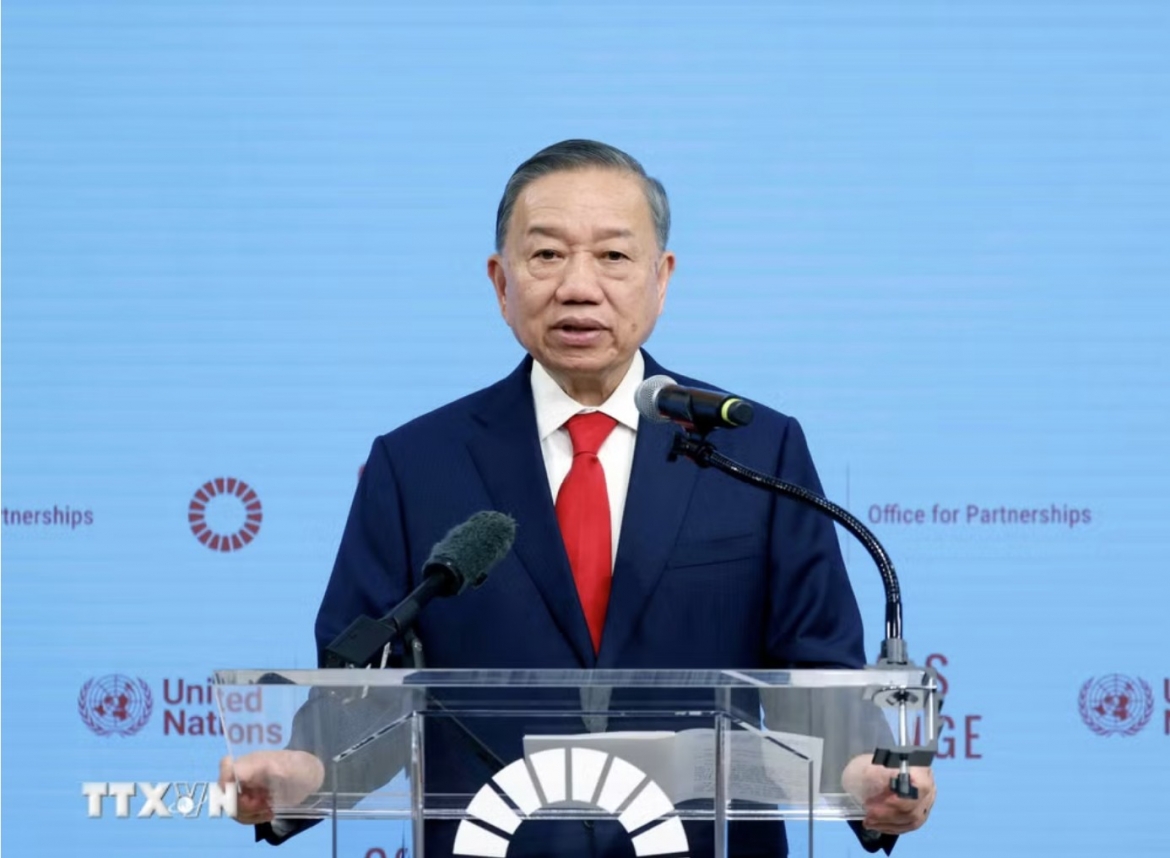
Delivering remarks at the ceremony, Party General Secretary and State President To Lam expressed profound appreciation for the invaluable support and cooperation extended by UN organizations to Vietnam across various eras. From post-war reconstruction in the 1970s, the Doi Moi (Renewal) process starting in the 1980s, and international integration in the 1990s, to contemporary developmental milestones, the steadfast accompaniment of UNDP, UNICEF, and UNFPA has meaningfully contributed to poverty reduction, sustainable development, child rights protection, population quality enhancement, gender equality promotion, and the pledge to leave no one behind.
The top leader underscored that these contributions transcend material resource dimensions; more importantly, they encompass the sharing of knowledge, expertise, progressive ideas, and solutions that elevate citizens' living standards and fortify the nation's foundational development.
He affirmed that the signing and exchange of the Country Programme Documents for the 2027-2031 period inaugurate a novel chapter in the partnership between Vietnam and the three UN agencies. This framework not only charts the course for operational programs over the next five years but also solidifies a strong commitment to turning strategic objectives into concrete actions and specific outcomes that directly benefit the populace.
Emphasizing that the 2027-2031 period holds pivotal significance for Vietnam following 40 years of Doi Moi (Renewal), the Party and State leader noted that the country is striving for a breakthrough to fulfill its developmental targets through 2030, laying the groundwork to realize the aspiration of becoming a developed nation with modern industry and high income by 2045. Along this process, Vietnam expects UNDP, UNICEF, and UNFPA to effectively utilize their strengths, expertise, and global networks to partner with Vietnam in transforming its development model, advancing digital and green transitions, bolstering self-reliance, adapting to population aging, and amplifying the roles of women and youth.
The three UN agencies are expected to continue acting as trusted partners, assisting Vietnam in gaining access to advanced knowledge, technologies, and resources while reinforcing intra-system coordination to generate comprehensive, long-term impacts.
For his part, Party General Secretary and State President To Lam affirmed that Vietnam will maintain its status as a proactive, active, and responsible member of the international community. The country will continue providing free headquarters space for UN organizations in Vietnam while welcoming these bodies to establish national or regional representative offices or host major global events within the country. Furthermore, Vietnam stands ready to share developmental expertise with other nations via cooperative mechanisms, jointly pursuing a peaceful, prosperous, inclusive, and people-centred world.
In their addresses, the leaders of the three leading UN development agencies-UNDP, UNICEF, and UNFPA-conveyed their admiration for Vietnam's developmental trajectory and prominent achievements. The UNDP Administrator stated that the partnership spanning five decades has forged an unprecedentedly solid foundation. UNDP acknowledged Vietnam's spectacular leap from a war-torn nation into a dynamic economy, alongside its status as a global beacon for poverty reduction and human development. Entering the new cooperative phase, UNDP pledged to stand shoulder-to-shoulder with Vietnam, supporting the nation in seizing epochal opportunities.
Meanwhile, the UNICEF Executive Director congratulated Vietnam on its remarkable progress and ambitious future vision. The UNICEF representative emphasized that Vietnam serves as a vivid testament that investment in human capital drives profound socio-economic transformation. UNICEF also welcomed Vietnam's rising international standing, anticipating that the country will actively share developmental expertise through South-South and trilateral cooperation frameworks.
The UNFPA Executive Director hailed Vietnam's extraordinary strides in extending citizens' life expectancy, improving health and educational systems, and sharply lowering maternal mortality rates. UNFPA was deeply impressed by the practical achievement of recording zero maternal deaths across 60 remote villages supported by one of its sponsored projects. Conveying deep respect for Vietnam's vigorous ascent, UNFPA leadership urged Vietnam to make even greater contributions to the international community's shared development goals.
Vietnam is among the pioneer nations championing the "One UN" initiative to reform the United Nations at the country level, increasing the operational efficiency of resident UN organizations through the establishment of the Green One UN House in Hanoi. This pioneering global model features eco-friendly architecture and serves as a symbol of Vietnam-UN cooperation.
Amending the agreement and extending rent-free headquarters space for UN organizations constitutes a practical contribution amid financial difficulties faced by UN bodies, while deepening relations with the UN and demonstrating Vietnam's rising international role and stature. Meanwhile, the establishment of the Asia-Pacific Regional Cybercrime Prevention and Response Center in Vietnam is expected to enhance the region's collective capacity to counter cyber threats, connect national efforts with UN cooperative mechanisms, and catalyze the sharing of knowledge, expertise, technology, and resources in combating crimes that increasingly exploit cyberspace, data, and emerging technologies.
The aforementioned cooperation documents and agreements reaffirm the UN's commitment to standing alongside Vietnam in its development, ushering in a deeper, more effective, and comprehensive phase of cooperation.
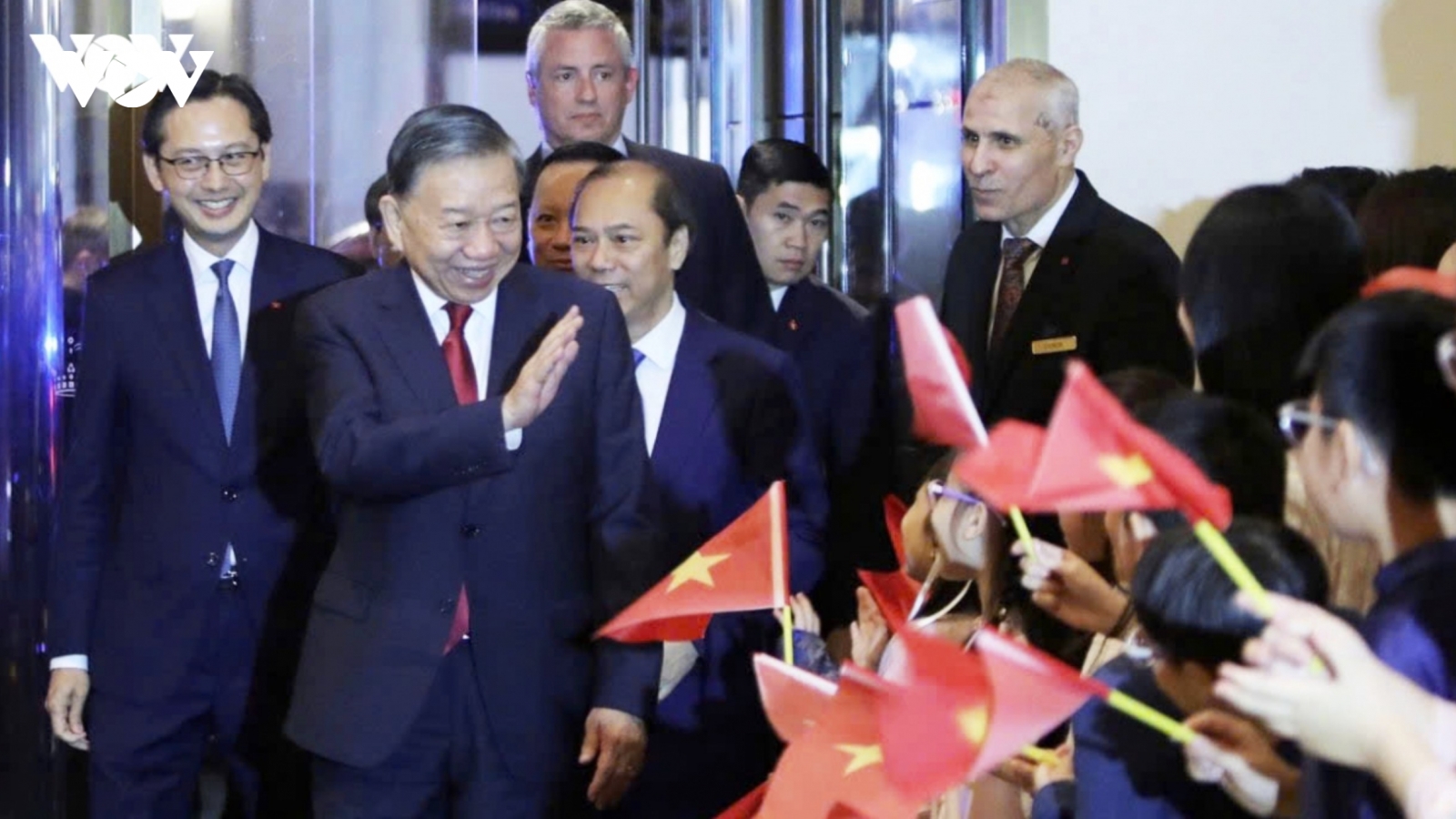
Top leader To Lam arrives in New York for UNGA 81 high-level debate
VOV.VN - General Secretary of the Communist Party of Vietnam Central Committee and President To Lam, accompanied by a high-ranking Vietnamese delegation, arrived in New York on the evening of September 20 (local time), beginning his participation in the High-Level General Debate of the 81st United Nations General Assembly (UNGA 81) and a series of bilateral activities in the US.
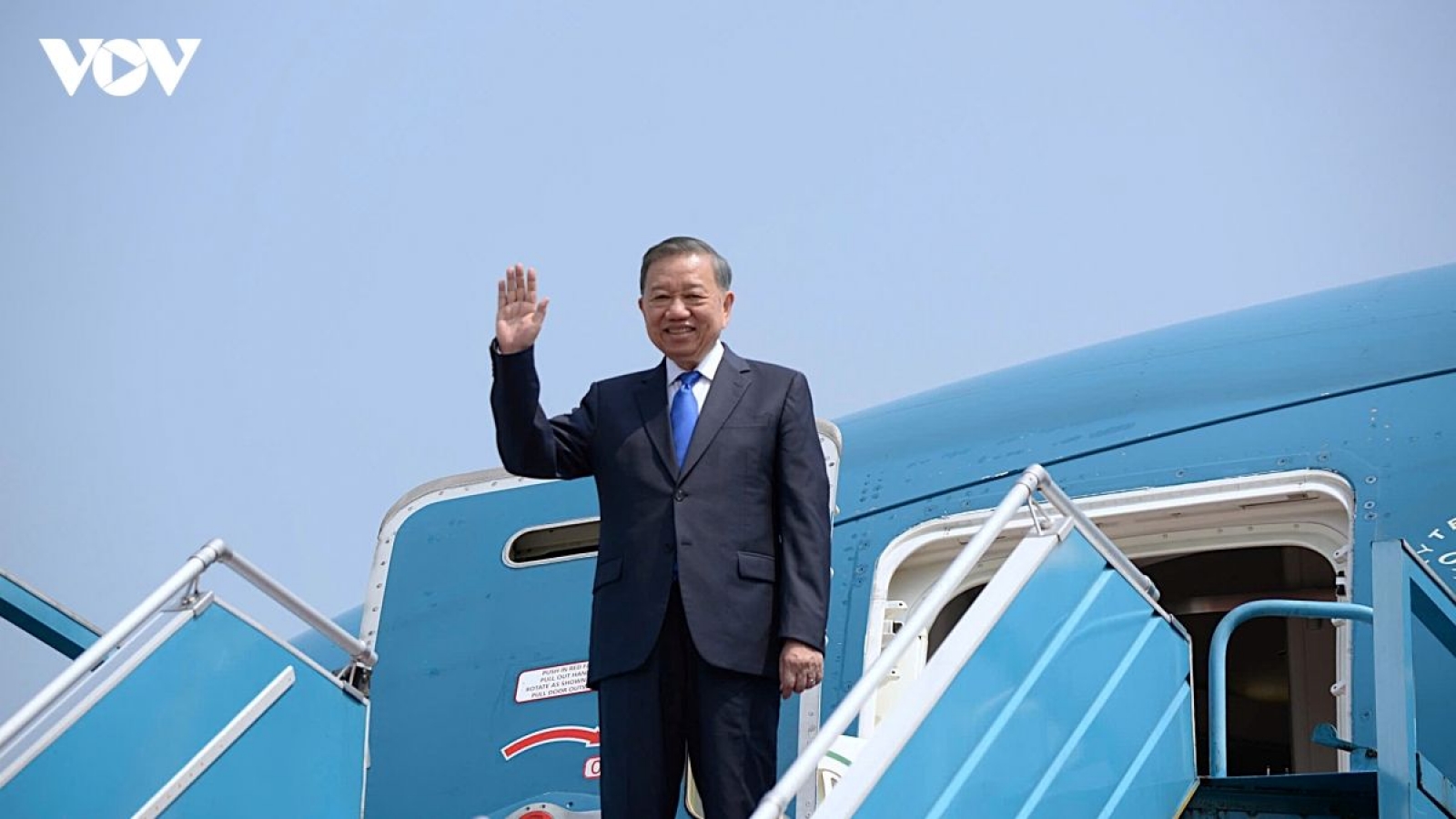
Top leader To Lam leaves for UN General Assembly session UNGA 81
VOV.VN - A high-ranking Vietnamese delegation led by General Secretary of the Communist Party of Vietnam Central Committee and President To Lam left Hanoi on September 20 for the 81st session of the United Nations General Assembly (UNGA 81), bilateral activities in the United States and a State visit to Canada.
Top leader To Lam’s trip to expand Vietnam’s role on the global stage
VOV.VN - General Secretary of the Communist Party of Vietnam Central Committee and President To Lam’s September 20-25 trip to the United Nations, the United States and Canada will reinforce Vietnam’s multilateral engagement while expanding cooperation with key partners in support of its long-term development goals.