Top leader To Lam’s trip to expand Vietnam’s role on the global stage

VOV.VN - General Secretary of the Communist Party of Vietnam Central Committee and President To Lam’s September 20-25 trip to the United Nations, the United States and Canada will reinforce Vietnam’s multilateral engagement while expanding cooperation with key partners in support of its long-term development goals.
The trip will be the top leader’s first visit to the United Nations, the United States and Canada since the 14th National Party Congress, the election of the 16th National Assembly and the elections of People’s Councils for the 2026-2031 term. It presents an opportunity for Vietnam to convey at the highest level a message of a country entering a new era of development with a clear vision, determination and aspiration to advance.
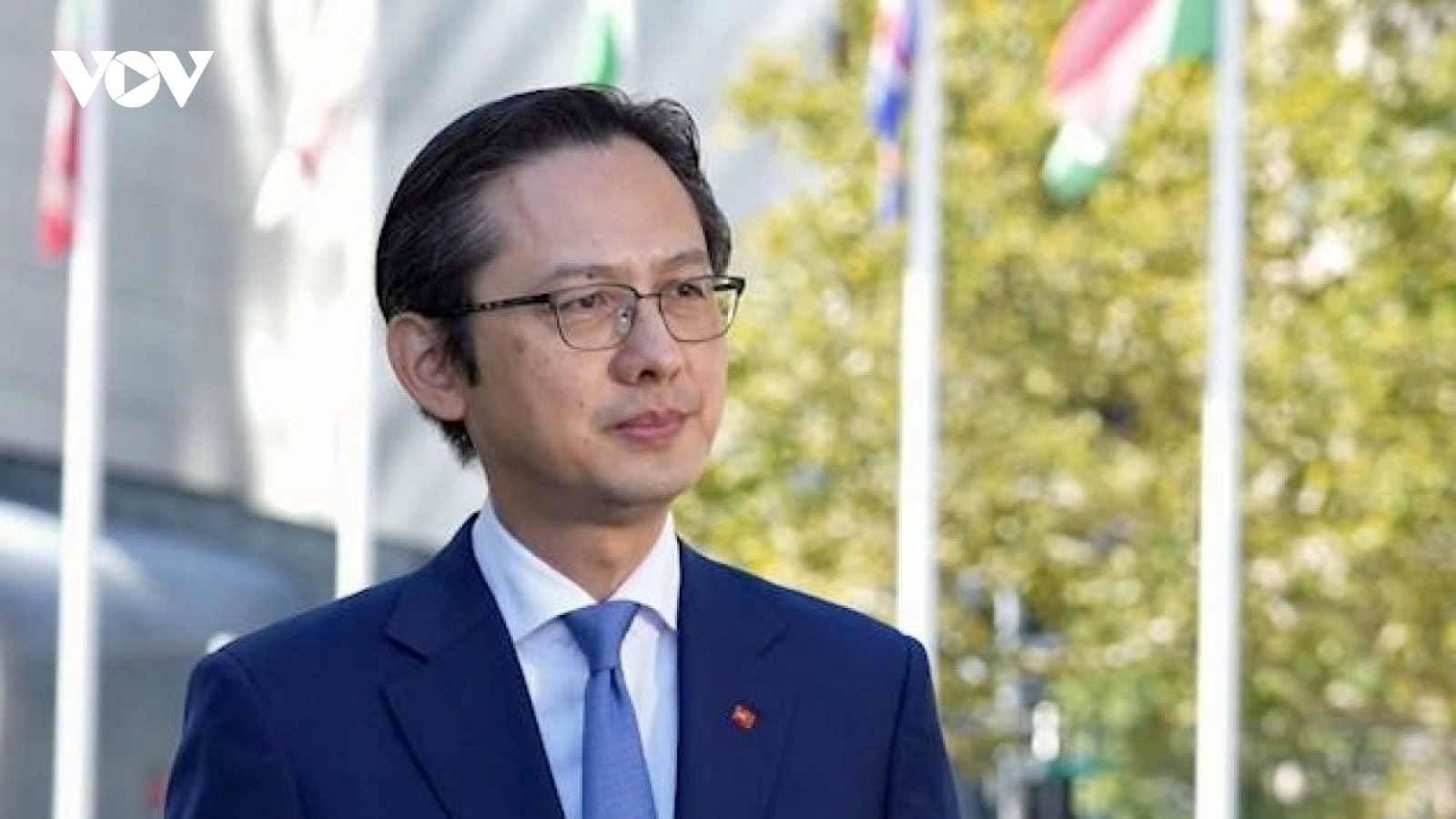
Deputy Minister of Foreign Affairs Dang Hoang Giang said the trip comes amid rapid and profound changes in the international environment and reflects Vietnam’s foreign policy of independence, self-reliance, diversification and multilateralisation, alongside proactive and comprehensive international integration. He also highlighted the opportunity to expand development space by making effective use of international conditions and resources.
A more proactive contribution to global affairs
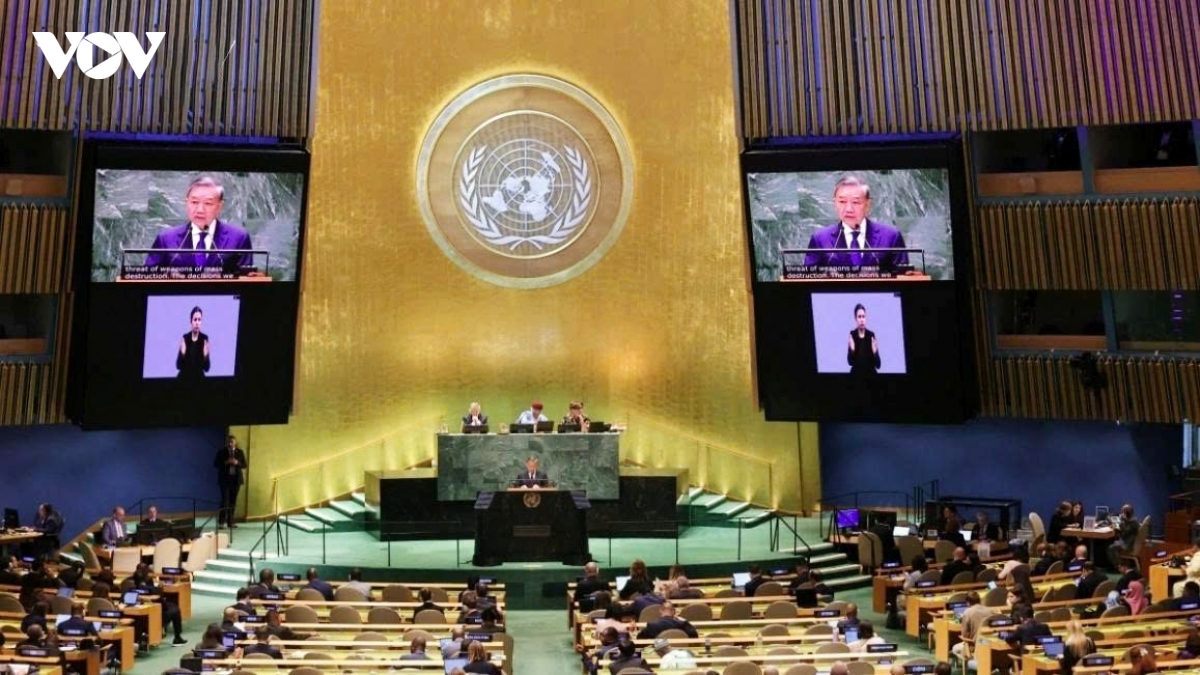
A central focus of the trip will be the top leader’s participation in the High-level General Debate of the 81st UN General Assembly (UNGA 31), as Vietnam and the United Nations move towards the 50th anniversary of their relationship.
Since joining the United Nations in 1977, Vietnam has steadily expanded its engagement from development cooperation to a broader range of issues involving peace, security and global challenges. It has served twice as a non-permanent member of the UN Security Council, participated in UN peacekeeping operations and taken on responsibilities in various UN bodies and mechanisms.
Over the years, Vietnam has contributed to UN discussions and decision-making across a wide range of areas, from development cooperation, disarmament and non-proliferation to counter-terrorism and human rights. The country has also been recognised for its progress in implementing the Millennium Development Goals and its commitment to the 2030 Agenda for Sustainable Development, the Paris Agreement and the Pact for the Future. It has further supported UN reform efforts, including the Delivering as One initiative to enhance the effectiveness of the UN system at the country level.
According to Deputy Minister Dang Hoang Giang, General Secretary and State President To Lam will share Vietnam’s experience from four decades of Doi Moi (Renewal) and put forward initiatives related to common challenges such as climate change, sustainable development and governance of core technologies of the future. The participation will also reaffirm Vietnam’s support for the central role of the United Nations in multilateral cooperation and respect for international law.
Vietnam’s recent contributions to the UN also reflect its increasingly substantive engagement. The country hosted the signing ceremony for the UN Convention against Cybercrime in Hanoi, was re-elected to the UN Human Rights Council for the 2026-2028 term, assumed the presidency of the Meeting of States Parties to the UN Convention on the Law of the Sea for the first time, and had a Vietnamese candidate elected as a judge of the International Tribunal for the Law of the Sea for the 2026-2035 term.
Expanding cooperation with the United States and Canada
Alongside its multilateral engagement, activities in the United States and Canada will provide opportunities to advance important bilateral relationships and link external relations more closely with economic cooperation and long-term development priorities.
In the United States, the trip will focus on continuing to implement understandings reached by the two countries’ senior leaders and foster stable, substantive, effective and sustainable development of their Comprehensive Strategic Partnership. Meetings will also provide an opportunity to discuss strategic and long-term issues, strengthen mutual understanding and promote support for Vietnam-US relations.
Since the two countries upgraded their relationship to a Comprehensive Strategic Partnership in September 2023, cooperation has continued to expand across a wide range of areas. Economic, trade and investment ties remain an important foundation. Two-way trade reached more than US$137 billion in the first eight months of 2026, up 23.4% year on year, making the United States Vietnam’s largest export market and Vietnam the United States’ eighth largest trading partner and largest partner in ASEAN.
Investment ties have also grown, with US businesses continuing to show strong interest in expanding their presence in Vietnam. The United States ranks 11th among 108 foreign investors in Vietnam, with around 1,409 projects worth nearly US$12 billion in total registered capital.
Cooperation is increasingly extending into future-oriented fields such as semiconductors and artificial intelligence, alongside collaboration in policy development, high-quality human resources and digital infrastructure to support Vietnam’s deeper integration into global semiconductor supply chains.
The State visit to Canada, meanwhile, will open another avenue for diversifying and deepening Vietnam’s network of important partners in North America.
Vietnam-Canada relations are grounded in the Comprehensive Partnership established in 2017. The two countries have maintained mechanisms including political consultations, the Joint Economic Committee and the Defence Policy Dialogue, while two-way trade reached about US$8.6 billion in 2025. Cooperation in science and technology and education and training has also continued to develop.
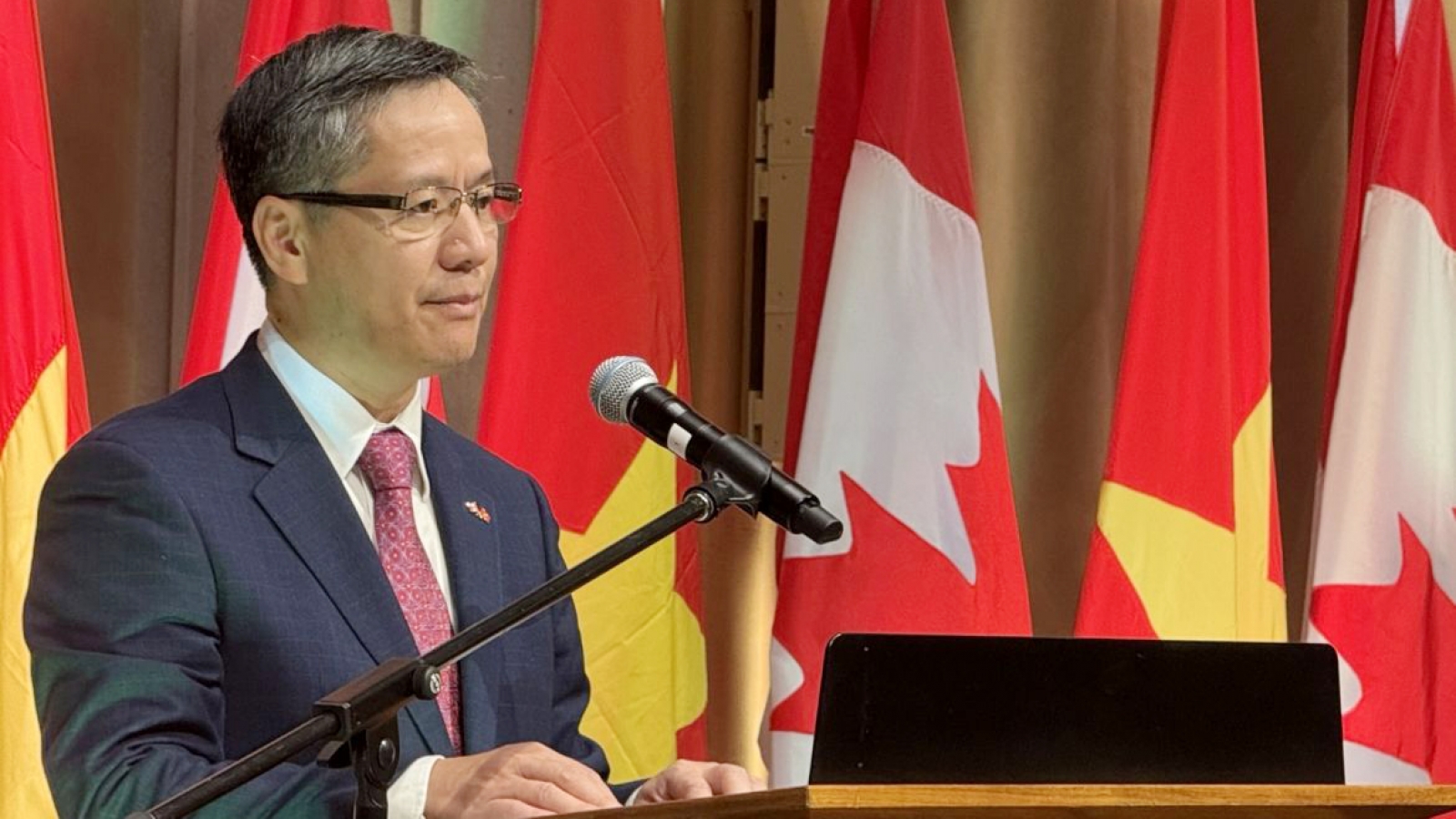
Vietnamese Ambassador to Canada Pham Vinh Quang said there is considerable room to expand cooperation, particularly in trade, investment and supply-chain diversification. The visit is expected to help translate accumulated potential into more concrete directions and programmes, including stronger logistics connectivity, customs cooperation and trade facilitation, as well as expanded cooperation in agriculture, food, processing industries and key export sectors.
Science, technology and innovation are another promising area. The two sides can explore broader cooperation in clean technology, smart agriculture, advanced materials, artificial intelligence, cybersecurity and digital transformation, alongside stronger links among research institutes, universities and businesses. In energy and critical minerals, potential areas include renewable energy, clean hydrogen, liquefied natural gas and value chains for minerals needed by high-tech industries.
More broadly, Vietnam and Canada share interests in rules-based trade, supply-chain diversification and multilateral cooperation. Vietnam is identifying science and technology, innovation, digital transformation and deeper international integration as important drivers of development, while Canada is pursuing market diversification and stronger engagement with the Indo-Pacific region.
From the United Nations to the United States and Canada, the trip will connect three important dimensions of Vietnam’s external relations: contributing to multilateral mechanisms, consolidating a Comprehensive Strategic Partnership and deepening cooperation with an important partner in North America. Together, these engagements will provide an opportunity for Vietnam to present itself as a proactive, responsible partner while expanding international cooperation in support of its development priorities.
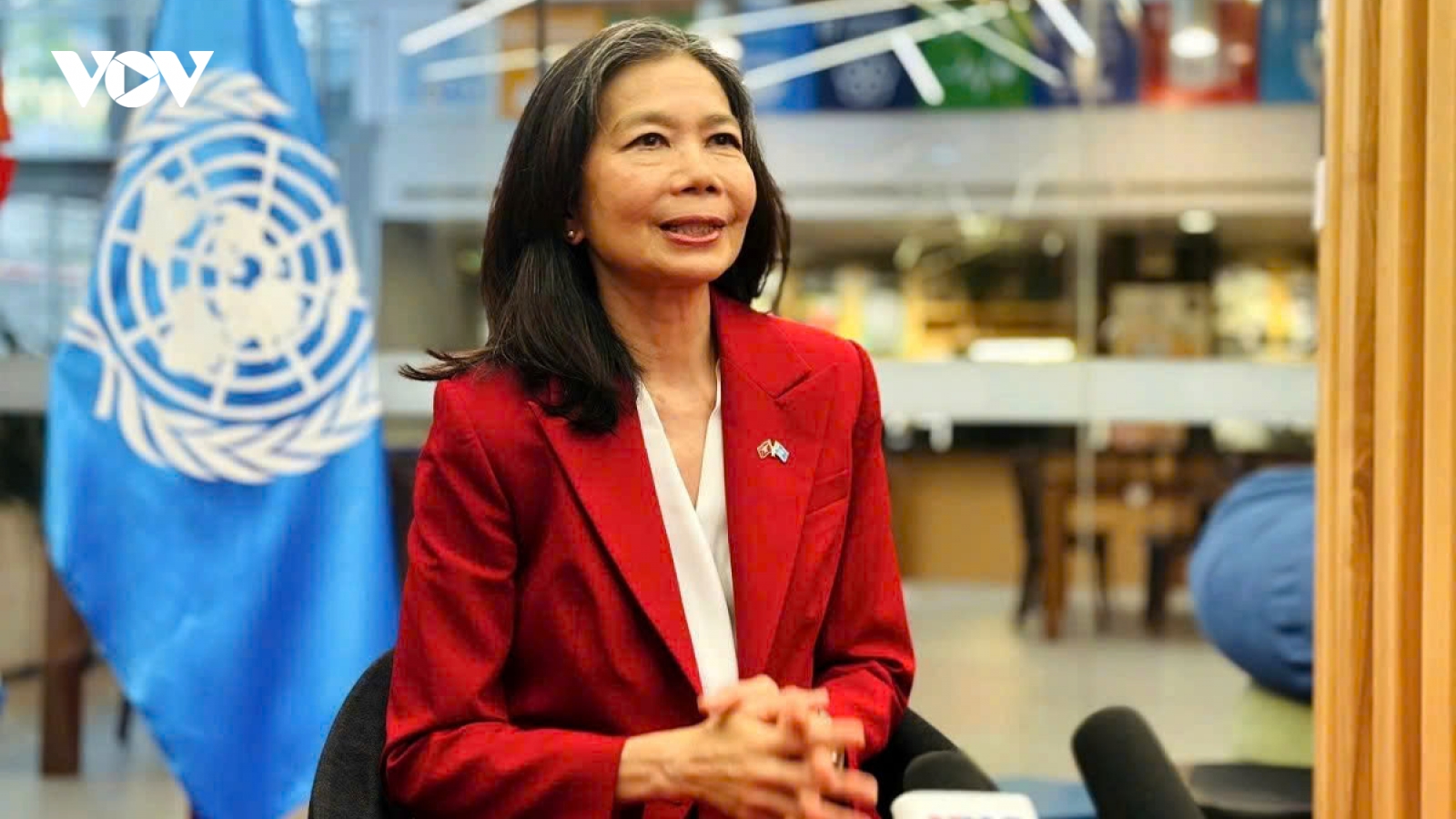
Vietnam expands role in UN partnership, from beneficiary to contributor
VOV.VN - Vietnam is increasingly sharing its experience, initiatives and solutions with the international community, alongside receiving support from the United Nations, according to UN Resident Coordinator in Vietnam Pauline Tamesis.