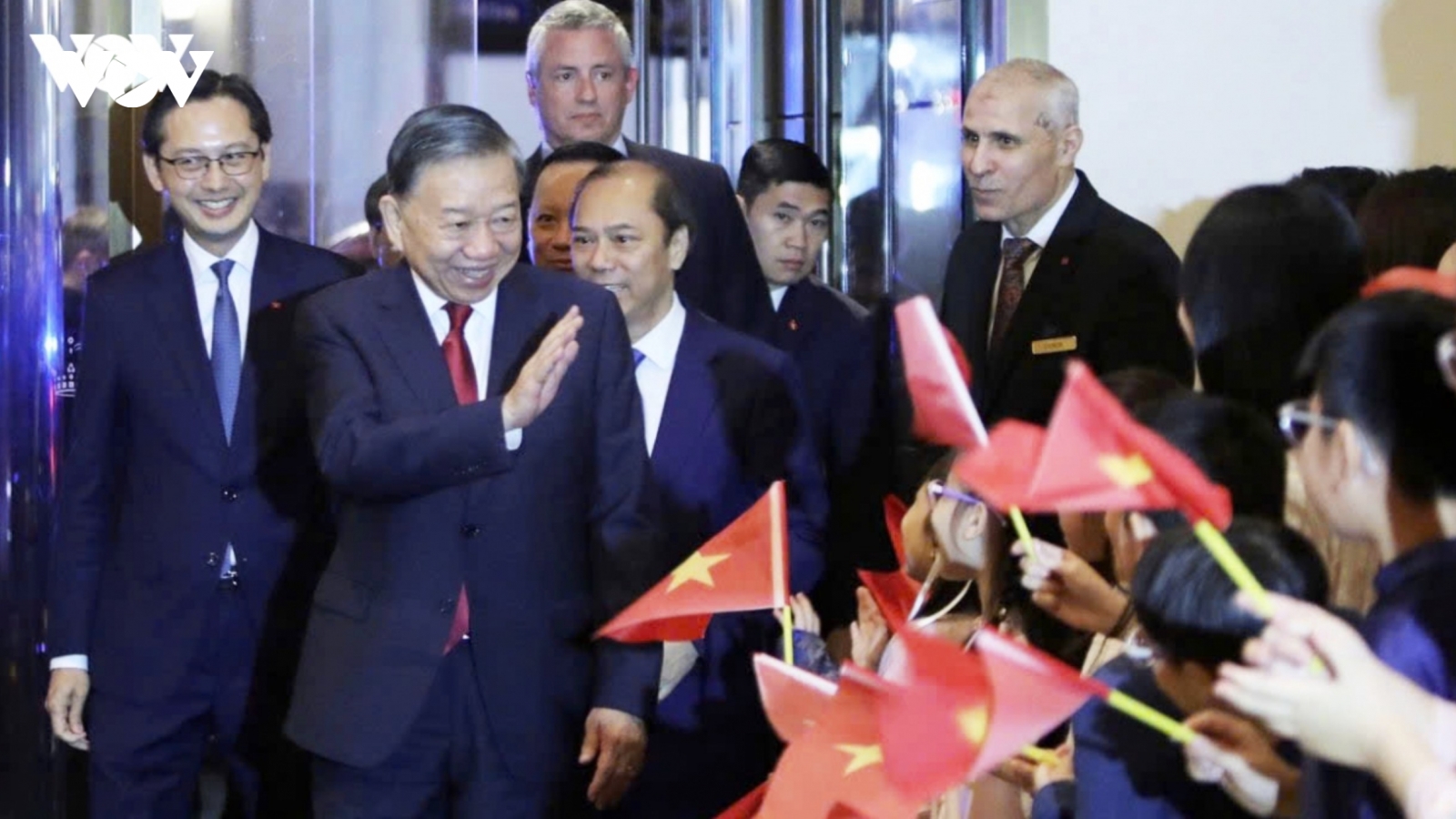
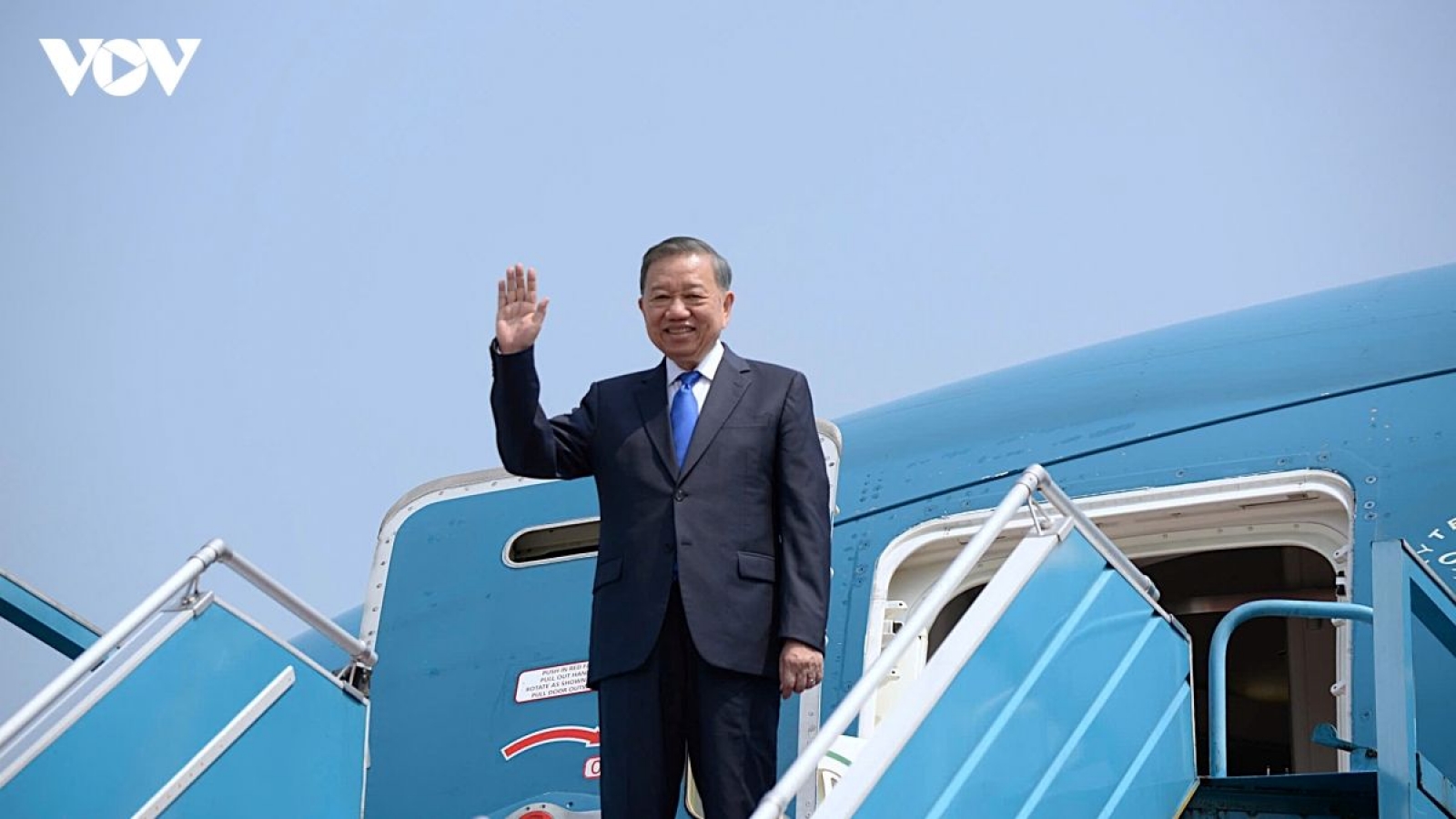
Top leader meets Vietnamese experts and intellectuals in US

VOV.VN - General Secretary of the Communist Party of Vietnam Central Committee and President To Lam and a high-ranking Vietnamese delegation met with Vietnamese experts and intellectuals in the US, on September 21 morning (local time) in New York.
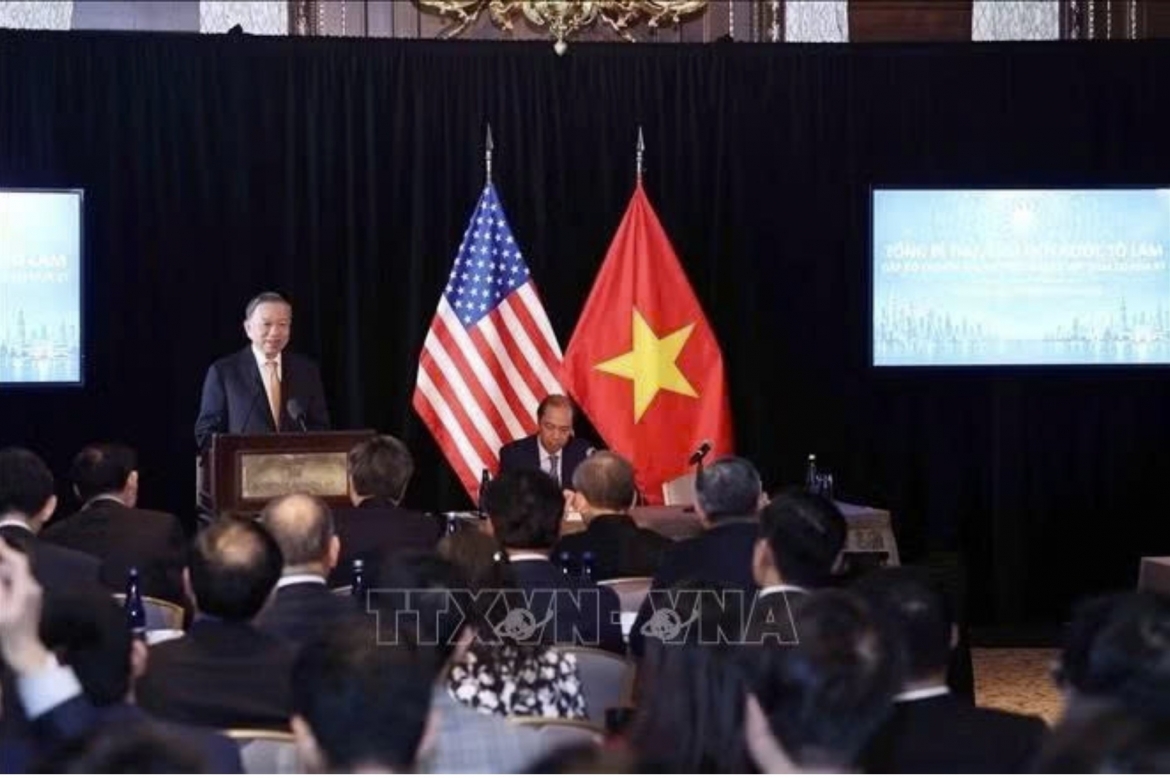
The meeting is part of their working visit to attend the High-Level General Debate of the 81st Session of the UN General Assembly and engage in bilateral activities in the US.
It featured the participation of Vietnamese experts and intellectuals who have made great contributions to such fields as artificial intelligence, computer science, automation, public policy, healthcare, banking and finance, data security and safety, sustainable materials, fintech, and e-commerce, among others.
At the event, Vietnamese Ambassador to the US Nguyen Quoc Dung briefed the top Vietnamese leader and his delegation on the potential and strengths of Vietnamese experts and intellectuals, as well as Vietnamese expert and intellectual networks in the US.
Vietnamese experts and intellectuals in the US said they are proud of the country’s tremendous achievements under the decisive leadership and direction of the Party and State.
They also gave proposals and recommendations regarding multinational start-ups as a nucleus for Vietnam to play a greater role in the global AI value chain; orientations for Vietnamese artificial intelligence development toward 2030 and a vision to 2045; Vietnam’s potential in the research and development of unmanned aerial vehicles; and what Vietnam needs to do to attract global capital flows. They also proposed solutions to mobilise and connect the resources of Vietnamese experts and intellectuals in the US.
In his speech, the Party and State leader hailed the dedicated, responsible, and specific opinions and proposals put forward by Vietnamese experts and intellectuals in the US.
He stated that in science and technology, Vietnam still lags considerably behind leading countries and has yet to master core technologies. Research conditions stay inadequate, while the number of highly qualified experts does not yet meet demand, creating an urgent need for major changes.
The Party and State have determined that Vietnam must persistently and resolutely deal with these shortcomings, while offering favourable conditions and encouraging scientists to conduct research and pursue innovation in order to develop practical and effective products, he said.
In the immediate future, it is essential to continue removing obstacles in the implementation of policies, focus investment on research and improving training quality, he said, adding appropriate mechanisms are needed to handle and manage the risks inherent in scientific research.
On this occasion, General Secretary and State President To Lam shared insights into the new points of Politburo Resolution No. 23 dated August 2, 2026, on overseas Vietnamese affairs. He emphasized that the Resolution continues to affirm that overseas Vietnamese are an inseparable part of the Vietnamese ethnic community, as well as an important strategic resource for the country. This means that the knowledge, experience, and cooperative ties cultivated by Vietnamese experts and scientists abroad deserve a proper standing in Vietnam's development programs.
He noted that this resolution sets out the Party and State’s responsibility to care for and protect the legitimate rights and interests of OVs, and maintains an open attitude towards constructive opinions, including differing views, for the national interests. It calls for open exchanges where contributors have sufficient opportunity to present their views and recipients genuinely wish to understand, discuss and provide information.
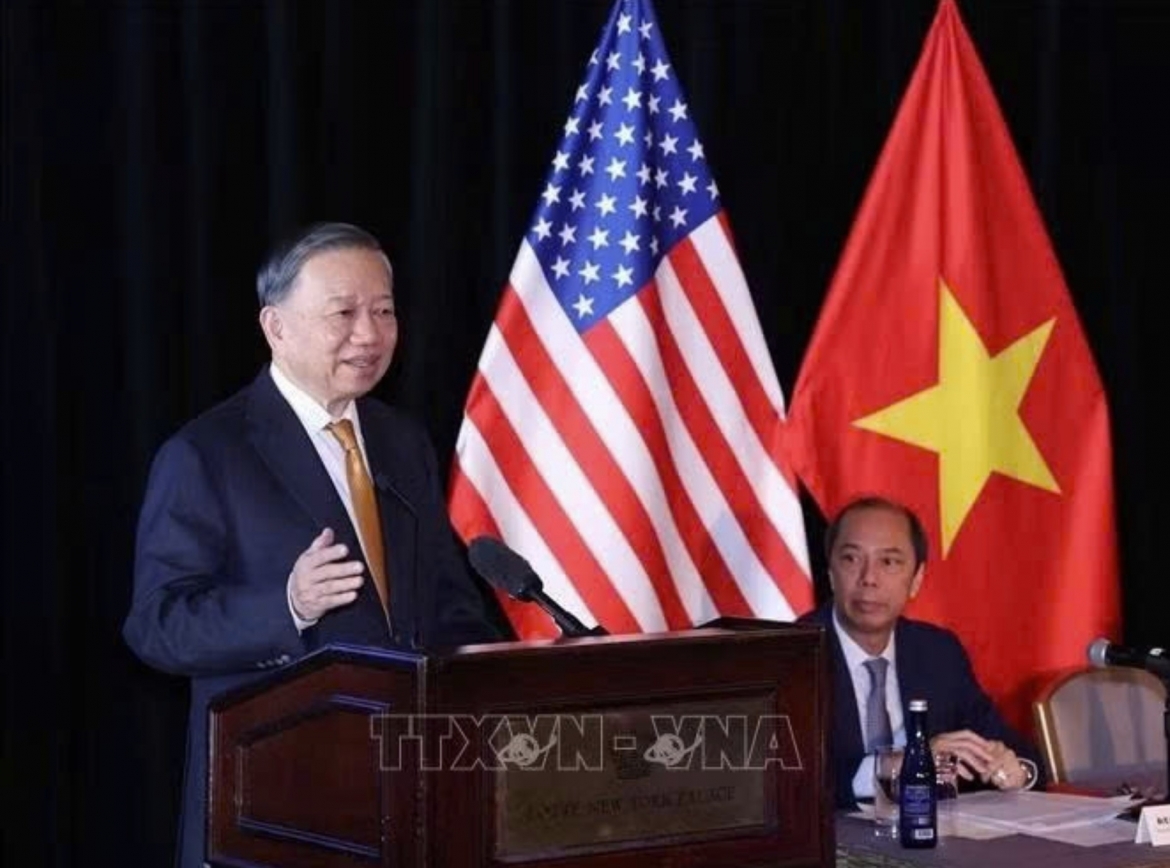
(Photo: VNA)
In this spirit, General Secretary and State President To Lam expressed his expectation that experts will participate in establishing research groups, supporting the training of young generations, and jointly selecting technological directions suited to domestic needs. He also called on them to share knowledge and experience across various fields, including both successful practices and failures, to give domestic their domestic counterparts a more comprehensive perspective.
To ensure effective contributions from OVs, he asked the Ministry of Foreign Affairs and Vietnamese representative missions in the US to coordinate in gathering all opinions raised at the meeting, forwarding them to the relevant agencies and following up on their responses. Clear contact points should also be established, thus enabling experts and intellectuals to continue submitting recommendations after the meeting.
The Ministry of Science and Technology, the Ministry of Education and Training, and other relevant agencies should proactively invite OV experts and researchers to contribute their opinions from the stages of policy formulation, task identification and training-programme design, he added.
Research institutes, universities, and units utilizing experts must discuss specific requirements regarding professional demands, participants' rights, and the use of research results right from the beginning. They must also respect copyright, intellectual property rights, and the professional commitments of overseas Vietnamese experts to their current employers. Forms of cooperation should be flexible, ranging from remote and short-term arrangements to long-term partnerships, he emphasized.
The top leader expressed his hope that drawing on the expertise and insights of overseas intellectuals will become a regular practice, with domestic agencies clearly identifying areas where expert advice is needed, and conducting periodic reviews to assess what has worked, what obstacles remain and what needs to be adjusted.
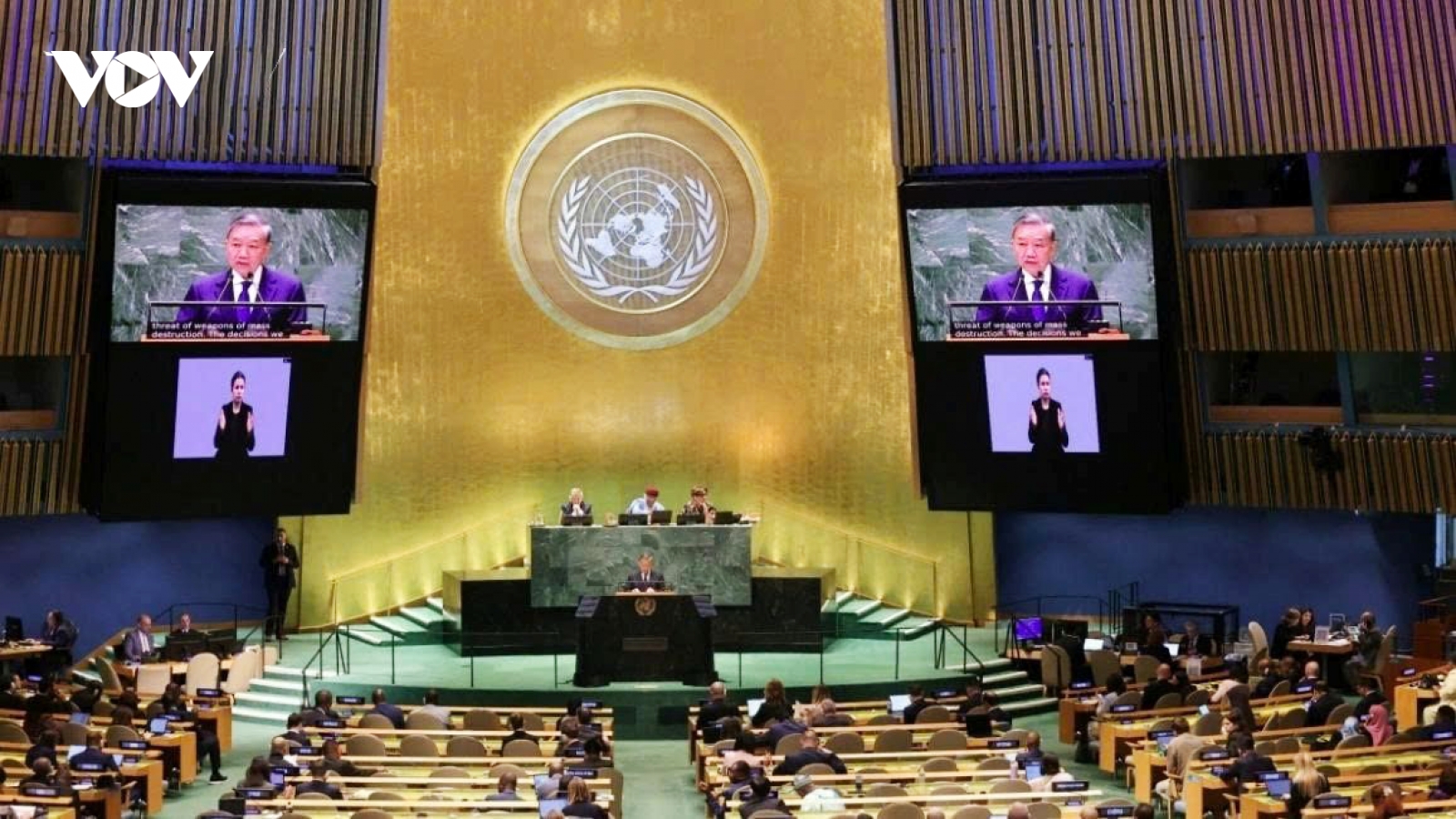
Top leader To Lam’s trip to expand Vietnam’s role on the global stage
VOV.VN - General Secretary of the Communist Party of Vietnam Central Committee and President To Lam’s September 20-25 trip to the United Nations, the United States and Canada will reinforce Vietnam’s multilateral engagement while expanding cooperation with key partners in support of its long-term development goals.
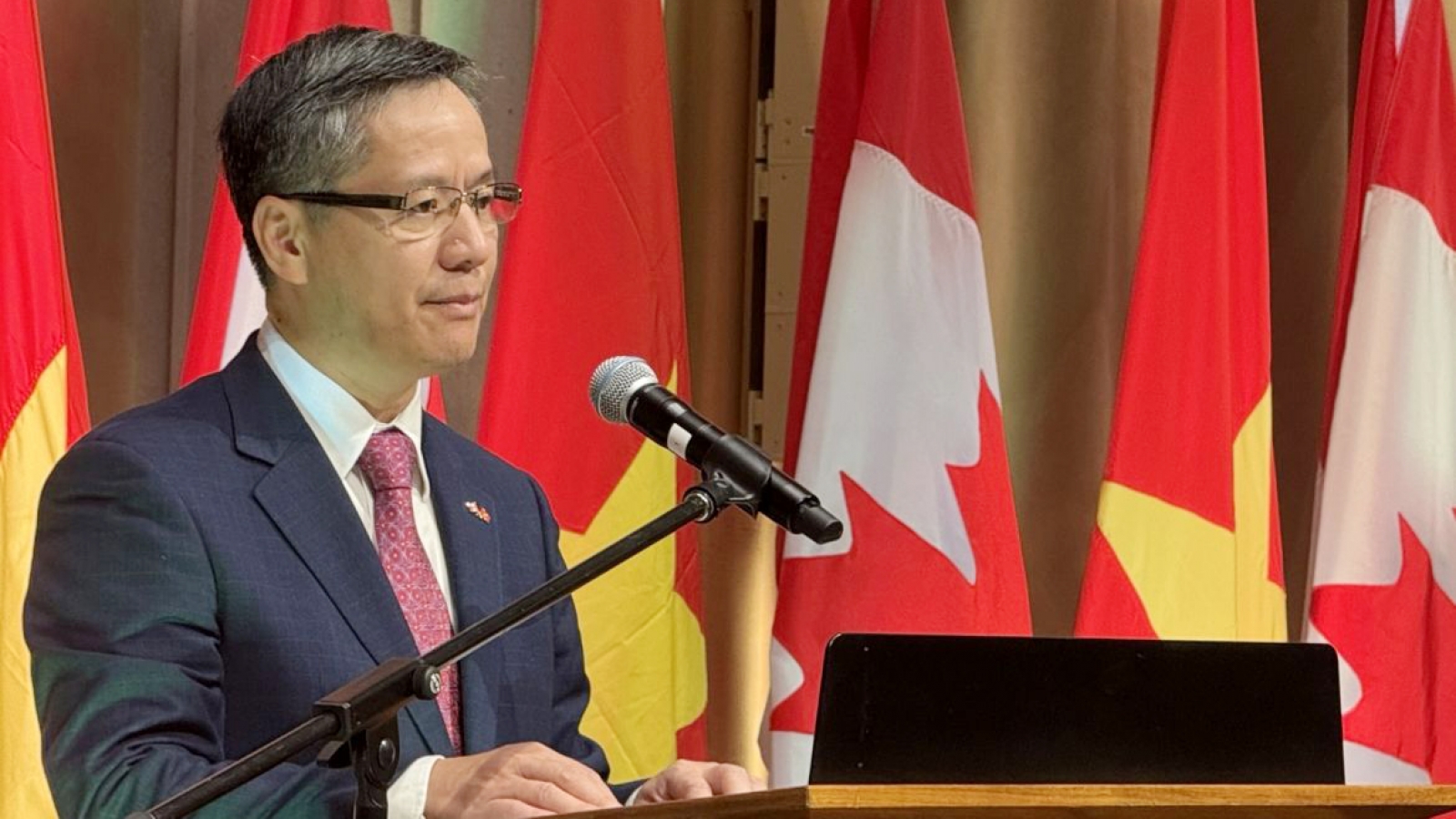
Ambassador: Top leader To Lam’s Canada visit to give new impetus to bilateral ties
VOV.VN - Vietnamese Ambassador to Canada Pham Vinh Quang has said General Secretary of the Communist Party of Vietnam Central Committee and President To Lam’s upcoming State visit will give new impetus to bilateral ties, particularly in trade, investment, science and technology, energy and critical minerals.