Top leader To Lam reviews implementation of education reform resolution

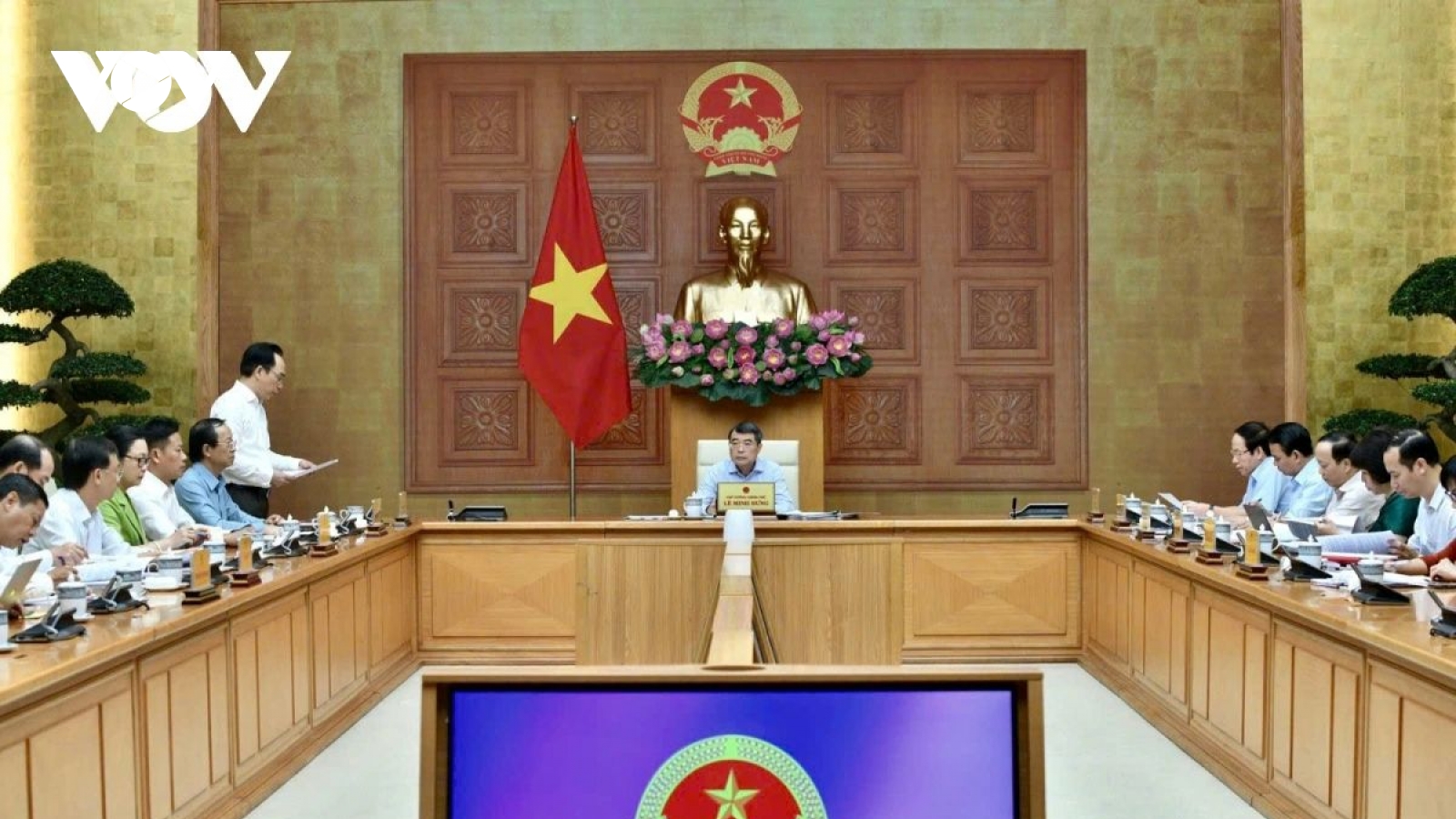
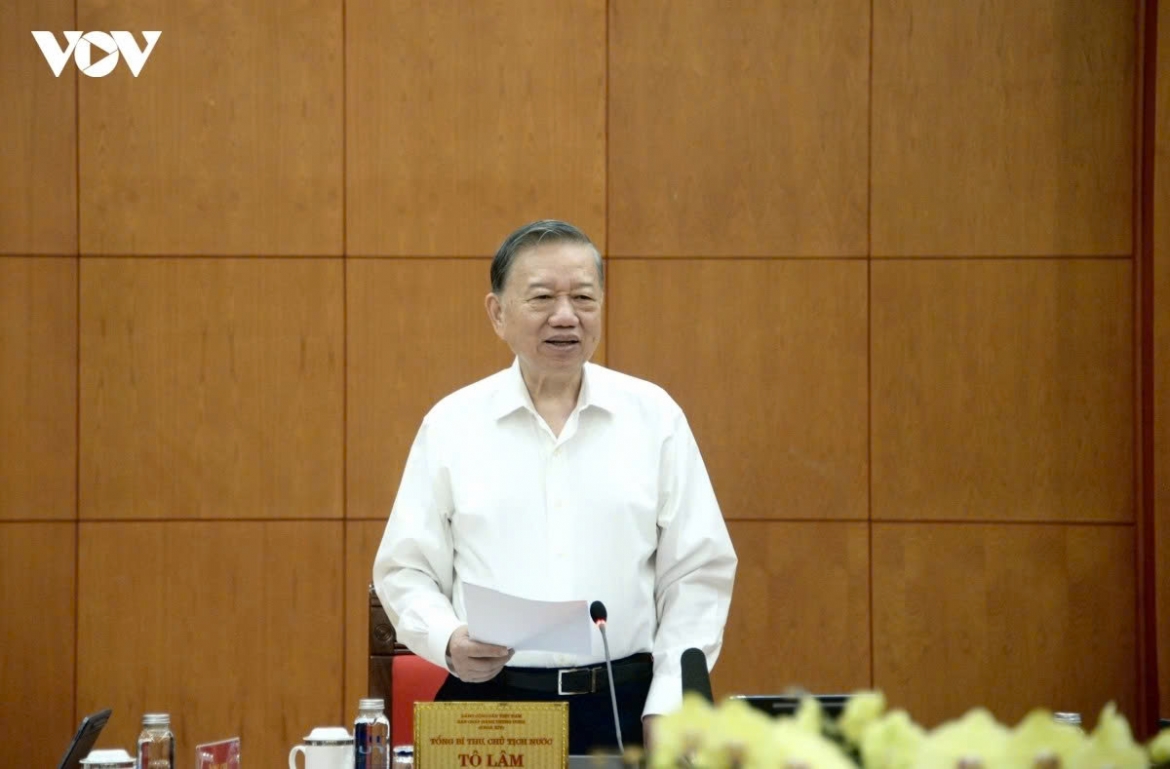
VOV.VN - Party General Secretary and State President To Lam reviewed progress in implementing the Politburo Resolution 71 on breakthroughs in education and training, while chairing a meeting with relevant agencies in Hanoi on August 25.
Resolution 71, issued on August 22, 2025, sets out an ambitious agenda to modernise and revitalise Vietnam’s education system, linking education reform to the country’s development goals for 2030, 2035 and 2045.
Among its priorities are increased investment in education, modernisation of higher education, development of high-quality human resources, digital transformation, stronger English-language capacity and the application of artificial intelligence (AI) and robotics in general education.
The resolution also calls for several measures to be implemented from the 2025-2026 school year, while a national target programme on modernising and improving the quality of education and training is to be launched from 2026.
From policy changes to tangible results
Over the past year, the Government and relevant agencies have taken steps to translate the resolution into policies and implementation programmes, including work on teachers, digital transformation, education databases and institutional reform.
The Government adopted an action programme in September 2025 to implement Resolution 71, setting out specific tasks for ministries, agencies and localities and providing a framework for monitoring and evaluating implementation.
Among the initiatives are the development of digital academic records and diplomas, national education and human-resource information systems, and preparations for technology applications in examinations and training.
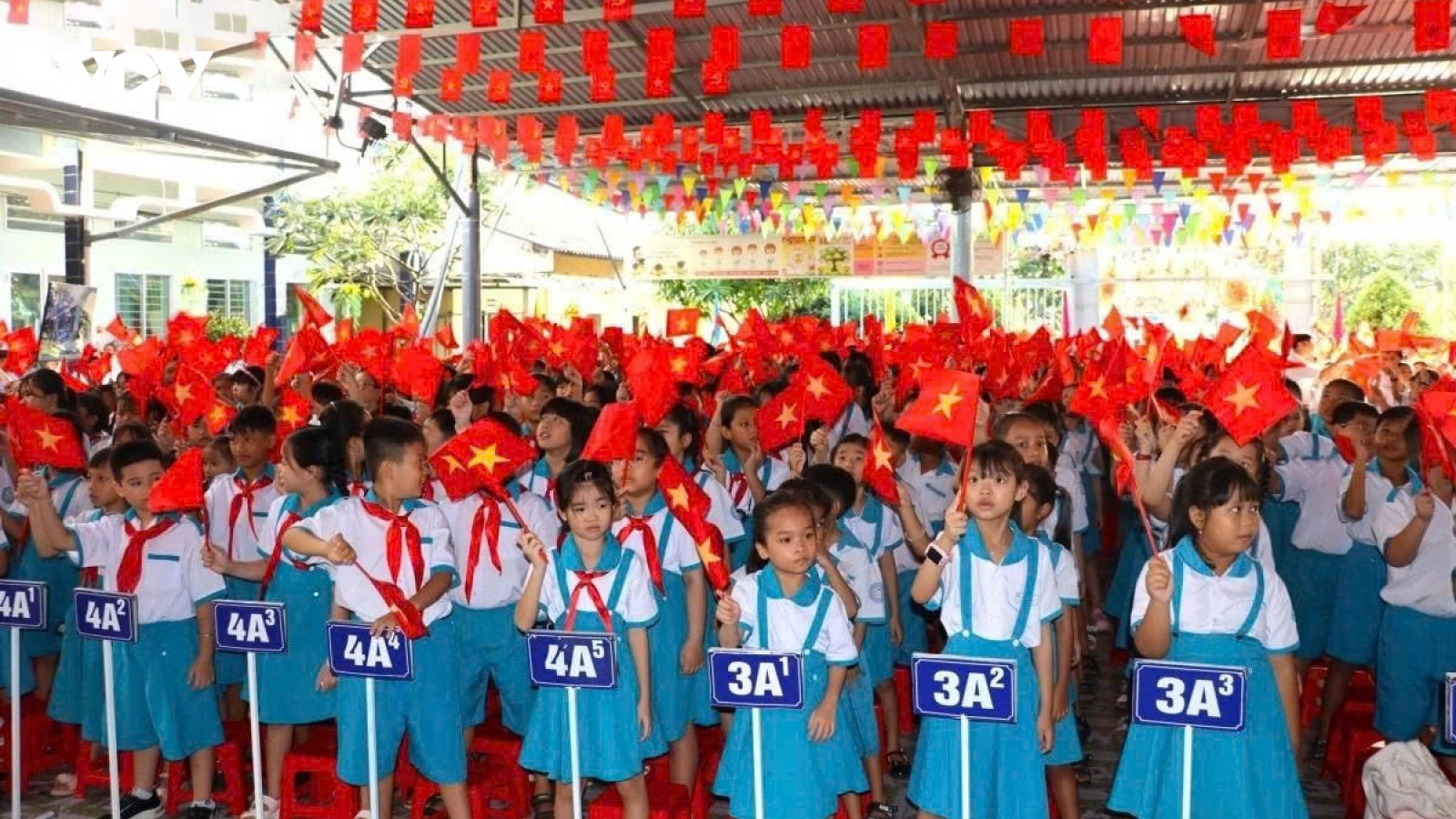
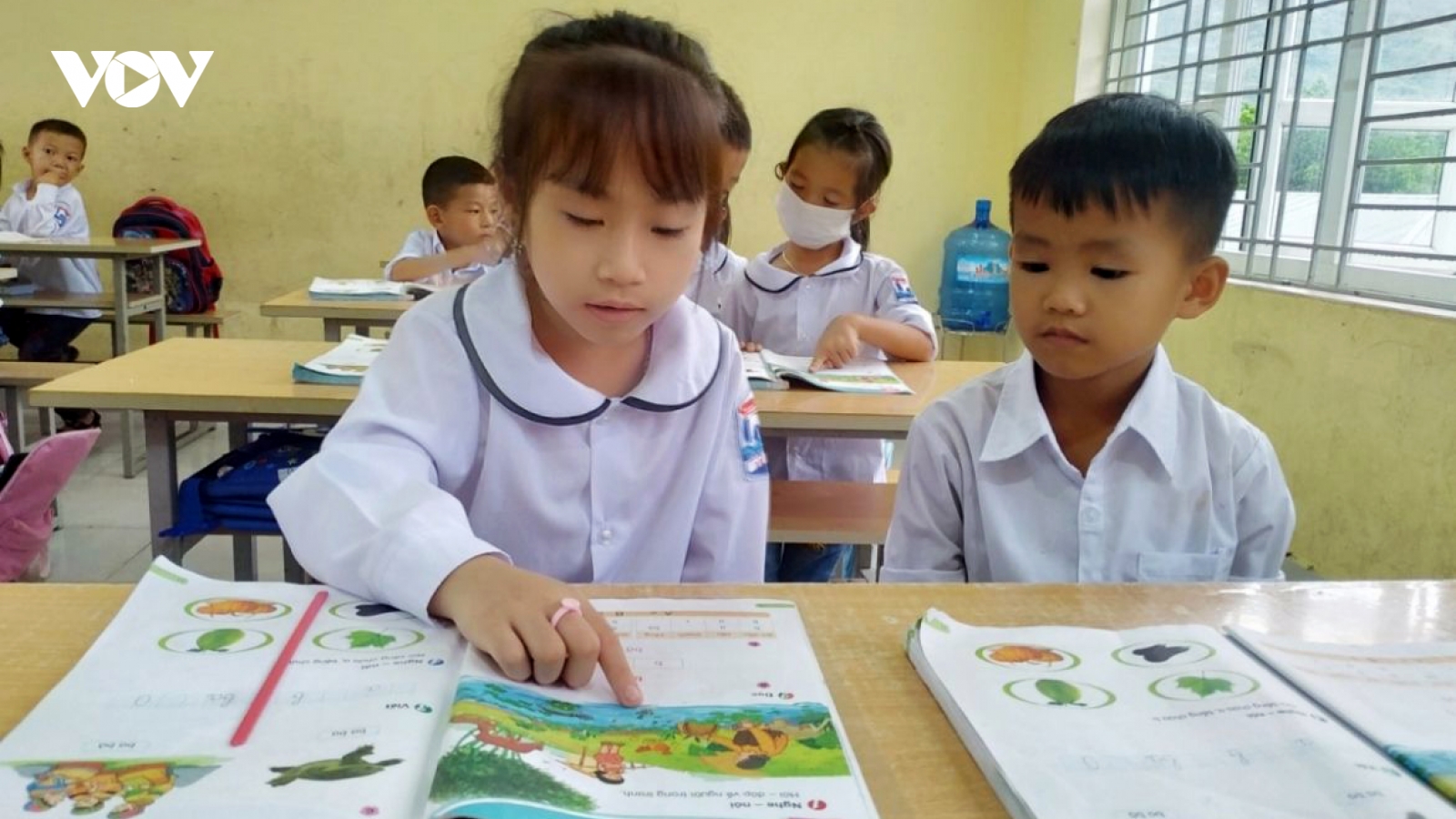
Some changes have also begun to affect the education system directly. From the 2026-2027 school year, Vietnam is using a single unified set of general education textbooks nationwide, reflecting the broader push to renew and modernise the education system.
The first year of implementing Resolution 71 has also coincided with a broader reorganisation of Vietnam’s education network, aimed at better matching schools with population size, demographic distribution and the governance requirements of the two-tier local government model.
The Government has set August 30, 2026 as the deadline for completing the restructuring of public education institutions. The goal is not only to streamline the network but also to make better use of school facilities, teaching staff and other resources while improving access to education for students.
However, the key issue is whether institutional and policy changes can translate into more visible improvements for schools, teachers, students and families.
A shift from management to development governance
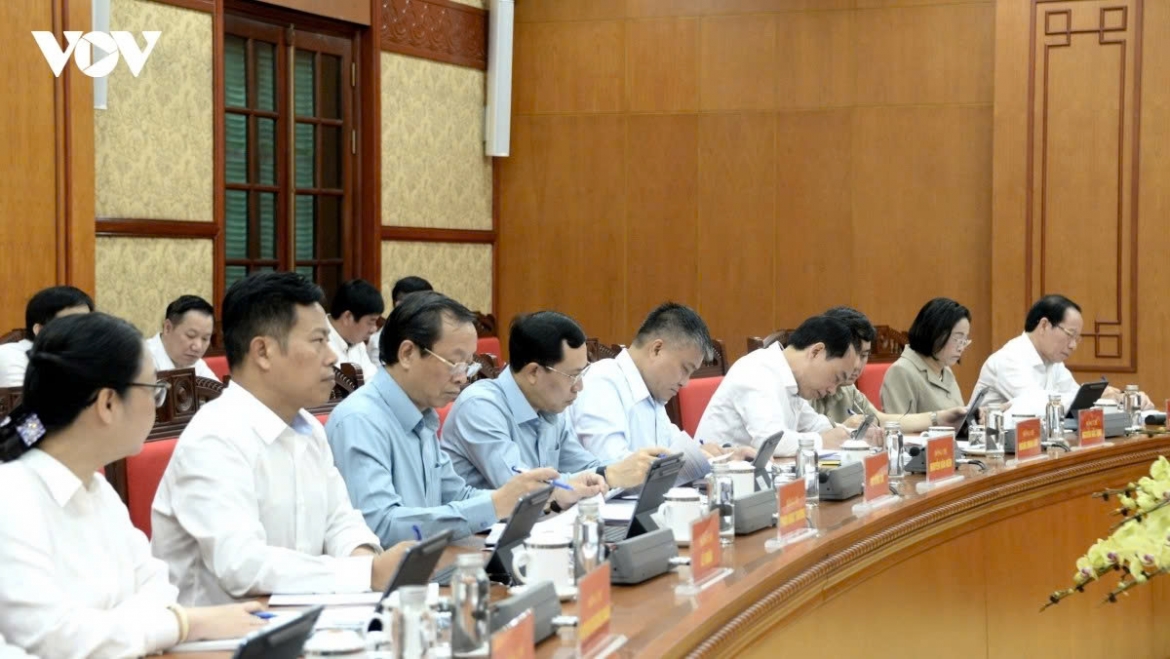
At a working session on June 15, Party General Secretary and State President To Lam noted that implementation of Resolution 71 had produced positive progress in awareness, policymaking, mobilisation of resources and efforts to address bottlenecks.
At the same time, he stressed the need to move from “education management” to “education development governance” and make education a stronger driver of high-quality human resources, science and technology, innovation, digital transformation and AI.
The June conclusion showed that many achievements at that stage remained concentrated in institutional and policy reforms, while more tangible changes in schools, teacher capacity, students’ learning experiences and public confidence had yet to become sufficiently visible.
This provides an important context for the August 25 review that the next phase is expected to focus not only on completing policies but also on making those policies work in practice.
Resolution 71 identifies the State as playing a leading role in strategic direction, resource allocation and ensuring fairness in education, while calling for broader social participation and an open, interconnected education system.
The resolution also sets ambitious 2030 targets, including expanding equitable access, improving education quality, strengthening technological and AI capabilities, and increasing investment in education.
Against this backdrop, the one-year review provides an opportunity to identify which measures have delivered results, where implementation remains slow and what adjustments are needed to maintain momentum.

Education Ministry pledges enough textbooks before new school year
VOV.VN - The Ministry of Education and Training (MoET) has requested that local authorities and publishers reassess textbook demand and redistribute available supplies to areas facing localised shortages, with all schools required to have sufficient textbooks by August 30 ahead of the 2026-2027 school year.