Top leader To Lam calls for substantive reform in education sector

VOV.VN - After a year of implementing the Politburo’s Resolution 71 on education reform, Party General Secretary and State President To Lam has called for a stronger shift from policy development to substantive change across the education sector.
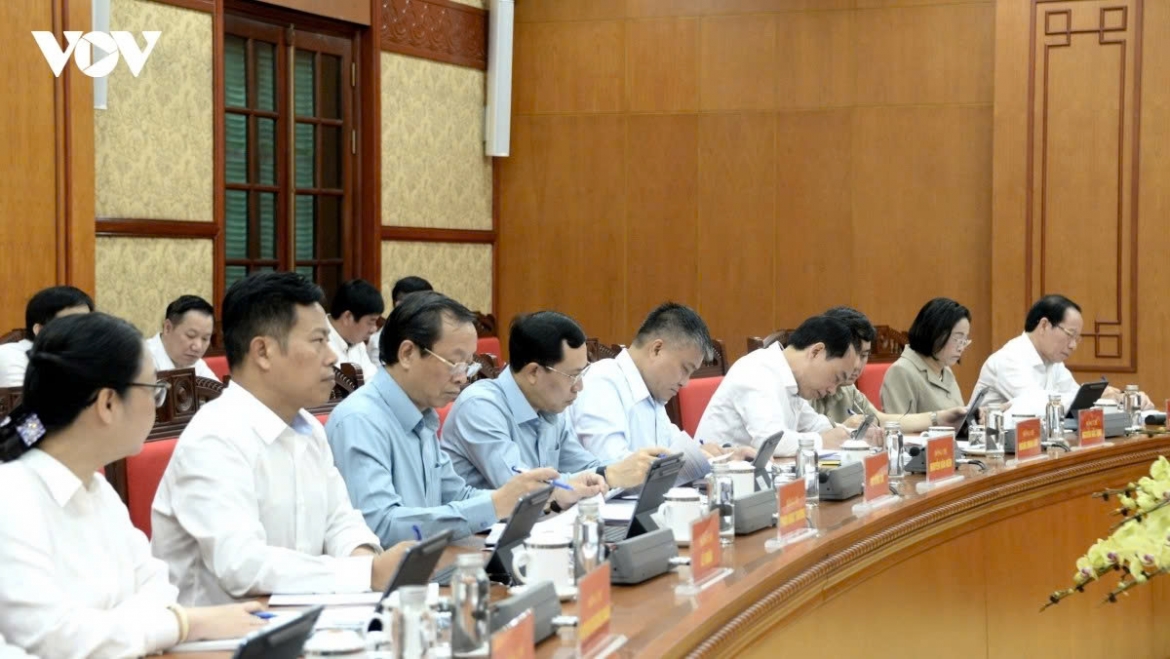
The top leader made the request at a meeting with relevant agencies at the Party Central Committee Office in Hanoi on August 25 to review one year of implementing Resolution 71 and identify priorities for the next phase.
One year of groundwork, but limited visible change
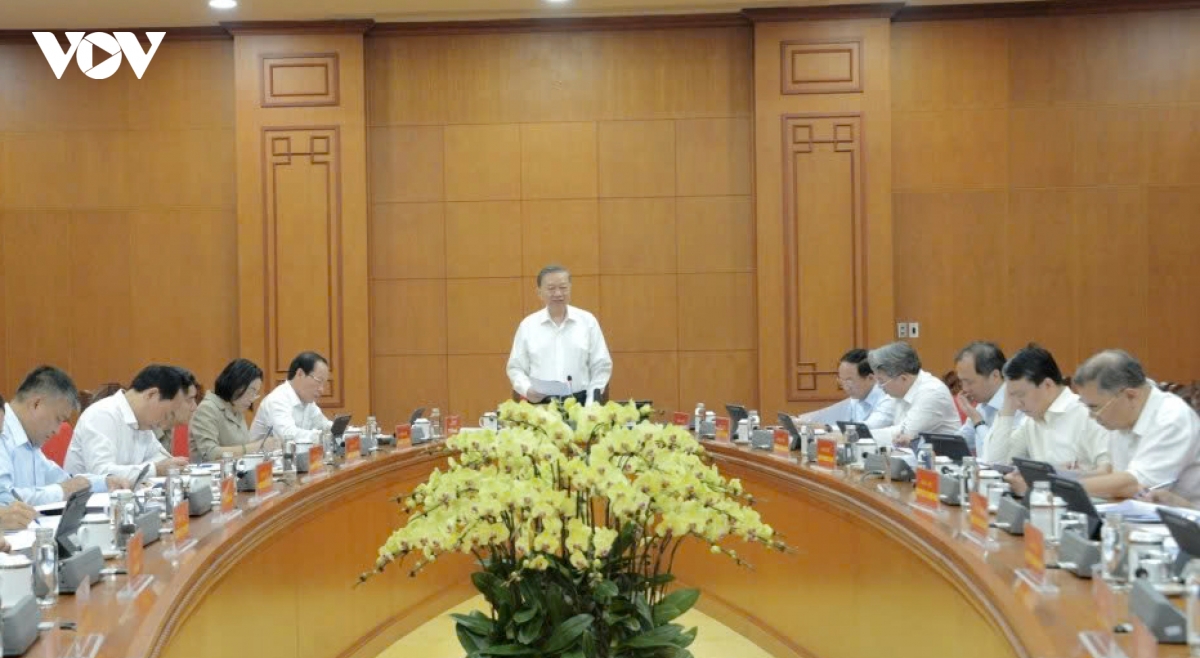
The review found that the clearest progress over the past year has been in awareness, institutions, policies, resources and education governance.
Several long-standing bottlenecks have been addressed, while policies for teachers and learners have received greater attention. Vocational and higher education have also moved toward closer links with science and technology, innovation and labour-market needs.
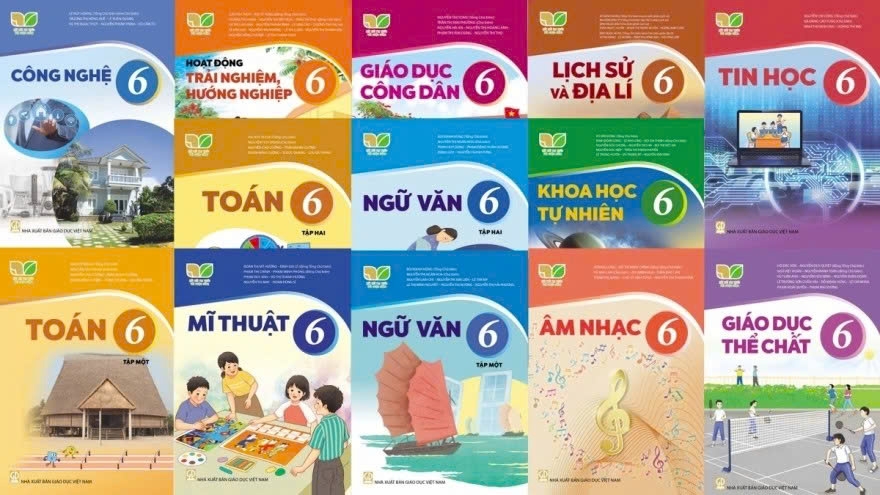
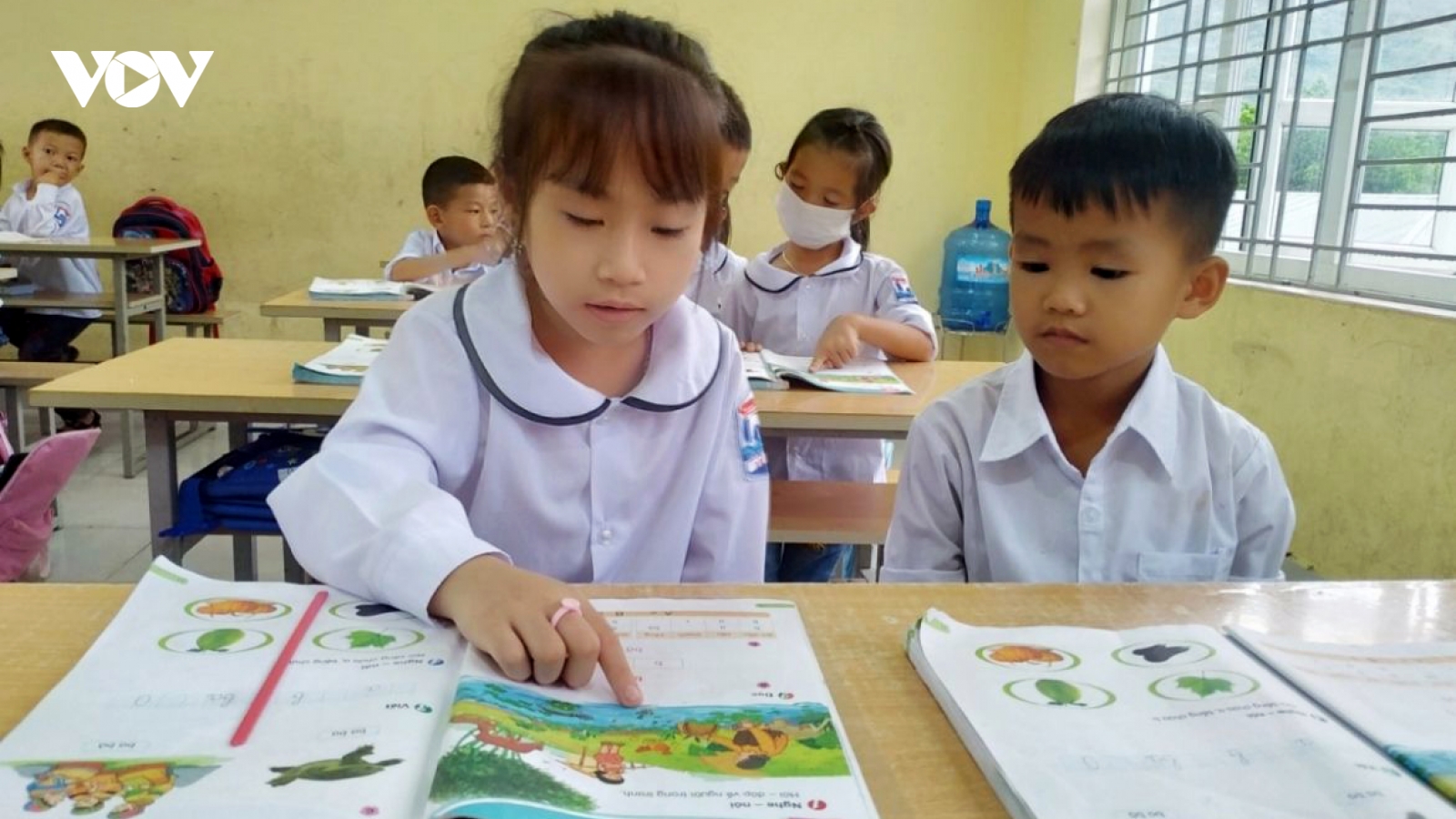
Some major policies have begun to take effect. Tuition waivers have been introduced, Vietnam has moved to a unified set of general education textbooks, and the restructuring of preschool and general education networks has made substantial progress.
In the first phase, 108 boarding schools for students in border communes are being built, adding 4,396 classrooms for nearly 113,000 students.
Digital transformation has also accelerated. Education databases now cover information on about 50,000 educational institutions, more than 27 million students and over 1.4 million teachers. By August, more than 16 million digital school records and more than 8 million digital diplomas and certificates had been processed.
However, Party General Secretary and State President To Lam stressed that these achievements have mainly created the foundations and conditions for reform, while changes in education quality, teachers, learners and the quality of human resources have yet to become sufficiently visible.
Long-standing problems, including issues that have been a source of public concern for years, also are unresolved.
From building foundations to implementation
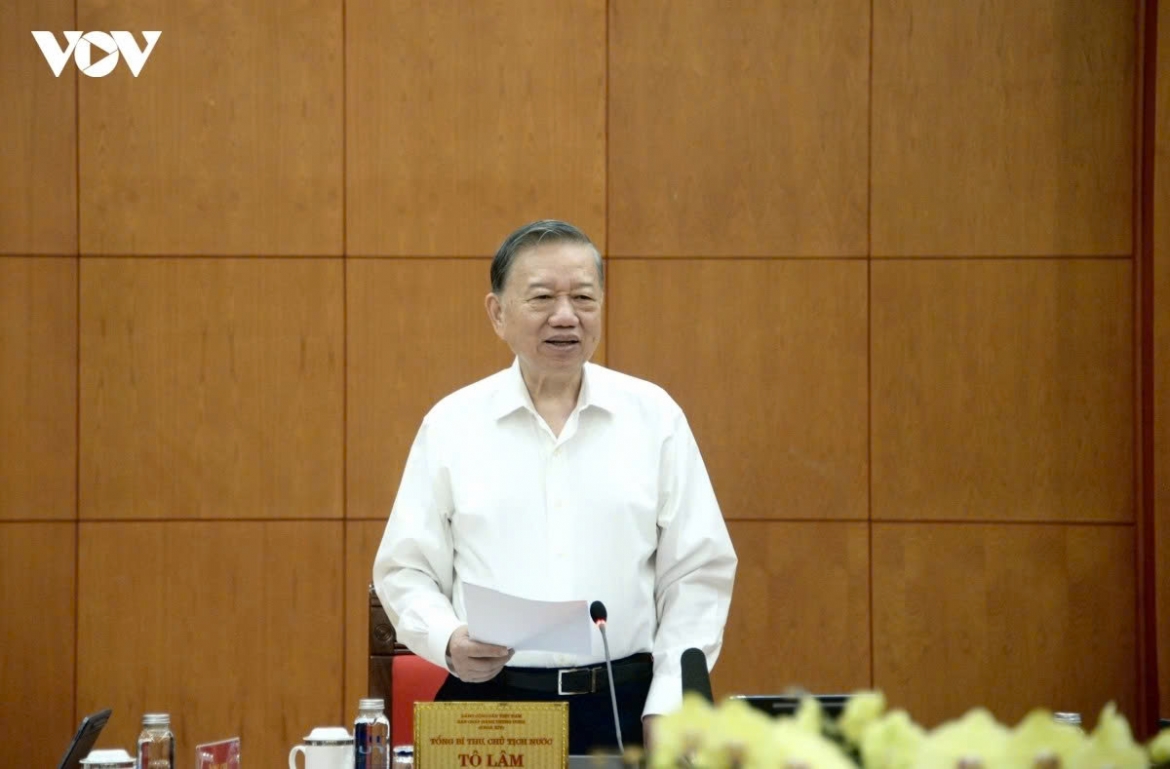
Given the context, the top leader called for a decisive shift from policy and institutional development to implementation, with Resolution 71 translated into concrete results.
The action programme for the resolution should be reviewed, he said, with unfinished tasks added, emerging bottlenecks addressed and responsibilities clearly assigned.
For each task, authorities should identify who is responsible, what needs to be done, when it should be completed, what resources are required and what results are expected.
A key immediate priority is ensuring the basic conditions for education, beginning with the goal of having enough schools, enough classrooms and enough teachers.
The Government, the Ministry of Education and Training and local authorities are expected to develop clear road maps to address shortages, alongside reorganising school networks and staff in line with demographic changes.
Resources should be prioritised for remote, mountainous and border areas, islands and ethnic minority communities, while overcrowding should also be addressed in major cities, industrial zones and areas experiencing rapid population growth.
“The overall goal is to ensure that no student’s access to education is limited by a shortage of schools, classrooms or teachers, and that the quality of education and a child’s future do not depend too heavily on where they are born and raised,” he stressed.
The leader said equitable access to quality education should be an important measure of the implementation of Resolution 71.
Reforming education from within
Beyond basic conditions, the next phase must focus directly on the quality of education itself. Party General Secretary and State President To Lam called for deep internal reform in school governance, teacher development, teaching and learning methods, as well as examinations and assessment.
The education system should reduce one-way instruction, rote learning and studying mainly for exams, while placing greater emphasis on self-learning, practice, experience, independent thinking, creativity and problem-solving.
“If the way students are tested and assessed does not change, it will be difficult to change the way they are taught and learn,” he pointed out, adding the ultimate goal of education is not scores, degrees or school rankings, but the quality of the people being educated.
Education must move ahead of demand in preparing the human resources and talent the country will need in the future.
Preparing talent for a changing economy
According to the top leader, the education sector must address two challenges at the same time - raising the overall skill level of the workforce and developing elite talent and strategic technology specialists in areas critical to Vietnam’s future competitiveness.
He called for stronger policies to identify, train, attract and make better use of talented people.
He also emphasised the need for a connected chain linking workforce forecasting, university admissions, training, research, businesses and employment.
Universities should become stronger centres for talent development, scientific research, innovation and the creation of new knowledge and technology. Vocational education should be more closely linked to businesses and labour-market needs.
At the same time, digital transformation and AI should continue, but with technology serving education rather than replacing its essential human role.
The progress made in data and digitalisation over the past year must now translate into practical improvements in governance, teaching and learning, while the responsibility of leaders for implementation should be made clearer.
With the new school year only days away, the Party General Secretary and State President said 2026-2027 should not be viewed simply as another academic year, but as a turning point in implementing Resolution 71, moving from building the foundations for reform to delivering substantive change.
“We have opened up the institutional framework, increased resources and brought technology into education. Now we must make teachers better, learners better, schools better and the country’s human resources better,” he told the meeting.
After a year of building the foundations for reform, the next test for Resolution 71 is whether those foundations can produce visible improvements in schools, teaching and learning, and ultimately in the quality of Vietnam’s human resources.
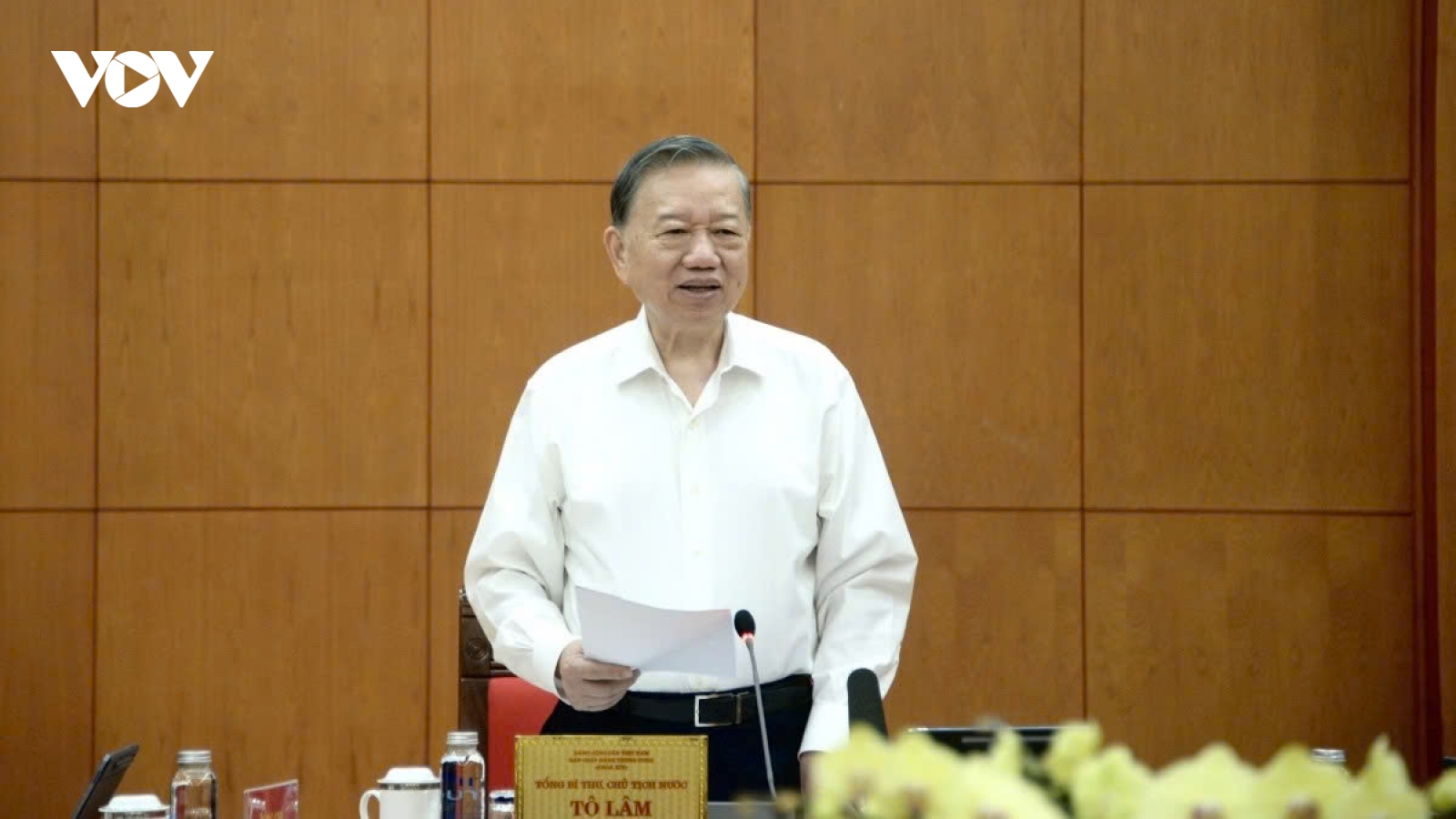
Top leader To Lam reviews implementation of education reform resolution
VOV.VN - Party General Secretary and State President To Lam reviewed progress in implementing the Politburo Resolution 71 on breakthroughs in education and training, while chairing a meeting with relevant agencies in Hanoi on August 25.