Deputy PM reviews DNA identification of fallen soldiers’ remains

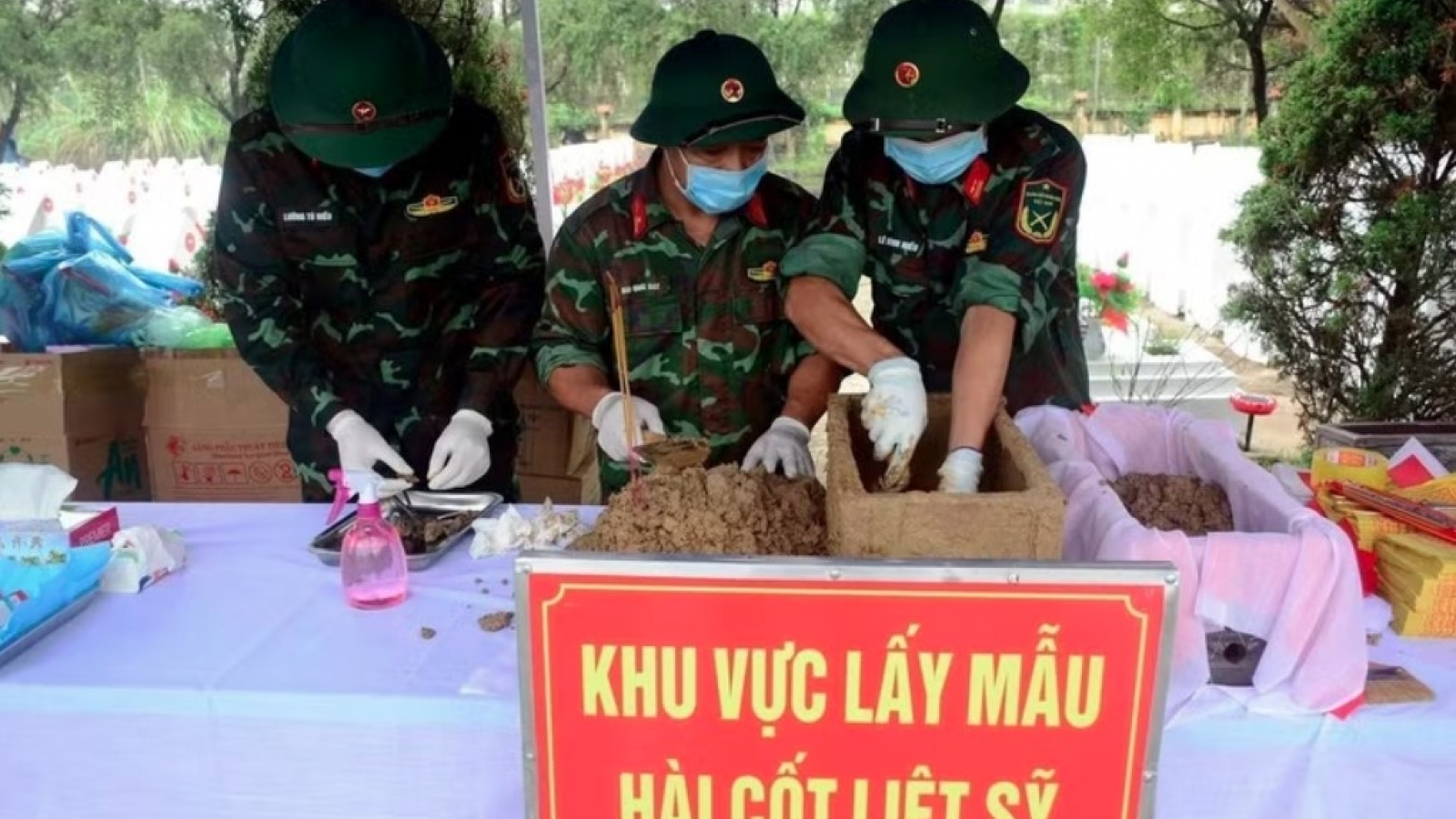
VOV.VN - Deputy Prime Minister Pham Thi Thanh Tra on September 14 reviewed the 500-day campaign, focusing on DNA testing and the identification of fallen soldiers’ remains.
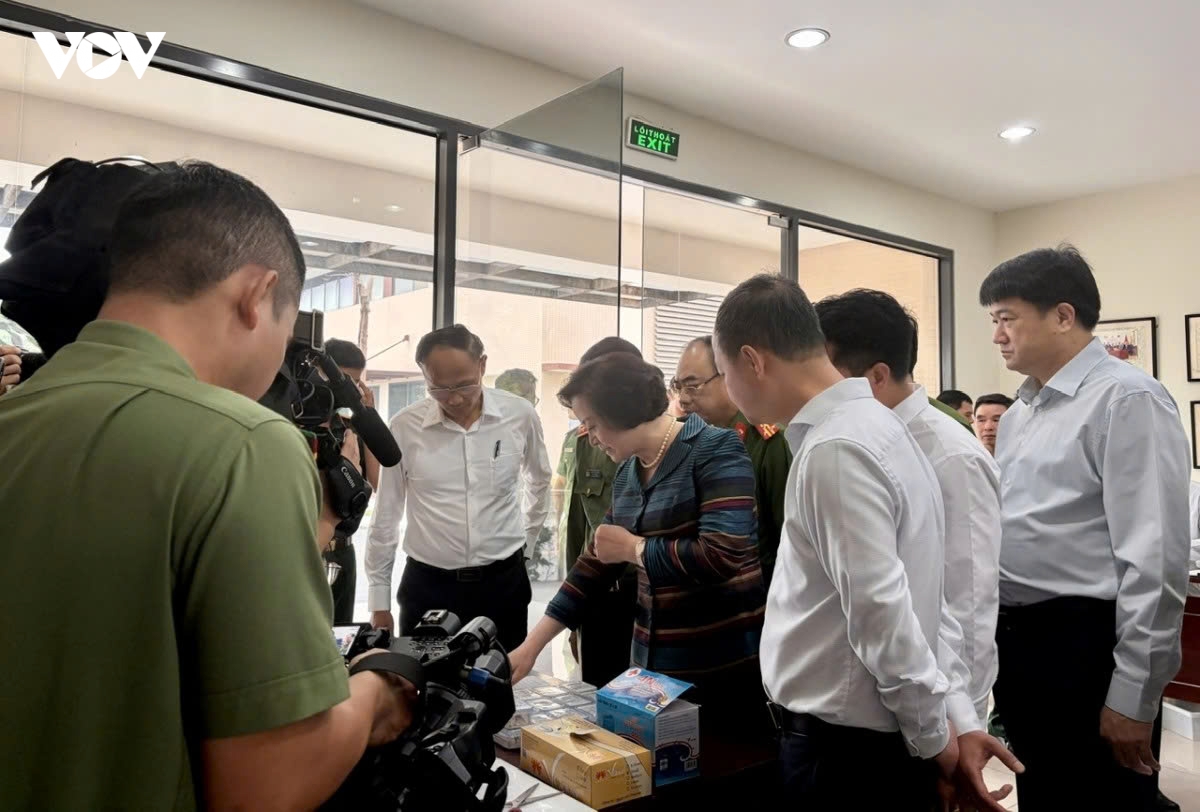
At the Centre for DNA Identification of the Institute of Biology under the Vietnam Academy of Science and Technology, Deputy Prime Minister Pham Thi Thanh Tra inspected procedures for receiving, coding, classifying, preserving and storing samples of fallen soldiers’ remains. She also heard a report on the application of new technologies to identify the remains.
The Institute of Biology has so far received and stored 37,610 samples of fallen soldiers’ remains from eight localities. In the past two rounds alone, the centre received more than 7,000 samples transferred by the Ho Chi Minh City 515 Steering Committee; more than 4,600 samples from the Dong Nai provincial 515 Steering Committee; and nearly 5,300 samples handed over by the Tay Ninh provincial 515 Steering Committee.
Alongside remains samples, the centre is also receiving biological samples from relatives of fallen soldiers for comparison with the DNA database of relatives managed by the Police Department for Administrative Management of Social Order under the Ministry of Public Security.
New technologies advance remains identification
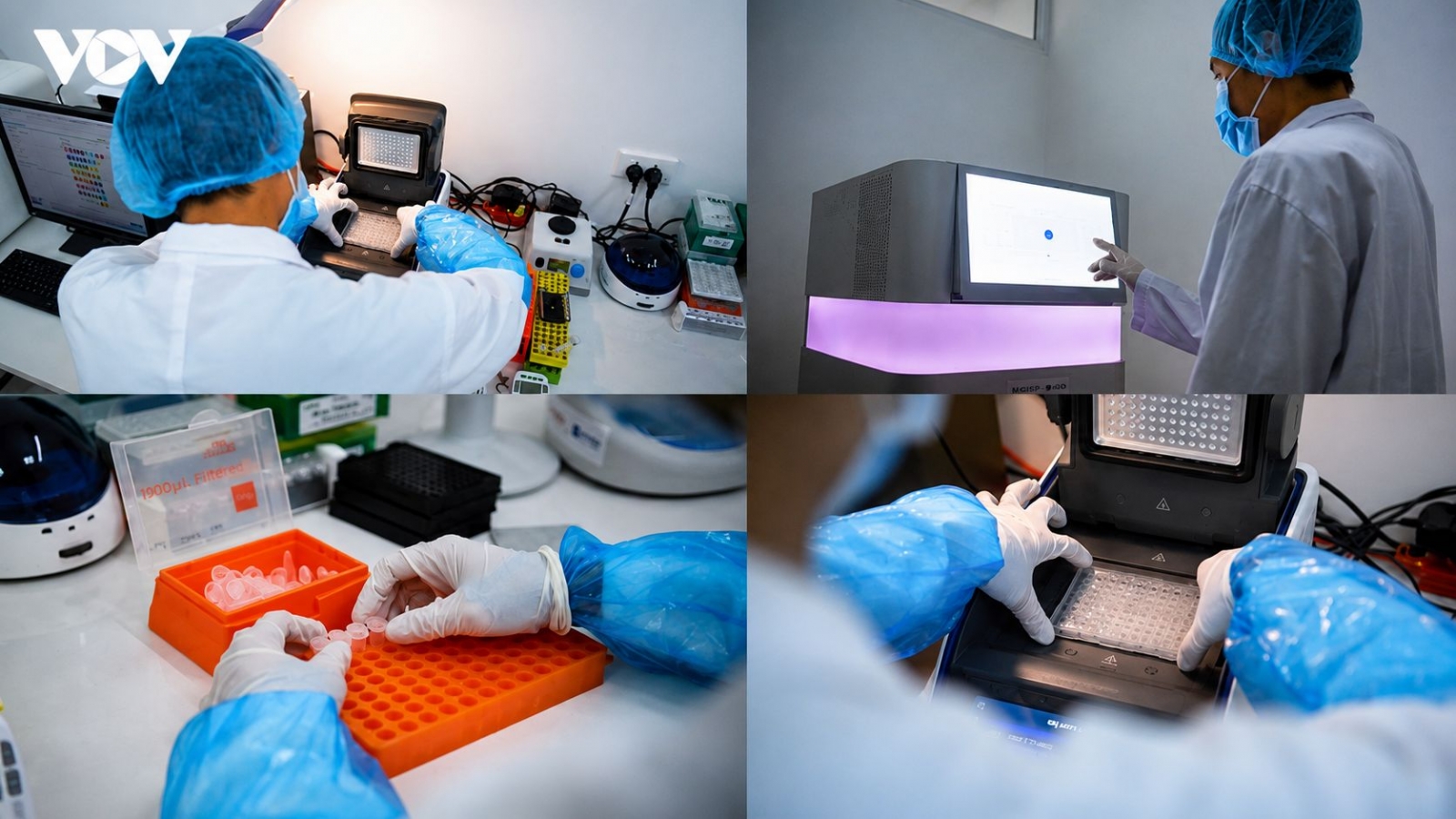
Since early 2026, the centre has combined the re-evaluation of mitochondrial DNA matches with next-generation sequencing and single-nucleotide polymorphism analysis. The approach has enabled the successful identification of 10 sets of fallen soldiers’ remains, with the results subsequently presented to their families.
The technology is now being piloted on a large scale at Giong Rieng Martyrs’ Cemetery in southern An Giang province. So far, 965 graves have been excavated, yielding biological samples suitable for analysis from 535 graves.
DNA extraction and sequencing-library preparation are being carried out urgently and are expected to be completed in November 2026. The pilot results will provide an important basis for assessing the feasibility of applying the technology on a broader scale.
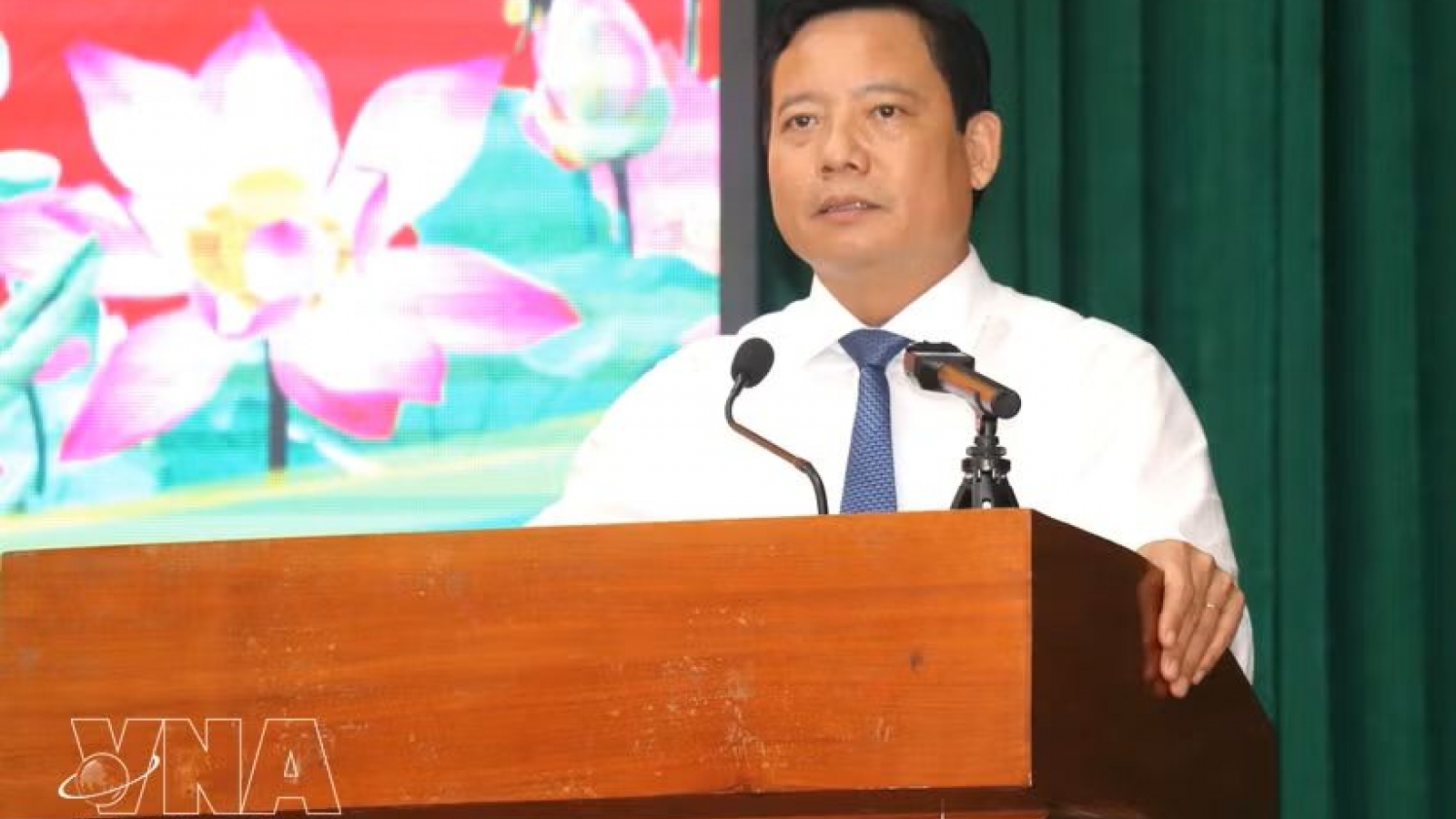
At the working session, Deputy Prime Minister Pham Thi Thanh Tra asked the Vietnam Academy of Science and Technology to conduct an initial assessment of the results from the new-generation technology system and report to the Steering Committee, the Prime Minister and the Deputy Prime Minister.
She also called for training in the new technology for personnel involved in DNA testing, with a view to studying its wider deployment at agencies responsible for collecting samples and identifying the remains of fallen soldiers.
According to the Deputy Prime Minister, DNA technology has made significant advances, but its practical impact needs to be assessed further, with its strengths, challenges and limitations clearly identified to ensure effective implementation, quality and timely results.
Alongside technological applications, she stressed the need to continue updating and expanding databases to support the identification of fallen soldiers’ remains.
Expanding capacity for DNA testing and sample storage
Also on September 14, Deputy Prime Minister Pham Thi Thanh Tra inspected the facility for receiving, preserving and storing samples of fallen soldiers’ remains, as well as the DNA testing system, at the Military Institute of Forensic Medicine under the Department of Military Medicine of the Ministry of National Defence.
The inspections at DNA testing facilities were aimed at assessing their actual capacity for receiving, preserving, testing and comparing samples, thereby supporting efforts to accelerate the identification of fallen soldiers’ remains under the 500-day campaign.
Launched nationwide on March 15, 2026, the 500-day campaign seeks to accelerate the search, recovery and identification of fallen soldiers’ remains ahead of the 80th anniversary of War Invalids and Martyrs’ Day on July 27, 2027. The campaign brings together the armed forces, police, scientific institutions and other resources to locate remains, collect biological samples and expand DNA-based identification.
The campaign sets a target of recovering around 7,000 sets of remains, completing sample collection from unidentified graves and newly recovered remains, and conducting DNA testing on approximately 18,000 samples. It also aims to develop and operationalise a genetic database of relatives of fallen soldiers to support identification efforts.
The efforts have already produced significant results. A major step forward came on September 11, when 13,563 biological samples from fallen soldiers’ remains were transported to Hanoi for DNA testing and identification. The samples came from Dong Nai, Tay Ninh and Lam Dong, and were handed over to the Vietnam Academy of Science and Technology and the Military Institute of Forensic Medicine.
DNA identification race helps bring Vietnam's fallen soldiers home
VOV.VN - Vietnam's nationwide DNA identification campaign is helping restore the identities of thousands of unnamed war dead, as scientists race against time to match decades-old remains with surviving family members and bring fallen soldiers home.