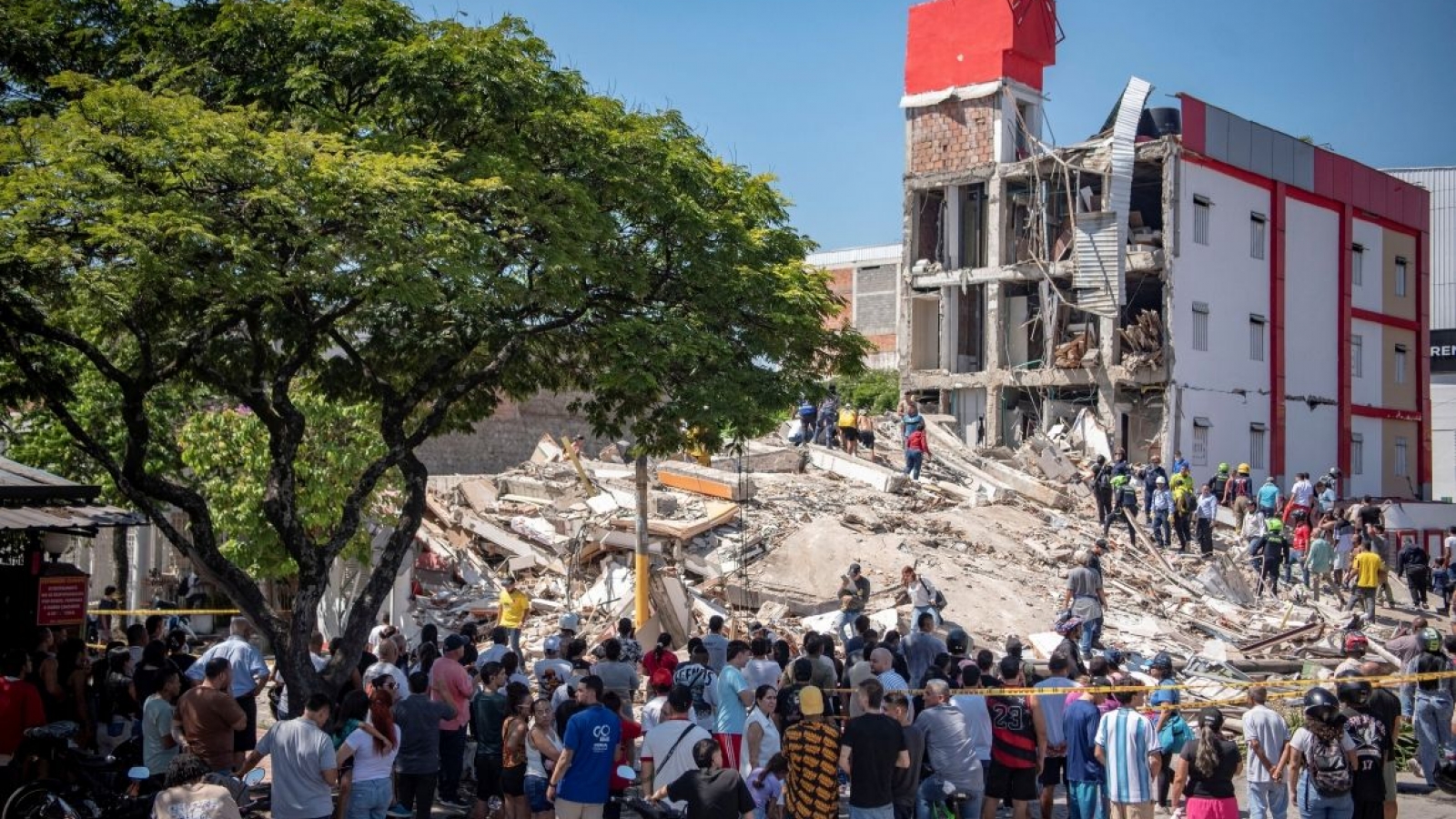
Vietnam sends condolences to China and Nepal over deadly floods and landslides

VOV.VN - Senior Vietnamese leaders have sent condolences to their Chinese and Nepalese counterparts after flash floods and landslides struck the China-Nepal border region, causing numerous casualties.
General Secretary of the Central Committee of the Communist Party of Vietnam and President To Lam, Prime Minister Le Minh Hung, President of the National Assembly Tran Thanh Man, and Standing Member of the Secretariat of the Party Central Committee Tran Cam Tu sent their messages of condolence to General Secretary of the Central Committee of the Communist Party of China and President Xi Jinping, Premier of the State Council Li Qiang, Chairman of the Standing Committee of the National People’s Congress Zhao Leji, and member of the Standing Committee of the Political Bureau of the CPC Central Committee and member of the Secretariat of the CPC Central Committee Cai Qi.
President of the Central Committee of the Vietnam Fatherland Front Bui Thi Minh Hoai also sent a message of sympathy to Wang Huning, Chairman of the National Committee of the Chinese People’s Political Consultative Conference.
For Nepal, General Secretary of the Central Committee of the Communist Party of Vietnam and President To Lam sent his message to President Ram Chandra Paudel, while Prime Minister Le Minh Hung sent one to Prime Minister Balendra Shah and National Assembly President Tran Thanh Man to Speaker of the House of Representatives Dol Prasad Aryal.
Foreign Minister Le Hoai Trung also sent messages of sympathy to Chinese Foreign Minister Wang Yi and Nepalese Foreign Minister Shishir Khanal.
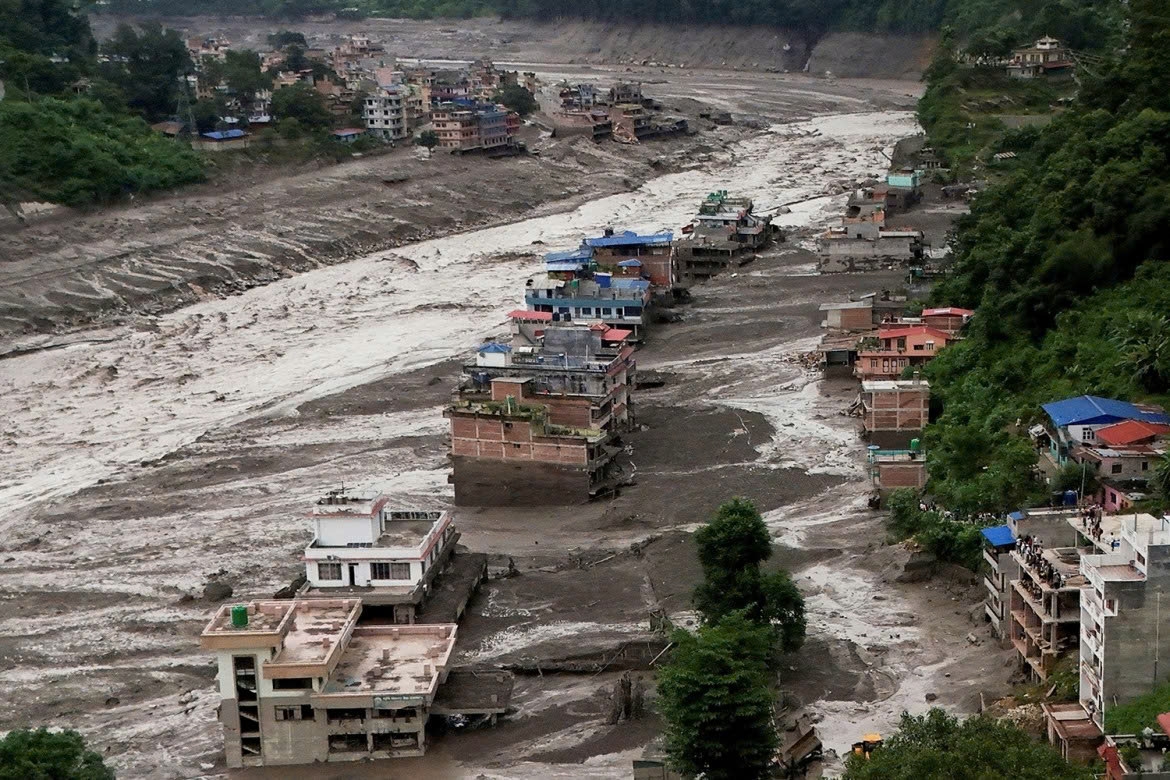
The flash floods and landslides hit mountainous areas along the China-Nepal border in the Himalayas on August 26, sending large volumes of water, mud and debris through valleys in Nepal and China’s Xizang region.
The disaster destroyed or damaged homes, roads, bridges and other infrastructure, while difficult terrain and damaged transport links complicated rescue and relief efforts.
As of August 27, international reports said at least 165 people had died and nearly 1,500 remained missing, including around 750 foreign nationals. Rescue teams in Nepal have been using helicopters to search for missing people, reach isolated areas and assist affected communities.
A preliminary assessment cited by international media attributed the disaster to the collapse of part of a Himalayan glacier, which sent ice, rock and debris into a river valley and triggered powerful flash floods. Authorities and experts were continuing to assess the causes and full extent of the disaster.
Vietnamese leaders send condolences over deadly earthquake in Indonesia
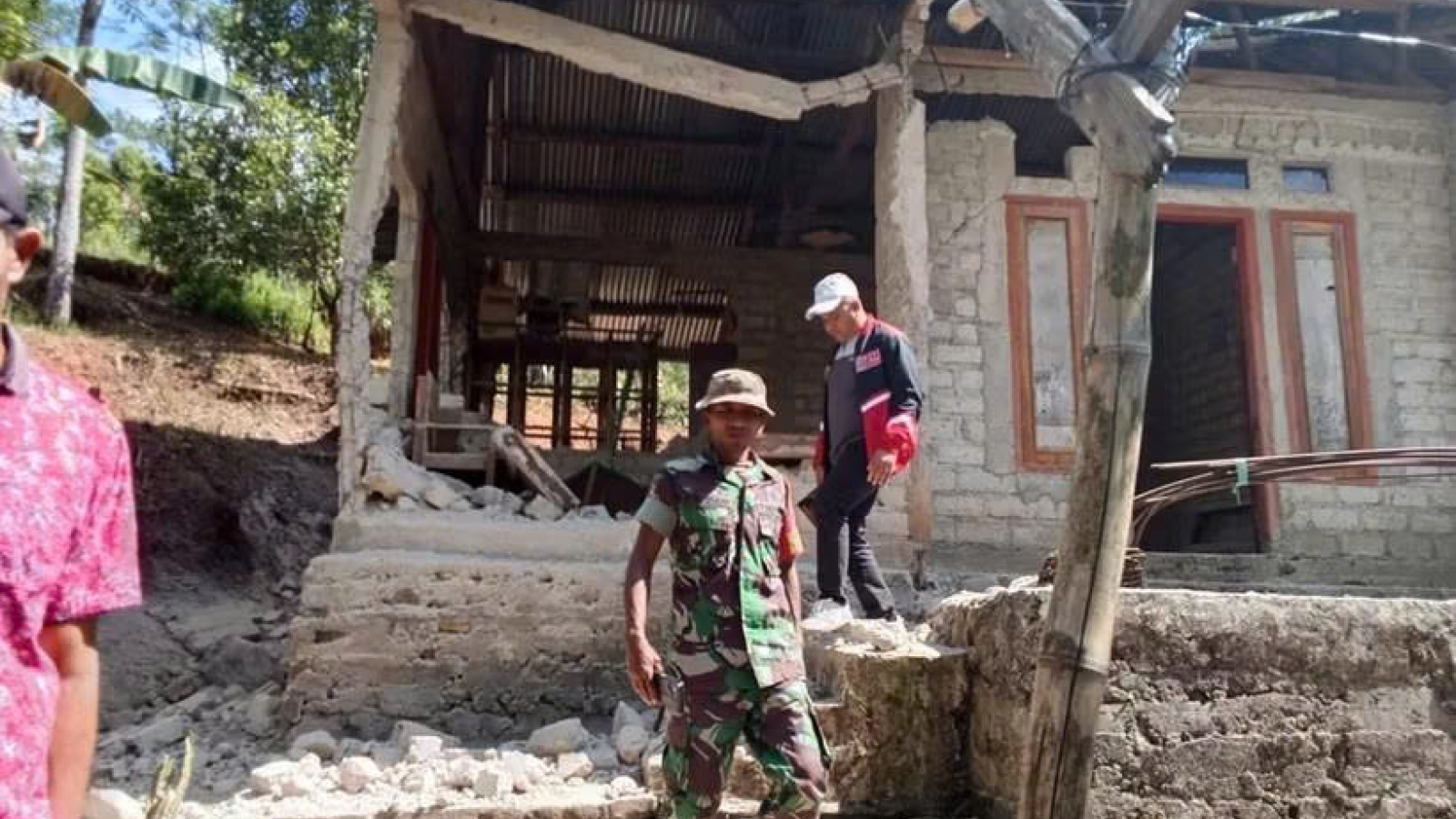
General Secretary of the Communist Party of Vietnam Central Committee and President To Lam and Prime Minister Le Minh Hung on August 15 sent messages of condolences to Indonesian President Prabowo Subianto following a powerful earthquake in Indonesia that caused heavy casualties and affected thousands of families.