Vietnam enters new development phase with greater aspirations, top leader says

VOV.VN - General Secretary of the Communist Party of Vietnam Central Committee and President To Lam has said Vietnam is entering a new development phase with greater aspirations, higher goals and stronger determination, underpinned by self-reliance, strategic autonomy and deeper international integration.
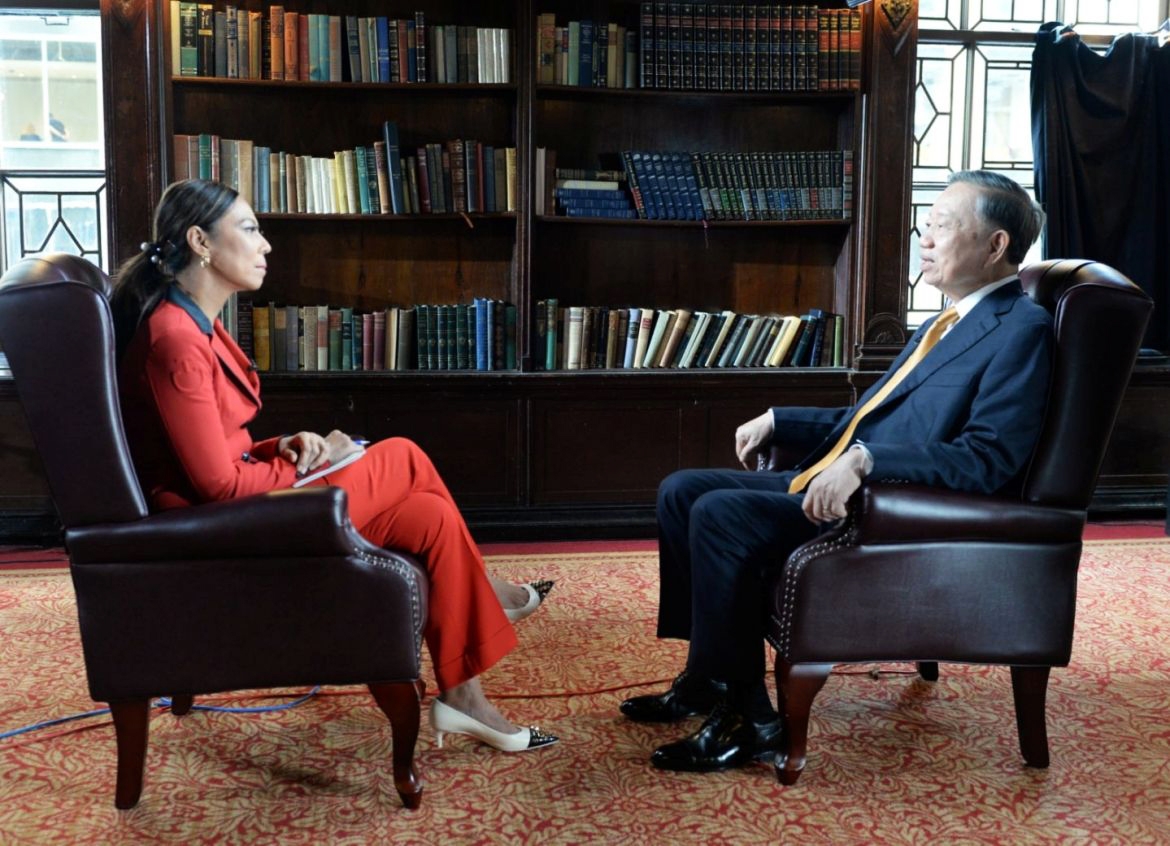
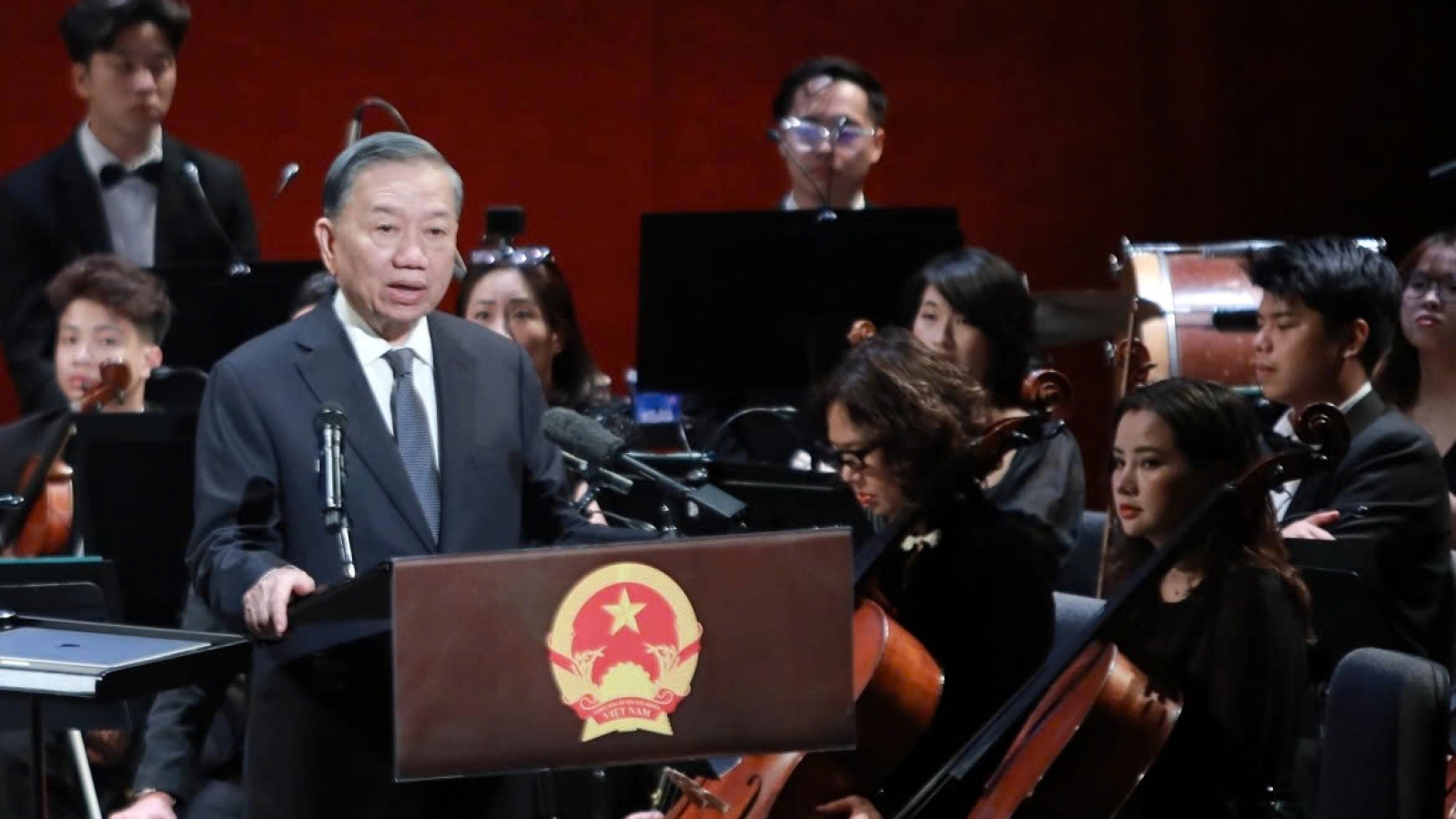
In an interview with Bloomberg TV on September 21, during his working trip to New York for the 81st session of the United Nations General Assembly and bilateral engagements in the United States, General Secretary and President To Lam shared his views on global developments, Vietnam’s foreign policy, Vietnam-US relations and the country’s development goals in the new phase.
Vietnam seeks a more active role in a new development phase
According to the Vietnamese leader, the world is undergoing rapid and profound changes. Peace is facing growing challenges as conflicts, strategic competition, fragmentation, declining trust and the erosion of international law intensify.
Climate change and natural disasters continue to cause severe consequences, while rapid advances in science and technology, particularly artificial intelligence, are creating major opportunities as well as new challenges in governance, security and development gaps between countries.
In this context, the 81st session of the UN General Assembly, under the theme “Restoring Trust, Managing Transformation: A United Nations That Delivers for All”, is of great importance.
Vietnam wants to work with other countries to restore trust, promote dialogue, resolve differences and forge united action towards a just and humane world order based on peace and cooperation, he said.
Multilateral cooperation needs to become an urgent strategic priority, with the restoration and strengthening of trust based on respect for the UN Charter and international law as the top priority.
International commitments need to be translated into concrete action, and global governance frameworks need to keep pace with the times, ensuring inclusiveness, security and transparency. Technology should serve humanity, with due respect for digital sovereignty and each country’s autonomy in pursuing development.
Looking back on 40 years of Doi Moi (Renewal), the leader underscored that Vietnam has built up new strength, potential, prestige and international standing. Through successive stages of national development, supported by the sacrifices and contributions of generations, it has gained an increasingly prominent position internationally and made growing contributions to peace, stability and development in the region and the world.
As it pursues its strategic goals in a new era of development, Vietnam is committed to independence, self-reliance and strategic autonomy, alongside establishing a new development model based on science and technology, innovation, digital transformation and high-quality human resources.
On that foundation, Vietnam is ready to enter a new phase of contribution, going beyond fulfilling its commitments to proactively and actively help create solutions and contribute to peace, sustainable development, climate change response and new technology governance.
In his view, a peaceful and prosperous world order can only be built on political trust, dialogue, cooperation and sustainable development in each member state.
A peaceful, independent, self-reliant and sustainably developing Vietnam, he said, will serve as a strong building block as the international community works together to build a solid “world home” capable of withstanding the challenges of the times and delivering a prosperous and just future for all.
Dialogue to address differences and create new opportunities
This approach is also reflected in Vietnam’s relations with its partners, including the United States.
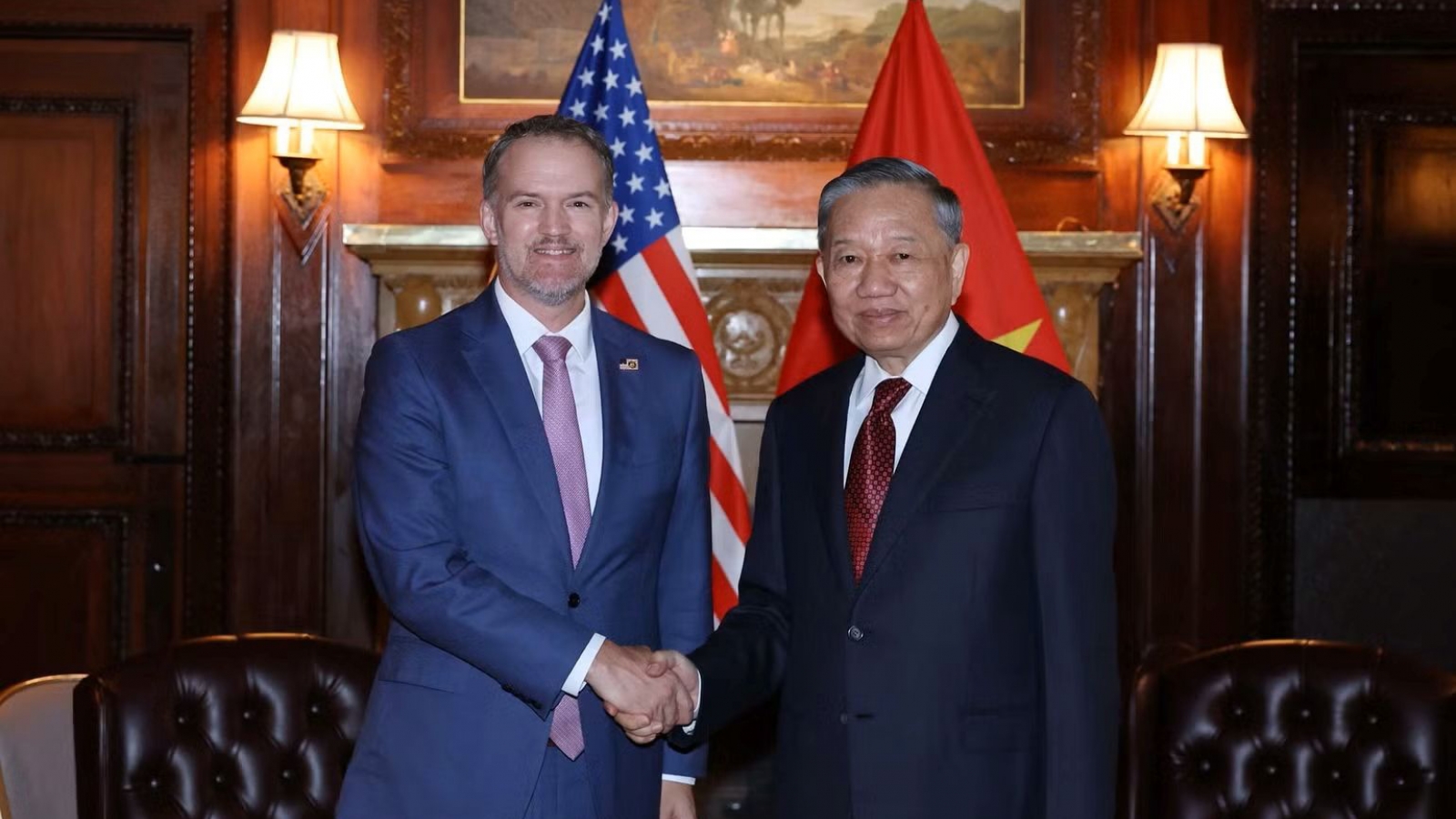
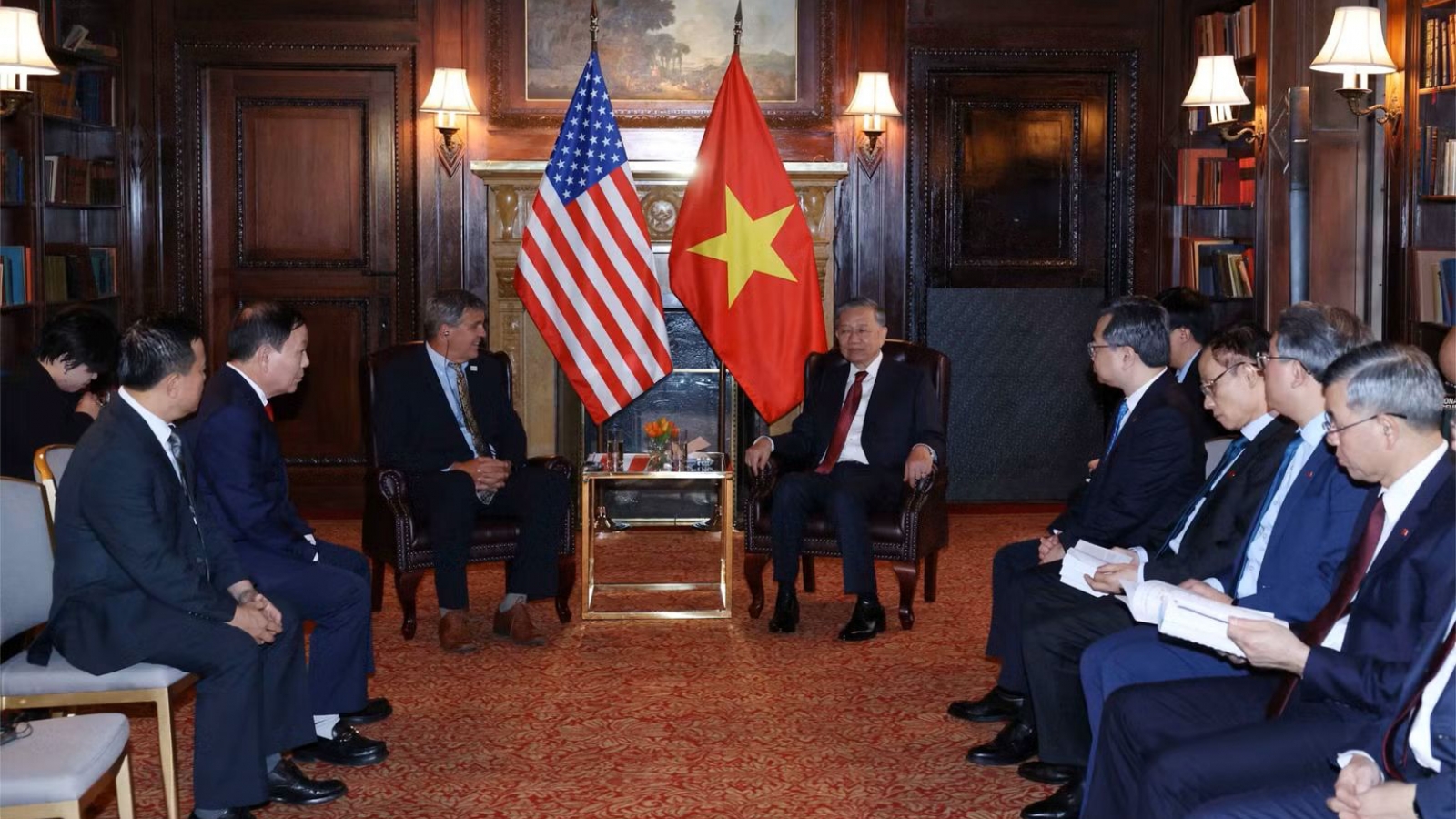
According to General Secretary and President To Lam, Vietnam-US relations have travelled a special path, from a history of war and deep differences to comprehensive cooperation across all areas, underpinned by increasingly solid foundations of trust, mutual respect and shared interests.
The two countries share a long-term strategic interest in maintaining a stable, substantive, balanced and sustainable relationship based on respect for the UN Charter, international law, each other’s independence, sovereignty, territorial integrity, political institutions and legitimate interests.
Vietnam regards the United States as one of its most strategically important partners, while the United States continues to affirm its support for a strong, independent, self-reliant and prosperous Vietnam.
This provides an important foundation for the two countries to further strengthen political trust and deepen their Comprehensive Strategic Partnership.
Bilateral ties have made clear and substantive progress in recent years, the leader affirmed. High-level exchanges and contacts have increased, and economic, trade and investment cooperation continues to serve as an important driving force. Cooperation in science and technology, innovation, semiconductors, artificial intelligence, education and training is also expanding.
Cooperation in addressing the consequences of war is an important foundation for building and strengthening trust, covering efforts to search for missing US servicemen, dioxin decontamination, mine clearance and support for people with disabilities.
Vietnam also appreciates US support for the 500-day campaign to search for, recover and identify the remains of Vietnamese fallen soldiers.
As the two countries’ relationship grows in scale and depth, differences, particularly in economic and trade areas, are inevitable, the leader noted. What matters is that both sides continue to address these issues through frank and constructive dialogue within the overall framework of their Comprehensive Strategic Partnership.
Regarding US concerns about the trade balance, Vietnam believes the issue should be viewed in the context of the two countries’ broader strategic interests and the increasingly complementary nature of their economies.
The objective is not simply to address trade deficits or surpluses, but to build an economic and trade relationship that is fair, balanced, stable and mutually beneficial, creating more opportunities for businesses and people in both countries, he stressed.
On that basis, Vietnam is actively working with the United States to soon complete negotiations and sign the Reciprocal Trade Agreement (ART), creating a stable and long-term framework and ensuring that economic and trade cooperation continues to serve as a driving force, rather than an obstacle, in the Comprehensive Strategic Partnership.
With political trust already strengthened, increasingly intertwined strategic interests and the determination of the two countries’ leaders, Vietnam-US relations would continue to develop in a stable, substantive, effective and sustainable manner, benefiting the peoples of both countries and contributing to peace, stability, cooperation and development in the region and the world.
Foreign policy aligned with development needs
This approach is also part of Vietnam’s broader foreign policy orientation in the new development phase.
The top leader maintained that foreign policy priorities may evolve according to the requirements of each period, but Vietnam’s consistent and steadfast policy remains one of independence, self-reliance, peace, friendship, cooperation, multilateralisation and diversification.
Foreign policy priorities are determined on the basis of national interests and development needs, and are harmonised with peace, stability and development in the region and the wider world.
First and foremost, Vietnam seeks to maintain a peaceful and stable environment and safeguard its independence, sovereignty and legitimate interests. It also aims to proactively prevent risks, strengthen dialogue, build trust and appropriately address differences on the basis of international law.
Vietnam wants to promote friendly, equal and mutually beneficial relations with its partners and make increasingly practical contributions to the common affairs of the international community.
In a world marked by numerous changes, Vietnam values stable, sincere, trusted and long-term relationships that can expand opportunities for development, contributing to peace, stability, cooperation and development in the region and beyond.
Vietnam will continue to deepen existing frameworks of relations alongside promoting cooperation with new partners, sectors and actors. With each partner, it seeks to identify areas of common ground and complementary strengths in order to create greater room for development, generate new value and jointly address emerging challenges.
Alongside relations between states, Vietnam is strengthening connections with businesses, technology groups, universities, research institutes and innovation centres, which are playing an increasingly direct role in technology, knowledge and new drivers of development.
Another strategic priority is to create new momentum for the country’s development goals. Vietnam is promoting science and technology, innovation, digital transformation and a new development model, as well as maintaining high growth and improving the economy’s competitiveness.
The country is also focused on expanding markets, attracting high-quality investment, promoting technology transfer and technological mastery, developing human resources and participating more deeply in global value chains.
General Secretary and President To Lam emphasised that once relations have been established and upgraded, they must also have substantive content. Agreements that have been signed need to be implemented, while opportunities that have emerged need to be translated into programmes, projects and concrete results.
Vietnam must also do its part by improving institutions, preparing human resources, strengthening its capacity to absorb technology, improving the investment and business environment and enhancing implementation capacity.
These efforts, he said, are essential to realising the vision of a self-reliant, innovative and humane Vietnam that develops rapidly and sustainably and advances confidently into a new era of national development.
High-growth target underpinned by self-reliance
In the new development phase, the target of average GDP growth of more than 10% a year during 2026-2030 was set on the basis of careful research and consideration, according to the leader.
Vietnam is fully aware of its internal capacity, has established a long-term development vision and has carefully assessed the international environment.
The target reflects the development aspirations of the Vietnamese nation, with the aim of keeping pace with global development and turning Vietnam into a developed, high-income country by 2045, helping to realise President Ho Chi Minh’s aspiration for Vietnam to stand alongside the world’s great powers.
According to him, confidence in this goal comes from the strong determination of the entire political system, the firm commitment of the Party and State, and the broad consensus and support of the people and business community.
To realise the target, Vietnam has established a development model based on self-reliance, strategic autonomy and deep international integration. The model seeks to achieve rapid growth while maintaining macroeconomic stability, bringing fundamental improvements in the quality of growth and labour productivity, and placing people at the centre of development.
Science and technology, innovation and digital transformation have been identified as strategic breakthroughs and core drivers for developing new productive forces, enhancing national competitiveness and strengthening the economy’s autonomy.
At the same time, Vietnam regards culture and people as a foundation, an important endogenous resource and a driving force for development. It also places emphasis on sustainability and inclusiveness, building a progressive and civilised society, protecting the environment, maintaining political stability, strengthening national defence and security, and firmly safeguarding national sovereignty.
General Secretary and President To Lam reaffirmed that with clear strategic orientations, together with the country’s consensus and determination to move forward, Vietnam is confident it can achieve its growth targets and steadily turn the Vietnamese nation’s aspiration for prosperous development into reality.
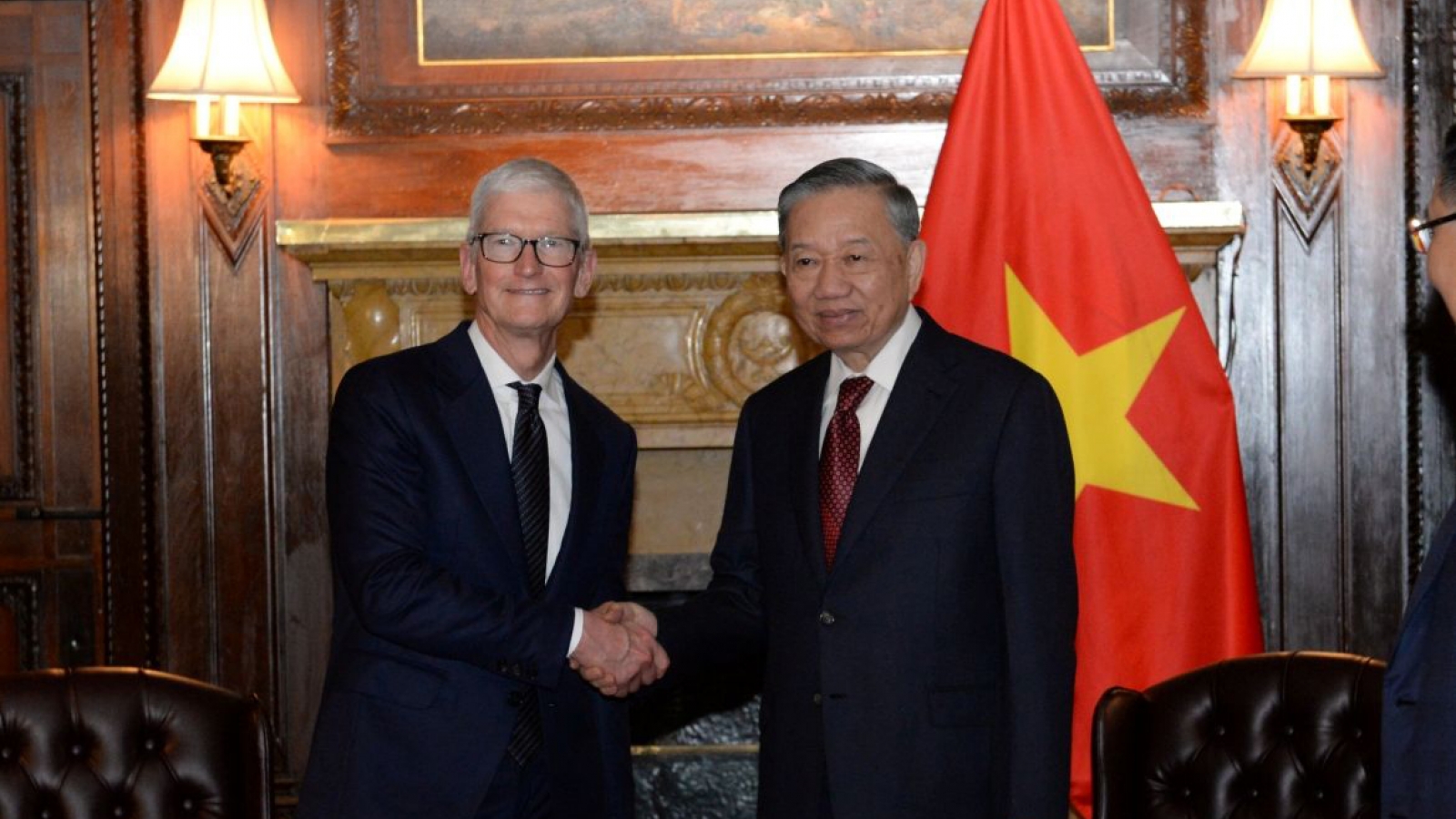
US businesses expected to help raise capabilities of Vietnamese firms globally
VOV.VN - Vietnam wants US corporations not only to expand their investment and business activities in the country but also to help strengthen Vietnamese companies’ management capabilities, technology, workforce and competitiveness, enabling them to participate more deeply in global value chains.