Parliamentary diplomacy drives Vietnam-RoK cooperation towards tangible results

VOV.VN - National Assembly President Tran Thanh Man’s official visit to the Republic of Korea from September 6-8 is expected to strengthen the role of parliamentary diplomacy in creating a favourable legal framework, translating political commitments into tangible cooperation, and opening new avenues in science and technology, innovation and strategic technologies.
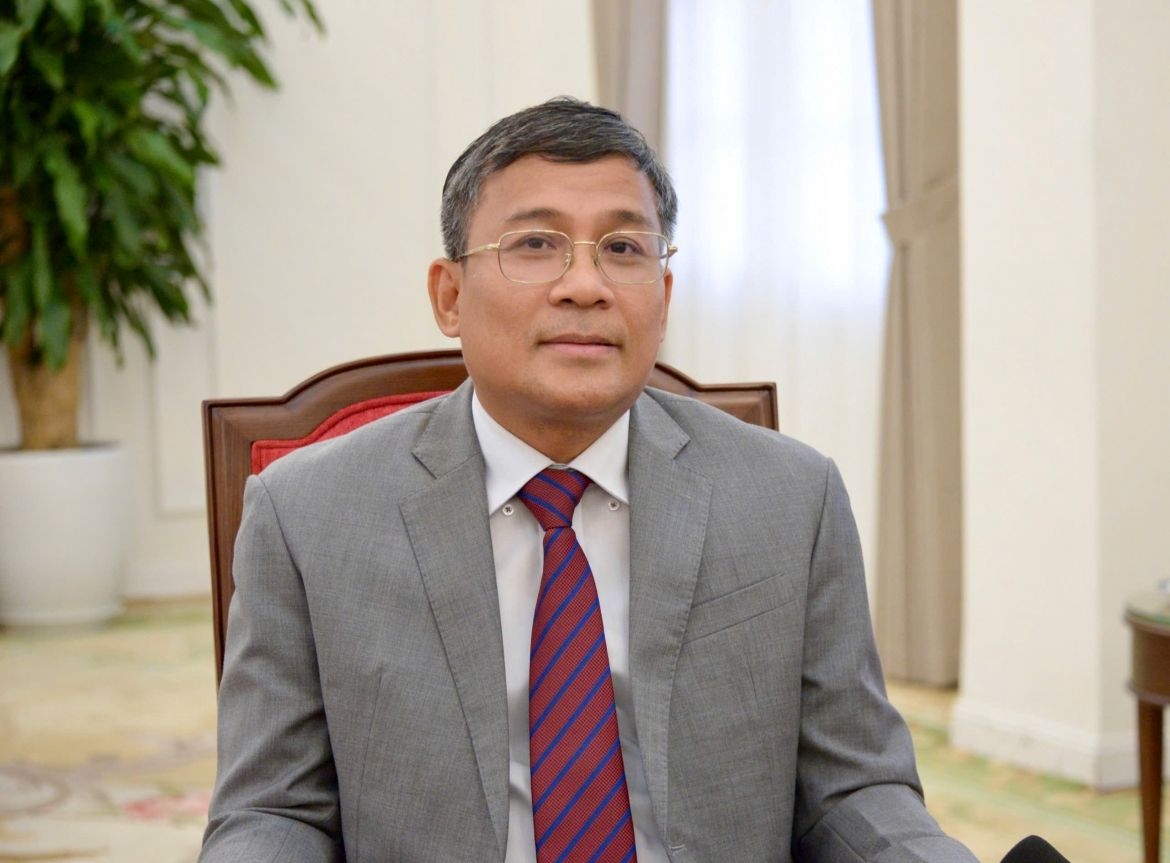
According to Standing Deputy Foreign Minister Nguyen Minh Vu, the visit by National Assembly President Tran Thanh Man and a high-level delegation of the National Assembly of Vietnam will contribute to improving the quality, effectiveness and substance of Vietnam-RoK relations, particularly in economic, trade and investment cooperation and emerging technology sectors.
Parliamentary diplomacy drives bilateral cooperation
The Vietnam-RoK comprehensive strategic partnership continues to develop strongly across a wide range of areas. Economic cooperation is an important pillar, with science and technology increasingly emerging as a new driver of bilateral relations.
In 2025, the Republic of Korea was Vietnam’s second largest source of investment, second largest source of tourists, second largest provider of ODA, third largest trading partner and third largest market for Vietnamese workers.
Two-way trade between the two countries reached US$89.5 billion last year, and US$70 billion in the first seven months of 2026 alone, up 41% year on year. The two sides are discussing specific measures to achieve their goal of raising bilateral trade to US$150 billion by 2030 in a more balanced manner.
As of the end of July 2026, the Republic of Korea was Vietnam’s largest foreign investor, with total registered capital exceeding US$102 billion across 10,567 projects.
As bilateral cooperation continues to expand, ties between the two legislatures have also grown substantially. The National Assembly of Vietnam and the National Assembly of the Republic of Korea signed a Memorandum of Understanding on cooperation in November 2025. The two sides have maintained exchanges between parliamentary leaders, committees, friendship parliamentary groups, women parliamentarians and young lawmakers.
They also regularly share experience, coordinate efforts to advance the implementation of signed agreements, and support each other at multilateral parliamentary forums such as the Inter-Parliamentary Union (IPU) and the ASEAN Inter-Parliamentary Assembly (AIPA).
Deputy Foreign Minister Vu noted that this is one of the important values of parliamentary diplomacy.
“High-level parliamentary diplomacy not only creates a favourable legal framework for cooperation, but also serves as a channel to advance and follow up on the implementation of cooperation agreements, share experience in lawmaking, institutional development and national governance, and turn political commitments into substantive cooperation that benefits people and businesses,” he said.
Opening new avenues for cooperation
Deputy Foreign Minister Vu said a key focus of the visit is to further improve the quality and effectiveness of economic, trade and investment cooperation, while tapping new drivers in science and technology, innovation and strategic technology sectors.
This is also a notable direction in Vietnam-RoK relations as cooperation in defence, security, labour, culture, tourism and education continues to expand.
The visit is expected to provide fresh impetus for the two sides to translate agreed orientations into concrete action, including the goal of increasing bilateral trade to US$150 billion by 2030 and expanding cooperation in high-value-added sectors.
Beyond bilateral ties, the visit will also provide an opportunity for the two National Assembly leaders to discuss coordination at multilateral parliamentary forums. Vietnam and the Republic of Korea are both active partners in these mechanisms and can further coordinate on issues related to peace, security, sustainable development, climate change response and global challenges.
In line with this approach, parliamentary diplomacy is expected not only to consolidate political ties but also to serve as a bridge for turning high-level commitments into concrete cooperation that delivers benefits to people and businesses in both countries.
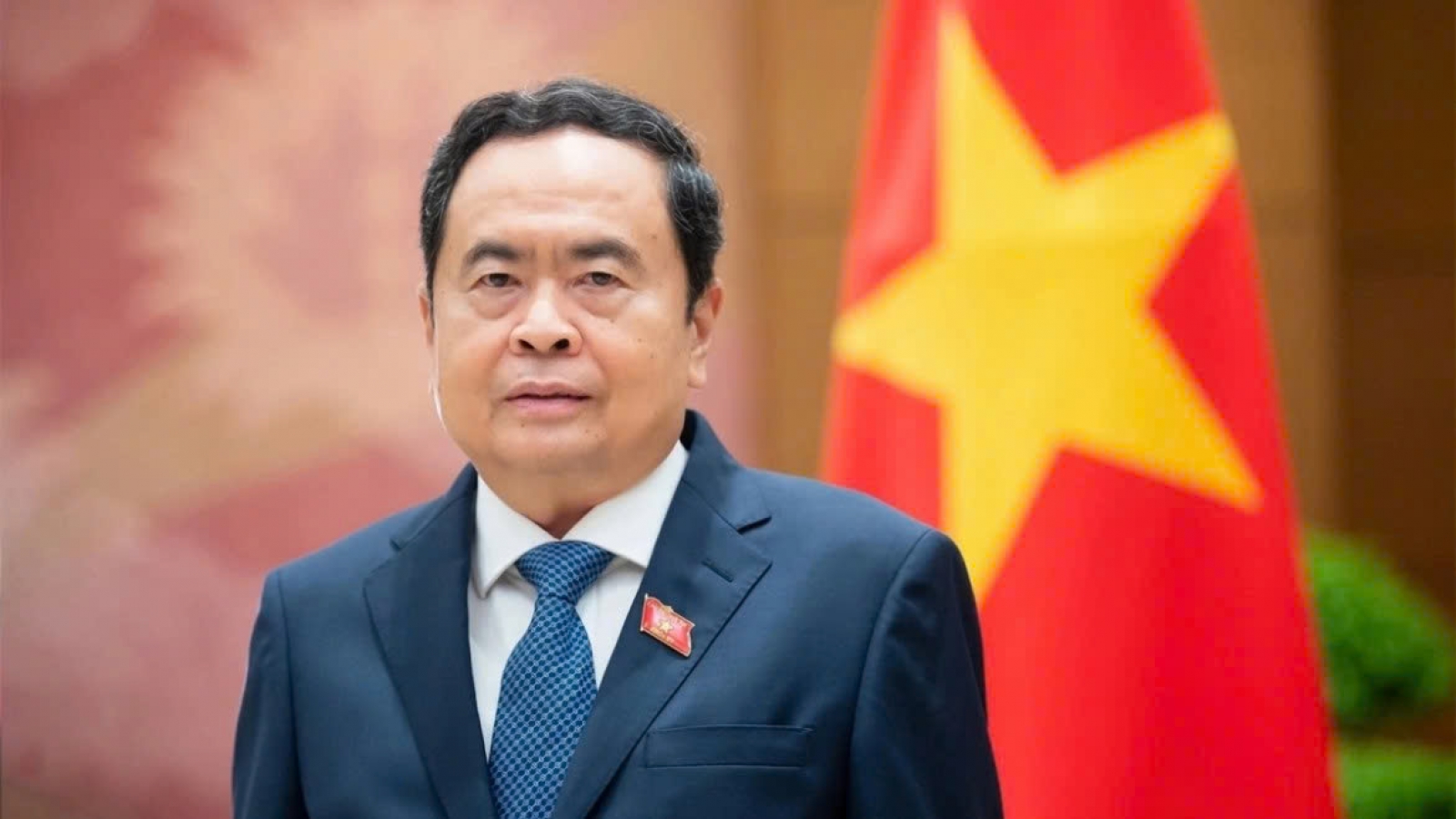
National Assembly President Tran Thanh Man to visit RoK, Mongolia
VOV.VN - National Assembly President Tran Thanh Man and his spouse will pay official visits to the Republic of Korea and Mongolia from September 6 to 11, aiming to strengthen parliamentary ties and promote broader bilateral cooperation.