Vietnam to add 7 new airports by 2030, expanding national aviation network

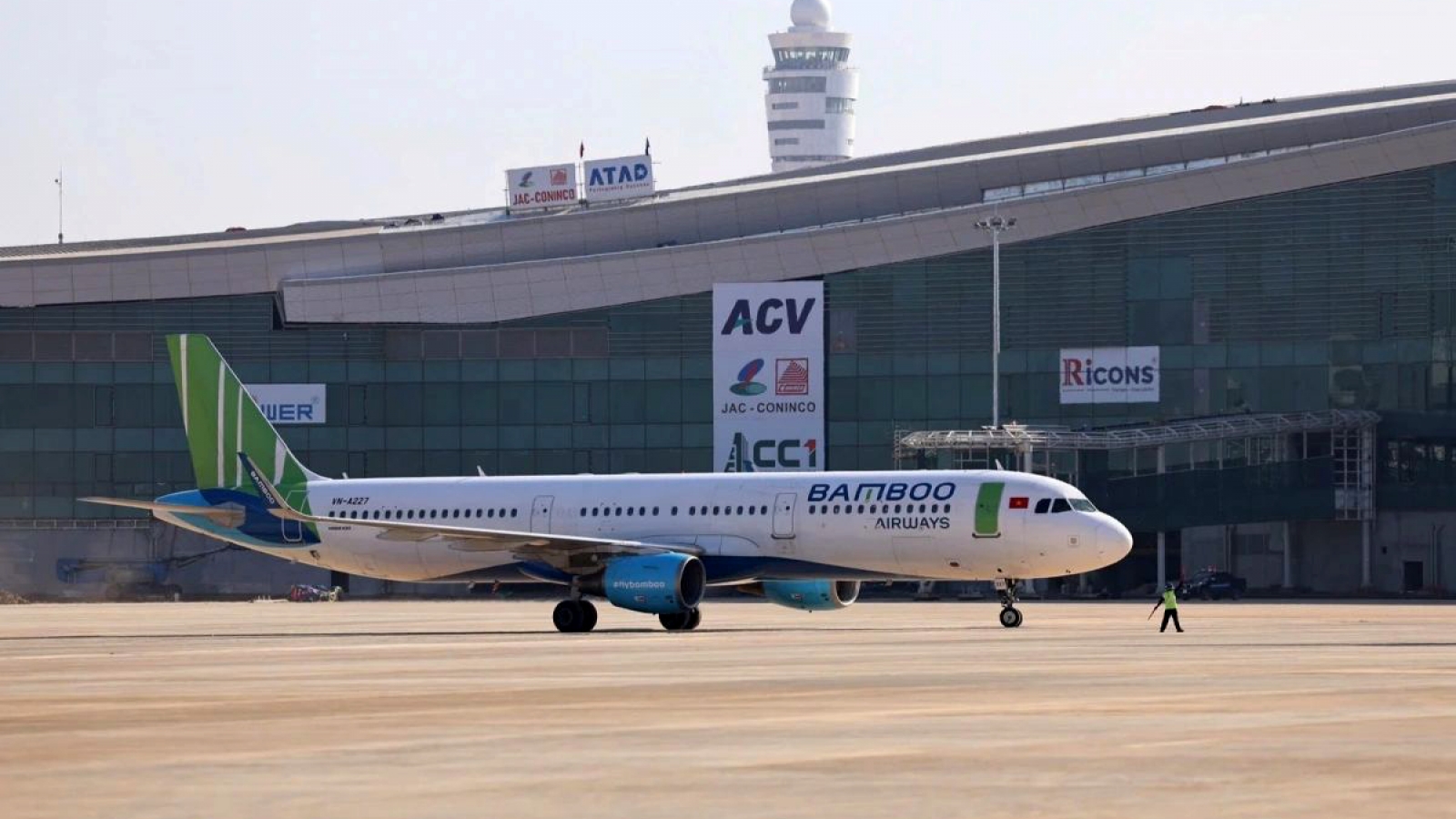
VOV.VN - Vietnam is expected to put seven new airports into operation by 2030, including two major projects - Long Thanh and Gia Binh International Airports - as part of a broader strategy to expand the country’s aviation infrastructure and meet rapidly growing travel demand.
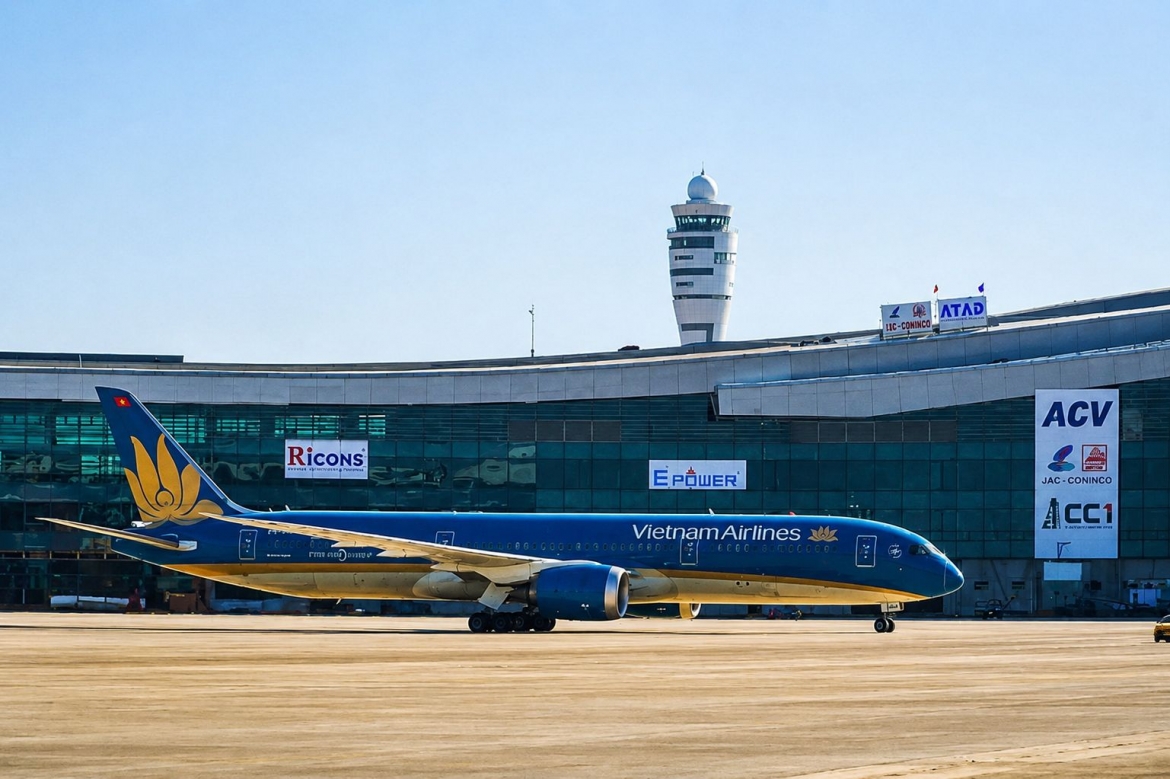
The Ministry of Construction has recently submitted a report to the Prime Minister reviewing the implementation of the National Airport System Master Plan for the 2021–2030 period, with a vision to 2050.
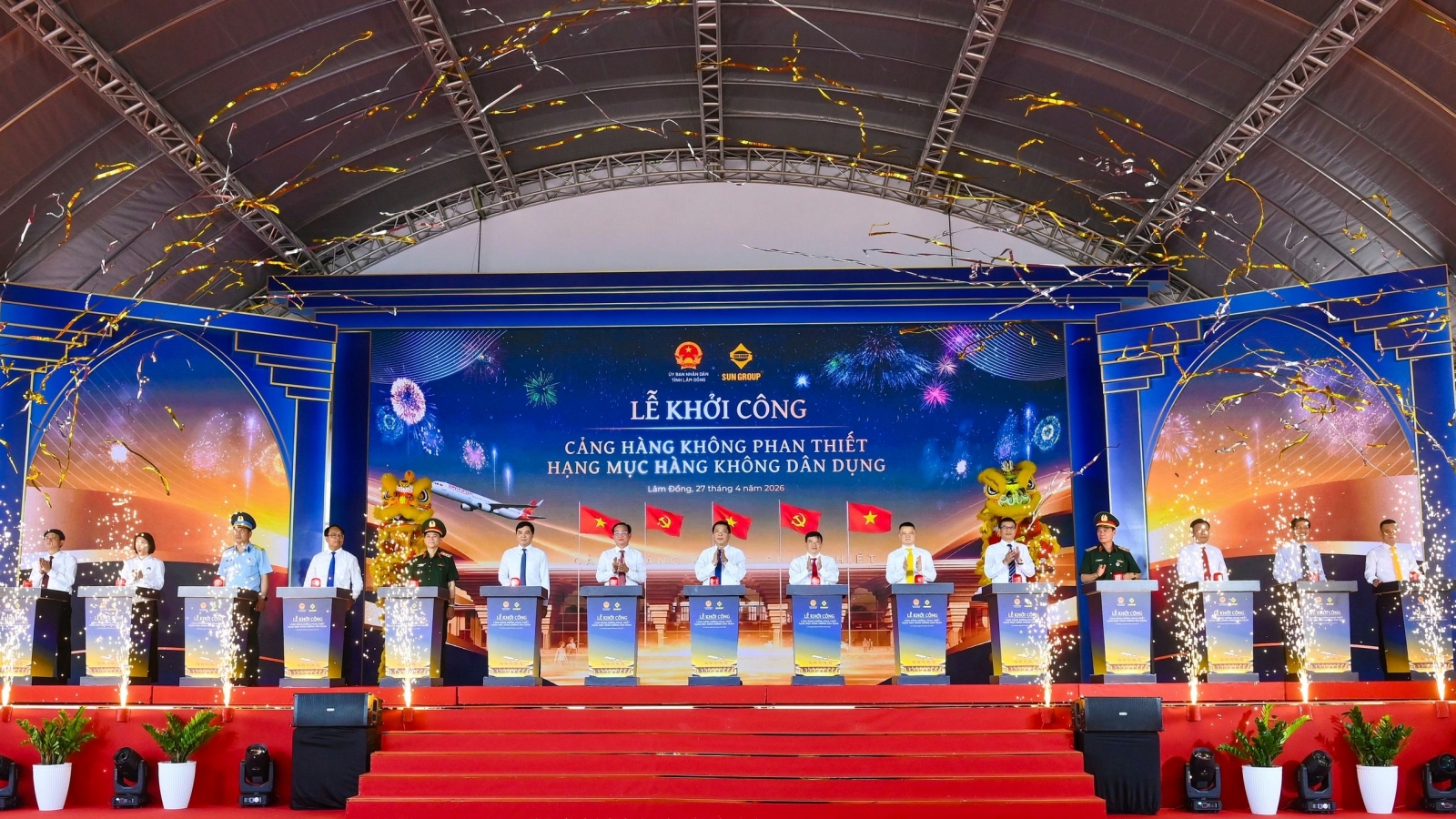
According to the ministry, Vietnam currently operates 22 airports, while five new airports are under construction, namely Long Thanh, Gia Binh, Quang Tri, Phan Thiet, and Tho Chu.
Under the Prime Minister’s Decision No. 648 dated June 7, 2023, Vietnam aims to develop a network of 30 airports by 2030, including 14 international airports and 16 domestic airports. By 2050, the network is expected to expand further to 33 airports.
Seven new airports scheduled before 2030
The Ministry of Construction projects that seven new airports will be operational by 2030, namely Long Thanh, Gia Binh, Quang Tri, Phan Thiet, Sa Pa, Tho Chu, and Thanh Son.
Alongside the construction of new airports, Vietnam is also upgrading and expanding existing facilities to increase the total annual handling capacity of the airport system to approximately 210–220 million passengers.
To date, planning and approval procedures have been completed for 14 of the 22 airports requiring expansion during the 2021–2030 period. These include Phu Cat, Lien Khuong, Cat Bi, Pleiku, Vinh, Gia Binh, Ca Mau, Phu Quoc, Tuy Hoa, Da Nang, Thanh Son, Van Don, Cam Ranh, and Buon Ma Thuot.
Planning work is continuing for the remaining eight airports: Na San, Lai Chau, Phu Bai, Chu Lai, Can Tho, Rach Gia, Con Dao, and Tho Chu.
Authorities are also reviewing adjustments to the national airport master plan, including the possible addition of new airports in Mang Den and Van Phong, as well as revisions to the classification of Quang Tri Airport and the development scale of Con Dao Airport.
Nearly VND485 trillion needed for aviation infrastructure development
The Ministry of Construction estimates total investment demand for airport infrastructure development during the 2021–2030 period at approximately VND485 trillion (around US$18.5 billion).
Public funding is expected to account for about 55% of total investment, while the remainder will be mobilised from the private sector through public-private partnership (PPP) arrangements and other investment models. The government is increasingly encouraging private-sector participation to reduce reliance on the state budget.
Several local authorities have been assigned responsibility for implementing airport projects under PPP and commercial investment frameworks.
Notably, Gia Binh International Airport is being developed under a commercial investment model and is expected to complete its first phase in 2027 to support major international events. Quang Tri Airport is being developed under a PPP model, while Phan Thiet Airport combines public and private investment. Thanh Son and Tho Chu airports are planned as dual-use facilities serving both civil and defense purposes.
Air travel demand continues to grow
Preliminary forecasts indicate that Vietnam’s aviation market will maintain strong growth momentum over the coming years.
Under a high-growth scenario, passenger throughput across the country’s airports is projected to exceed 191 million passengers annually by 2030, representing an average annual growth rate of approximately 9.7% during the 2026–2030 period.
Air cargo volume is expected to reach around 3.75 million tonnes by 2030, with an average annual growth rate of 19.3%.
Currently, about 80% of Vietnam’s air passenger and cargo traffic is concentrated at five major international airports: Tan Son Nhat, Noi Bai, Da Nang, Cam Ranh, and Phu Quoc. Meanwhile, several airports, including Can Tho and Chu Lai, are still operating below their designed capacity.
According to the Ministry of Construction, the ongoing review of the airport master plan aims to reassess potential airport locations nationwide, incorporate projects that meet development requirements, and remove those that no longer align with actual demand and the country’s socio-economic development priorities.
Dong Nai urged to maximize opportunities from Long Thanh Airport
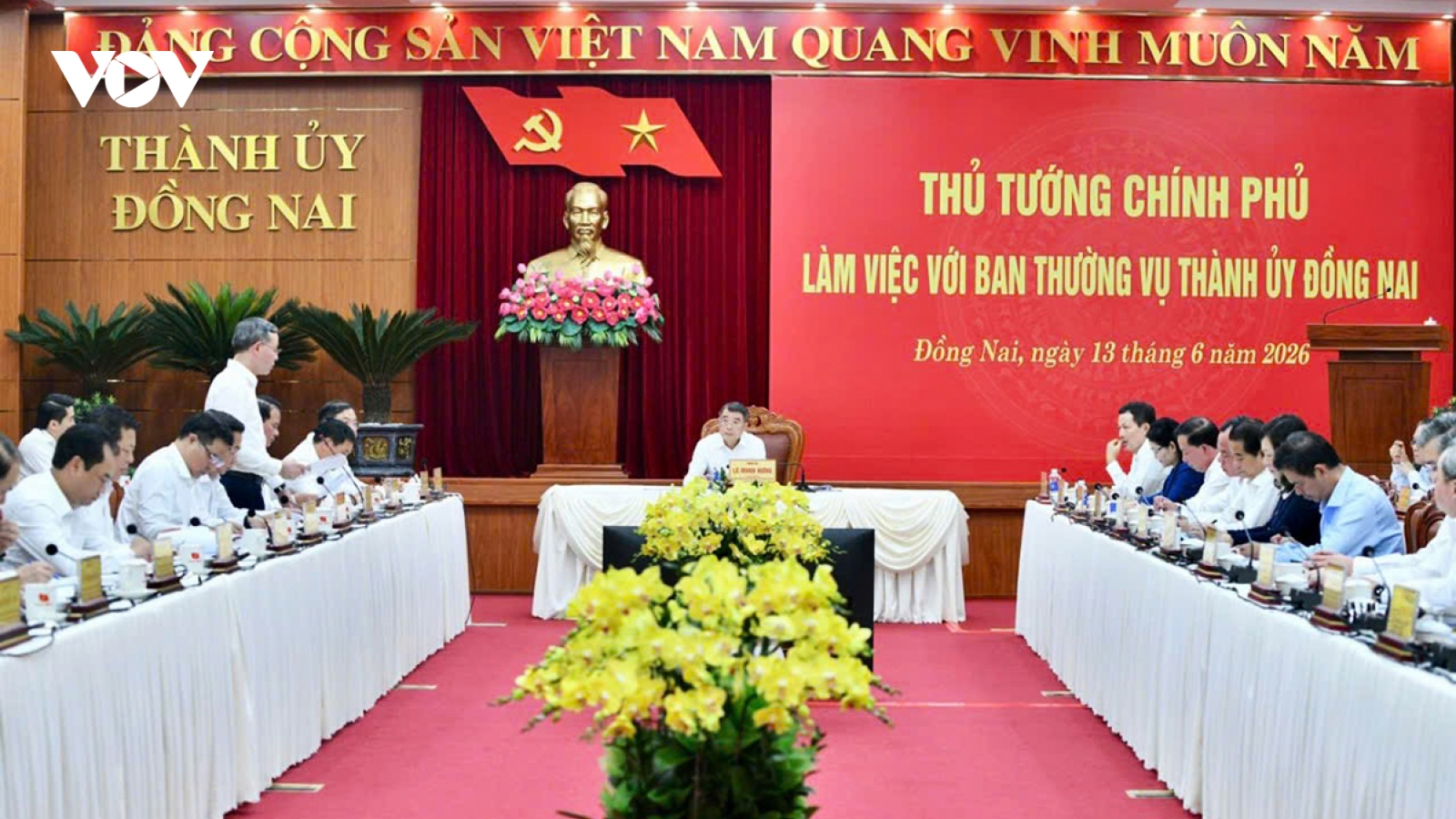
VOV.VN - Prime Minister Le Minh Hung has requested that Dong Nai comprehensively review its planning framework, accelerate infrastructure development and coordinate key economic zones to fully capitalise on opportunities arising from Long Thanh International Airport, set to begin operations by the end of 2026.