Vietnam targets ASEAN's third-largest international financial centre by 2035

VOV.VN - Vietnam has unveiled an ambitious roadmap to develop its newly established international financial centre by 2035, aiming to position the country as a key regional capital hub and the third-largest financial centre in ASEAN.
Under the newly approved International Financial Centre Development Plan to 2035, Vietnam also targets ranking among the top 25 financial centres in the Asia-Pacific region and the top 75 globally, according to the Global Financial Centres Index (GFCI) or an equivalent international benchmark.
The plan was signed on July 22 by Deputy Prime Minister Nguyen Van Thang, chairman of the Governing Council of Vietnam’s International Financial Centre.
The overall objective is to transform the international financial centre into a major platform for mobilising, allocating and efficiently utilising domestic and international financial resources, supporting rapid and sustainable economic growth while enhancing Vietnam's position within regional and global financial networks.
Building the foundations
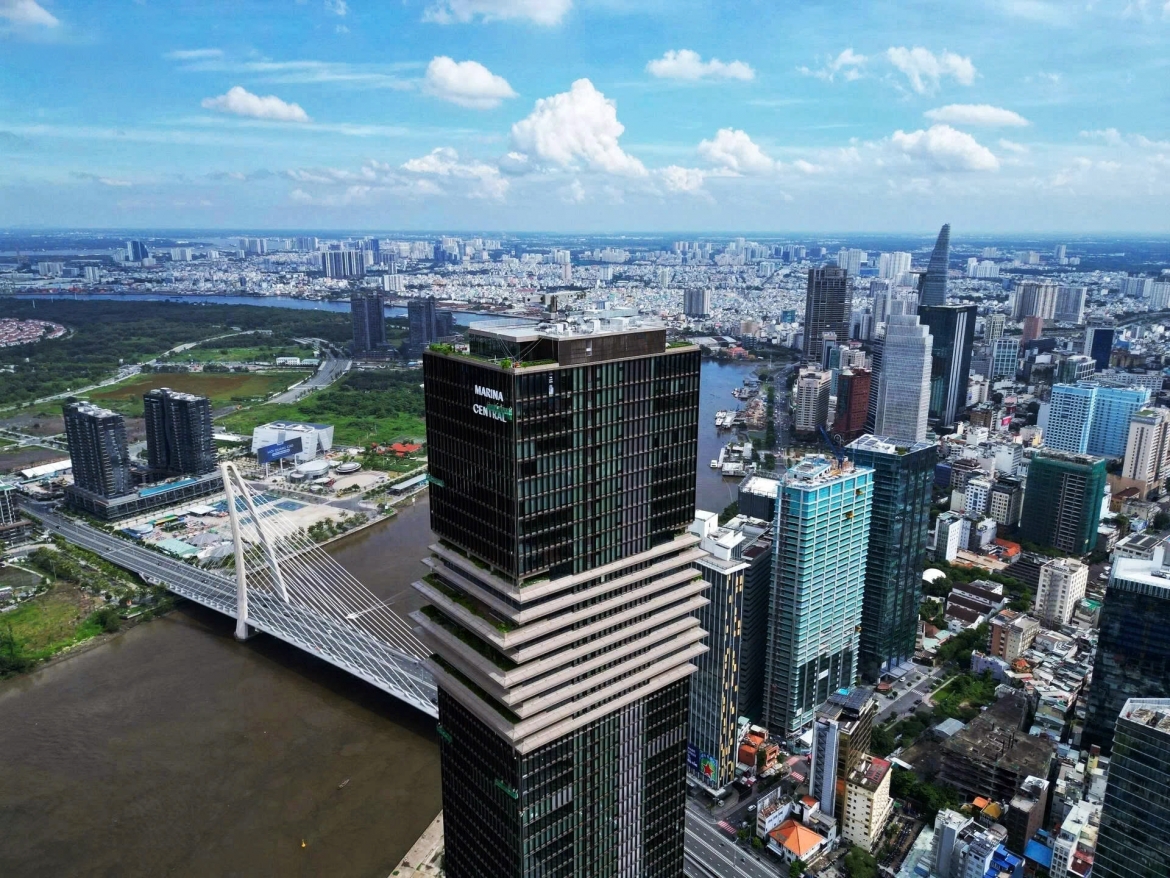
During the 2026-2030 period, Vietnam will prioritise establishing a comprehensive legal and institutional framework, governance model, operational mechanisms and supervisory system aligned with international standards to ensure transparency, safety and efficiency.
The country also plans to gradually put into operation core financial, digital, legal and social infrastructure, alongside launching priority financial products and services.
Efforts will focus on attracting international financial institutions, investment funds, global banks and highly skilled financial professionals.
Expanding a modern financial ecosystem
Between 2031 and 2035, the country aims to expand and strengthen a modern financial ecosystem covering capital markets, green finance, digital finance and financial technology (fintech), while improving market depth, diversity and integration with international financial markets.
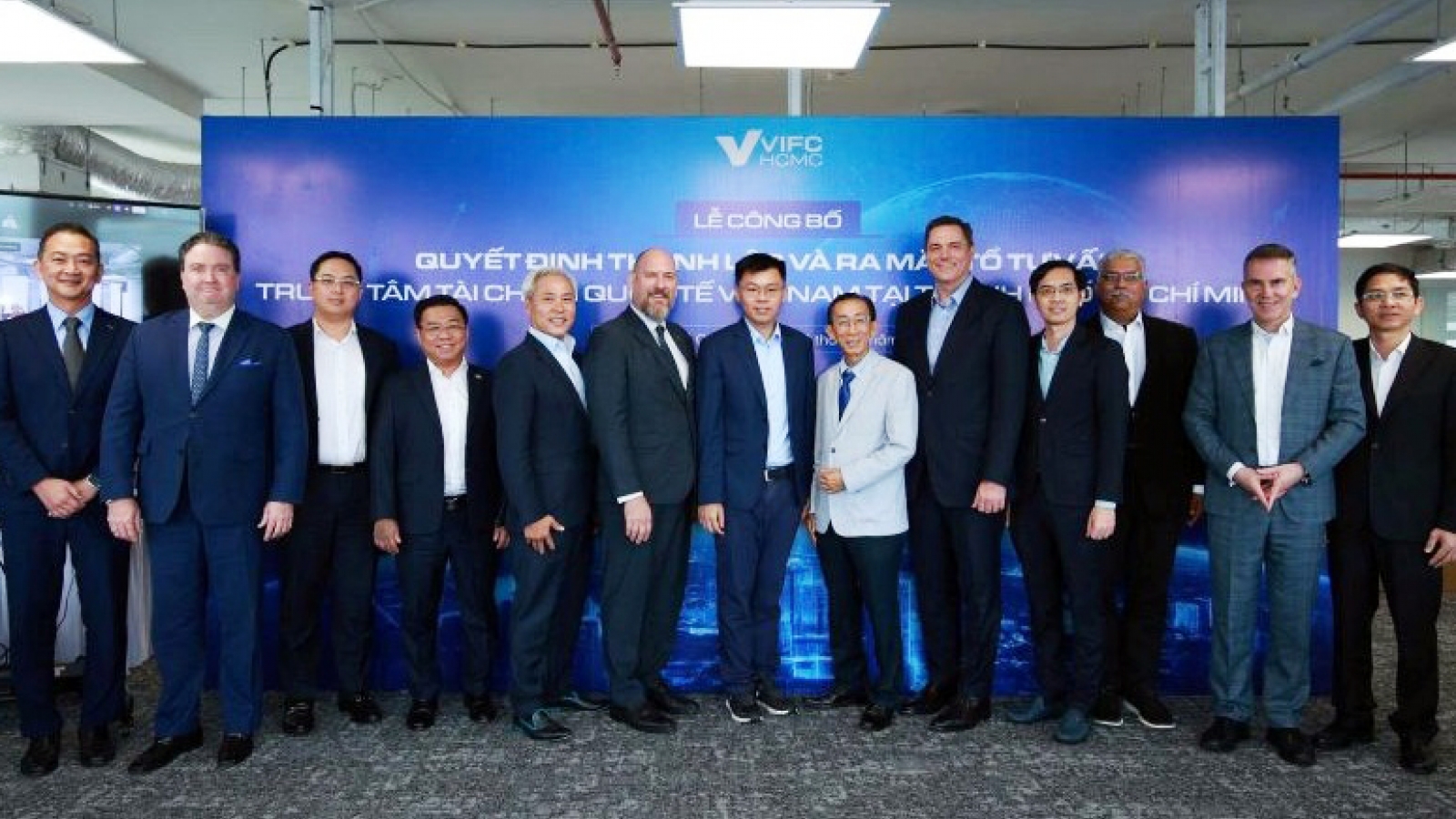
Under the plan, Ho Chi Minh City will serve as Vietnam's comprehensive international financial centre, focusing on capital markets, traditional and specialised financial services, asset and fund management, green finance, digital finance and commodity derivatives linked to international trade and logistics.
Meanwhile, Da Nang will develop as an innovation- and technology-driven financial hub specialising in digital assets, digital payments, asset tokenisation, specialised trading platforms, startup finance, supply chain financing and regulatory sandbox initiatives for emerging financial technologies and products.
Enhancing global competitiveness
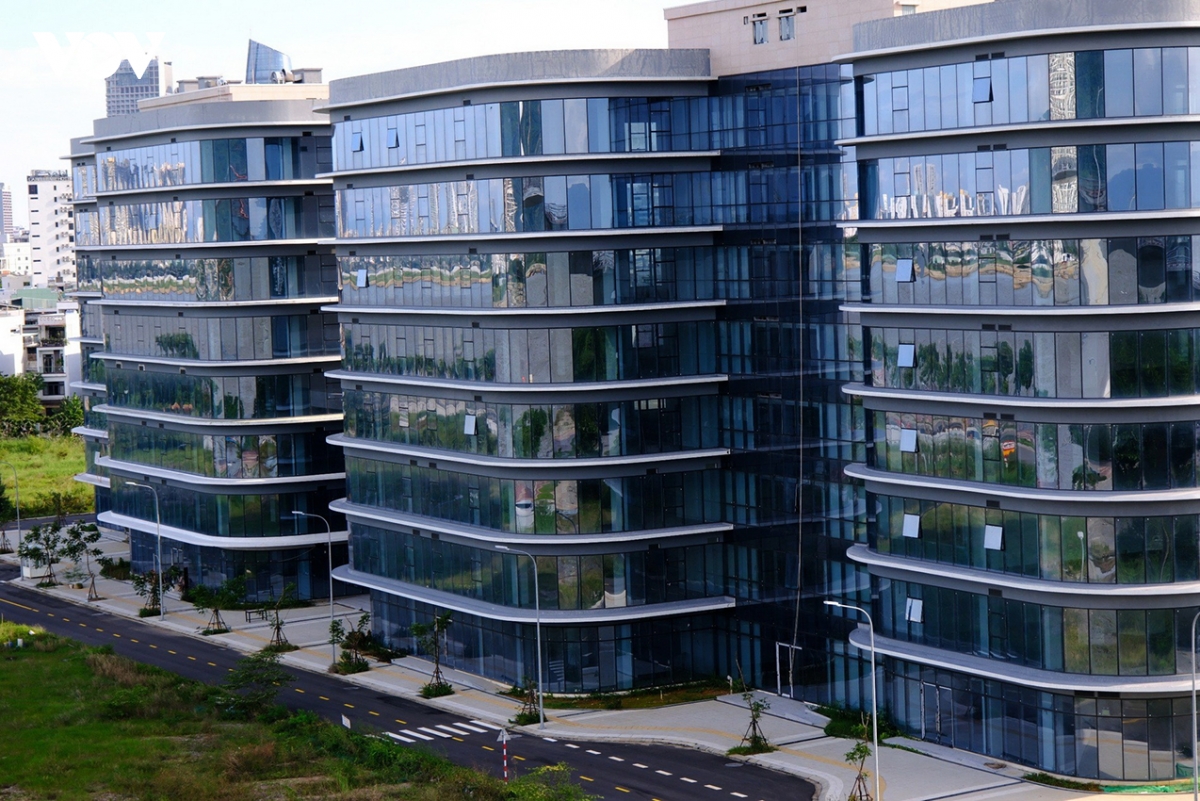
To create a favourable business environment, Vietnam plans to continue refining its institutional framework, introduce internationally competitive policies, digitalise administrative procedures and improve public services for investors and market participants.
The development strategy also prioritises strengthening financial markets, digital infrastructure and data systems. It will build a highly skilled workforce and attract international experts in finance, technology and legal services to support the operation of a globally competitive financial centre.
Vietnam expects the project to enhance the country's ability to mobilise and allocate financial resources more efficiently, accelerate international economic integration and strengthen its position within regional and global financial markets.
The 15th National Assembly adopted a resolution in June 2026 to build Vietnam's International Financial Centre.
Under the resolution, the International Financial Centre is defined as a geographically designated zone established by the Government and located in both Ho Chi Minh City and Da Nang. While operating under a unified governance and regulatory framework, the two locations are designed to leverage their respective competitive advantages and complementary development models.
Following the establishment of the legal framework, Vietnam has gradually moved from policy planning to implementation.
The Government has issued implementing regulations governing the establishment and operation of the International Financial Centre. Both Ho Chi Minh City and Da Nang have inaugurated their respective financial facilities and begun building their operational structures.
The initiative has already attracted growing interest from international financial institutions, multinational corporations, investors and global business organisations, marking an important step toward positioning Vietnam as an emerging regional financial hub.
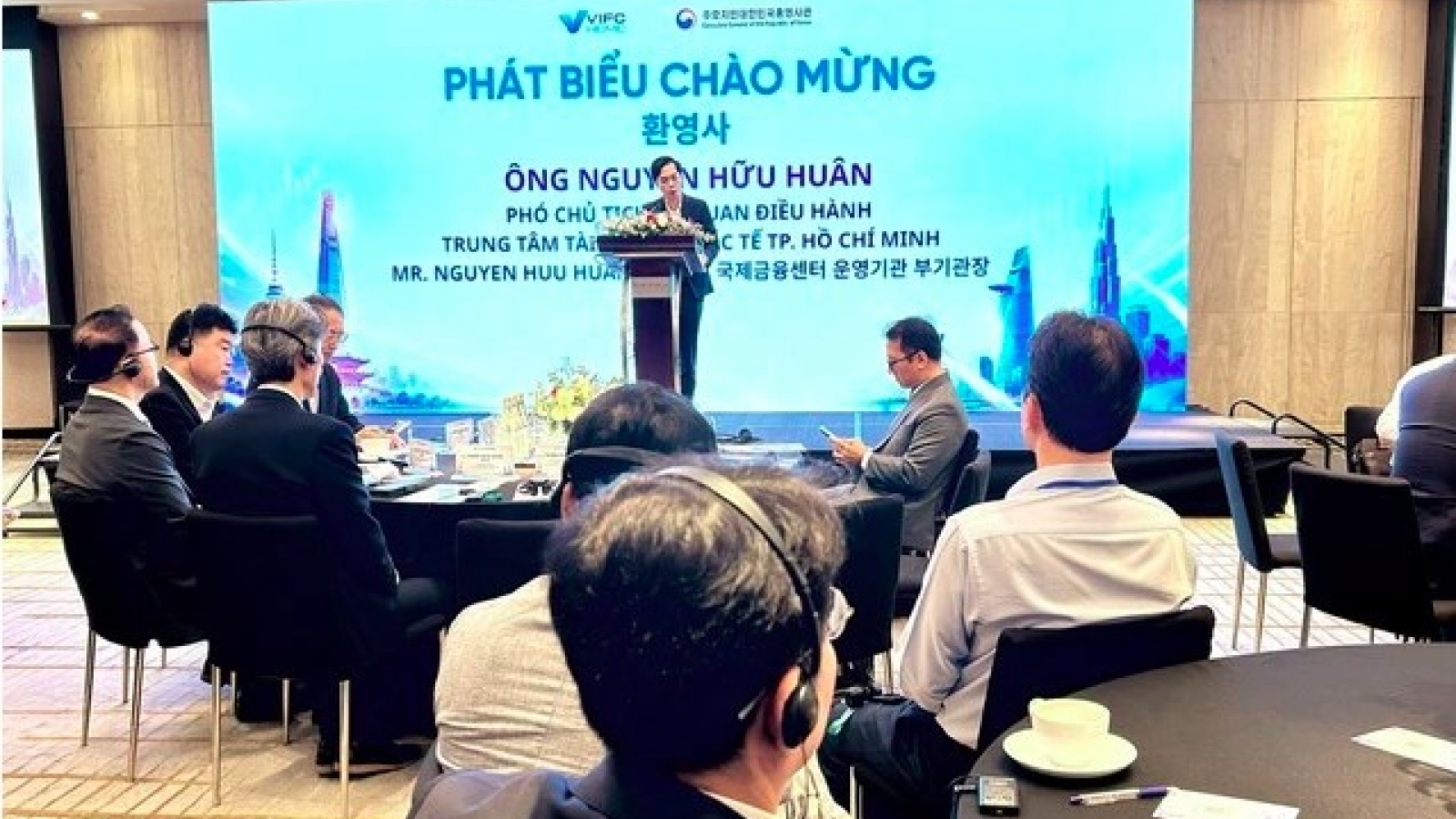
Vietnam, RoK promote cooperation through international financial centre
VOV.VN - The international financial centre being developed in Ho Chi Minh City is expected to create new opportunities for financial cooperation between Vietnam and the Republic of Korea (RoK), participants heard at the Vietnam-RoK Financial Cooperation Forum held in Ho Chi Minh City on July 13.