Vietnam, RoK promote cooperation through international financial centre

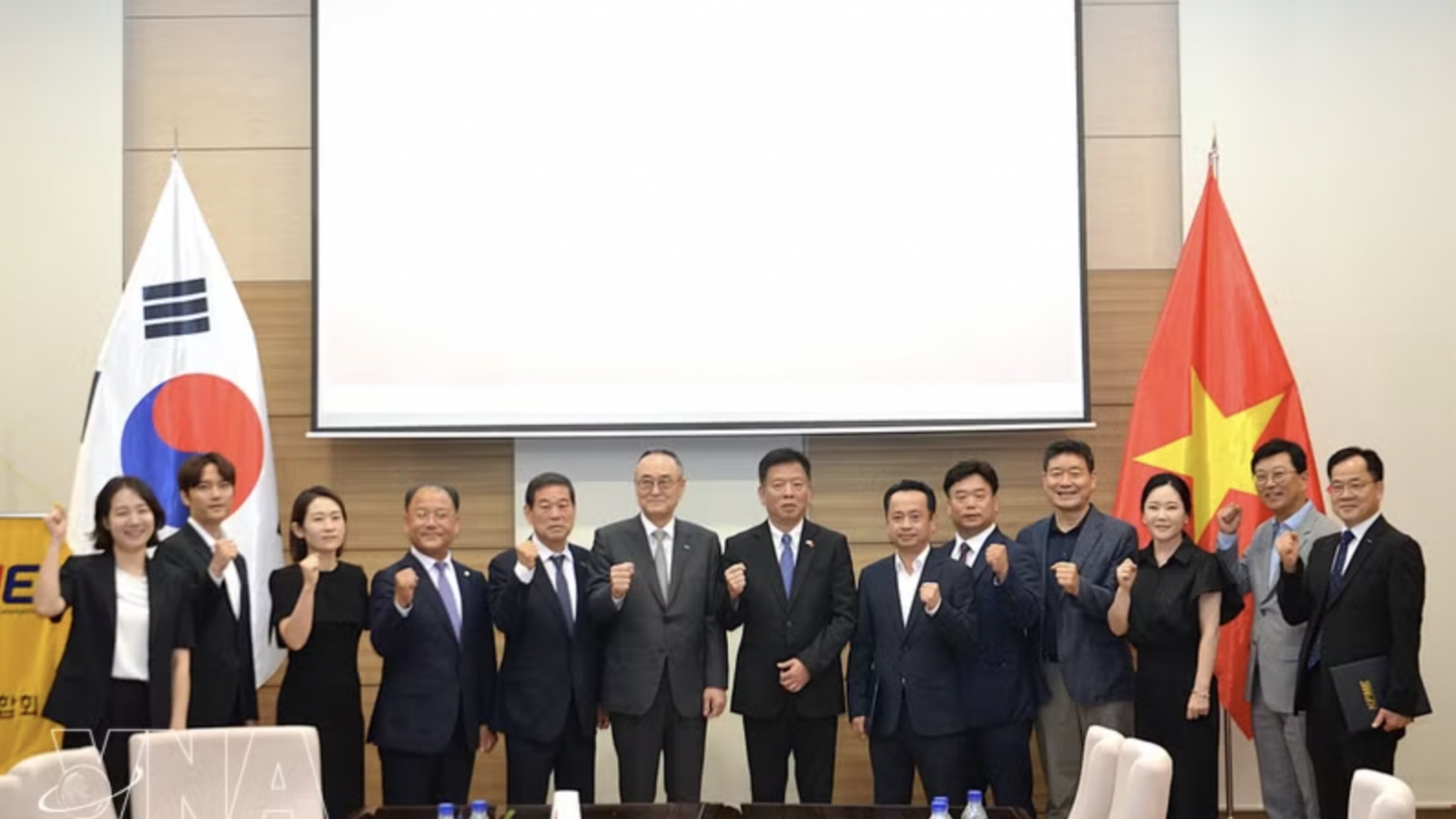
VOV.VN - The international financial centre being developed in Ho Chi Minh City is expected to create new opportunities for financial cooperation between Vietnam and the Republic of Korea (RoK), participants heard at the Vietnam-RoK Financial Cooperation Forum held in Ho Chi Minh City on July 13.
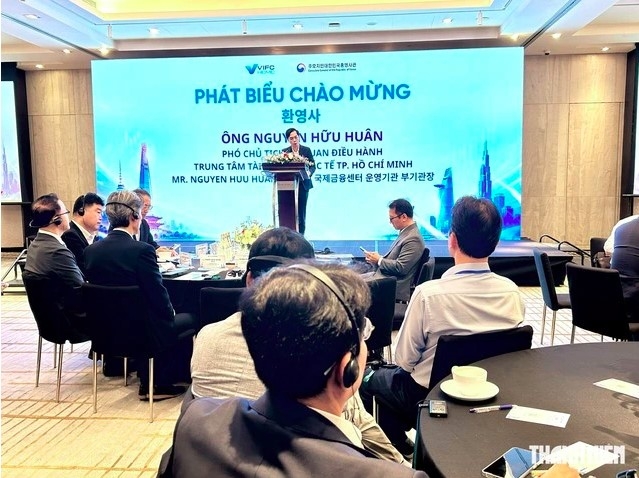
Speaking at the forum, Lee Young Jick, Director of the Korea-ASEAN Financial Cooperation Centre, praised Vietnam's timely fiscal policies for helping the economy maintain sustainable growth, preserve its export momentum and attract stable foreign direct investment (FDI).
He said Korean investors were particularly impressed by Vietnam's rise as a strategic link in high-tech manufacturing supply chains, especially in semiconductors and digital transformation. The trend is offering a wealth of opportunities for more RoK companies to invest in Vietnam while enabling Vietnamese businesses to participate more deeply in global supply chains.
According to Associate Professor Dr Nguyen Huu Huan, Vice Chairman of the Executive Board of the Vietnam International Financial Centre in Ho Chi Minh City (VIFC-HCMC), the centre is prioritising asset and fund management, capital markets and international bonds, green finance, digital finance and financial technology (fintech), cross-border payments, aviation finance and maritime finance.
He proposed five priority areas for practical cooperation between the two countries: attracting banks, securities firms, fund management companies and institutional investors from the RoK; developing international currency-denominated financing channels for Vietnamese businesses and infrastructure projects, including green bonds, sustainability bonds and investment funds; connecting payment systems and expanding cross-border QR payments; promoting cooperation in financial technology (fintech) and artificial intelligence (AI); and developing a highly skilled workforce.
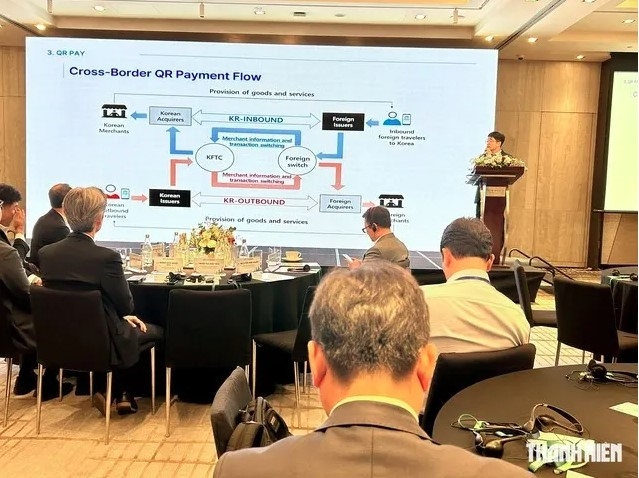
One of the forum's highlights was discussion of direct interoperability between the two countries' QR payment systems and the non-performing loan (NPL) market. Building on an agreement signed between the Korea Financial Telecommunications and Clearings Institute (KFTC) and the National Payment Corporation of Vietnam (NAPAS) in late April, the technology would allow users to make overseas payments directly through their domestic payment applications, reducing reliance on currency exchange while creating more opportunities for fintech companies.
Representatives of the Korea Asset Management Corporation (KAMCO) shared the RoK’s experience in developing a market where distressed assets can be traded and resolved efficiently. They said Vietnam needs to establish a functioning non-performing loan (NPL) market that will allow non-performing loans to become tradable assets.
Vietnam already has a legal framework for handling non-performing loans, together with key institutions such as the Vietnam Asset Management Company (VAMC) and the Debt and Asset Trading Corporation (DATC). However, the market has yet to become operational because of a lack of connectivity, non-standardised data, difficulties in valuing distressed assets and lengthy debt resolution procedures. As a result, assets are available but transactions have yet to materialize.
According to KAMCO representatives, Vietnam should develop a comprehensive non-performing loan ecosystem and simplify debt resolution procedures to reduce reliance on court processes, which often discourage investors because of lengthy processing times. They also recommended introducing clear and consistent standards for debt recovery, auctions and debt transfers, while shifting non-performing loan resolution towards market-based mechanisms, including allowing debt-backed assets to be auctioned without court proceedings.
In addition, the country needs to broaden its investor base and make greater use of financial products to attract more diverse sources of capital, while establishing an integrated data centre to improve market liquidity. These measures will help attract more investors and capital to Vietnam, they emphasized.
RoK picks Vietnam as K-Food logistics hub for ASEAN expansion
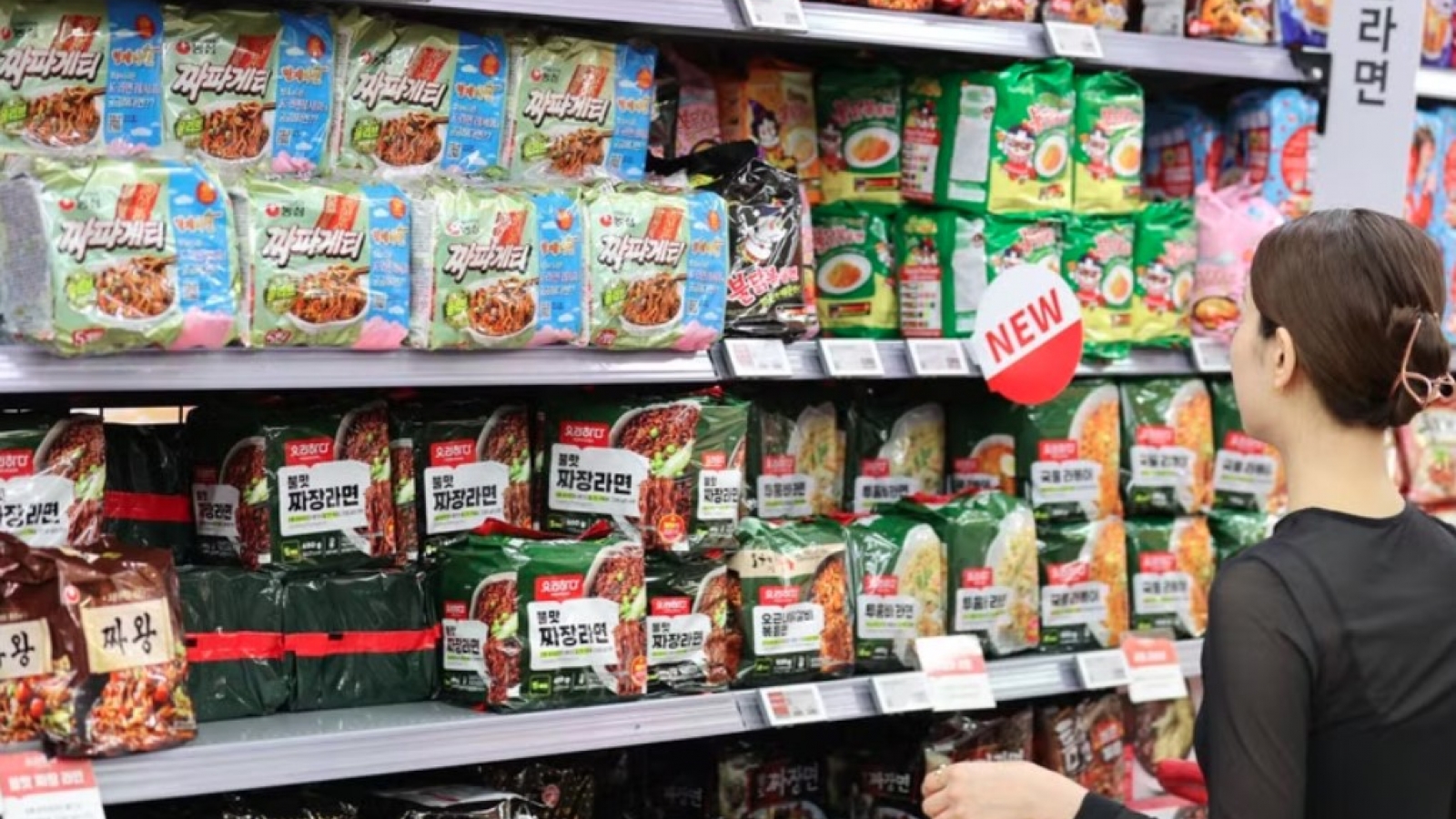
The Republic of Korea (RoK) has selected Vietnam as a strategic hub for expanding its logistics, distribution and supply chain network for Korean food (K-Food) across the Association of Southeast Asian Nations (ASEAN).

RoK launches programme to help startups expand into Vietnam
VOV.VN - The Republic of Korean (RoK) startup company CNT Tech announced on June 23 that it has begun recruiting participants for its “Bridge to Vietnam” programme, an initiative designed to help Korean startups expand into overseas markets.