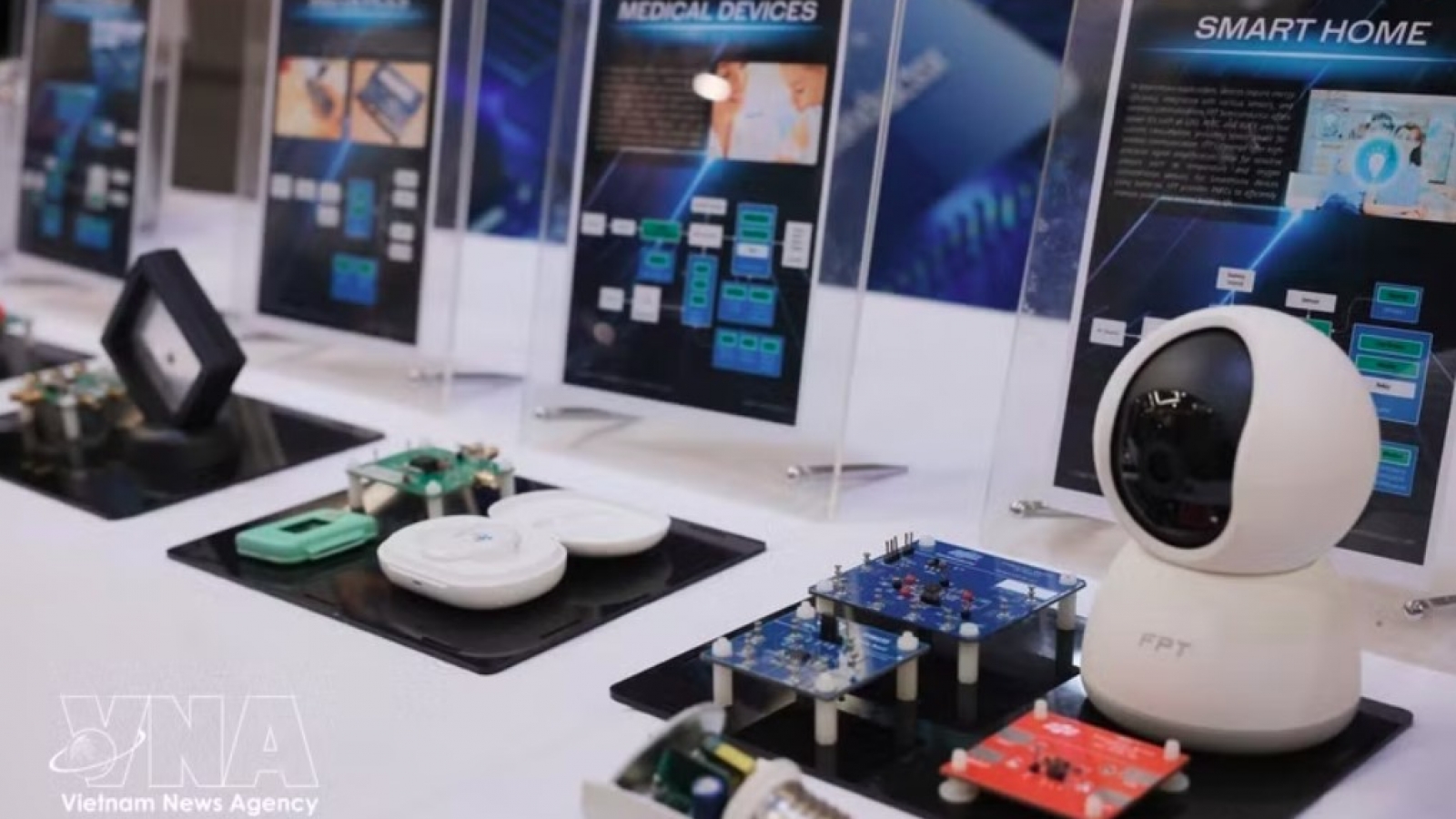
Smart agriculture holds strong potential for Vietnam-RoK cooperation

VOV.VN - The Republic of Korea (RoK) is shifting strongly toward high-tech agriculture, with smart agriculture identified as a new growth driver for the sector.
According to Professor Vu Phong Lam, a Research Professor at the Greenhouse Environment Laboratory, Department of Horticultural Science, College of Agriculture and Life Sciences, Chungnam National University, Vietnam can draw valuable lessons from the RoK's smart agriculture development model.
Professor Vu Phong Lam stated that after 10 years of research and working in the RoK, one key takeaway for Vietnam is how the East Asian nation builds a smart agriculture ecosystem characterized by close ties among the government, universities, research institutes, technology enterprises, and farmers. New technologies are typically researched and tested on specific models before being refined and transferred to actual production. This approach helps shorten the gap between research and application while ensuring technologies better meet the practical needs of producers.
Another notable point is the use of data in production management. On smart farms, factors such as temperature, humidity, lighting, CO₂ concentration, nutrition, and crop growth status are continuously monitored via sensor systems. The collected data not only helps producers adjust cultivation environments more precisely but also creates a foundation for applying artificial intelligence (AI) in growth forecasting, yield prediction, early pest detection, and production process optimization.
The RoK also places strong emphasis on human resource training and the construction of demonstration models, allowing farmers to directly access, experience, and evaluate technological efficiency prior to investment.
However, Professor Vu Phong Lam noted that Vietnam does not necessarily need to replicate the RoK's model entirely. The crucial factor is selecting and adjusting technologies to fit Vietnam's climatic conditions, crop varieties, production scales, and farmers' investment capacities. During the initial stage, priority should be given to cost-effective solutions that are easy to operate and scalable. Ultimately, the effectiveness of smart agriculture must be reflected in reduced production costs, water and agricultural material savings, stable agricultural product quality, and higher incomes for producers.
Assessing the prospects of the RoK's high-tech agriculture sector, Lam said that the field holds huge potential and will continue to grow strongly. The RoK faces challenges such as limited agricultural land, labor shortages, a rural aging population, and the increasingly pronounced impacts of climate change. In this context, deploying automation and smart technologies has become a vital solution to maintain production capacity and enhance agricultural efficiency.
According to Professor Vu Phong Lam, moving forward, artificial intelligence, big data, sensors, robotics, and machine learning will be increasingly integrated into smart greenhouses, vertical farms, and plant factories.
These systems perform monitoring functions alongside data analysis, crop growth forecasting, early pest detection, and environmental adjustments based on crop requirements.
Professor Vu Phong Lam added that another key trend is shifting from a sole focus on yield to simultaneously improving resource efficiency and agricultural quality. Current research increasingly prioritizes water conservation, efficient fertilizer use, reduced pesticide application, enhanced nutritional value, and lower environmental impact. Nevertheless, initial investment costs and energy consumption remain major challenges, particularly for indoor production systems reliant on extensive lighting and climate control equipment. Consequently, the sector's prospects depend not only on technological sophistication but also on the ability to reduce costs, save energy, and develop solutions suited to small and medium-sized farms.
Regarding cooperation potential between Vietnam and the RoK in high-tech agriculture, Lam noted that the two countries enjoy favorable conditions to strengthen ties, as their strengths complement each other. The RoK excels in sensor technology, automation, AI, greenhouse equipment, post-harvest technology, and production management systems. Meanwhile, Vietnam boasts diverse climatic conditions, rich crop resources, and a workforce and agricultural market with substantial growth potential.
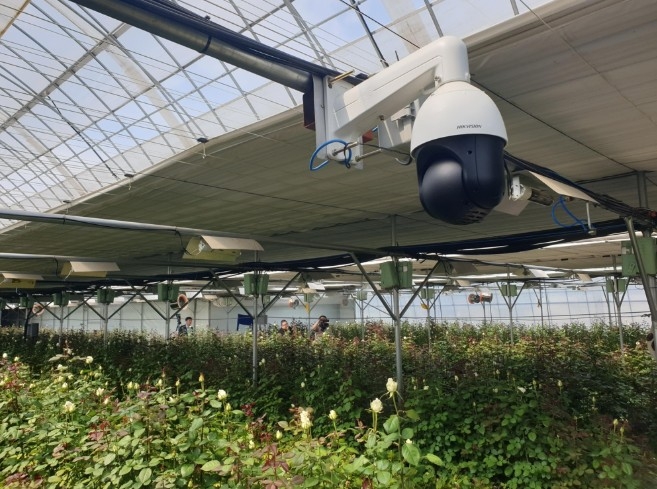
Both nations can step up cooperation in researching and developing smart greenhouse models suited to Vietnam's climate, hydroponic systems, precision nutrition management, controlled-environment crop production, and post-harvest preservation technology. AI and machine learning also open up opportunities for cooperation in yield forecasting, image-based pest detection, and production decision support.
In addition to farming technology, the professor emphasized that breeding climate-resilient crop varieties, improving agricultural quality and value, and developing post-harvest technologies are areas with long-term bilateral potential.
Professor Vu Phong Lam went on to say that cooperation should extend beyond Vietnam merely importing equipment or receiving technology from the RoK. Both sides must jointly research, test, and adapt technologies to local climatic conditions, crops, and production scales across different regions in Vietnam. Additionally, it is essential to incease scientific exchanges, train young engineers and researchers, build joint research projects, and promote connections among universities, research institutes, enterprises, and producers from both countries.
Professor Vu Phong Lam expressed confidence that by combining the RoK's technological capacity and management experience with Vietnam's production conditions, crop resources, and market potential, the two nations can jointly develop smart agriculture models that are both modern and practical, thereby raising agricultural value and bringing real benefits to farmers.
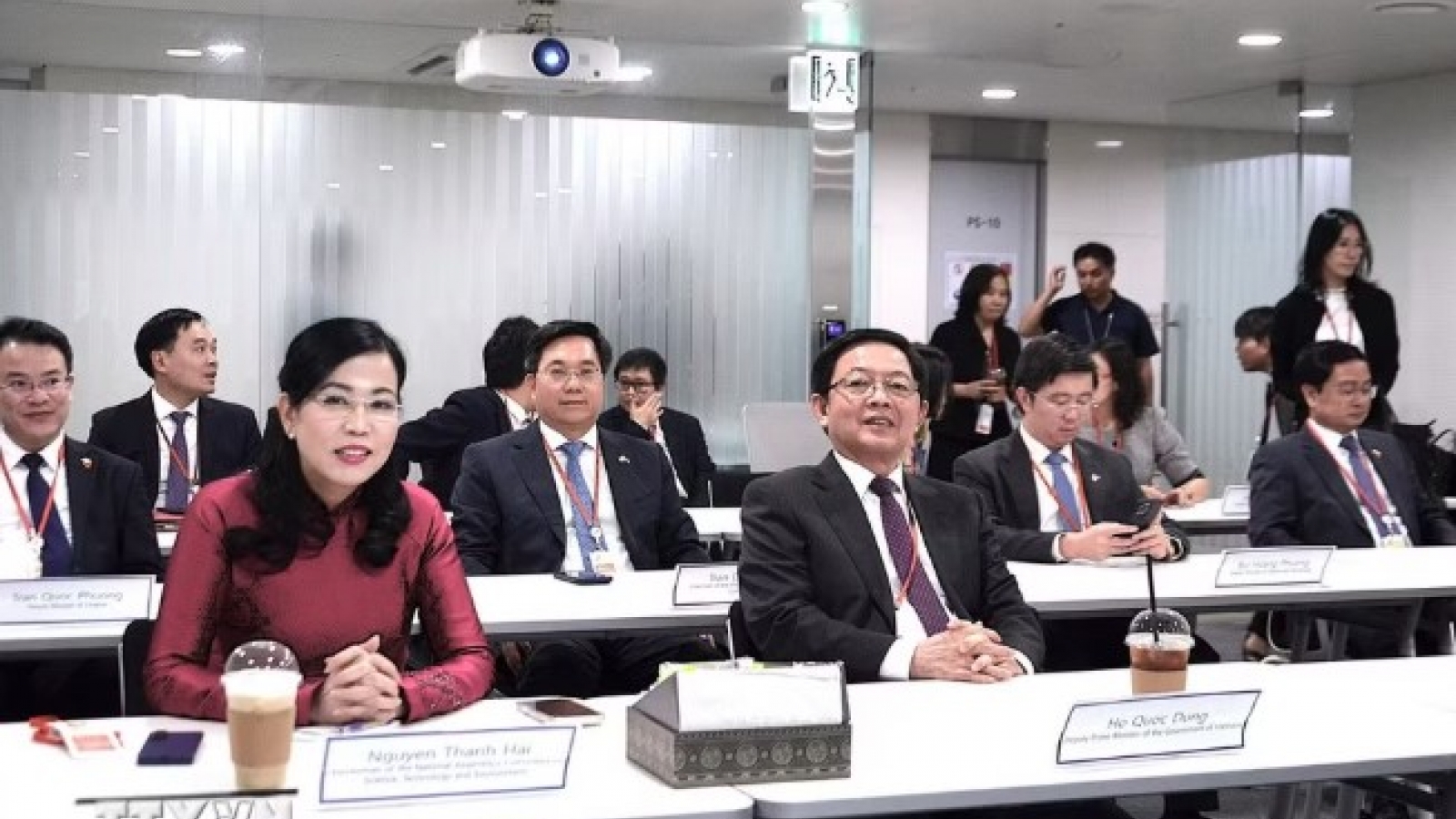
Vietnam, RoK step up high-tech cooperation as Deputy PM visits SK’s AI data center
VOV.VN - Deputy Prime Minister Ho Quoc Dung visited Haein GPU Center operated by SK Group's SK Telecom in Seoul on September 7, exploring high-tech and artificial intelligence cooperation as part of the official visit to the Republic of Korea by National Assembly President Tran Thanh Man and his delegation.
Vietnam, RoK seek to expand trade cooperation
Vietnam and the Republic of Korea (RoK) have become major economic partners since they established diplomatic relations in 1992, with bilateral trade and investment continuing to grow.