HCM City industrial parks attract US$2.6 billion in H1 investment

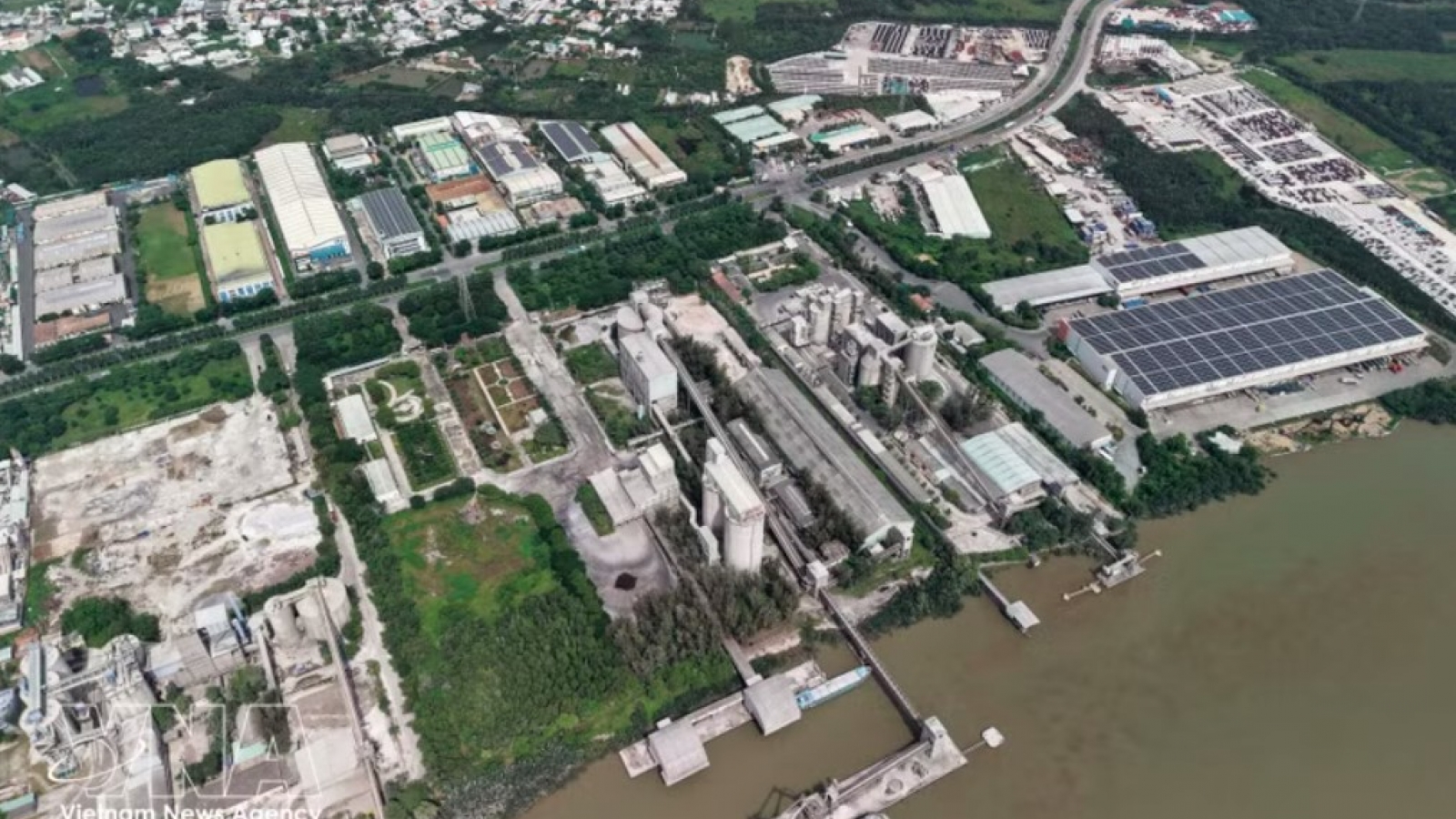
VOV.VN - Ho Chi Minh City's export processing zones (EPZs) and industrial parks (IPs) attracted more than US$2.61 billion in investment in the first six months of 2026, with significant inflows coming from high-tech companies, particularly in the semiconductor sector.
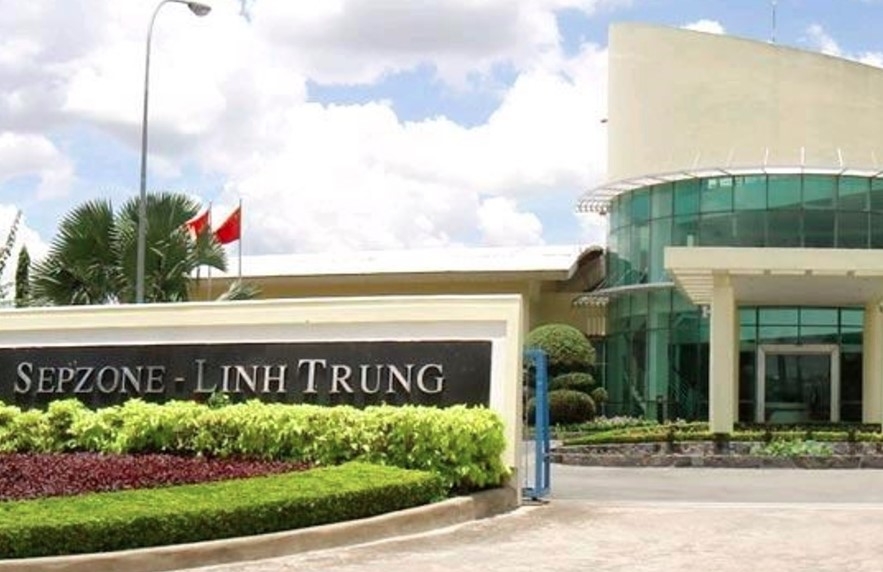
According to the Management Board of Ho Chi Minh City Export Processing and Industrial Zones (HEPZA), the figure represents 61.4% of the city's 2026 investment target of US$4.25 billion.
Foreign direct investment (FDI) accounted for US$1.57 billion, including 65 newly registered projects with total capital of US$867.4 million and 83 existing projects that increased their investment by more than US$707 million.
Domestic investment attracted by the EPZs and IPs reached nearly VND26.95 trillion (more than US$1 billion), including 57 newly registered projects worth nearly VND8.94 trillion and 34 expansion projects totaling more than VND18 trillion.
In recent years, many companies operating in the city's EPZs and IPs have moved further up the high-tech value chain, particularly in the semiconductor sector.
Several firms are now engaged in integrated circuit research and design, hardware and software development, as well as the production of semiconductor equipment and components, including Renesas Design Vietnam, Ampere Computing Vietnam, Mtex Vietnam, Marvell Technology Vietnam and Kamet Vietnam.
In the coming years, Ho Chi Minh City plans to prioritise investment in industries with high technological content and greater added value, such as electronics, semiconductors, artificial intelligence, big data, blockchain, biotechnology, advanced materials, environmental industries, renewable energy and supporting industries.
At the same time, the city is accelerating the transformation of its industrial park system into a greener, smarter and more innovation-driven model.
Under its new development strategy, the city aims to move away from a growth model based on low-cost labour and resource-intensive industries toward one driven by science and technology, innovation, the digital economy, the green economy, and the circular economy.
The former Ho Chi Minh City area will serve as a hub for research and development (R&D), innovation, high technology, artificial intelligence, data centres, finance, and services. The former Binh Duong area will leverage its strengths in large-scale industrial manufacturing and supporting industries, while the former Ba Ria–Vung Tau area will focus on the marine economy, logistics, deep-water ports, and free trade zones.
Following the administrative merger with the former provinces of Binh Duong and Ba Ria-Vung Tau in July 2025, Ho Chi Minh City is positioning itself as a mega city and a new growth engine for southern Vietnam.
Consular community praises HCM City's environment for international cooperation
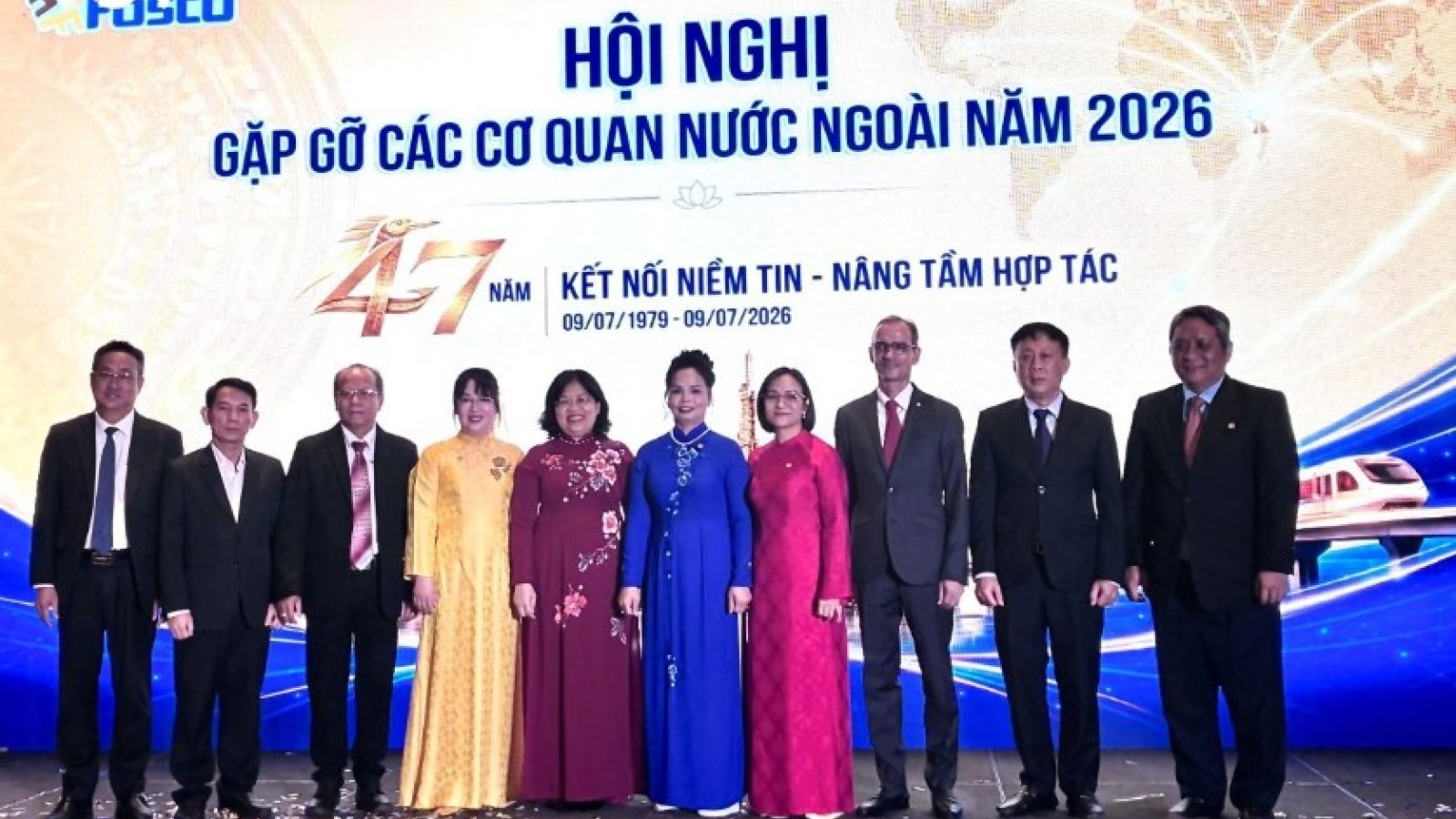
VOV.VN - The consular community has hailed Ho Chi Minh City's efforts to promote a favourable environment for foreign diplomatic missions, international organisations and businesses, highlighting the city's commitment to international cooperation and integration.