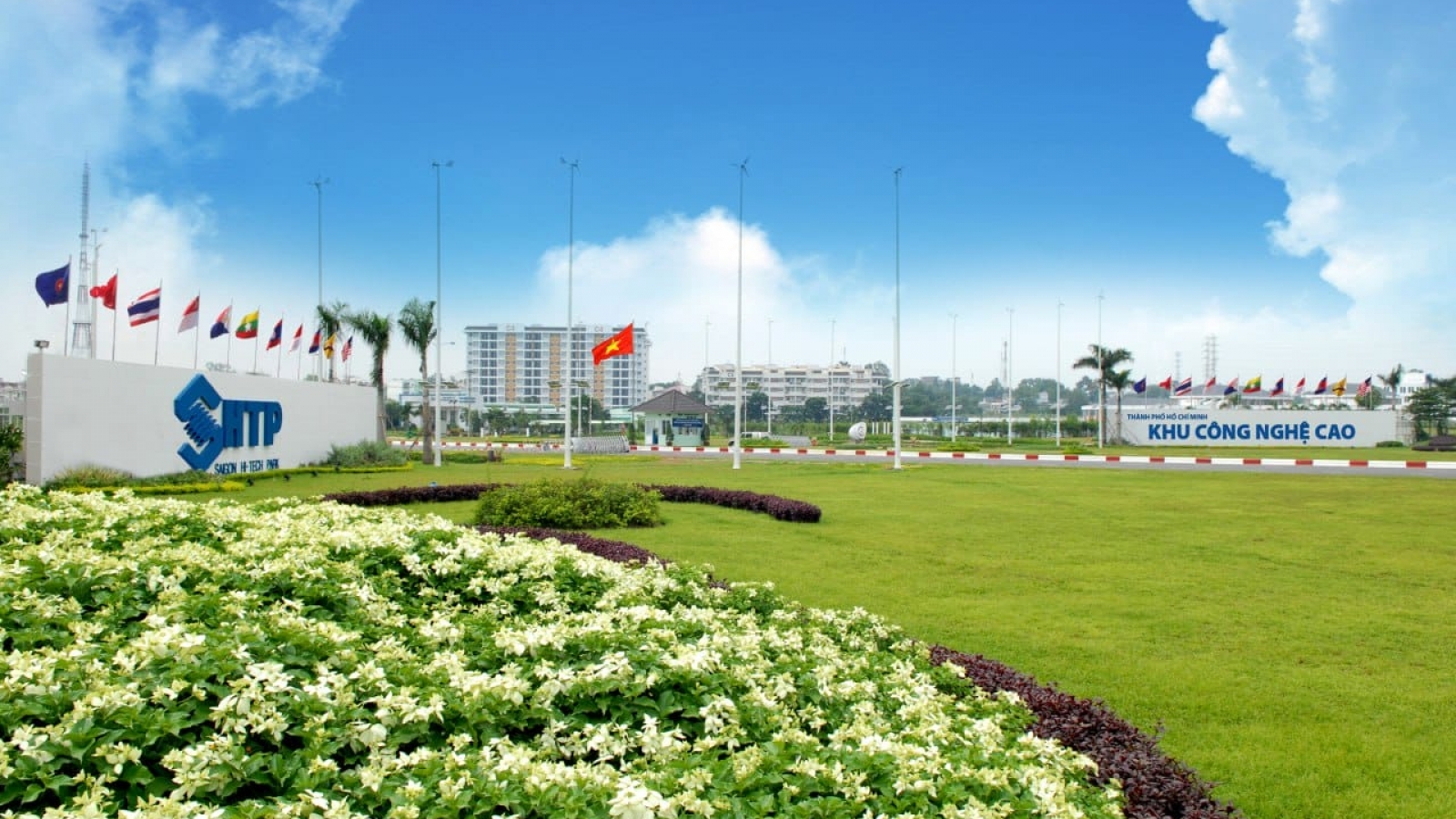
HCM City: Industrial, export processing zones attract over US$2.6 bln in H1

Export processing zones (EPZs) and industrial parks (IPs) in Ho Chi Minh City attracted more than US$2.6 billion in investment in the first half of the year, equivalent to over 61% of the city's full-year target, with new projects increasingly focusing on high technology, digital transformation and green development.
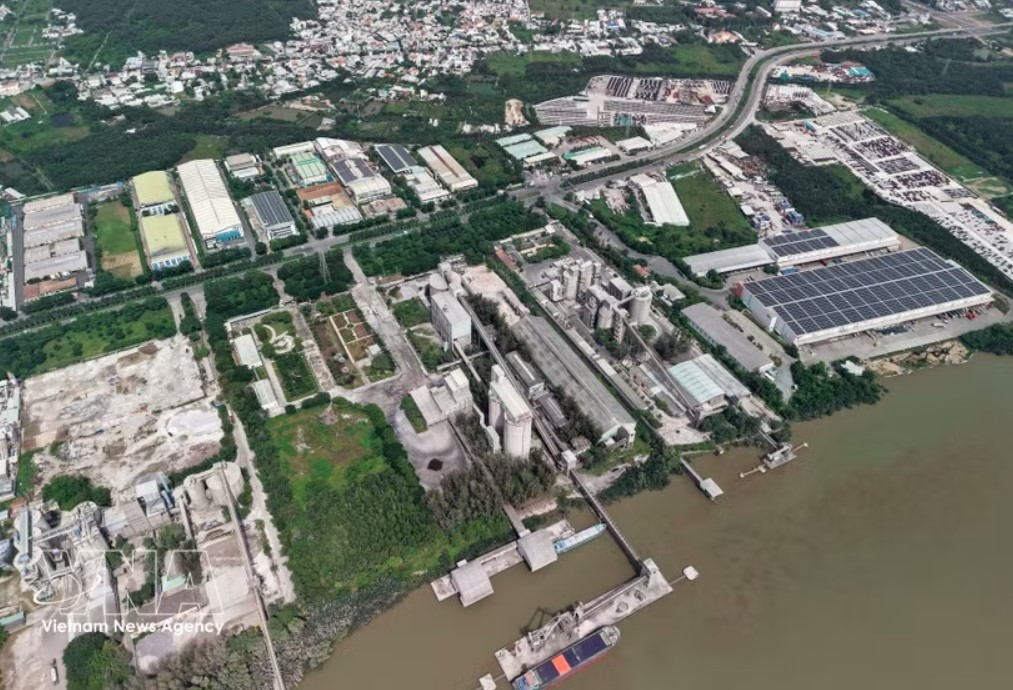
Addressing the city's regular socio-economic press briefing on July 9, Deputy Head of the Ho Chi Minh City Export Processing and Industrial Zones Authority (HEPZA) Tran Viet Ha said that foreign direct investment (FDI) accounted for nearly US$1.6 billion of the total, including 65 newly licensed projects worth more than US$867 million and 83 existing projects that added over US$707 million in registered capital.
Domestic investment exceeded US$1 billion, calculated at an exchange rate of VND26,000 to the US dollar. The total came from 57 newly registered projects and 34 capital expansion projects.
Ha said the strong inflows reflected the southern metropolis' continued attractiveness to investors despite intensifying competition for investment among localities in Vietnam and across the region.
Alongside investment promotion, the city is implementing a long-term strategy to transform its EPZs and IPs into modern, specialised, green and smart industrial hubs.
Existing industrial parks will be reviewed and gradually restructured to improve land-use efficiency, increase technological content and reduce reliance on labour-intensive and resource-intensive industries.
At the same time, the city plans to develop new models, including high-tech, ecological, smart and specialised industrial parks, as well as logistics-linked industrial zones, concentrated digital technology parks and integrated industrial-urban-service complexes.
Under the development plan, the Ho Chi Minh City area will serve as a centre for research and development (R&D), innovation, education and training, high technology, artificial intelligence (AI), data centres, finance and advanced services. Meanwhile, the Binh Duong area will continue to focus on large-scale manufacturing, supporting industries and high-tech production, while the Ba Ria–Vung Tau area will specialise in the marine economy, deep-water port-based industries, logistics, the oil and gas sector and a planned free trade zone.
The city's industrial ecosystem has also become increasingly integrated into the global semiconductor value chain. Several enterprises operating in EPZs and IPs are already engaged in semiconductor research, integrated circuit design, hardware and software development, as well as the production of equipment and components.
These include Renesas Design Vietnam Co., Ltd., Ampere Computing Vietnam Co., Ltd., Mtex (Vietnam) Co., Ltd., Marvell Technology Vietnam Co., Ltd. and Kamet Vietnam Co., Ltd., providing a solid foundation for attracting more high-value and technology-intensive investment projects in the future.
According to Ha, the city's long-term objective is to shift from a growth model based on low-cost labour and natural resources to one driven by science, technology, innovation, the digital economy, the green economy and the circular economy.
HCM City launches AI platform to streamline investment promotion
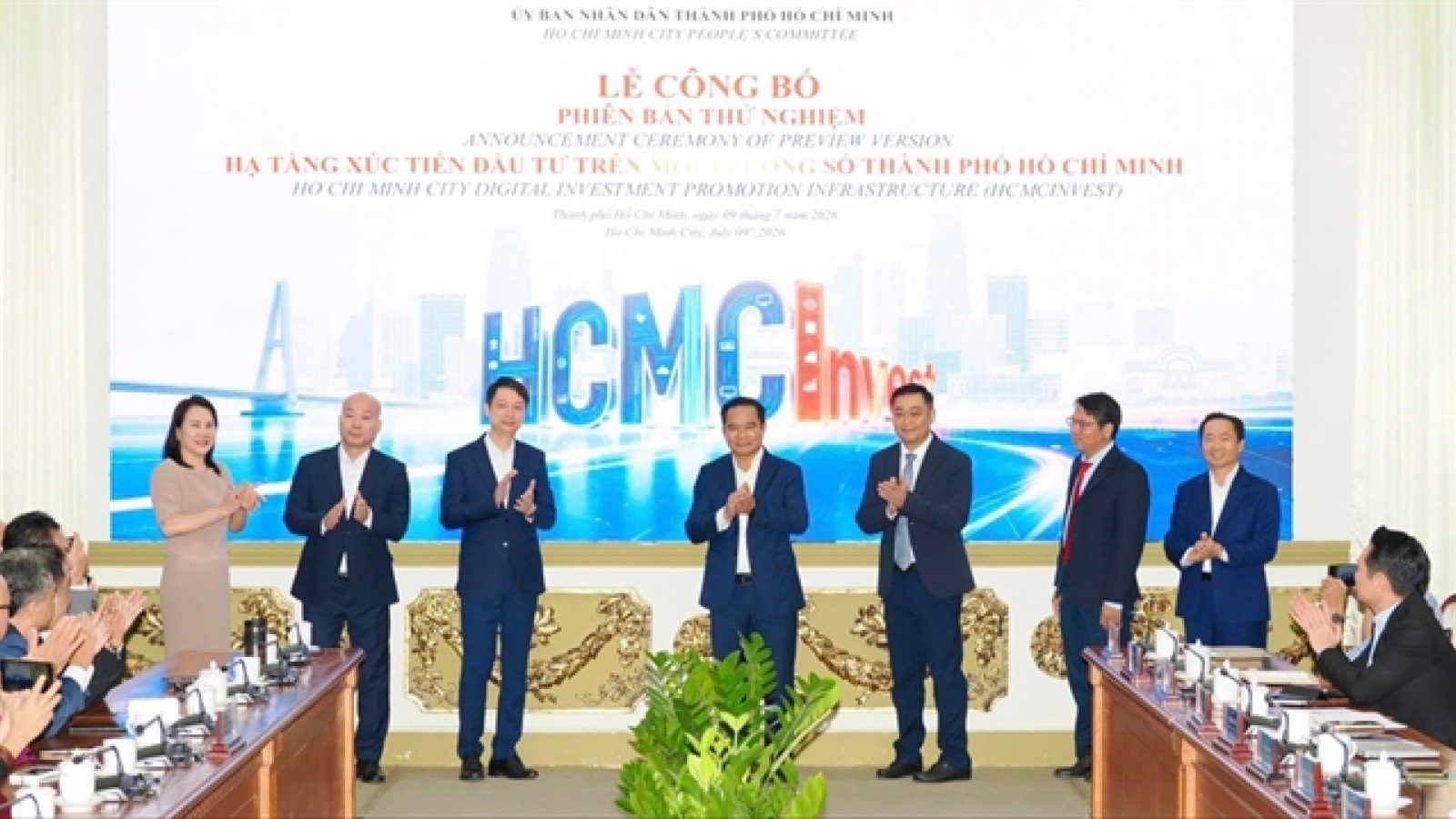
HCM City on July 9 launched a trial version of an artificial intelligence-powered investment promotion platform that allows businesses to search projects, connect with government agencies and access investment information online, as Vietnam's largest economic hub aims to attract investment through digital services.