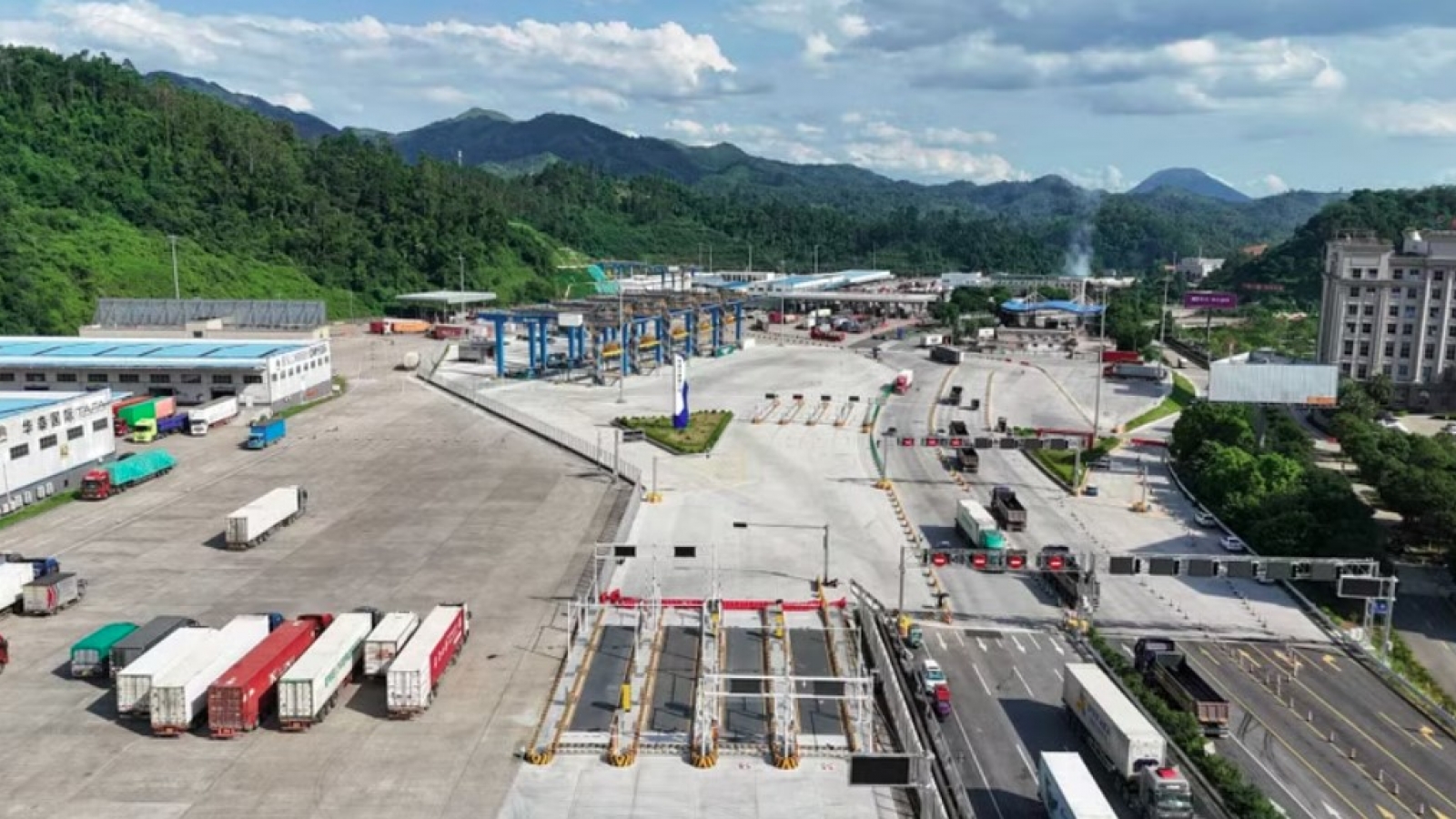
China, Vietnam exhibit high complementarity in semiconductor supply chain cooperation

VOV.VN - Supply chain investment cooperation between Vietnam and China in the semiconductor industry is highly complementary and currently transitioning from discussion to implementation, according to Gao Jinlong, Chief Engineer at China’s Silk Road Industrial Internet Promotion Center (CPIIS).

(Illustrative photo: VGP)
In a recent interview with the press in Beijing, Gao noted that in high-demand industrial sectors such as full production processes, advanced packaging, and third-generation semiconductors, the mutual complementarity between China and ASEAN members, particularly Vietnam, in Outsourced Semiconductor Assembly and Test (OSAT), material supply, and application development has become increasingly prominent.
Gao emphasized that high-level consensus between the two nations' leaders has provided a solid political foundation for this partnership. During the state visit to Vietnam by Party General Secretary and President of China Xi Jinping in April 2025, both sides issued a Joint Statement agreeing to make scientific and technological cooperation a new highlight, while exploring opportunities in artificial intelligence (AI), semiconductors, and nuclear energy.
In April 2026, during the state visit to China by Party General Secretary and President To Lam, the two countries elevated cooperation from 'research and development' to 'actively promoting cooperation' in smart manufacturing, digital economy, AI, quantum technology, semiconductors, and high-speed railways.
They also agreed to jointly build safe and stable industrial and supply chains toward establishing a dedicated supply chain cooperation working group.
Regarding human resource development, the 2026 Joint Statement proposed joint research in AI, health, clean energy, and digital technology, while expanding scientific and cultural exchanges between young researchers and industrial personnel.
Gao pointed out that with its draft semiconductor industry development strategy and the goal of becoming a global OSAT hub by 2030, Vietnam has designated semiconductors as a national strategic priority. Meanwhile, China possesses world-leading OSAT industrial capabilities with major global firms such as JCET and Tongfu Microelectronics.
Vietnam offers cost advantages and a rapidly growing engineering workforce, whereas China boasts mature technological systems and large-scale industrial experience. The supply chain working group mechanism established in 2026 provides institutional guarantees for bilateral investment and enterprise cooperation in this field.
Additionally, the joint statement opened avenues for cooperation in semiconductor raw materials, proposing joint research on critical minerals within each country's legal frameworks. Combining Vietnam's resource advantages in critical minerals like rare earths with China's processing capabilities is expected to create a comprehensive cooperation model from raw materials to finished products.
Gao concluded that the strong political consensus, clear complementary advantages, and practical institutional support have significantly strengthened bilateral goodwill and clarified the roadmap for Vietnam-China semiconductor cooperation within a single year.
This has created favorable conditions for high-level institutional design and guarantees, enabling businesses, research institutes, and social organizations in both countries to implement practical cooperation.
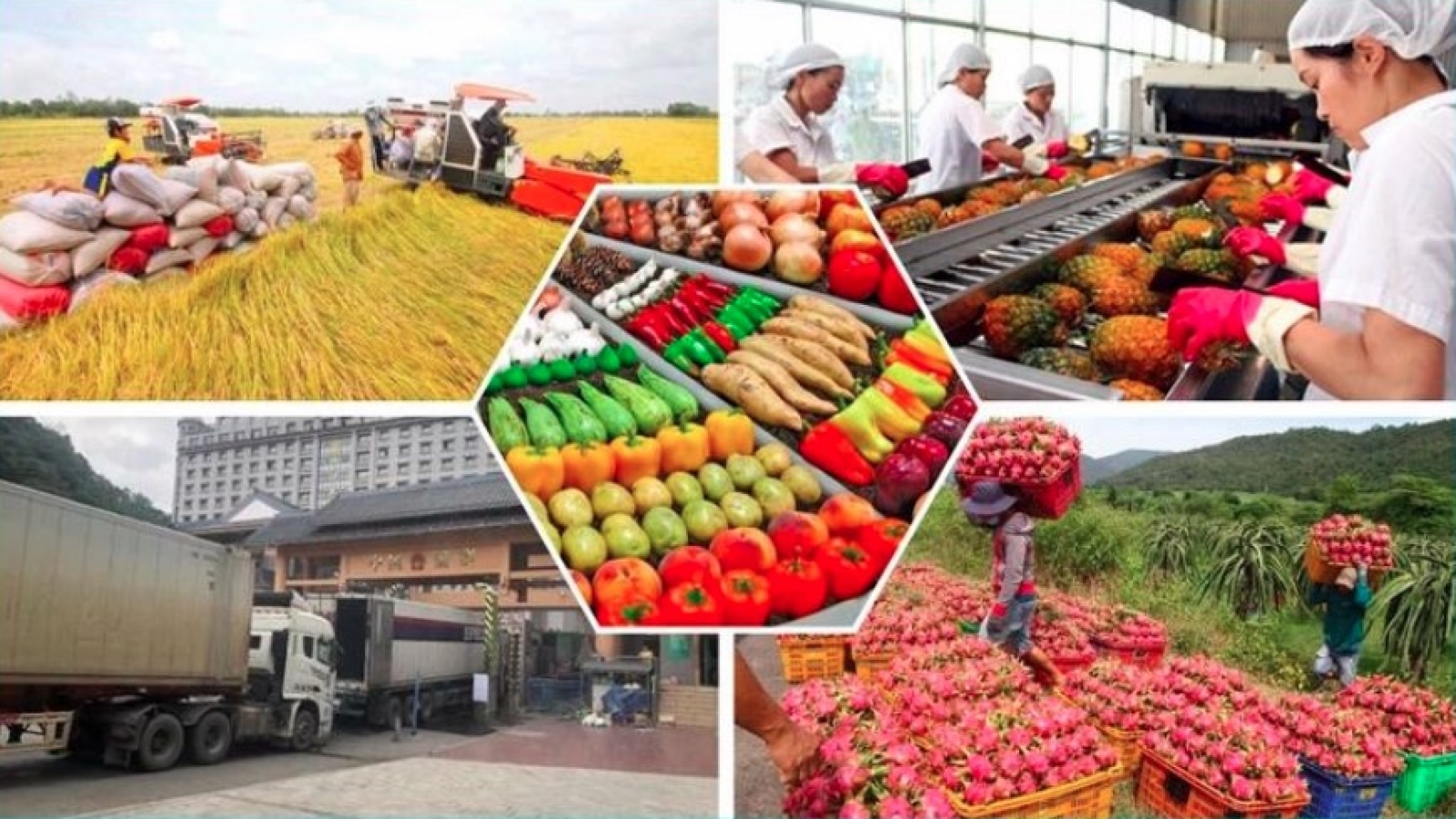
Vietnam, China expand connectivity to generate growth drivers
VOV.VN -Vietnam and China are expanding cooperation across multiple fields, from trade, investment, and infrastructure connectivity to agricultural exports, which, according to Vietnamese Ambassador to China Pham Thanh Binh, serve as vital engines promoting growth and national development.

China sharply increases imports of Vietnamese coffee in first half
VOV.VN - Vietnam's coffee exports to China rose sharply in the first half of 2026, with both export volume and value rising strongly from a year earlier.