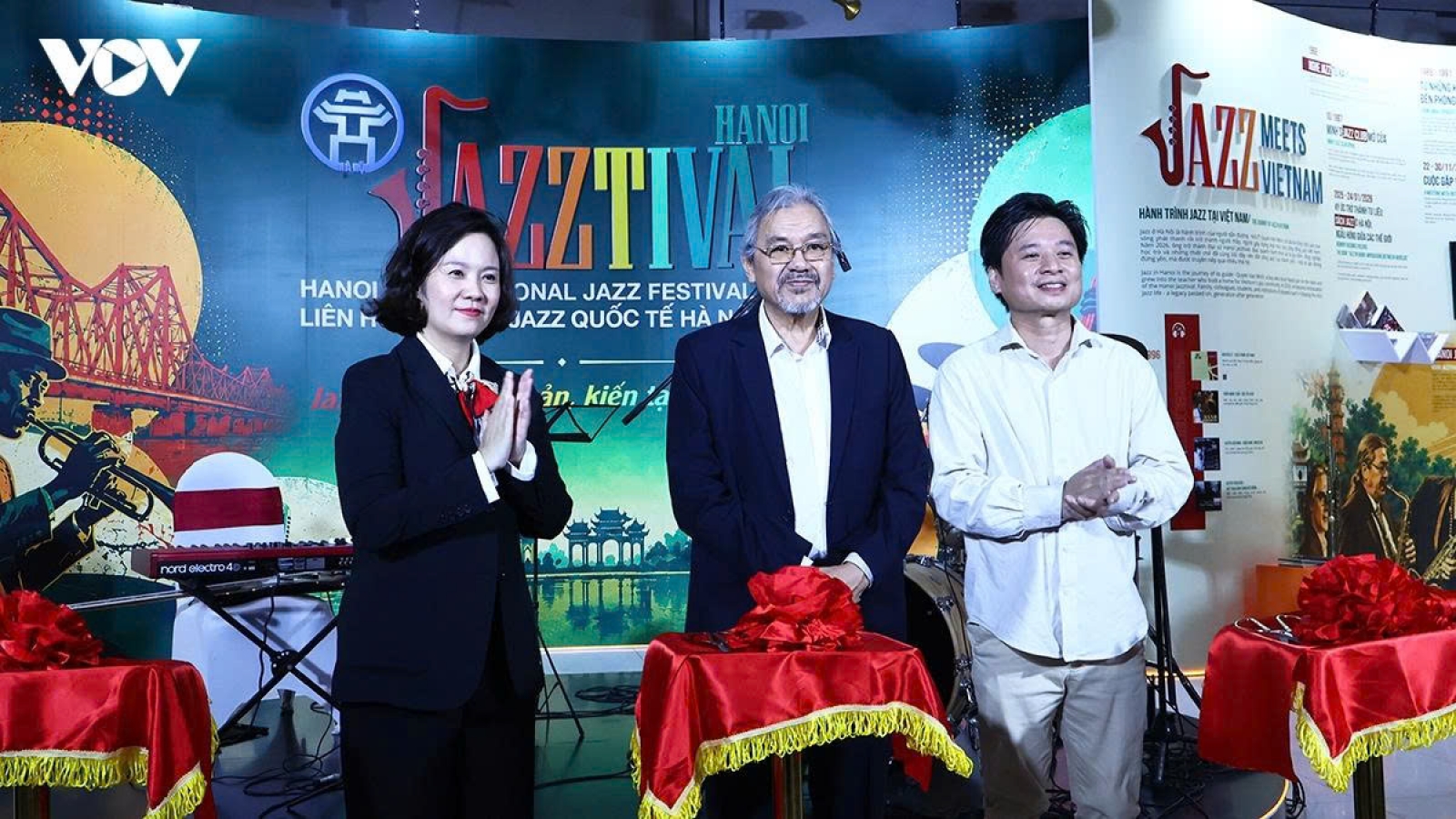
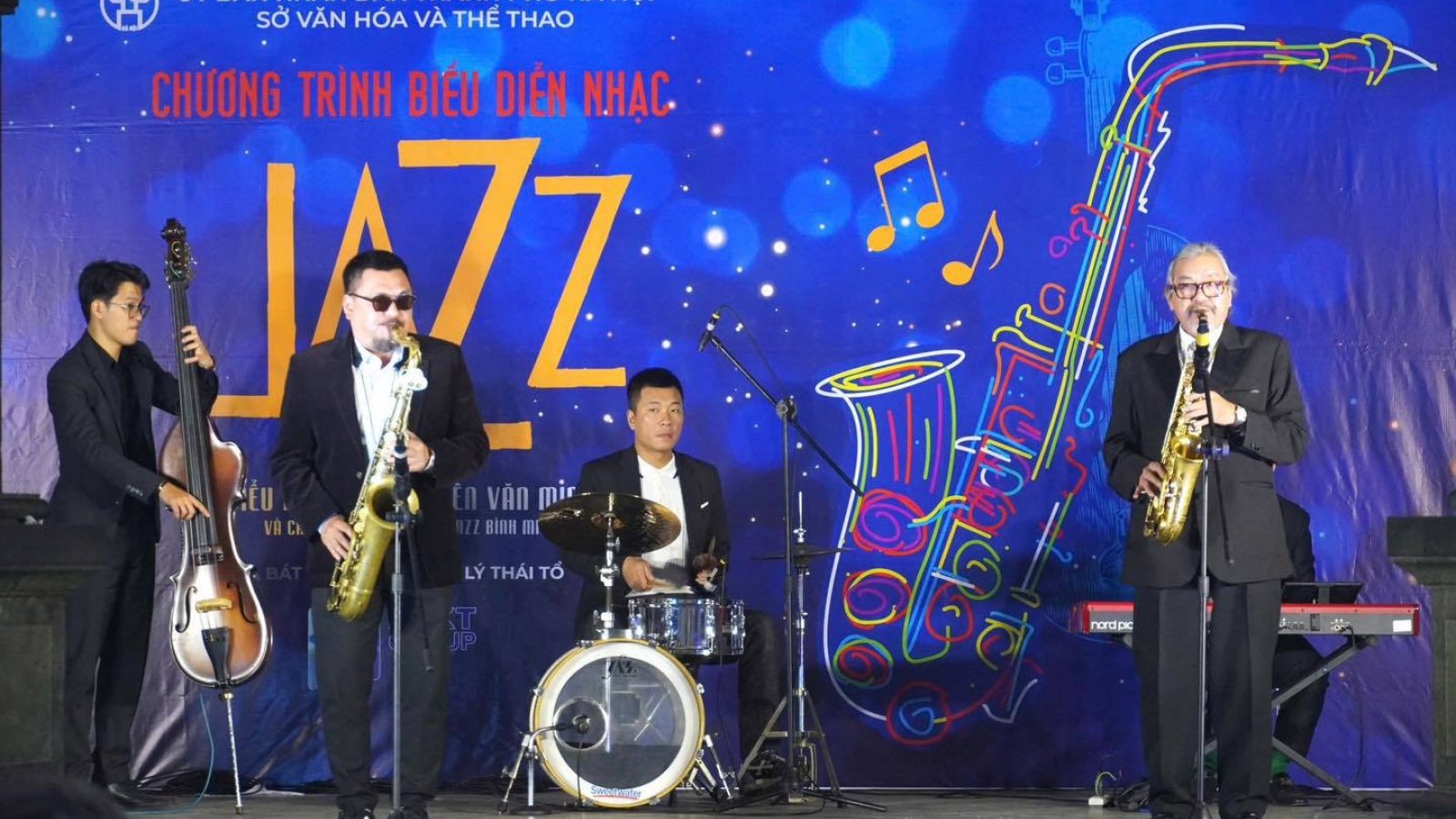
Hanoi Jazztival 2026 takes jazz to capital city streets

VOV.VN - Hanoi Jazztival 2026 is taking jazz beyond traditional performance venues, bringing free open-air shows to Hoan Kiem Lake at the heart of the capital city and creating new encounters between jazz and Vietnamese traditional music.
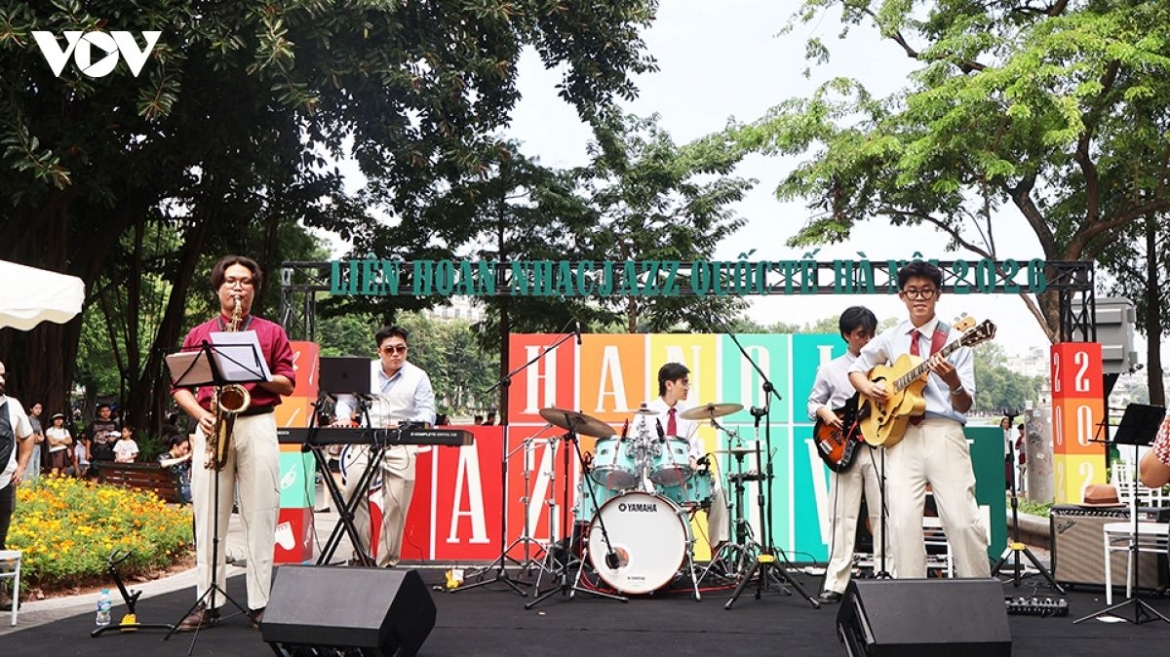
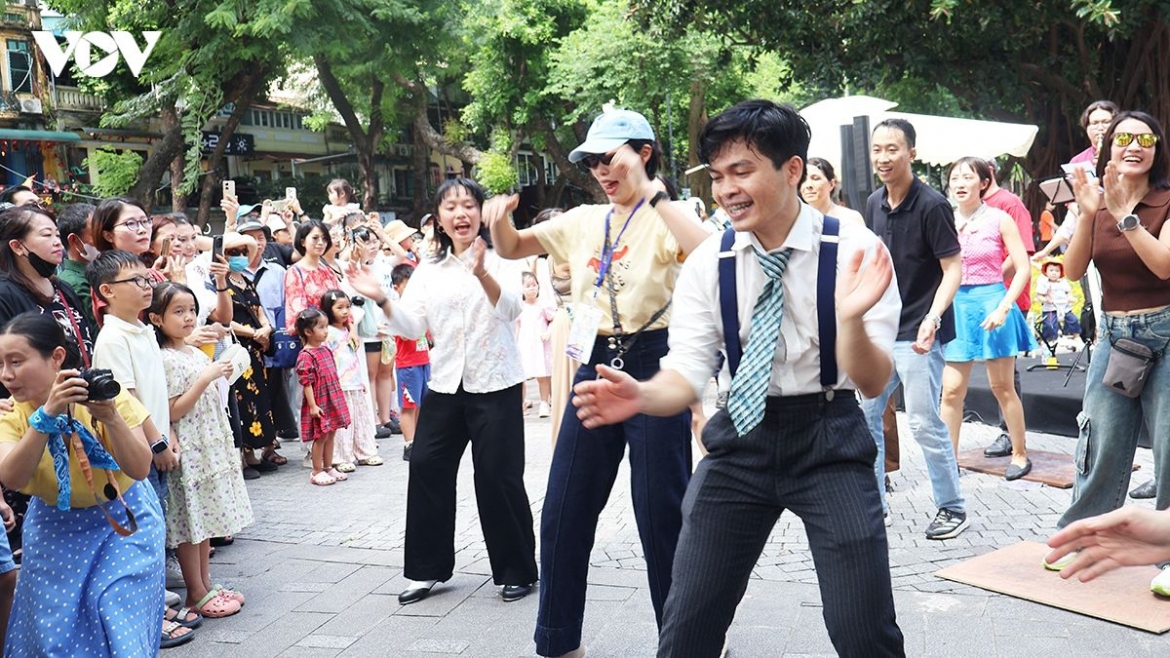
On September 19, the third day of Hanoi Jazztival 2026, the Trang Tien–Hoan Kiem pedestrian area was transformed into an open-air jazz stage, where residents and visitors could stop to listen, sing along, dance and immerse themselves in the music.
Under the message “Jazz for everyone”, the free Street Jazz programme brought sounds more commonly heard in dedicated concert venues into one of Hanoi’s most familiar public spaces.
Hanoing Jazz Band, young group Breezin’ Brothers and singer Thuy Bui delivered a series of energetic performances. The atmosphere became even more vibrant as members of the Hanoi Swing Dance community joined in with Lindy Hop, Shim Sham and tap dance.
Residents and visitors did not simply watch from the sidelines but became part of the performance. Dancing, applause and spontaneous interaction between artists and audiences made jazz feel more accessible and connected to everyday street life.
Giao Tien, a member of Hanoi Swing Dance, said the format created a dynamic and welcoming environment in which jazz and dance could become activities that bring the community together in the pedestrian area.
She said bringing music and dance into public spaces also offered residents and visitors new ways to experience Hanoi.
When jazz enters a heritage setting
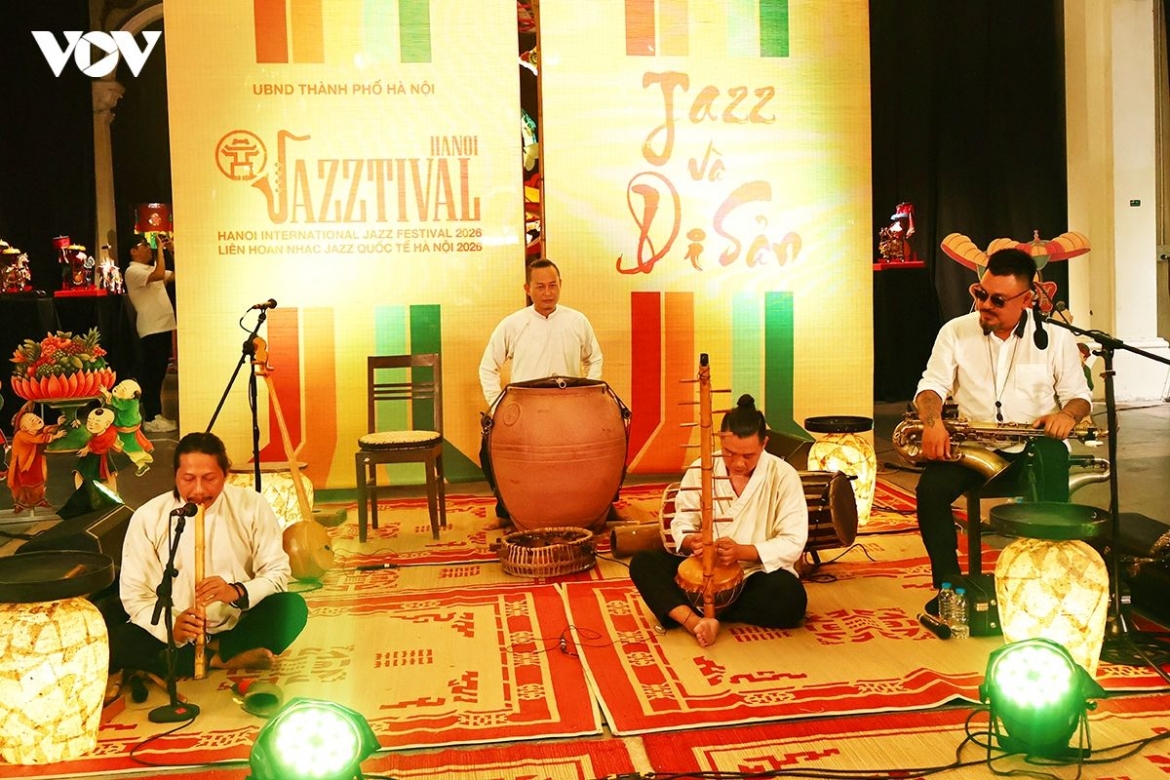
From the Hoan Kiem pedestrian area, the jazz story continued at the 22 Hang Buom Arts and Culture Centre with the “Jazz and Heritage” programme.
Through the mini-concert “Xuyen Khong”, saxophonist Quyen Thien Dac, Dan Do Band and artist Nguyen Duc Minh created an encounter between jazz and Vietnam’s traditional instruments and musical materials.
Saxophonist Dac said he chose to incorporate Vietnamese folk elements into his approach to the Western saxophone, seeking to bring out their local character as strongly as possible. In his view, Vietnam’s own musical materials give artists a distinctive identity when they engage with the wider jazz world.
During the performance, the sound of the saxophone blended with the đàn tính, Ede gongs, k’ni, Sona and instruments made from bamboo, earth and other locally sourced materials by Dan Do Band.
Artist Minh described “Xuyen Khong” as a journey through space and time, in which music takes people back to memories and brings them closer to heritage values.
Through works such as “Nen Ban”, “Do Day”, “La Do” and “Xuyen Khong”, traditional musical materials were not presented as static artefacts but became a foundation for the artists to experiment and create anew.
This approach also offers another way of bringing heritage closer to today's audiences, not simply by preserving and presenting it in its original form, but by allowing it to enter new conversations with contemporary music.
An open stage for jazz
One of the notable features of Hanoi Jazztival 2026 is the combination of two seemingly different settings: the pedestrian street, where large numbers of people can encounter music naturally, and a dedicated arts venue, where audiences can listen more closely to musical experimentation.
A genre that often calls for time and a dedicated setting for listening, jazz was placed directly in the middle of the city's urban rhythm during the festival. Passers-by could stop when they came across a band, children could hear an unfamiliar melody, and visitors could encounter the swing of jazz amid the streets of Hanoi.
This expansion of access gives jazz more opportunities to move beyond its familiar audience and become part of the city's wider cultural experience.
Hanoi Jazztival 2026 concluded on the evening of September 19 at the Octagonal House in Ly Thai To Flower Garden, featuring performances by Yellow Star BigBand, Tran Manh Tuan & TMT Fusion Band, and San Trinh & Sauteed Grabba Band.
Over three days, the festival not only presented a diverse range of jazz performances but also demonstrated how the genre can come closer to everyday life in Hanoi, moving from the stage to the streets and from international jazz to the sounds of Vietnamese heritage.
Hanoi inspires new Jazz sounds through its culture and heritage
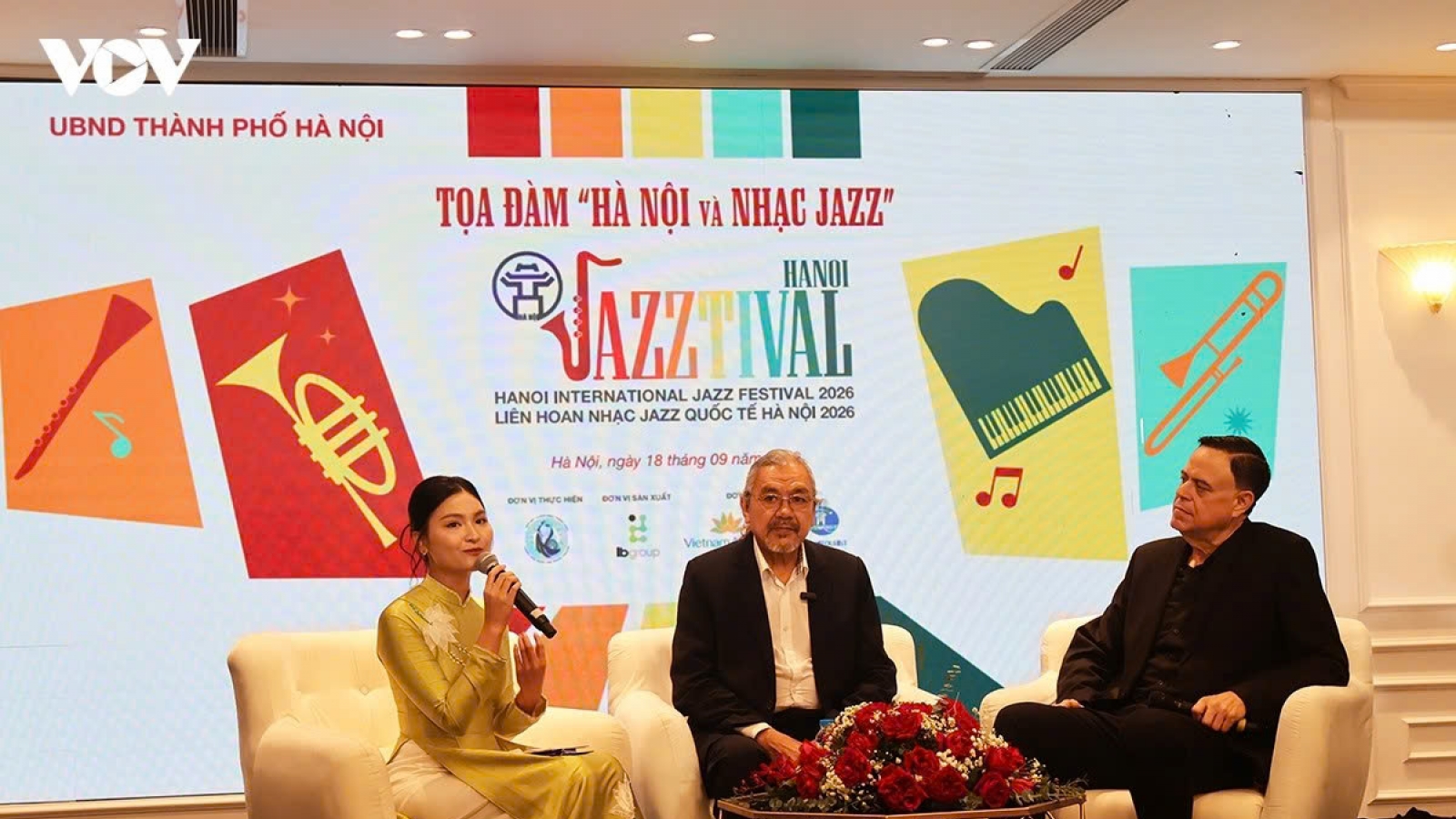
VOV.VN - An international seminar themed Hanoi and Jazz was held in the capital city on September 18 as part of the Hanoi International Jazz Festival 2026 (Hanoi Jazztival 2026), exploring the interplay between Jazz and the capital’s cultural landscape.