Hanoi Dialogue adopts Outcome Document on Heritage and Authenticity

VOV.VN - The Asia-Pacific Dialogue on Heritage and Authenticity 2026 has adopted the Hanoi Outcome Document on Heritage and Authenticity, highlighting the region’s diverse approaches to authenticity and the central role of communities in safeguarding heritage.
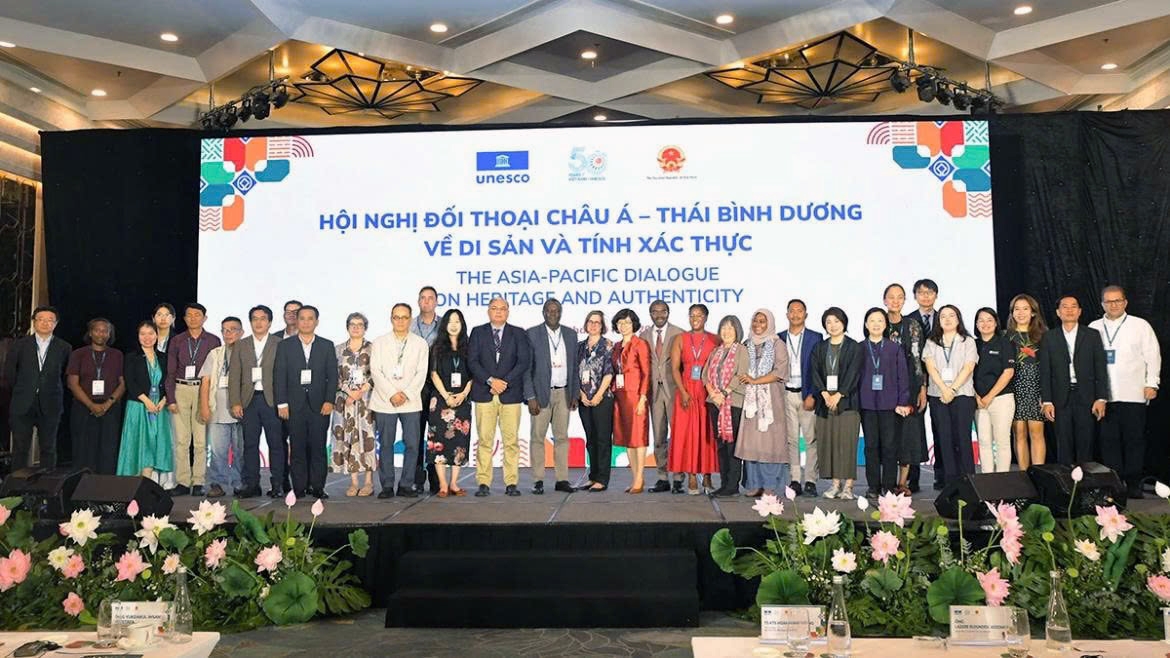
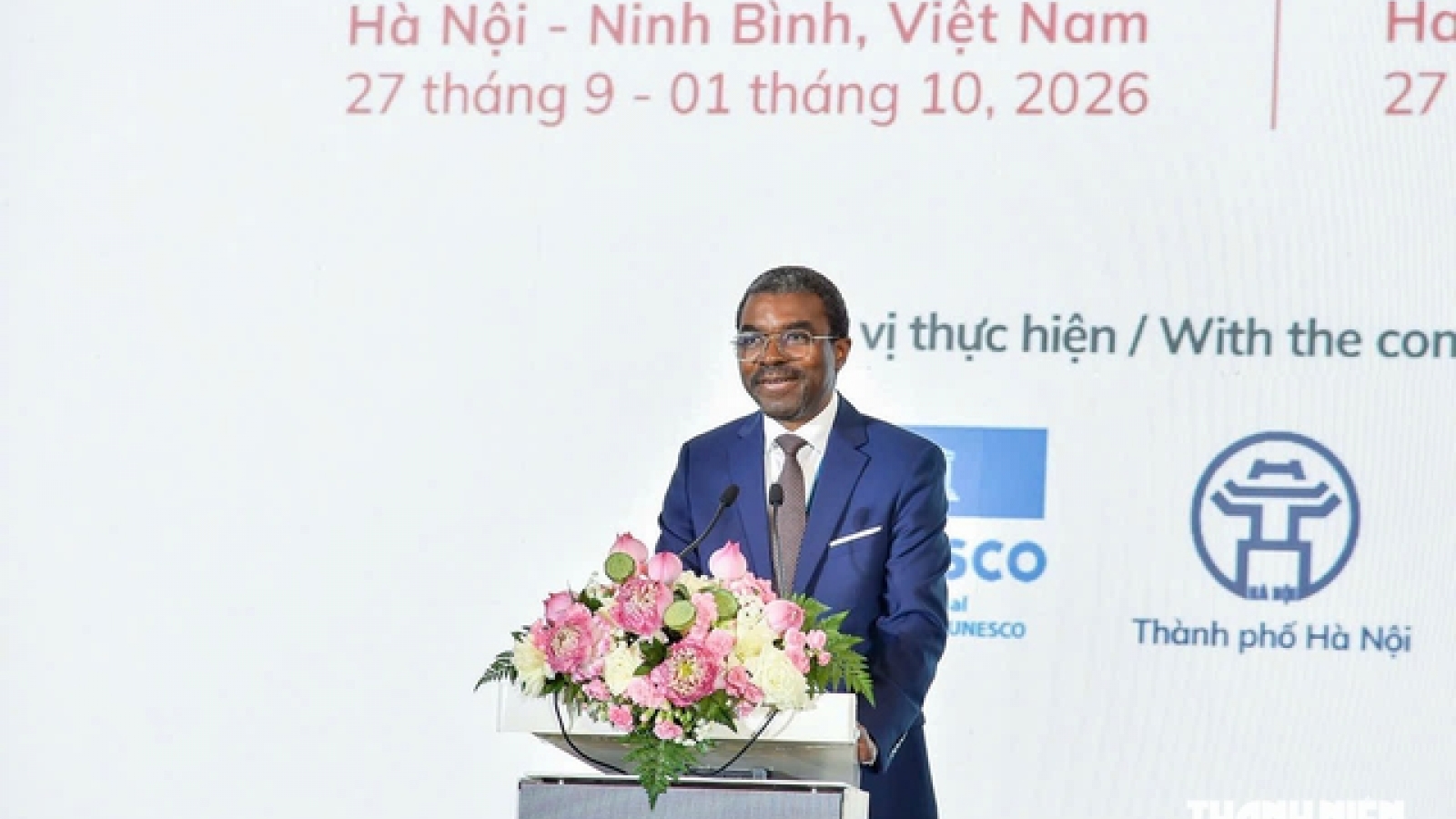
The Dialogue concluded its main programme in Hanoi on September 30, bringing together heritage experts, practitioners and policymakers from Vietnam and other countries to discuss how authenticity can be understood, assessed and safeguarded amid changing social, cultural and environmental conditions.
A regional perspective on heritage authenticity
The Hanoi Outcome Document reflects the experience and perspectives shared by heritage experts, practitioners and other participants from across the Asia-Pacific region. It is intended to contribute regional experience to the ongoing international reflection on authenticity within the World Heritage system and support more consistent, inclusive and evidence-based approaches across different cultural contexts.
The document emphasises that heritage in the Asia-Pacific region is diverse and dynamic, and that change and adaptation do not necessarily diminish authenticity. In appropriate contexts, they can help sustain heritage and ensure that it continues to be transmitted across generations.
It also places local people, artisans and communities at the centre of efforts to identify, assess and safeguard authenticity, recognising them as holders of knowledge and practices associated with living heritage.
The document sets out recommendations at different levels of implementation of the 1972 World Heritage Convention, including for States parties, the World Heritage Committee, the Convention’s advisory bodies and the UNESCO World Heritage Centre.
From dialogue to policy and practice
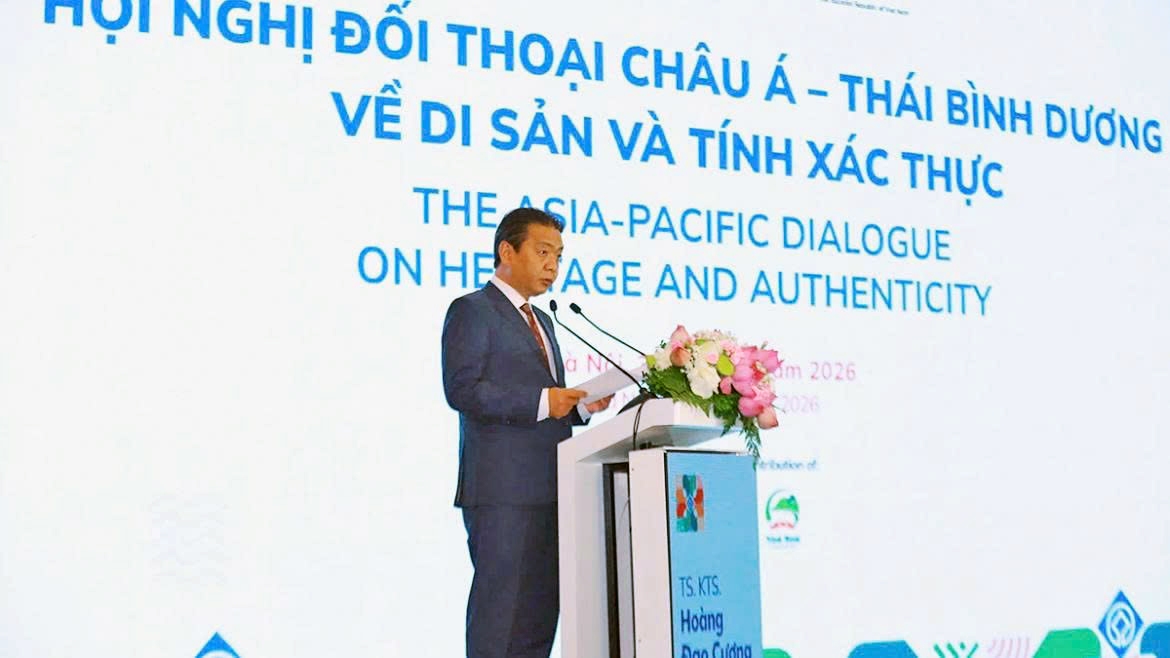
Speaking at the closing session, Vietnamese Deputy Minister of Culture, Sports and Tourism Hoang Dao Cuong thanked UNESCO, the World Heritage Centre, the advisory bodies and all participating delegates for their substantive contributions to the Dialogue.
He highlighted several key points emerging from the regional discussions, including the need to understand authenticity within the historical, cultural and social context of each heritage property; consider the close relationship between tangible and intangible elements; recognise authenticity as part of processes of continuity and adaptation; and acknowledge communities as important actors in identifying, determining and safeguarding authenticity.
Vietnam will work with UNESCO and other States parties in three areas, Cuong said. These include continuing dialogue on authenticity in response to emerging challenges; strengthening the exchange of experience, comparative research and capacity-building programmes for heritage officials, experts and communities; and gradually translating research and dialogue outcomes into policies and tools for heritage protection consistent with the 1972 World Heritage Convention and its Operational Guidelines.
UNESCO Representative to Vietnam Jonathan Wallace Baker congratulated the Dialogue on the adoption of the Hanoi Outcome Document.
He highlighted a roundtable involving artisans, cultural practitioners representing communities and young people, noting that discussions on heritage authenticity had traditionally been largely confined to experts. Their direct participation brought community perspectives into the process and contributed to the content of the Hanoi Outcome Document, he said, describing this as a distinctive feature of the Dialogue.
Baker also welcomed Vietnam’s emphasis on culture in its national development agenda, citing Politburo Resolution No. 80-NQ/TW on cultural development, and praised the country’s role in promoting the UN resolution establishing the International Decade of Culture for Sustainable Development.
UNESCO highlights Vietnam’s contribution
Lazare Eloundou Assomo, director of the UNESCO World Heritage Centre, described the adoption of the Hanoi Outcome Document as an important contribution to the international community’s shared efforts to implement the World Heritage Convention.
He said the document brought a clear Asia-Pacific perspective to the international discussion, and pledged that the World Heritage Centre would work closely with the Convention’s advisory bodies to bring the outcomes of the Dialogue into wider international discussions.
Assomo also described Vietnam as a particularly meaningful setting for the Dialogue, highlighting the role of culture in the country’s socio-economic development.
Hanoi offered an example of a city where history and contemporary life coexist, with heritage not only conserved but also interpreted and transmitted across generations, he said.
Referring to the Vietnamese saying “uống nước nhớ nguồn” (Literally When drinking water, Remember its source), Assomo acknowledged Vietnam’s contribution to the future of the World Heritage Convention and thanked the country’s leaders and the Vietnamese agencies and local authorities involved in hosting the Dialogue.
The Dialogue concluded with outcomes expected to support further cooperation and strengthen the inclusiveness and sustainability of the World Heritage system through respect for cultural diversity. The outcomes are expected to be further discussed at the 49th session of the World Heritage Committee in Istanbul in 2027.
Following the closing session in Hanoi, delegates continue the five-day programme in Ninh Binh province on September 30 and October 1, including professional visits to Tam Chuc Pagoda and the Trang An Landscape Complex.
The Asia-Pacific Dialogue on Heritage and Authenticity was organised by the Vietnam National Commission for UNESCO, the Ministry of Culture, Sports and Tourism, the Hanoi People’s Committee and the Ninh Binh Provincial People’s Committee, in cooperation with UNESCO and the UNESCO World Heritage Centre.

Vietnam puts heritage authenticity at the heart of sustainable development
VOV.VN - Vietnam is placing heritage authenticity at the heart of its approach to sustainable development, emphasising respect for historical truth, cultural diversity and community participation as key principles for safeguarding heritage and supporting long-term development.