Cultural club set up to preserve X’tieng’s indigenous identity in modern life

VOV.VN - The People’s Committee of Tan Hung commune in Dong Nai city has established the Traditional X’tieng Cultural Club model, aiming to preserve and promote the distinctive cultural heritage of the X’tieng ethnic community in the locality.
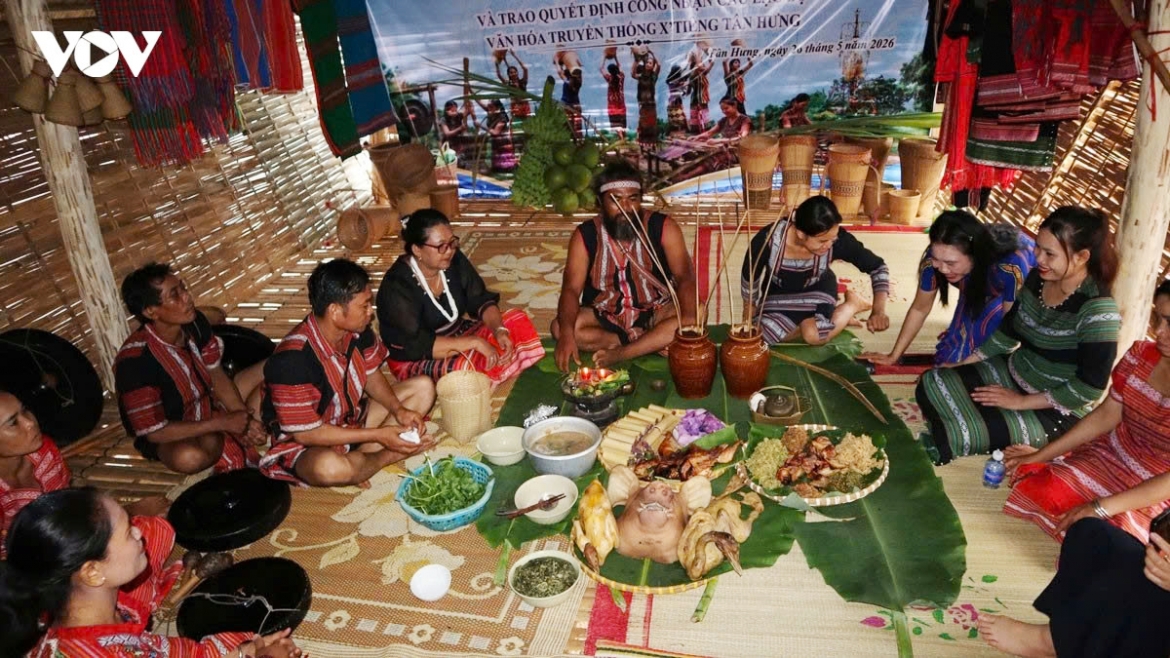
The club currently has 35 members ranging in age from 9 to 74, creating an intergenerational cultural space where traditional practices can be shared and passed on.
Its executive board consists of seven members led by Dieu Thi Hong, a 40-year-old resident of Tan Hung commune. The club operates on a voluntary and self-managed basis under the supervision of local authorities.
According to Hong, Tan Hung commune has a population of around 35,900 people, with the X’tieng ethnic group accounting for more than 30%.
The community still preserves a number of traditional crafts and cultural practices, including basket weaving, brocade weaving, traditional rice wine making, gong performances, drum music and folk dances.
However, she noted that economic pressures and the growing influence of modern lifestyles have led younger generations to become less engaged with traditional cultural values.
“As modern life changes rapidly, preserving ethnic identity has become a major concern for local cultural workers,” she said.
“The club was established to create a space for connection, cultural transmission and fostering love for X’tieng traditions among younger generations. More importantly, local authorities need to support the promotion of traditional products such as brocade weaving, handicrafts and indigenous cuisine while helping residents find stable markets so they can preserve their livelihoods and cultural heritage at the same time,” Hong added.
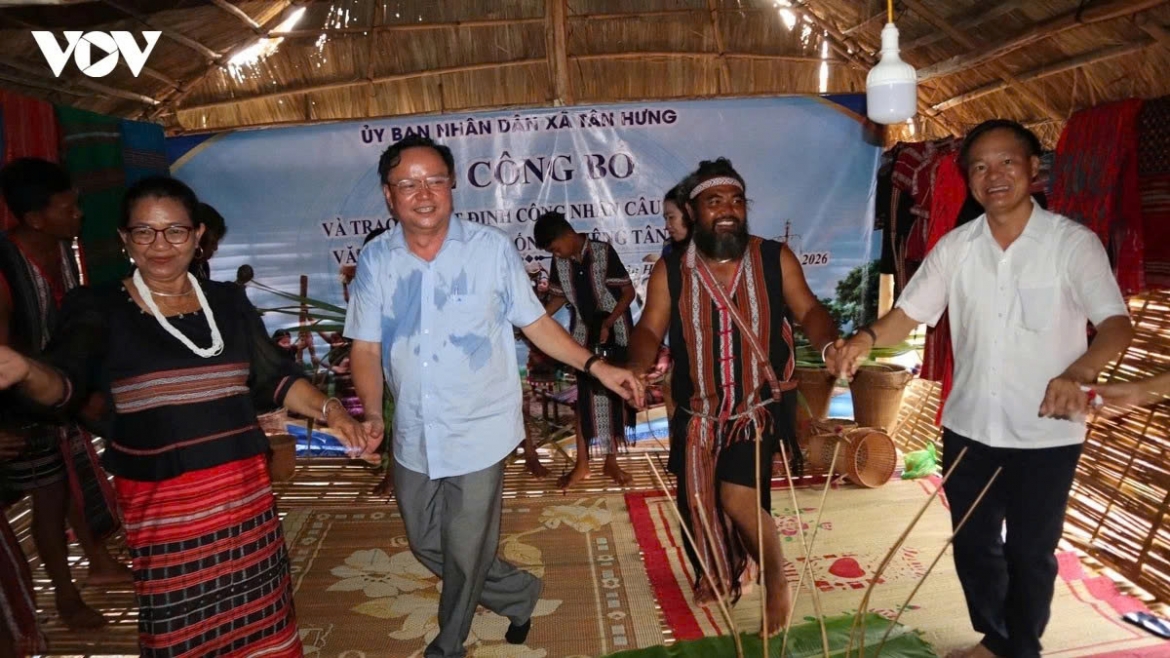
From the local government’s perspective, Mac Dinh Huan, secretary of the Tan Hung Commune Party Committee, said preserving cultural identity has been identified as a key task in the commune’s first Party Congress resolution.
According to him, culture is viewed as “an important driver of socio-economic development and an internal strength of the locality.”
“Local authorities will continue implementing plans to revive traditional festivals, restore handicraft occupations and promote the culinary heritage of ethnic communities, particularly the X’tieng people,” he said.
The establishment of cultural clubs is also seen as an important solution for creating community-based cultural networks and strengthening long-term preservation efforts.
Immediately after its launch ceremony, the club organised a traditional peace-praying ritual, a spiritual ceremony expressing wishes for health, peace and favorable harvests. The event marked the beginning of a series of cultural activities expected to be held by the club in the coming months.
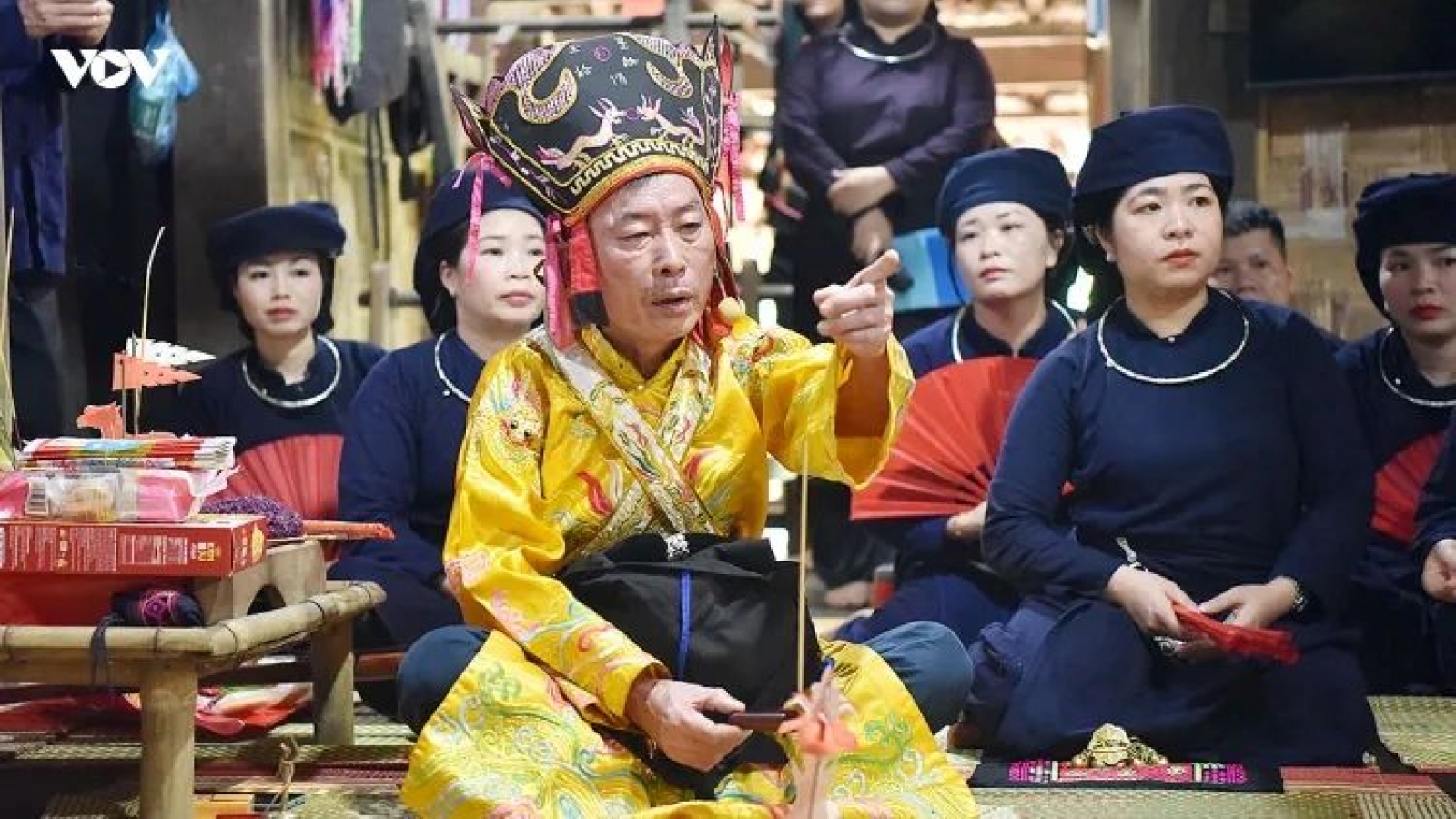
Tay people’s ritual for peace and protection preserved in Northern Vietnam
VOV.VN - Over the years, the Tay ethnic community in Thai Nguyen province has preserved a ritual for peace and spiritual protection, reflecting their worldview, cultural beliefs and aspirations for harmony across generations.