Large cave with colourful stalactite system discovered in Quang Tri

VOV.VN - A large cave featuring a diverse system of stalactites and multiple underground branches has been discovered in central Quang Tri province, opening up new opportunities for geological research and eco-tourism development.
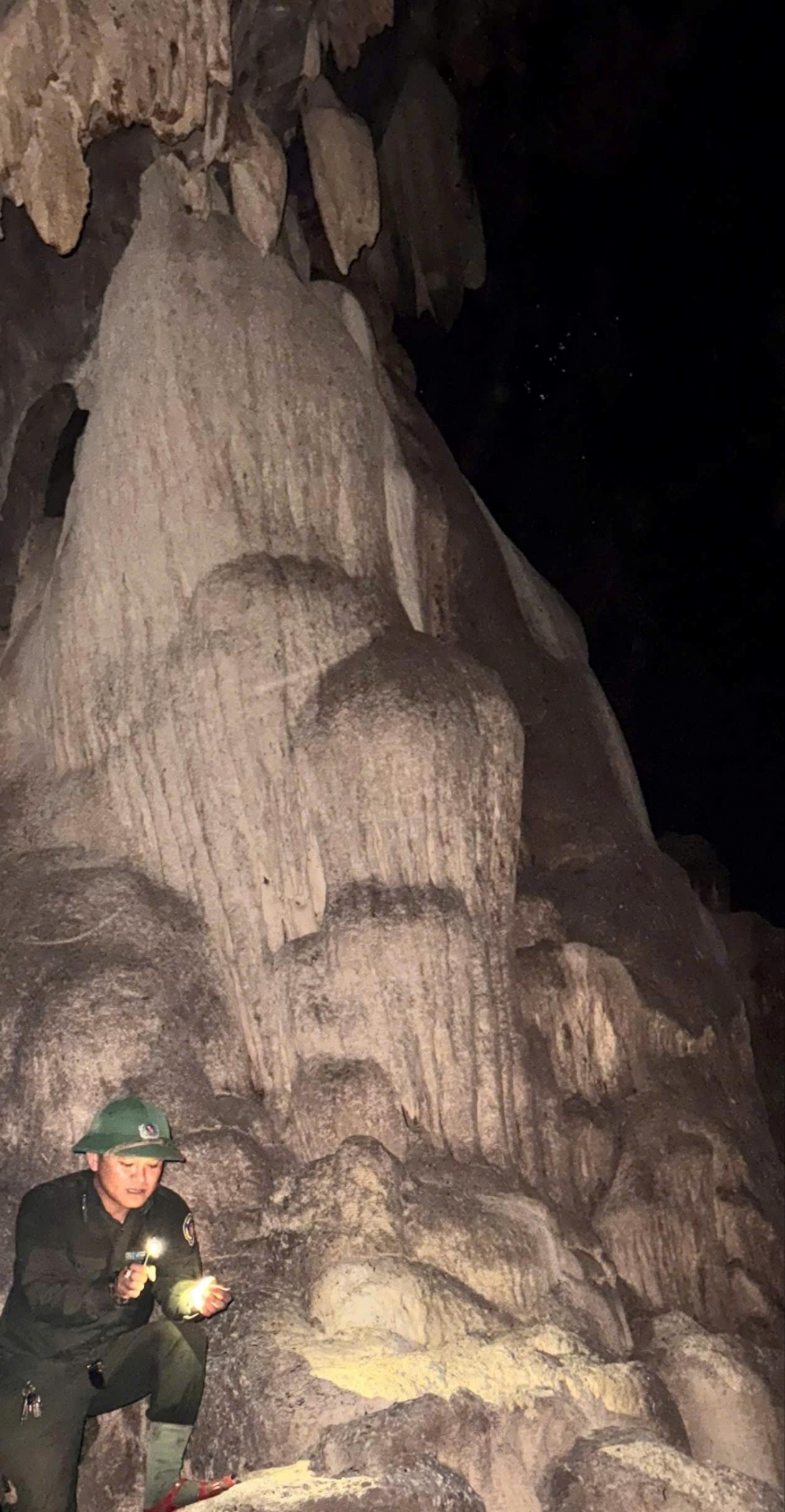
The cave was recently found by forest protection patrol teams in compartment 638S of the Bac Huong Hoa Nature Reserve in Quang Tri province.
According to the Management Board of the Nam Quang Tri Special-use Forest, rangers discovered the cave entrance hidden deep within a natural forest during a routine patrol. Initial surveys revealed a vast underground chamber, with the cave's interior estimated to be nearly 70m wide.
After traveling approximately 200m from the entrance, surveyors found that the cave splits into at least four major branches extending deep into the mountain.
The exploration team documented an impressive collection of stalactites and stalagmites in various shapes and formations. The mineral deposits display a range of colours that change under natural light, creating a spectacular and otherworldly landscape.
Due to limited equipment, authorities have only been able to explore areas near the entrance and have not yet reached the deeper sections of the cave. However, preliminary geological observations suggest the presence of a much larger underground system, potentially including extensive stalactite formations and subterranean water networks.
Notably, a large sinkhole was also discovered near the newly found cave. The site is located close to Van Tien Cave, a well-known cave system discovered more than a decade ago and recognised for its remarkable stalactite formations.
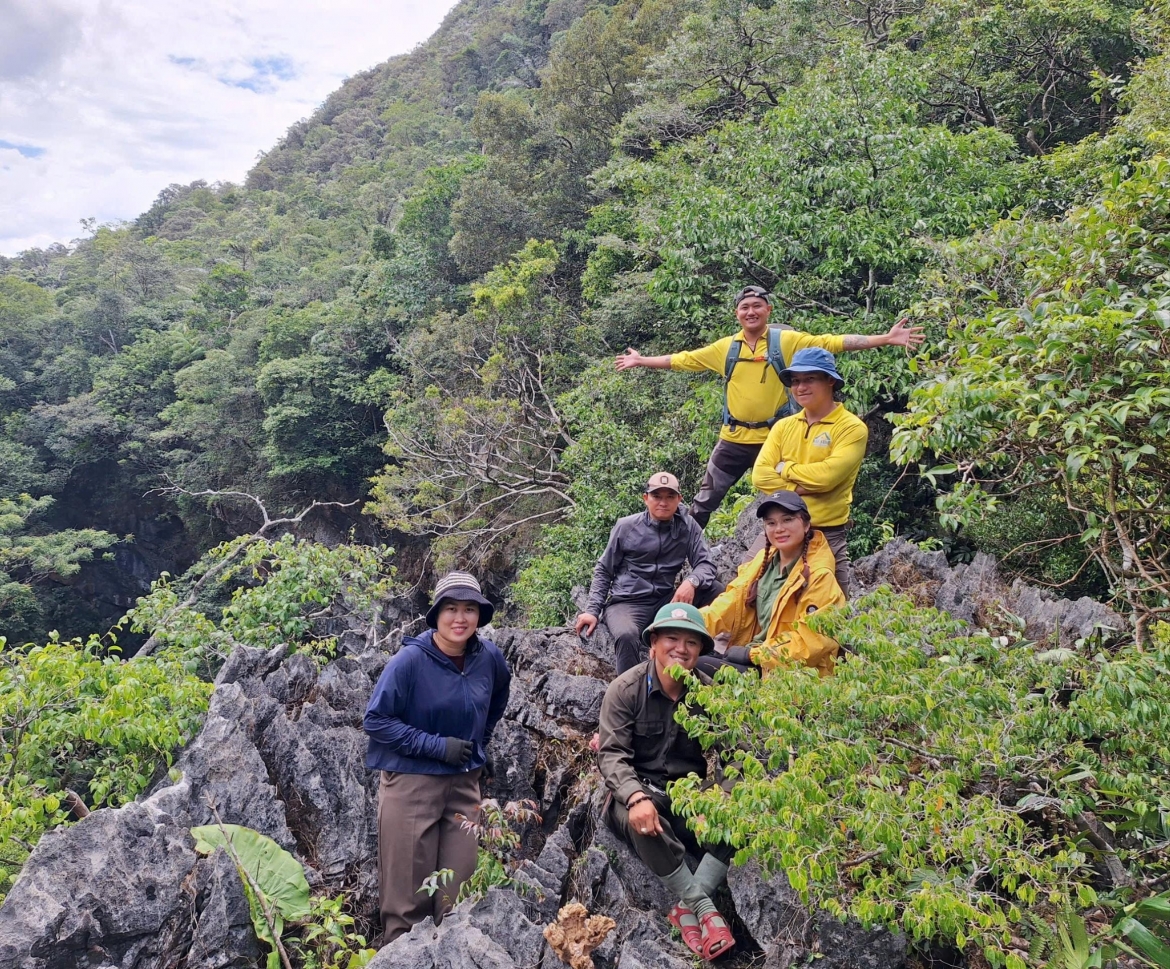
The management board of the Nam Quang Tri Special-use Forest is currently urgently coordinating with specialised agencies and experts to organise extensive survey expeditions.
With the support of specialised exploration equipment, future expeditions are expected to penetrate deeper into the cave, conduct detailed geological mapping, and assess its scientific and tourism value.
The discovery is expected to contribute to cave conservation efforts while creating new prospects for eco-tourism and adventure tourism development in Quang Tri, a region increasingly recognised for its rich karst landscapes and biodiversity.
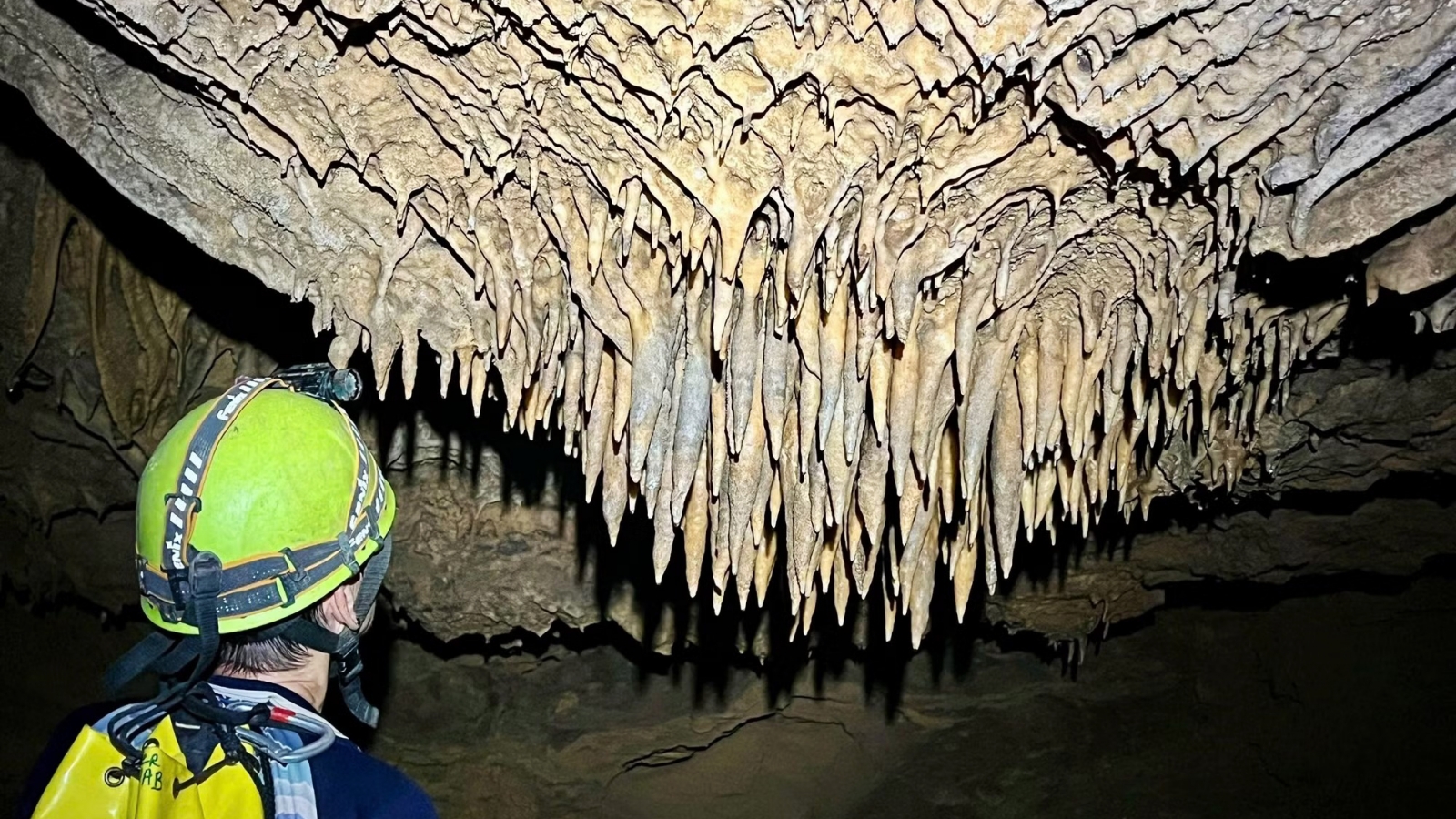
26 new caves discovered in Phong Nha - Ke Bang National Park
VOV.VN - A large-scale cave expedition in Phong Nha–Ke Bang National Park (central Vietnam) has identified 26 previously unknown caves along with rare geological formations, reinforcing the area’s status as one of the world’s most significant karst regions.