New trends in breast cancer diagnosis and treatment – highlights from GBCC 2026

VOV.VN - The conference, organised by Hong Ngoc - Phuc Truong Minh General Hospital in collaboration with the Organising Committee of the Global Breast Cancer Conference (GBCC) and the Korean Breast Cancer Society, updated attendees on the latest trends in breast cancer treatment and attracted over 100 Vietnamese and K
GBCC 2026 is one of the most influential breast cancer conferences in Asia, featuring 460 research abstracts from 35 countries, over 400 selected papers presented in 72 specialized sessions, and 234 lectures. Building on this, experts continued their discussions at the conference “New Trends in Breast Cancer Diagnosis and Treatment: Highlights from GBCC 2026,” held at Hong Ngoc Phuc Truong Minh General Hospital.
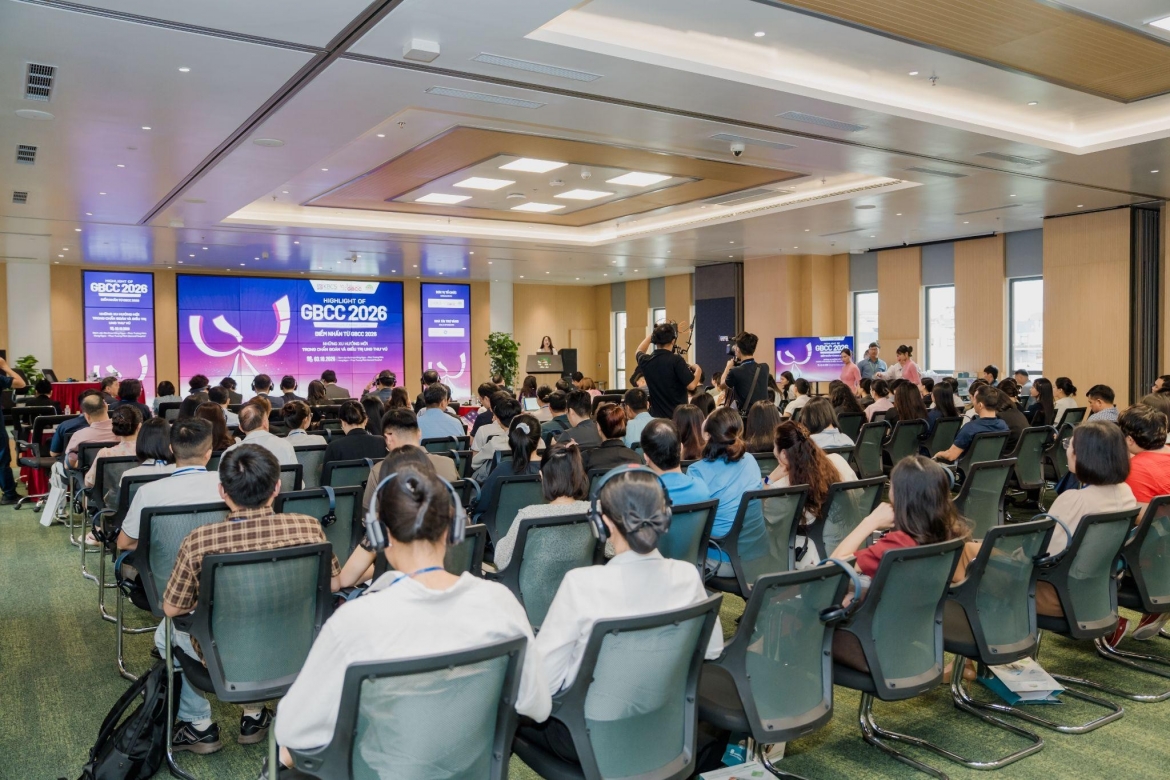
Attendees included Assoc. Prof. Dr. Do Anh Tu - Chief of the Office of the Vietnam Cancer Society, Deputy Director of K Hospital; Assoc. Prof. Dr. Nguyen Thi Xuyen - President of the Cancer Patient Support Fund - Bright Tomorrow; Prof. Dr. Jeong Eon Lee - President of GBCC, Chairman of the Board of Directors of KBCS, Director of the Breast Cancer Center, Samsung Medical Center; Assoc. Prof. Dr. Nguyen Thi Minh Phuong - Head of the Oncology Department, Hong Ngoc - Phuc Truong Minh General Hospital; Assoc. Prof. Dr. Nguyen Dinh Tung - Head of the Department of Plastic and Reconstructive Surgery - Maxillofacial Surgery, Head of the Breast Surgery Unit, Breast and Gynecological Center, Hong Ngoc General Hospital; Dr. Le Hong Cuc, President of the Vietnam Breast Imaging Diagnostic Association, along with speakers who are experts from major medical facilities, including many experts holding professional positions at the Global Breast Cancer Conference (GBCC), the Korean Breast Cancer Society (KBCS), and prestigious medical centers in Korea.
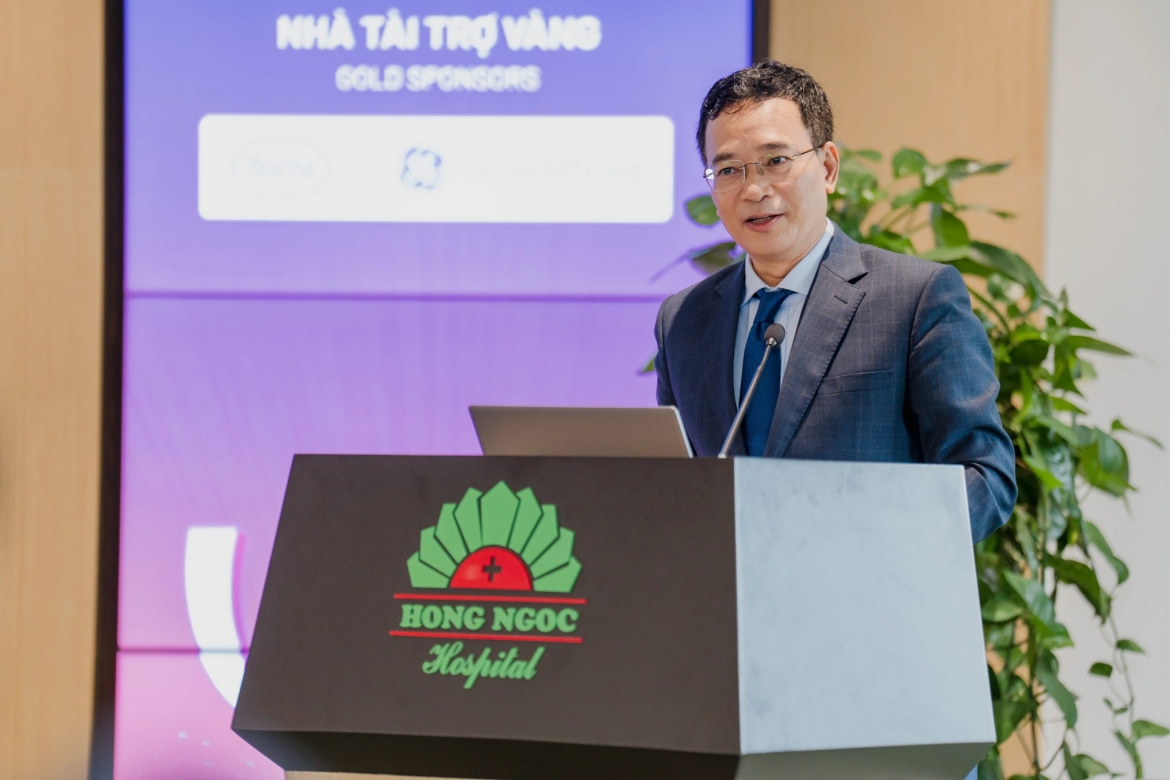
In his opening remarks, Assoc. Prof. Dr. Do Anh Tu - Chief of the Office of the Vietnam Cancer Society, Deputy Director of K Hospital, stated: “Breast cancer today is being approached in a personalized manner, applying precision medicine and multi-modal approaches. Advances in diagnostic imaging, pathology, molecular biology, surgery, endocrine therapy, targeted therapy, and immunotherapy have fundamentally changed treatment strategies, offering patients a longer chance of survival and a better quality of life. Today's conference is an opportunity for us to update our knowledge and gradually apply it to the practice of diagnosing and treating breast cancer in Vietnam.”
Delving deeper into the program, 11 Vietnamese and Korean speakers presented 14 papers across 4 scientific sessions, revolving around issues ranging from minimising axillary lymph node intervention, optimizing breast-conserving surgery, immediate breast reconstruction to individualized endocrine therapy, immunotherapy, and the application of AI in breast MRI. Despite their different fields, the reports all showed a trend towards increasingly precise, less invasive, and more personalized treatment.
Notably, in the field of surgery, Assoc. Prof. Dr. Nguyen Dinh Tung – Head of the Department of Plastic and Reconstructive Surgery - Maxillofacial Surgery, Head of the Breast Surgery Unit, Breast and Gynecological Center, Hong Ngoc General Hospital – presented a report on “Advances in Surgical Treatment of Breast Cancer in Vietnam,” focusing on three leading techniques: immediate breast reconstruction, intraoperative radiotherapy (IORT), and autologous fat grafting combined with vascular stromal tissue (SVF). The goal is more comprehensive treatment, both controlling the disease and focusing on the patient's physical appearance and quality of life.
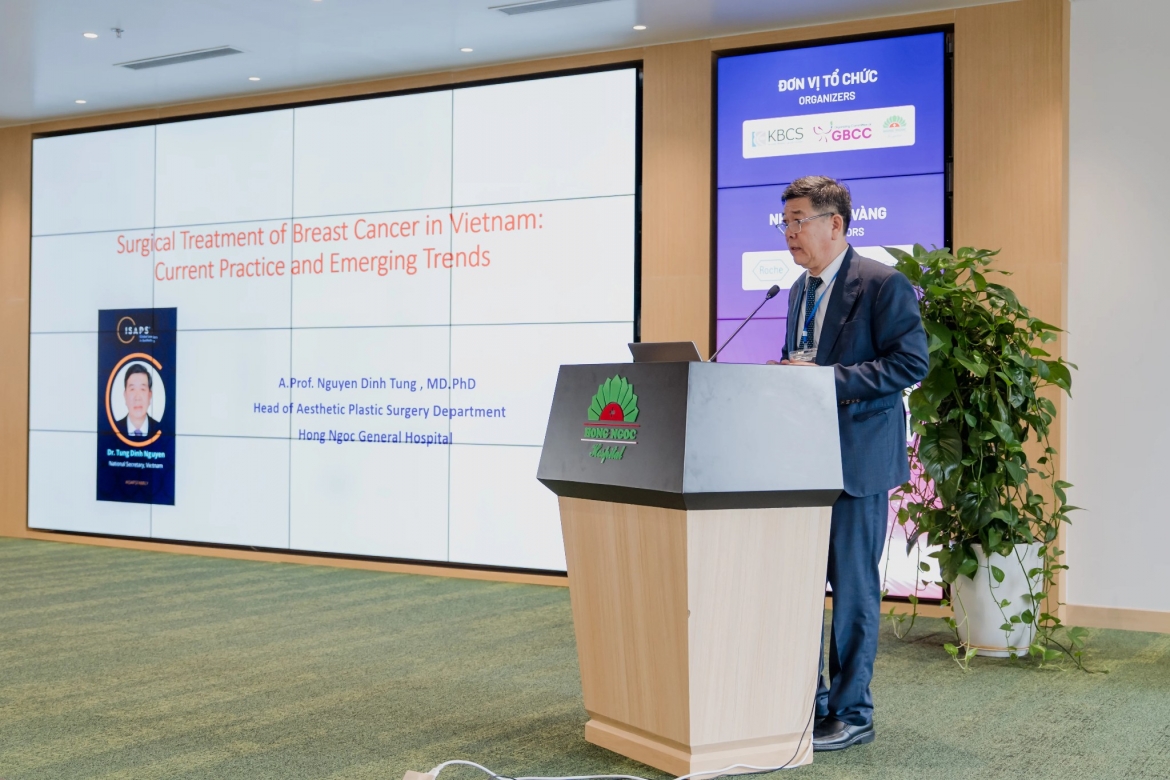
Associate Professor, Doctor Nguyen Dinh Tung shared, “Previously, breast reconstruction surgery mainly aimed at restoring body shape, helping women feel more confident when wearing clothes and in social interactions. Today, breast reconstruction focuses on all three criteria: shape, softness, and sensation. Therefore, the reconstruction plan needs to be individualized according to the characteristics and needs of each patient, instead of applying a single technique to all.”
In the same session, Professor Jeong Eon Lee, MD, PhD, President of GBCC and Chairman of the Board of the Korean Breast Cancer Society, analyzed the changes in axillary lymph node dissection in patients with positive lymph nodes. Instead of extensive axillary lymph node dissection as before, the current approach focuses on identifying cases where the surgical scope can be narrowed, thereby reducing the risk of arm edema and limiting shoulder movement after surgery.
If surgery shows a trend toward reduced intervention, sessions on systemic treatment further clarify the individualization approach. For early-stage luminal breast cancer, Assoc. Prof. Dr. Joo Heung Kim – Breast Surgery Unit, Yongin Severance Hospital – provided an update on individualized endocrine therapy. Following this, Assoc. Prof. Dr. Sang Yull Kang shared new adjuvant therapies and strategies to overcome endocrine resistance in high-risk groups; while Assoc. Prof. Dr. Soong June Bae analyzed the optimal immunotherapy strategy in metastatic breast cancer.
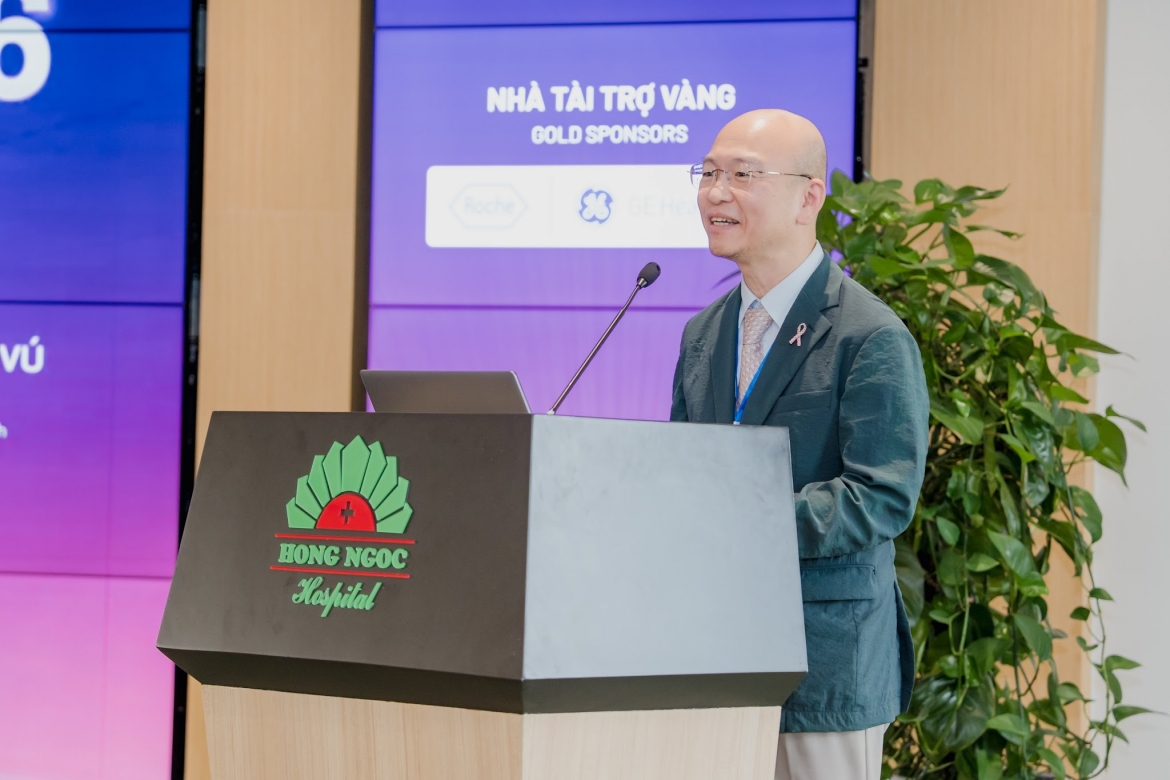
Alongside updates on treatment, the conference also addressed the application of AI in diagnostic imaging. Professor Eun Sook Ko, MD, PhD, from the Department of Diagnostic Imaging, Sungkyunkwan University School of Medicine, Samsung Medical Center, shared insights on the application of AI in breast MRI, from shortening scanning time and improving image quality to assisting in the detection and classification of lesions and predicting preoperative treatment response. Through this, AI can support physicians in developing appropriate treatment plans when combined with clinical assessment and other diagnostic methods.
Concluding the scientific sessions, the program's significance lies not only in introducing new advancements but also in its ability to translate these updates into practical value. In that spirit, the collaboration between Hong Ngoc - Phuc Truong Minh General Hospital, GBCC, and KBCS created a forum for Vietnamese and Korean doctors to analyze updates from GBCC 2026. Through 14 reports and in-depth discussion sessions, the parties exchanged experiences and assessed the potential for application in practice in Vietnam. These discussions contributed to guiding the selection of appropriate solutions for each patient, linking disease control goals with physical rehabilitation and improving quality of life.
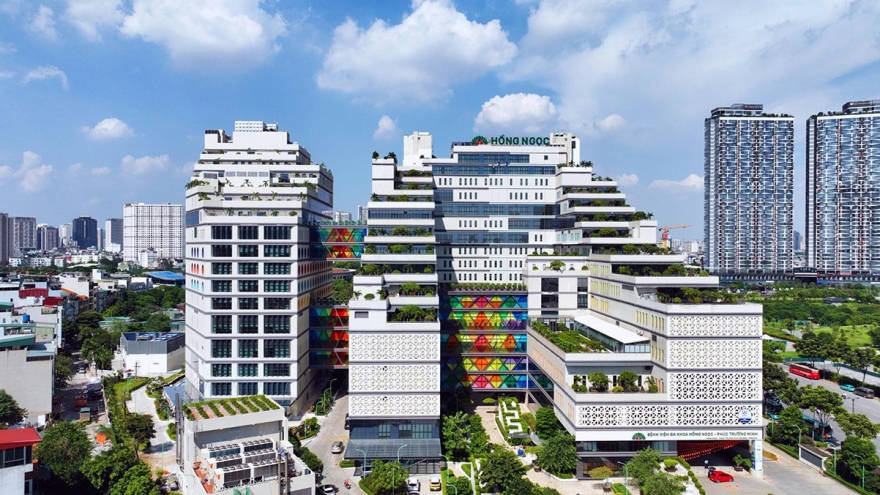
Hong Ngoc General Hospital gains trust among international patients in Hanoi
VOV.VN - As Vietnam’s healthcare sector continues to develop and emerge as a destination for international medical care, Hong Ngoc General Hospital is gradually establishing itself as a trusted provider for foreign patients in Hanoi.